

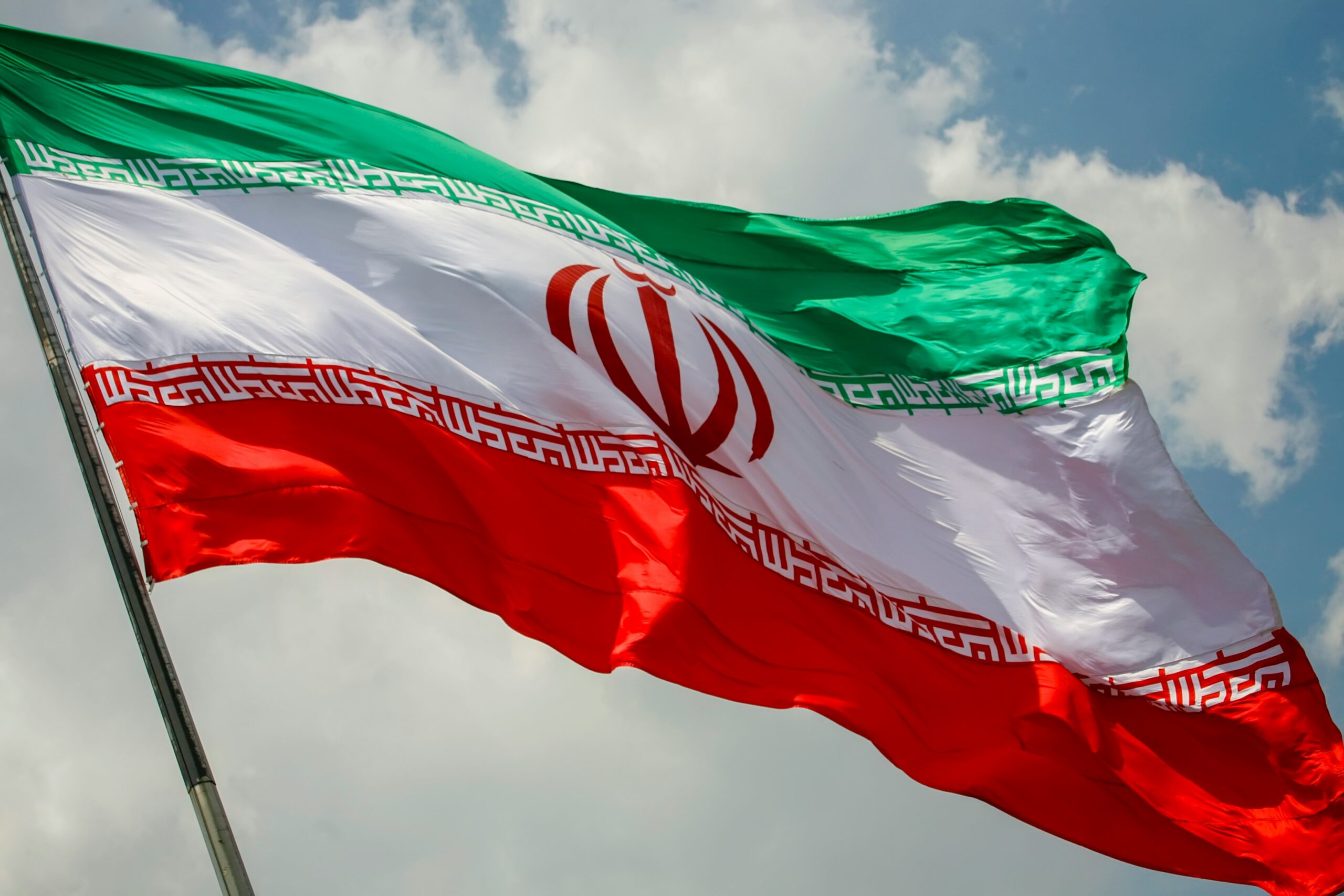
WASHINGTON, 24 May (Parliament Politics Magazine) – U.S. President Donald Trump announced from Washington that an interim Iran peace deal is largely negotiated via a sixty-day memorandum of understanding. The emerging diplomatic framework aims to lift American naval blockades and immediately reopen the strategic Strait of Hormuz waterway to commercial shipping lines.
Detailed Framework of the Interim Memorandum
The prospective Iran peace deal functions as a transitional sixty-day blueprint designed to extend an ongoing, fragile regional ceasefire. Journalistic reports from international news outlets indicate that the emerging memorandum of understanding outlines a phased timeline to officially terminate the war. The initial phase requires the Islamic Revolutionary Guard Corps to clear defensive maritime mines from the channel to restore pre-war shipping volumes.
Under the leaked terms, international vessels will transit the waterway freely without local transit fees or localized protection charges. In return, the United States will entirely lift its reciprocal naval counter-blockade on Iranian ports within thirty days. Furthermore, Washington agrees to issue limited economic sanctions waivers, allowing Tehran to export crude oil and access twenty-five billion dollars in foreign bank assets.
Regional Mediation Backed by Interlocking Pacts
The sudden diplomatic breakthrough follows weeks of intensive, indirect diplomacy managed by a back-channel mediation pipeline between Pakistan and Qatar. Pakistan’s Army Chief, Field Marshal Asim Munir, traveled to Tehran to conduct direct security talks with the Iranian leadership to fine-tune the maritime agreement. U.S. Secretary of State Marco Rubio, speaking during a diplomatic visit to India, confirmed that negotiators are getting closer to a final text.
To stabilize the regional security environment, Trump held direct telephone consultations with leaders from Saudi Arabia, Qatar, the United Arab Emirates, Jordan, Egypt, and Turkey. The White House reported that a separate discussion with Israeli Prime Minister Benjamin Netanyahu regarding the ongoing conflict also progressed smoothly. While regional allies have expressed optimism, the draft Iran peace deal remains contingent on formal compliance, leading Trump to characterize the probability of a final agreement as a solid fifty-fifty balance.
Sovereign Control Disputes Create Maritime Friction
Significant administrative friction persists regarding the long-term jurisdiction of the strategic channel, which handles twenty percent of global oil supplies. The United States insists the corridor must feature unregulated passage, whereas Iranian state media claims that complete Western access is inconsistent with reality. The semi-official Fars News Agency clarified that while commercial traffic volumes will recover, the physical management, route determination, and permitting methods of the waterway will remain under the sovereign administration of Iran.
Iranian Foreign Ministry spokesperson Esmail Baghaei emphasized that any operational mechanism must be decided exclusively by bordering regional nations, asserting that Western powers have no authority over the channel. Baghaei added that Tehran’s priority is ending the threat of new U.S. attacks and halting the conflict in southern Lebanon. Highlighting domestic military preparedness, Iranian top negotiator Mohammad Baqer Qalibaf warned:
“If the U.S. foolishly restarts the war, the consequences will be more forceful and bitter than at the start of the conflict.”
Nuclear Timelines and Headwinds
A key pillar of the emerging Iran peace deal involves structuring immediate constraints on domestic nuclear capabilities. The current framework mandates a strict thirty-to-sixty-day window to negotiate permanent caps on uranium enrichment and the removal of highly enriched stockpiles. In exchange, the draft guarantees that the United States and its allies will refrain from launching preemptive military strikes against regional targets.
However, the proposed Iran peace deal faces serious political opposition in both countries. Prominent American lawmakers have cautioned the administration against signing a pact that leaves the strategic channel under de facto Iranian military control. Meanwhile, hardline factions in Tehran resist putting civilian enrichment assets back on the negotiating table. Despite these domestic hurdles, the potential Iran peace deal represents the most significant diplomatic progress toward regional stabilization since the outbreak of the war.