


The UK automotive industry is facing renewed uncertainty after reports claimed Nissan abandoned plans for EV powertrain production in Britain.
Industry experts warn that rising manufacturing costs and slowing electric vehicle demand could reshape future investment decisions.
The latest development raises questions about the future competitiveness of Britain’s car manufacturing sector in 2026.
LONDON, United Kingdom (Parliament Politics Magazine) The UK automotive industry is under renewed pressure following reports that a Nissan-affiliated unit has scrapped plans to manufacture electric vehicle powertrains in Britain. The report, first published by Nikkei, has intensified concerns about the future of electric vehicle investment across Europe as manufacturers reassess production costs, supply chain risks, and slowing EV demand.
The decision comes during a difficult period for the British vehicle manufacturing sector, which continues adjusting to post-Brexit trade conditions, inflationary pressures, and growing international competition. Analysts say the latest development could influence future manufacturing strategies not only for Nissan but for the wider UK automotive industry as global carmakers prioritize profitability over aggressive expansion.
Key Figures Shaping the UK Automotive Industry in 2026
| Category | Latest Industry Indicator |
|---|---|
| Nissan Reported Decision | EV powertrain project reportedly scrapped |
| Region Affected | United Kingdom |
| Primary Concern | Rising EV production costs |
| Industry Trend | Slowing EV demand growth |
| Key Competitive Pressure | Lower-cost Chinese EV makers |
| Major UK Manufacturing Hub | Sunderland |
| Sector Impact | Investment uncertainty |
| Automotive Focus | Electric vehicle transition |
Nissan Report Raises Questions About Britain’s EV Future
The reported cancellation of the Nissan project immediately triggered discussion across the UK automotive industry, particularly because Sunderland remains one of Britain’s most important vehicle manufacturing centers.
For years, government officials promoted Britain as a strategic destination for electric vehicle production. Billions in potential investments were tied to battery manufacturing, EV supply chains, and advanced automotive engineering.
However, the economics of electric vehicle manufacturing have become increasingly difficult for automakers worldwide. Rising labor costs, expensive battery materials, and slower-than-expected EV adoption have forced many companies to reconsider future expansion plans.
“Nobody in the industry can ignore the rising costs anymore,”
one automotive analyst stated.
“Manufacturers are now demanding profitability instead of simply chasing production targets.”
That growing caution is becoming visible across the broader UK automotive industry, where manufacturers are carefully reviewing long-term investment strategies.
Electric Vehicle Growth Faces New Reality
Global electric vehicle sales continue growing overall, but the pace of expansion has slowed significantly compared to earlier expectations. Consumers remain concerned about vehicle pricing, charging infrastructure, and long-term ownership costs.
At the same time, Chinese automakers continue expanding into European markets with competitively priced electric models, creating enormous pressure on traditional Western manufacturers.
The UK automotive industry now faces the challenge of remaining competitive while adapting to rapidly changing market conditions.
Several automakers across Europe have already delayed EV production targets or softened previous commitments regarding fully electric fleets. Industry observers say the transition toward electrification is becoming more complex than many policymakers initially predicted.
Sunderland Remains Critical to British Manufacturing
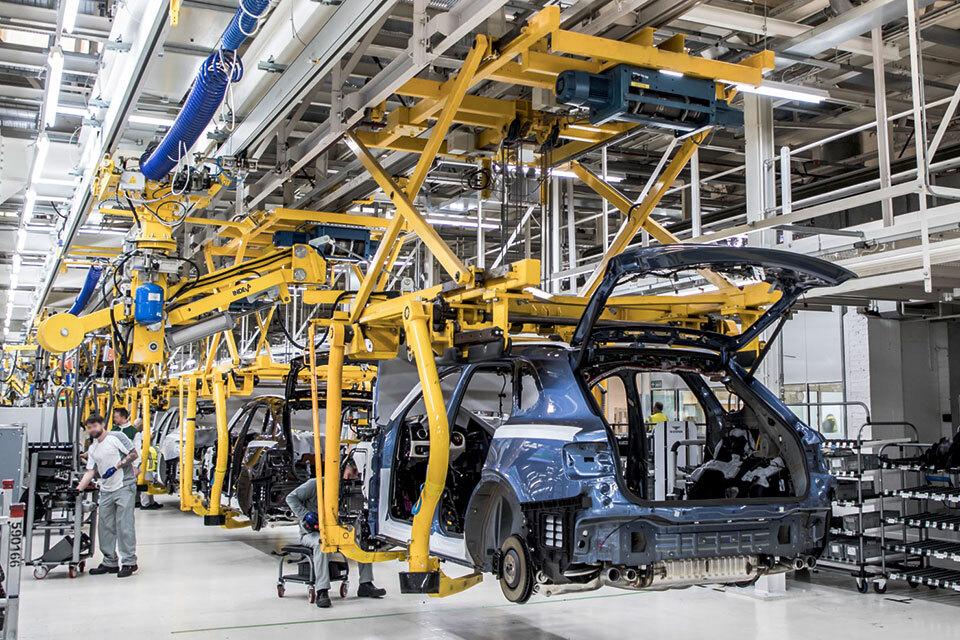
Nissan’s Sunderland plant continues serving as one of the largest automotive production facilities in the country. Thousands of jobs remain directly or indirectly connected to operations tied to the plant and its surrounding supply network.
While current manufacturing operations are not expected to stop, the reported cancellation of future EV powertrain production plans has created fresh uncertainty.
Government officials are expected to monitor developments closely because the UK automotive industry remains a major contributor to exports, employment, and regional economic activity.
Industry groups argue that maintaining competitive energy costs and stronger manufacturing incentives may become essential if Britain hopes to retain future automotive investments.
Supply Chain Challenges Continue Affecting Manufacturers
The automotive sector continues dealing with supply chain instability years after the semiconductor shortages disrupted global manufacturing operations.
Battery production remains heavily concentrated in Asia, while Europe continues trying to establish domestic supply chains capable of supporting long-term EV demand.
Manufacturers operating within the UK automotive industry must also navigate higher operational expenses compared to several international competitors. Energy prices, logistics costs, and regulatory compliance requirements continue influencing investment decisions.
“Automakers need long-term certainty before committing billions to future production,”
another industry expert explained.
“The competition for manufacturing investment is now global.”
Historical Cycles of Britain’s Automotive Sector
The British automotive sector has experienced multiple periods of transformation over the last century. The current EV transition represents another major industrial shift similar to earlier manufacturing changes.
| Era | Major Industry Shift | Impact on Britain |
|---|---|---|
| 1950s–1970s | Traditional manufacturing expansion | Growth in domestic car production |
| 1980s | Foreign investment growth | Japanese manufacturers entered UK market |
| 1990s–2000s | Globalization of supply chains | Increased export-focused production |
| 2010s | Electric vehicle transition begins | Massive EV investment announcements |
| 2020s | EV profitability concerns emerge | Manufacturers reassessing expansion plans |
The current situation involving Nissan reflects how rapidly global manufacturing priorities can evolve during technological transitions.
Government Pressure Could Increase
British policymakers have strongly promoted green energy initiatives and electric vehicle production goals. However, automakers increasingly argue that financial realities must align with political ambitions.
The UK automotive industry may require additional support measures if Britain hopes to compete against heavily subsidized manufacturing operations elsewhere in the world.
Industry leaders continue calling for greater infrastructure investment, lower industrial energy costs, and more stable long-term regulatory planning.
Without stronger competitiveness, analysts warn that Europe could lose additional manufacturing share to lower-cost global rivals.
Investors Closely Watching Automotive Markets
Financial markets have become more cautious regarding electric vehicle expansion strategies. Investors increasingly demand realistic profitability targets instead of ambitious production announcements.
The reported Nissan decision reflects broader concerns affecting the UK automotive industry and international vehicle markets alike.
Several automotive stocks experienced volatility over the past year as companies revised EV forecasts and adjusted production expectations.
Investors now favor disciplined growth strategies rather than large-scale manufacturing commitments without clear financial returns.
Broader Economic Risks Remain
Economic uncertainty continues affecting consumer confidence across several major economies. High interest rates and inflation have also reduced affordability for many vehicle buyers.
The UK automotive industry faces additional pressure because electric vehicles often remain more expensive than traditional gasoline-powered alternatives.
As a result, automakers must balance government emissions targets with realistic consumer demand patterns.
Manufacturers also continue facing intense global competition from both established rivals and emerging EV brands.
Future Outlook for Britain’s Car Manufacturing Sector
Despite the concerns surrounding the Nissan report, experts believe Britain will remain an important automotive manufacturing market due to its engineering capabilities and industrial history.
However, the UK automotive industry may experience slower investment growth than previously anticipated unless operating conditions improve.
Industry analysts expect manufacturers to become more selective regarding future expansion projects, focusing on regions offering the strongest financial advantages and supply-chain stability.
The coming years could determine whether Britain maintains a leading role in Europe’s electric vehicle transformation or loses additional manufacturing opportunities to competing global markets.
“The transition to electric vehicles is no longer simply about growth,”
one market strategist said.
“It is now about survival, profitability, and long-term industrial sustainability.”
“Britain still has enormous automotive talent and infrastructure,”
another analyst noted.
“But investment decisions today are based on hard economics.”
“The global automotive sector is entering a more disciplined era,”
an industry consultant added.
“Manufacturers can no longer afford unlimited expansion without clear returns.”