


The Cyprus parliament election is drawing intense attention as voters focus on corruption allegations and rising living costs.
Political parties are facing pressure from frustrated citizens demanding economic relief and government accountability.
The outcome could reshape Cyprus politics while influencing wider European economic and governance debates.
NICOSIA, Cyprus (Parliament Politics Magazine) The Cyprus parliament election is shaping into one of the country’s most important political moments in recent years as voters focus heavily on inflation, housing affordability, and corruption concerns. Political parties across Cyprus are competing to convince citizens they can restore economic confidence while addressing growing frustration over the cost of living.
Public debate throughout the campaign has shifted away from traditional party rivalries and toward economic survival. Families facing rising energy bills, increasing food prices, and expensive housing costs are demanding immediate solutions from lawmakers seeking seats in parliament.
The election arrives during broader economic uncertainty across Europe, where inflation and political dissatisfaction continue influencing voter behavior in multiple countries.
Key Issues Behind the Cyprus Vote
| Category | Main Concern |
|---|---|
| Election Type | Parliamentary election |
| Biggest Voter Issue | Rising living costs |
| Economic Pressure | Inflation and housing costs |
| Political Concern | Corruption allegations |
| Region | Cyprus |
| Key Debate | Government accountability |
| Voter Sentiment | Economic frustration |
| International Focus | European political stability |
Inflation and Housing Costs Drive Voter Frustration
Economic pressure has become the defining issue in the Cyprus parliament election as households across the country struggle with increasing expenses. Many residents say salaries have failed to keep pace with inflation, creating financial strain for both middle-income and lower-income families.
Housing affordability has also become a major political concern. Younger voters and working families continue facing higher rental prices and limited affordable housing availability, especially in urban areas.
Several political parties have promised tax relief measures, social support programs, and economic reforms aimed at easing financial pressure on households.
Analysts say economic dissatisfaction is now one of the strongest forces shaping voter sentiment ahead of the parliamentary vote.
Corruption Concerns Intensify Political Debate
Alongside economic pressure, allegations surrounding corruption and political transparency have intensified campaign discussions during the Cyprus parliament election.
Opposition groups have repeatedly criticized government accountability and called for stronger institutional oversight. Public confidence in political leadership has weakened following years of criticism tied to transparency and governance issues.
The corruption debate has become especially important among undecided voters seeking greater trust in public institutions.
“Voters are no longer satisfied with promises alone — they want accountability and visible economic change,”
one political analyst said.
That growing frustration has transformed the election into a broader debate about the future direction of governance in Cyprus.
Young Voters Could Influence the Final Outcome
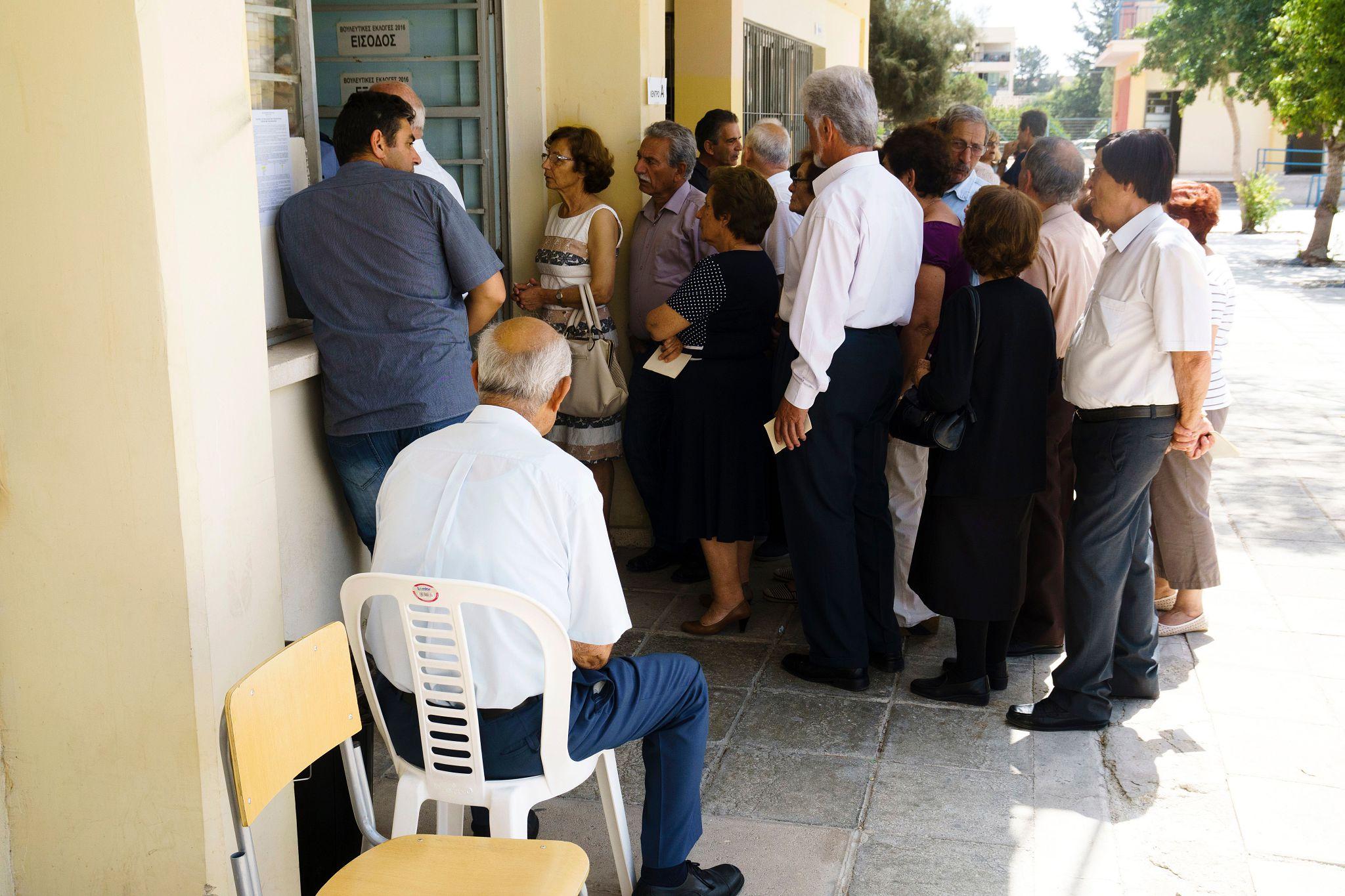
Political observers believe younger voters may play a decisive role in the Cyprus parliament election, particularly because economic and housing concerns affect younger generations most directly.
Campaigns targeting younger audiences have expanded aggressively on social media platforms, where political messaging now spreads rapidly through short videos, live discussions, and economic policy clips.
Employment opportunities, affordable housing, and long-term financial security remain among the most discussed topics for younger voters preparing to cast ballots.
Higher youth turnout could significantly influence parliamentary seat distribution once voting concludes.
European Economic Trends Shape the Election Environment
The Cyprus parliament election reflects broader political and economic patterns emerging across Europe in 2026. Rising living costs and inflation have become dominant election themes throughout several European nations.
Governments across the region continue facing pressure to manage economic instability while balancing public spending, energy costs, and long-term growth concerns.
Political analysts say Cyprus mirrors wider European frustration surrounding affordability and public trust in leadership institutions.
The outcome of the election may therefore carry significance beyond Cyprus itself as European policymakers monitor changing voter priorities.
Historical Political Cycles Continue to Influence Cyprus
Cyprus has experienced multiple economic and political transitions over recent decades, with financial crises and reform efforts repeatedly reshaping public expectations.
| Era | Major Issue | Political Impact |
|---|---|---|
| 1980s | Economic modernization | Growth-focused reforms |
| 1990s | European integration | Institutional changes |
| 2000s | Banking expansion | Financial growth |
| 2010s | Debt and financial crisis | Public spending pressure |
| 2020s | Inflation and corruption concerns | Rising voter dissatisfaction |
The current Cyprus parliament election represents another major turning point driven by economic anxiety and demands for stronger accountability.
Social Media Campaigns Expand Across Cyprus
Political parties are increasingly relying on digital platforms to reach undecided voters during the election campaign.
Platforms including Facebook and X have become central tools for distributing campaign messages and economic policy proposals.
Political advertisements focused on inflation, taxes, and corruption concerns have generated significant engagement online, particularly among younger demographics.
Digital campaigning has also intensified political competition by increasing the speed at which campaign narratives spread across the country.
Economic Stability Remains Central to Investor Confidence
Business leaders and investors are closely monitoring the Cyprus parliament election because political stability remains critical for long-term economic confidence.
Tourism, banking, shipping, and real estate continue serving as key sectors within the Cypriot economy. Investors are therefore watching closely for signals regarding future economic policy and reform efforts.
Analysts believe stable governance and transparent economic planning will remain important factors influencing international confidence in Cyprus after the election.
International Attention Grows Ahead of Election Results
International observers continue following the Cyprus parliament election because of the country’s strategic importance within the Eastern Mediterranean region.
Regional stability, European Union relations, and economic cooperation all remain connected to political developments within Cyprus.
The election is therefore attracting attention not only from domestic voters but also from international policymakers and financial analysts.
Cyprus Parliament Election Reflects Economic Frustration
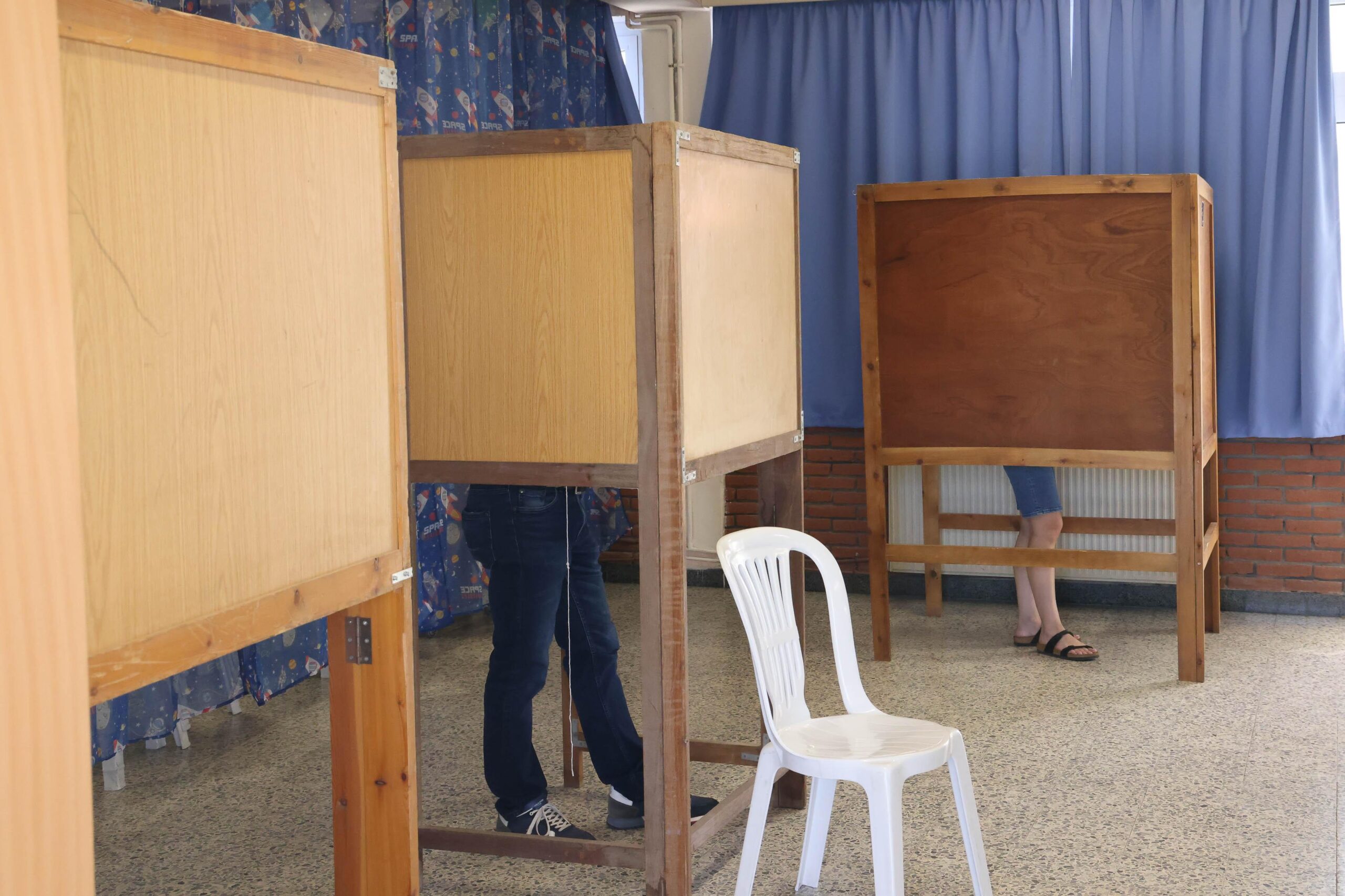
The Cyprus parliament election has evolved into a major referendum on inflation, affordability, and public trust in political leadership. Rising living costs and corruption concerns are dominating voter priorities as political parties compete to present economic solutions. The election outcome could shape Cyprus’ economic direction and political climate while reflecting broader European frustration surrounding inflation and governance in 2026.