Energy prices are set to surge this July as the energy market regulator, Ofgem, confirmed a 13 per cent increase in the energy price cap. As a result, millions of households across UK will see their bill rise by an average of £221 per year, roughly £18 per month.
This estimated jump in bills is based on a typical household using a mix of gas and electricity. Based on this calculation, an annual bill will rise from £1,641 to £1,862.
This surge in energy prices is not a result of domestic policy failure or a sudden shift in the UK’s internal infrastructure, but rather a direct consequence of volatile global markets. The primary driver behind the increase is the ongoing conflict involving the United States, Israel, and Iran.
This geopolitical instability has had a profound impact on wholesale costs, particularly following the closure of the Strait of Hormuz. As a critical artery for global trade, with approximately one-fifth of the world’s oil and gas passing through this narrow passage. The disruption there has sent shockwaves through international energy exchanges, with the price of gas in the UK jumping by 24 per cent and electricity costs rising by 5 per cent.
The timing of the announcement is particularly sensitive for the current administration. Energy Secretary Ed Miliband has characterised the news as “deeply unwelcome,” emphasising that the government is forced to manage the fallout of a war it did not choose.
The situation underscores the inherent vulnerability of the British energy system to international fossil fuel markets, with the Government keen to move the narrative toward the necessity of long-term energy security.
Miliband has reiterated the government’s commitment to clean, homegrown energy as the only sustainable method to insulate the UK from future price spikes. However, his critics have repeatedly pointed out that UK energy prices are the highest in Europe, with a significant amount of the total cost down to green levies and other charges. They also point out his continual delay in approving additional drilling in the North Sea, while relying on imported LNG from the Middle East and despite promising to lower household bills in the 2024 general election, the bills have risen.
While the headline figures are concerning, the impact will be felt differently across the population. Approximately 40 per cent of households are currently on fixed-rate tariffs and will not see an immediate change in their monthly outgoings. However, for the 22 million accounts on standard variable tariffs, they will see the jump this summer.
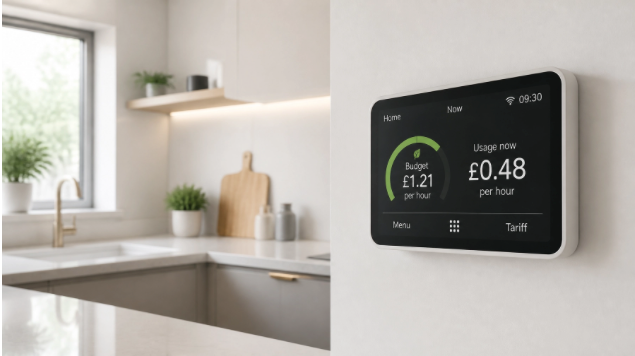
Ofgem’s Chief Executive, Tim Jarvis, noted that while energy usage typically falls during the summer, the volatility of the global market means that households must remain vigilant. He suggested that consumers look into the benefits of smart meters, which can provide real-time data to help manage consumption, and urged those on variable rates to compare fixed deals which may now offer more competitive long-term certainty. And in a dire warning, he told Sky News he could foresee “a prolonged period” of high energy prices.
For many, the concern is not just the July increase, but what it portends for the coming winter. Energy suppliers have already begun issuing warnings that if the conflict in the Middle East persists or escalates, prices could climb even higher when the mercury drops in October. Charities and consumer advocacy groups, such as Citizens Advice, have expressed deep concern for “already-stretched households.” They argue that the delay in energy debt relief schemes has left many families vulnerable, particularly those with children or disabilities who cannot easily reduce their energy consumption.
The government is currently monitoring the situation and if prices rise further will almost certainly come back with a package of targeted support for the most vulnerable. In the meantime, the official advice remains focused on efficiency and proactive management. This includes simple measures such as improving home insulation, utilising smart meter data to identify high-usage appliances, and shifting usage to off-peak hours where possible. Smart meter customers, in particular, may find opportunities to access half-price or cheaper electricity during weekends, a feature that Ofgem highlighted as a practical way to mitigate the rising costs.
Energy bills set to surge