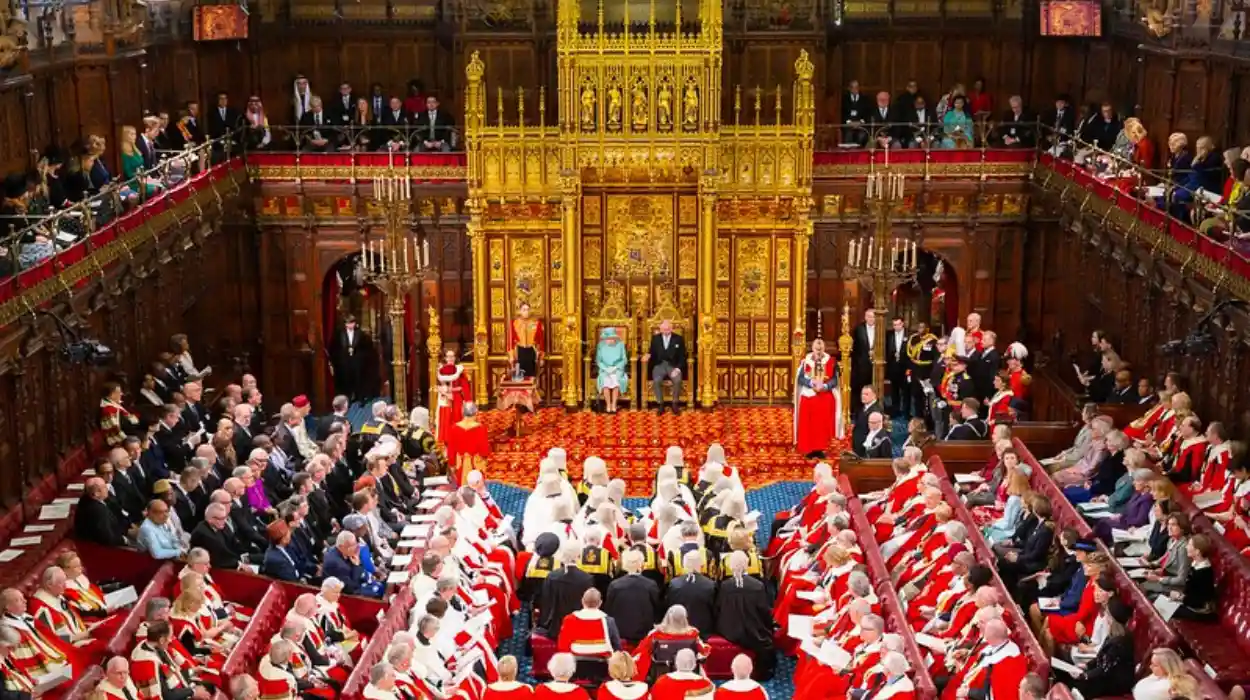
As the clock struck the hour for Prorogation yesterday, a silence fell over the House of Lords that felt heavier than the usual afternoon lull. For the final time, the red benches were occupied by the 92 hereditary peers whose families have, in some instances, sat in the upper chamber since the days of the Plantagenets.
With the passing of the House of Lords (Hereditary Peers) Act 2026, hundreds of years of constitutional tradition has been brought to a definitive end.
The scene was steeped in the sort of grand theatre that only Westminster can muster, five peers from a Royal Commission and the clerk of the Parliaments uttering the Norman French phrase “Le Roy le veult”: the King wills it: to grant Royal Assent to a set of new laws and bring the parliamentary session to a close. As they did so, they did something else, they extinguished the hereditary right to legislate, bringing to an end more than 700 years of history.
This moment marks the completion of the “unfinished business” left behind by the Blair government in 1999. Back then, the compromise negotiated between Lord Salisbury and the Labour administration allowed 92 hereditary peers to remain as a temporary measure to ensure the smooth passage of other reforms. That “temporary” arrangement lasted twenty-seven years.
Yesterday, Prime Minister Keir Starmer finally closed that chapter, fulfilling a core Labour manifesto commitment to modernise the constitution.
The debate leading up to this final day was, as expected, charged with emotion and constitutional anxiety. Lord Forsyth of Drumlean, the Lord Speaker, paid a moving tribute to the departing peers, praising their “independence of mind” and their years of dedicated, often unrecognised, public service. He noted that while the method of their arrival in the Lords was often criticised, their contribution to the scrutiny of legislation was frequently beyond reproach.
However, the mood among the departing peers was far from celebratory. Lord Strathclyde, a towering figure in the chamber and a former Leader of the House, described the day as “sad and miserable.”
In his view, the removal of the hereditary element does not make the House more democratic; it merely makes it a nominated chamber, entirely dependent on the patronage of the Prime Minister of the day.
This sentiment was echoed by Lord Salisbury, the architect of the 1999 deal, who argued that by removing the final vestige of independence from the executive, the government was effectively neutering the revising chamber without reforming it.
To mitigate the loss of experience, a “life raft” deal was brokered during the Bill’s passage. Under this arrangement, 15 Conservative hereditary peers and a handful of crossbenchers have been granted life peerages, allowing them to remain in the House. While this preserves some level of expertise, critics argue it further consolidates the Prime Minister’s power of patronage.
The transition from a House based on “the accident of birth” to one based on the “intent of Downing Street” remains a focal point for those concerned about the UK’s constitutional balance.
The political context of this move is impossible to ignore. For the Starmer government, this is a populist win that signals a break from the past. Yet, it also opens the door for more radical changes. The government has already signalled that this is merely the beginning of a broader reform package, which may include mandatory participation requirements and a strictly enforced retirement age for the remaining life peers. The goal is a smaller, more active, and more professionalised upper house, though the roadmap to a fully reformed chamber remains opaque. Also, governments have tended to shy away from fully reforming the upper chamber over a fear that it might embolden peers to challenge the Commons more frequently.
As the hereditary peers filed out of the chamber for the last time, many stopped to touch the Woolsack or glance back at the throne. For some, it was the end of a family tradition that predated the printing press; for others, it was a necessary evolution in a modern democracy.
The removal of the 92 is a significant victory for the executive, but it leaves behind a fundamental question: what is the House of Lords for? Without the hereditary peers, the chamber is now almost entirely composed of life peers appointed by successive Prime Ministers. While the “velvet glove” of the monarchy continues to wow on the international stage, as seen during the King’s recent diplomatic triumph in Washington, the domestic landscape of the British constitution has been irrevocably altered.