

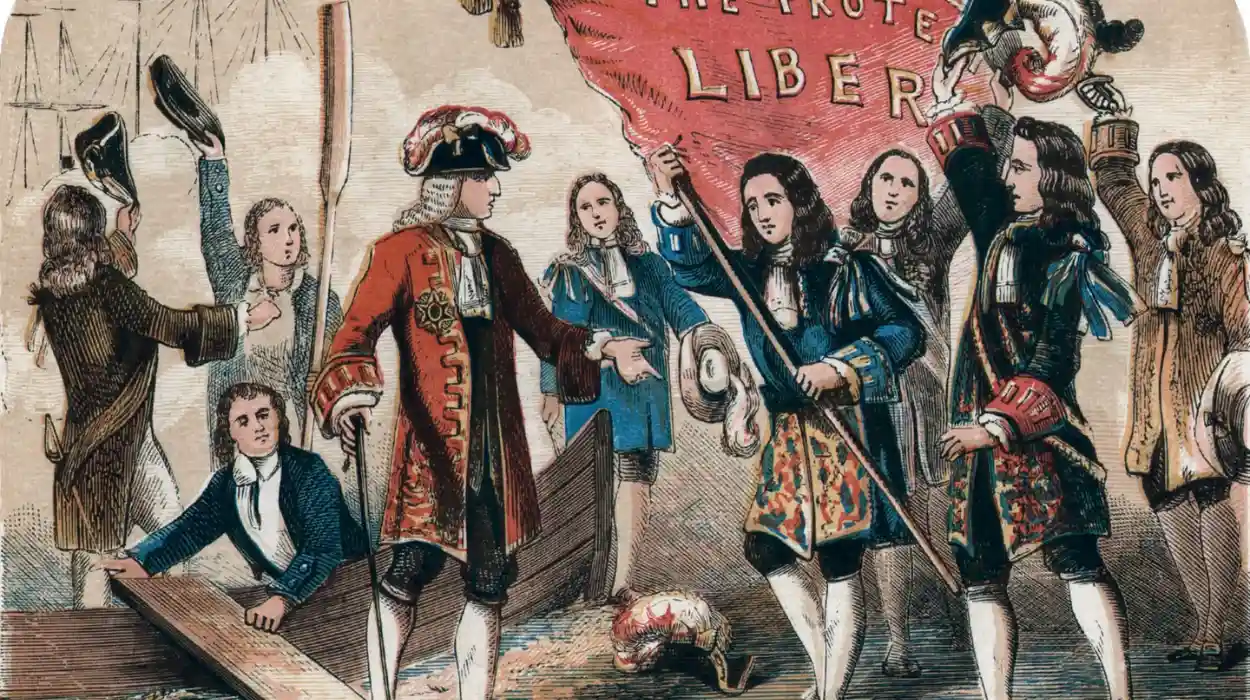
The Glorious Revolution in England is one of the most significant events in British history. It was not simply a change of rulers but rather a changing of political power from the monarchy to Parliament, ultimately transforming the future of England and affecting modern democracy.
Most people recall it as a revolution with very little violence, which sets it apart from other European revolutions. If we want to be thorough, then we should consider: what was the Glorious Revolution in England, and what is the legacy?
What was the Glorious Revolution in England?
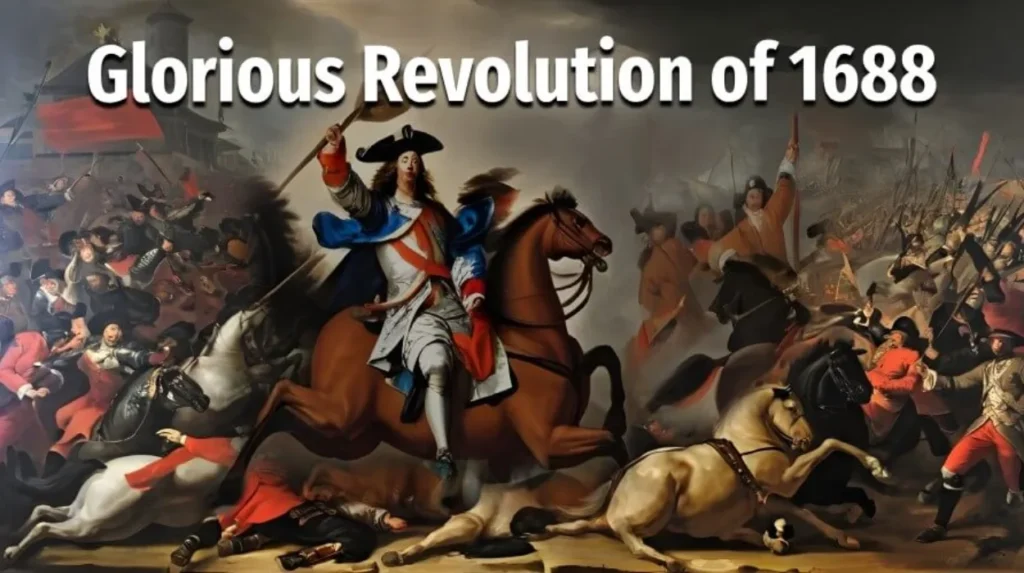
The Glorious Revolution in England occurred in 1688. This event was immediately significant due to the resulting removal of King James II from the throne of England, which ended his reign and resulted in the subsequent invitation to William of Orange and his wife, Mary, to take the throne as king and queen of England.
The word ‘glorious’ was used in part to call attention to the peaceful, swift, and successful journey to protect English rights and privileges.
The ultimate aim of the revolution was to cease the growing worry that James II (who had recently converted back to Catholicism) wanted to change England back to a Catholic nation.
At the time, religion and politics were deeply connected, and the desire was to stop this progression and also to maintain the importance of Protestant traditions and solidify the power of the Parliament over the monarchy.
Why Is It Called “Glorious”?
It is called “glorious” because it made a huge transformation with little civil war. The rights of Parliament were established, religious liberties were granted, and the monarchy was restricted. It was, to many at the time, a huge victory for both liberty and stability.
The Importance of the Glorious Revolution
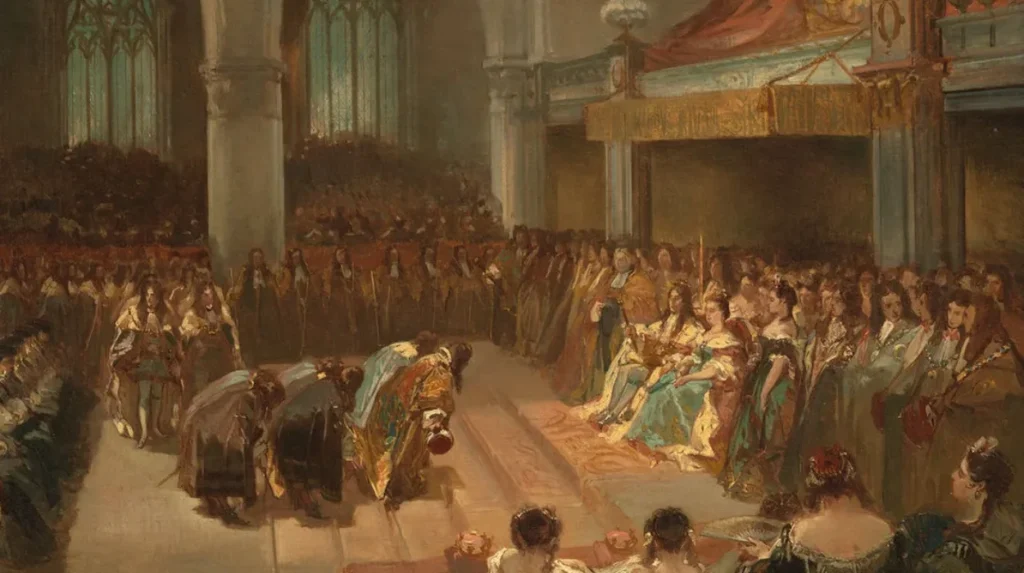
The Glorious Revolution in England is relevant today. It established rules for how governments and monarchies work together. As part of British political life, the notion that leaders are accountable to the people is still very relevant. Schools, historians, and political thinkers continue to view it as a turning point in the history of freedom.
Legacy of the Glorious Revolution in England
Foundation of Modern Democracy
The Glorious Revolution in England created a foundation for modern democratic systems. It introduced the fundamental concept that no ruler could lead without the people’s support, represented through Parliament. This concept became the basis of all constitutional governments and influenced Britain’s political future.
Development of Constitutional Monarchy
One of the most significant legacies was the establishment of a constitutional monarchy; from now on, kings and queens needed to share power with Parliament. This balance of power restrained royal authority and allowed for the protection of citizens under the law.
Influence on America and Europe
The principles of the revolution did not stay in England. Thinkers across Europe borrowed the ideas, and the American Revolution, which followed, emphasized the same ideas of liberty, law, and rights for individual citizens.
The emphasis placed on separation of powers has extended across the globe and set a precedent for politics.
Strengthening of Protestantism
Another one of the important legacies was confirmation of Protestantism as England’s official religion. The requirement that monarchs be Protestants meant that they would follow the same tradition in the future, changing the country’s religious and cultural identity for generations.
A Peaceful Example of Change
The Glorious Revolution in England was different from most violent uprisings in history, which is why we chose to use it as a case study. The Glorious Revolution demonstrated that power can shift through voluntary support, negotiations, and lawful change. .
The revolution served as a model, demonstrating that change can happen through peaceful processes rather than civil unrest.
Inspiration of Political Thought
The Glorious Revolution inspired debates and discussions about liberty, politics, and the rights of individuals. For example, the philosopher John Locke aligned his political ideas with the events of 1688. His views on liberty and natural rights had a direct impact on the drafts of many future constitutions and democratization efforts in general.
Enduring Legacy
The Glorious Revolution made an important contribution to the ideas about the principles of democracy and continues to resonate today. There was a revolution of political thought where the role of the people was established with the principle that no person in power can act without the consent of the people.
The ideas spread across Europe and became a set of ideas many years later during the American Revolution. The event became an illustrious stamp of peaceful political change, showing that power could be shifted respectfully without violence.
Key Outcomes of the Glorious Revolution in England
The single most important outcome from the time period was the emergence of the Bill of Rights of 1689. The law curbed the power of the monarch and leaned into the legislative powers of Parliament, who had the power from the people to represent them to the monarch.
It enshrined the principle that the king or queen should not be able to wield powers without the consent of Parliament.
The Glorious Revolution in England also established Protestantism as the principal religion. Future monarchs would have to be Protestant, which established the path of religion in England for many years to come.
Finally, the most important part of the revolution is that it ended absolute monarchy in England. The monarchy will never be absolute again. The king or queen would remain as the Tower of the State but would be subject to limitations imposed by Parliament and the law.
The Glorious Revolution in England was more than a change of kings. It was a change in the balance of power between the monarchy, Parliament, and the people. It secured Protestantism, reinforced the laws, and paved the way for constitutional monarchy.
The legacy it left and the continued principles of democracy and freedom are apparent across the globe today.
When we understand the Glorious Revolution in England, we can see how one event influenced the political landscape of Britain and inspired modern governments. It was a “glorious” moment in history with a legacy of liberty and constitutional order.
