

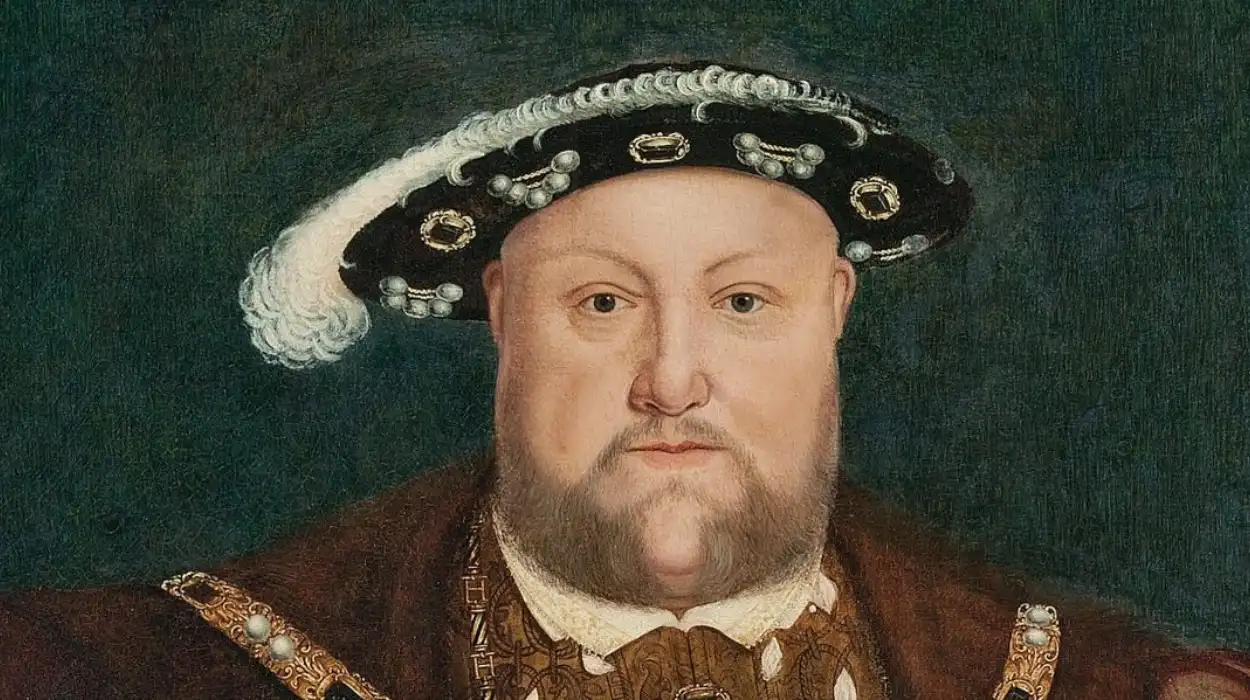
The English Reformation was one of the most pivotal moments in the history of England. Beginning in the 16th century, it fundamentally changed religion, transformed the monarchy’s power, and changed the everyday lives of ordinary people. The Reformation was primarily motivated by theological disputes in other parts of Europe.
In England, it was also influenced by politics and self-interests, particularly during the reign of Henry VIII. Understanding the impact of the English Reformation on England gives one perspective on how faith, governance, and the lives of everyday people evolved together, leaving a legacy that still has resonance today.
The Religious Impacts of the English Reformation
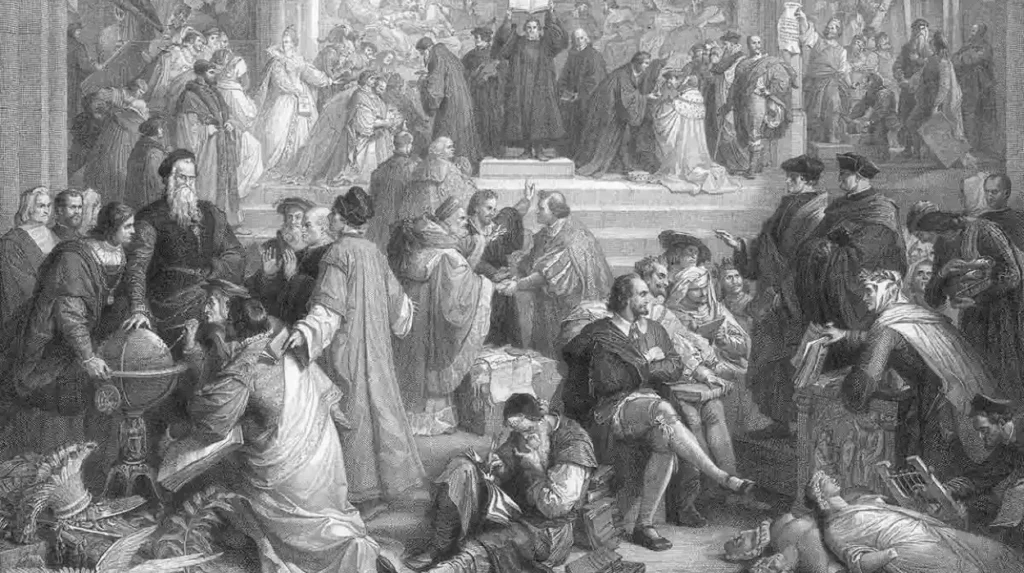
The major religious impacts of the english reformation are given below:
1. Separation from Rome
One of the most profound impacts of the English Reformation was the break between the Pope, the Roman Catholic Church, and Rome. With the Act of Supremacy of 1534, Henry VIII declared himself the Supreme Head of the Church of England, establishing an independent national church, breaking with centuries of papal authority.
2. The Creation of the Church of England
This was the creation of the Church of England, or the Anglican Church, which adopted some of the Catholic practices with new Protestant principles.
Services in church were now conducted in English rather than Latin and were made more accessible to regular people. The English translation of the Bible enhanced this process, allowing people to interpret the scriptures independently of priests.
3. Dissolution of Catholic Institutions
Monasteries, which had once been central to religious and community bases, were closed. The Crown confiscated properties and wealth of the Catholic Church and redistributed property, greatly diminishing the influence of Catholic clergy. And this caused significant disruption, as monasteries provided education, charity, and healthcare.
4. The Strain of Religious Division
The Reformation allowed for independence but also fostered division. England became an environment where people viewed one another through Catholic and Protestant lenses. Later monarchs (Mary I and Elizabeth I) would see sharp religious swings, which inevitably led to persecution, unrest, and the hanging and burning of people who disagreed with the prevailing religious orientation.
The Political Impacts of the English Reformation
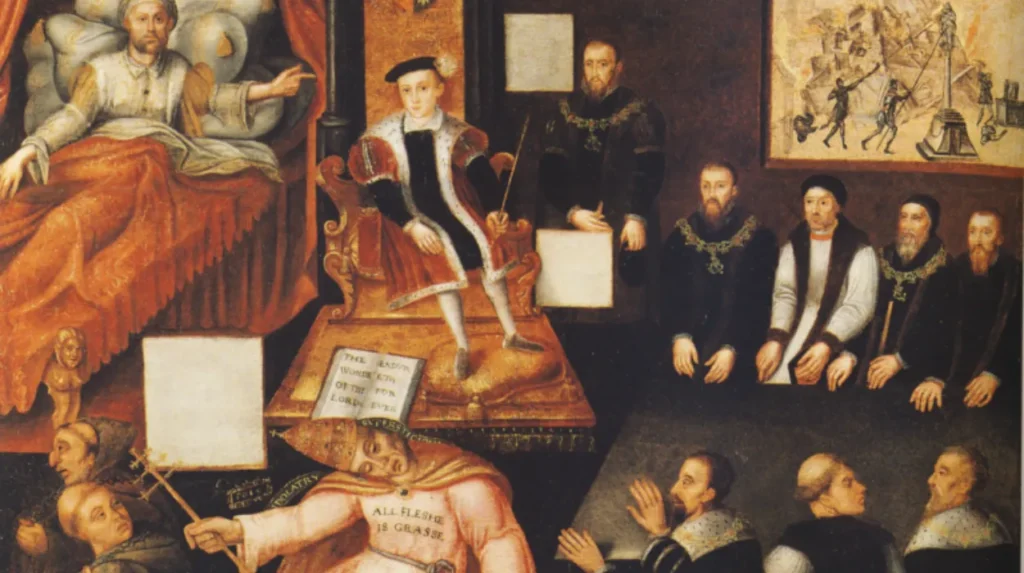
Important political impacts of the English Reformation are
1. Strengthened Monarchy
The break with Rome strengthened the monarchy in an overwhelming way. By implementing authority over the church, Henry VIII and his successors turned religious power into an institutional form of governance. A king or queen became effectively the head of both the nation and the church, both of which had become equally sovereign in influence.
2. Redistribution of Wealth and Land
Monasteries dissolved, transforming the power and economic position of the Crown and nobility. Lands stripped from the Church were given to loyal followers of the Crown, solidifying their political relationships. This allowed the monarchy to become more powerful and produced a new group of landowners who became loyal clients to the monarchy.
3. Decline of Papal Influence
The Pope had once enjoyed extensive influence over England and its internal matters, from marriage and family disputes to matters of governance. The Reformation curtailed papal authority in a way that enabled rulers of England to pursue their own policies free from external influence and, in some cases, pressure from Rome, making it an enduring element of England’s identity as an independent nation-state, or what some sources may refer to as a sovereign state.
4. Seeds of Constitutional Change
The Reformation had an immediate impact of realigning the Crown, Church, and people; it also sowed the seeds of constitutional change. For instance, the establishment of a parliament had triggered questions of the Crown and its powers relative to Parliament and the people.
The Reformation produced the idea that religion and governance could potentially be determined by national institutions rather than external bodies, paving the way for democratic or constitutional developments.
The Social and Daily Life Effects of the English Reformation
it includes:
1. Changes in Worship
A substantial and fairly uniform change to daily religious habits. Parish services delivered in English, hymns, or prayers were more intelligible, and the introduction of the English Bible gave ordinary men and women a greater capacity to engage with the Book directly.
2. Impact on Education and Charity
The end of monasteries eliminated many traditional forms of charity, schooling, and health care. Many communities lacked alternate forms of support. The eliminated sources of support fostered new schools and charitable organizations, independent of the church and under the authority of the Crown or wealthy individuals.
3. Changing Dynamics of Family and Community Life
The changes in morals changed marriage, family relationships, and local customs. For example, the Protestant emphasis on personal faith stressed individual responsibility for modifying how families practiced their faith at home. Traditional community celebrations diminished as organized public festivals, based on days of Catholic saints, changed the rhythm of social life.
4. Arrests and Imprisonments
Life was also uncertain for those who did not fall in line with the religious changes. Catholics were fined, incarcerated, and executed for failing to attend Anglican services. Likewise, during the reign of Mary I, Protestants were persecuted when efforts were made to revert to Catholicism. Families and ordinary people endured the constant changes of loyalties based on the reigning monarch.
Long-Term Impact of the English Reformation
1. Emergence of a Protestant Identity
With respect to religion, the Reformation generated a form of uniquely ‘English Protestantism’ that had a dominant effect on the culture, politics, and even foreign policy of England. This English Protestant identity did not only differentiate England from Catholic Europe; it also embedded the concept of ‘English identity,’ which ultimately served as a basis for England’s assumed future role in imperialistic affairs.
2. Influencing Literature and Thought
The emphasis put on individual faith and direct access to scripture encouraged critical thinking and, consequently, literacy. Doillon appreciates that the access to the English Bible not only shaped one’s religious understanding for the entire Renaissance period, it would also leave a legacy on literature. For example, Shakespeare and subsequent political thinkers were shaped by the existence of literature in their vernacular.
3. The Roots of Religious Tolerance
The Reformation began with bloodshed and persecution; it later prepared the West for a degree of religious tolerance.
The struggles of the different Protestant denominations made it increasingly difficult to claim the superiority of one particular faith denomination, pointing to the dangers of dogmatism and conformity, while maintaining a shared identity that prepared tolerant acceptance in later centuries.
4. The Impact on the British Empire
When England became a global player and expanded its global influence, it brought its distinct Protestant identity into its colonies and trade networks. Church structures and organizational and governance systems quickly established in colonies influenced not only the religious identity of colonies but also how England presented itself on the world stage, distinguishing it from other Catholic empires such as Spain and France.
