

The First World War, fought between 1914 and 1918, permanently altered the political, social, and economic landscape of countries around the world. For British economic institutions and processes, the war’s economic impact was particularly deep in these dimensions and also involved changing industries, international trade, and government intervention in financial matters.
Understanding WW1’s economic impact is essential for understanding how Britain transitioned from a pre-war state of prosperity to the struggles of the immediate post-war period and economic reform.
The Economic Position of Britain Before the War
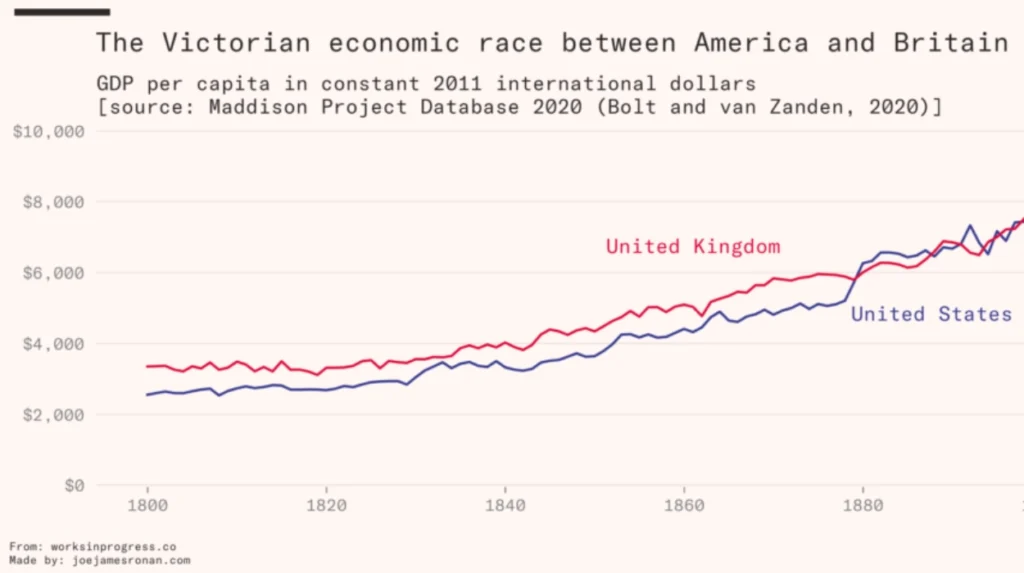
Before 1914, Britain was the world’s dominant economic power. It dominated international trade, had substantial colonies throughout the world, and had a robust financial system in London. British banks and investors funded projects throughout the developed world, and with very strong financial backing, the pound sterling was the most influential international currency.
Britain had a great deal of pride in its economic position, and when war was declared, the country went to war with a great sense of economic confidence. The totality of the war demands global conflict quickly tested its economic strength.
Massive War Expenditure and Rising Debt
The First World War was one of the most expensive wars in recorded history. Britain spent almost £9 billion in outlays during the war, outlays that were far beyond its national income before the war started. When the war started, Britain was faced with the task of financing the military, and it had to rely on raising taxes, borrowing heavy amounts of money, and converting foreign investments.
To pay for expenditure, Britain borrowed heavily, mostly from the United States. As a result, by 1918 Britain’s national debt had increased more than tenfold. The interest repayments produced a burden well into the interwar years, one of the largest impacts of WW1 upon the British economy.
Impact on Industry and Production
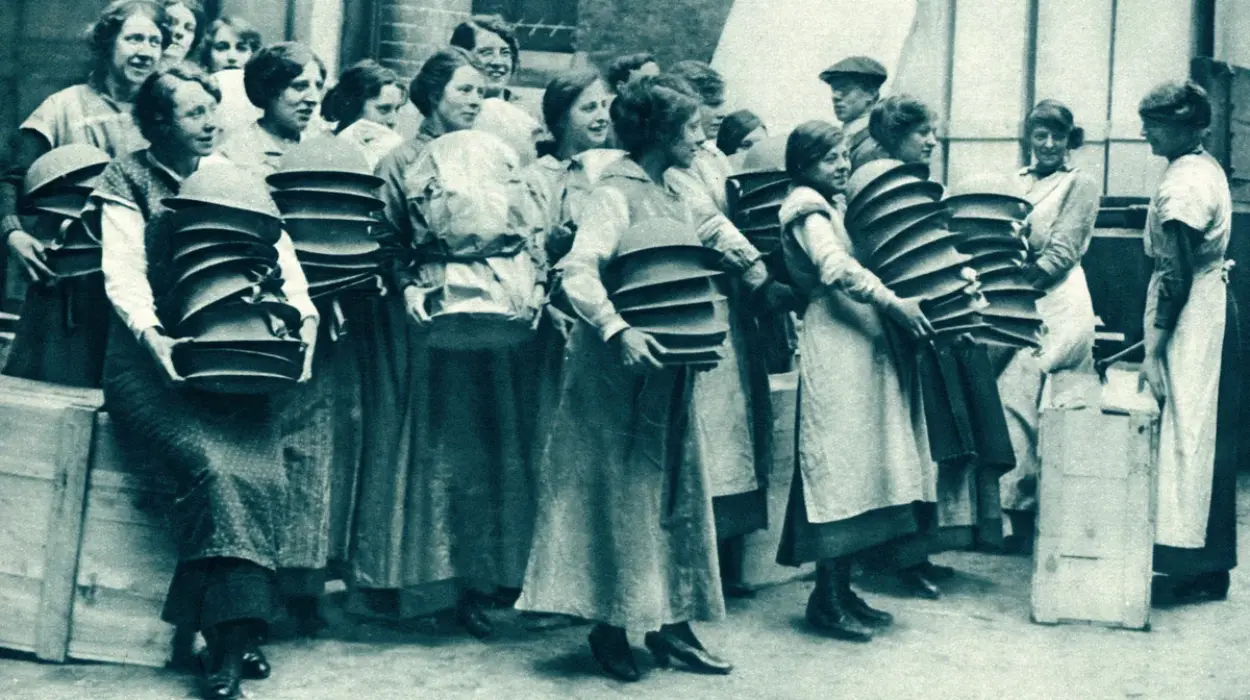
The war created a significant expansion in industries such as steel, coal, and munitions. Factories were repurposed to meet military production demands and staffed by millions of workers, including women, for arms production.
War industries were flourishing; civil goods production declined. Shortages soon affected daily life; rationing was in place by 1917. Following the war, industries were not equipped to revert to peacetime production easily, unemployment was significant, and inefficiencies abounded.
Agriculture and Food Supply
Britain was highly reliant on imported food before the war. When German U-boats began targeting supply ships, Britain’s supply of food was about to be severely curtailed. Domestic agriculture could not keep up with demand, leading to inflation in prices and rationing;
The government intervened in direct control of food and supply, controlling supply and pricing. This would establish the precedent for the state playing a bigger role in the economy, one of the most important effects of WW1 on the British economy that would influence and establish future interventions.
Trade and International Position
Britain had been the world’s leading trading nation before the war. However, the war disrupted shipping routes, significantly reduced exports, and forced Britain to sell assets abroad. By 1918, America had overtaken Britain as the leading economic power in the world.
To finance their war effort, Britain dropped the gold standard, leading to a weaker pound and diminished trust in Britain’s currency internationally. This moment when London could no longer claim exclusive status as the most important financial center in the world.
Inflation and Cost of Living
Inflation emerged after the government printed money and when the shortages of supplies became apparent. Some food prices more than doubled. This put a huge strain on working-class families, causing strikes and unrest.
The end of the war did not bring immediate relief, as the cost of living remained high and unemployment increased. Prices and inflation continued to erode savings. For the ordinary person, this instability was one of the most tangible effects of WW1 on the British economy.
Social and Labor Market Changes
The war created opportunities for women to work in the factories and in offices. Many women lost their jobs when the war ended and there were many more men returning from military service; their involvement in the economy during the war changed perceptions about society’s views on gender roles and influenced economic policies through the post-war era.
As unemployment and inflation began to rise, labor unions became more aggressive. Strikes in coal, steel, and transportation struck at the heart of government authority and illustrated the problems that existed in the post-war economy.
Long-Term Financial Cost
Britain thought it could restore its financial position through reparation payments from Germany; however, these were limited. In reality, Britain was still carrying substantial debts in loans (above all to the United States), repayment of which limited domestic expenditure and hampered economic recovery.
The financial impacts of the First World War had a definite hand in Britain’s weakened position during the global Great Depression in the 1930s; the war had reduced trade, diminished competition, and left the economy heavily indebted.
Affect of WW1 on Britain’s global position
The First World War marked the beginning of Britain’s global decline. The United States and Japan were growing in prosperity. Britain’s trade began to decline as its influence declined. The empire still provided resources and markets, but the locus of financial power was shifting westward.
The loss of global dominance was an important effect of WW1 upon Britain’s economy, forcing the country to adjust to a world in which it was no longer without competition in commerce and finance.
Shaping a New Financial Era
Britain’s economy did not just face temporary disruption due to World War 1, but more significantly, a radical change. The war signified the end of Britain’s pre-war economy, which was premised on global economic and financial supremacy. This was replaced with an economy in large amounts of debt, fundamentally reliant on government intervention and facing prominent challenges from new international competitors.
The sacrifices of war also allowed for advancement. Social advancement, labor relations, and the importance of women’s contributions were beginning to shape society in Britain. Additionally, all the post-war economic hardships contributed to the evolution of modern economic policies and new welfare arrangements.
The First World War shaped a new financial age for Britain, moving to a new economic model that created a shift from full imperial economic domination to a more equal model with state intervention that characterized the twentieth century.
