World War Two was a unique experience of struggle and courage. But the story of WWII’s influences on Britain involves more than soldiers, battles, and air raids. It is a story of how a country was changed. The war changed much more than maps; it changed the thinking of an entire nation. Subject categories were torn apart, the economy was restructured, and the role of government in the lives of people was forever altered.
Civilian life would be different after the war. The aftereffects from the war have left Britain with a different healthcare system, a different population, a different national identity, and changing definitions of what it means to be British.
This article will explore Britain’s remarkable journey. Both the short-term struggles and significant social changes result from the ashes of conflict.
The Immediate Aftermath: A Nation Exhausted and Bankrupt
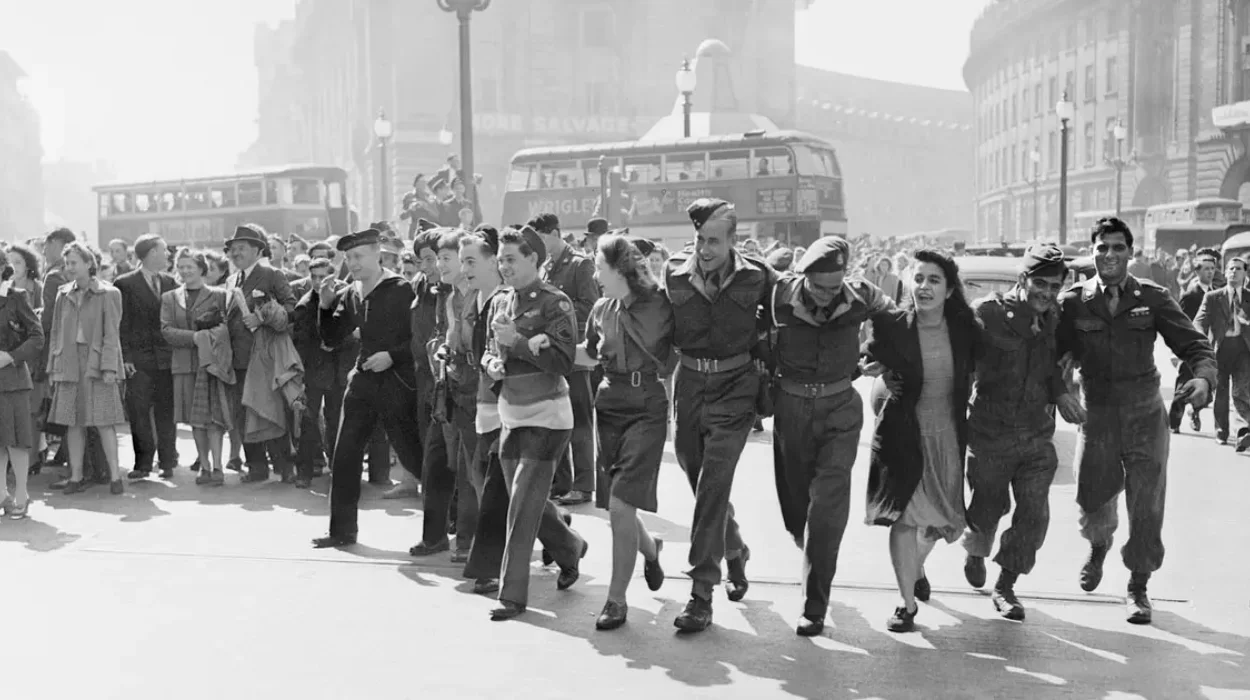
When the war in Europe ended in May 1945, celebrations occurred everywhere. But joy turned to enormous problems for a nation. The total war for six years was incredibly expensive; the financial and physical cost of the war was staggering.
An Enormous Economic Cost
Britain was nearly bankrupt. Almost all of Britain’s wealth was spent on fighting the war. It had also sold off many of its foreign investments and borrowed huge sums of money from other countries, especially the United States. Which would take decades for Britain to pay back. The war industries had created tanks and planes and engaged in the war effort.
To transition from wartime to peacetime goods would be slow and difficult. There were shortages of vital items like coal which was limited in the BBC group, with exports only a fraction of what they had been.
The Physical Landscape: A Broken Country
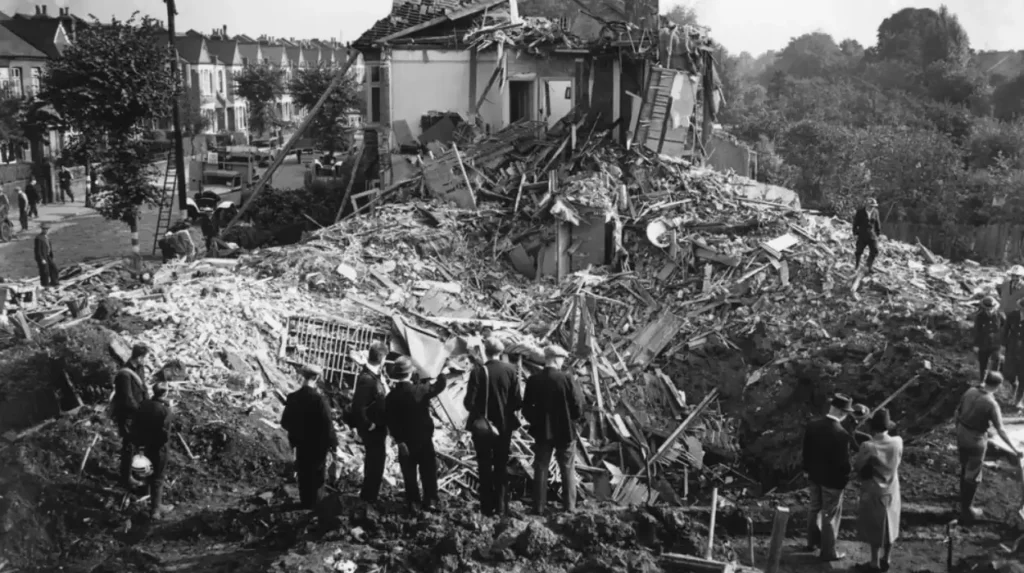
The Blitz and other bombing missions over Britain left cities in ruins. Millions of homes were damaged or completely demolished. Cities like London, Hull, Plymouth, and Coventry had places where bombing had occurred.
Damaged infrastructure such as railways, major roads, and ports was also in a state of repair. Rebuilding Britain would be a huge task taking years, and the government had very little funds available to repair Britain. For many families, life after the war meant still living in the damaged former homes or temporary homes in prefabricated buildings.
The Social Revolution: “We Are All In This Together”
The most profound impact of WWII was on society in Britain. The conflict eliminated social class divides more successfully than ever before.
The Blitz Spirit: A Myth, a Reality
The phrase ‘Blitz Spirit’ suggests a collective effort, regardless of class or wealth, to help one’s neighbor. This concept was romanticized, but there was a thread of truth running through it.
When bombs fell, they did not care if you were rich or poor; we all had to take refuge in the same air raid shelters. The shared experience of danger and shared loss created a strong sense of community and equality for poor and rich.
Into that grand communal imaginarium grew the thought that if we could get through this together and win the war together, we could work together to build a better, fairer country for all.
The War of New Roles for Women
The lives and roles of women were transformed by the war. With millions of men dead, women were called upon to deliver on the home front and make the war go.
Women worked in factories, they drove buses and ambulances, and they joined new branches of the military. They demonstrated that they were capable of performing jobs that were previously for men.
Many people were initially predicted to return to their traditional positions following the war; in reality, the experience had altered their expectations. It gave women a new sense of confidence and exposure to independence, which would later inspire movements demanding equal rights.
The Birth of the Welfare State: Rewriting the Social Contract
The collective loss and suffering of the war created a powerful demand for social change. There was a feeling of a national debt. Those who died for their country deserved something better. This came to be one of the biggest changes in British history: the development of the welfare state.
The Beveridge Report
In 1942 a government report by William Beveridge became a surprise bestseller. The report identified “Five Giant Evils” of British society: Want (poverty), Disease, Ignorance (education), Squalor (housing), and Idleness (unemployment).
The Beveridge Report proposed a radical new system in which everybody would contribute to a national insurance scheme that the state would protect citizens “from cradle to grave.” This idea resonated with the public imagination perfectly. It promised a future without the poverty and degradation normal in the 1930s.
The 1945 Election and the NHS
Winston Churchill, the legendary war leader, lost the general election of July 1945. In his place, the public voted for Clement Attlee’s Labour Party. Why? Because Labour committed to introducing the Beveridge Plan.
The new government put in place a huge reform program. The most well-known and widely loved outcome was the National Health Service (NHS), which started in 1948. For the first time, healthcare was provided to all, free at the point of use and funded by taxes. This incredible idea changed the lives of millions.
Alongside the NHS, the government:
- Introduced national insurance for the unemployed, sick, and retired.
- Extended education and did away with fees.
- Took action to build significant numbers of new homes and new towns to replace those lost in the blitz.
This was borne out of the war, and the feeling of shared sacrifice meant the collective idea of state responsibility and care for all of its citizens was seen as a serious part of progressives’ reforms.
Long-Term Economic and Political Changes
The war changed many aspects of Britain’s place in the world and its economy.
The Collapse of an Empire
The war seriously undermined the British Empire. Its cost was too high for Britain to defend the ideas of freedom and self-determination that Britain had fought for and led colonies in every part of the world to want independence. In the next decades, the empire was generally dismantled, turning Britain into a medium-sized European power.
The Emergence of the “Mixed Economy”
The war demonstrated that the government could effectively run the economy through its control over industry, direction of labor, and planning of production. Following the war, the government nationalized (publicly owned) key industries (coal, steel, rail, and energy). The rationale was essential services that are provided in the public interest and not for private profit. This created a “mixed economy,” combining state-owned and privately owned businesses.
A Legacy That Shapes Modern Britain
The WWII legacy is impossible to overstate. It acted as a change agent that we would find difficult to imagine today, and there was a genuine catalyst for change. The war was a painful experience; it cleared the way for a new type of Britain.
It broke down old class boundaries and created equitability. Women’s roles were changed forever. Most importantly, a new contract between government and people was forged because of the shared experience of sacrifice: a welfare state.
The NHS, the social security system, and the idea that it is the government’s responsibility to protect its most vulnerable citizens all stem from World War Two; all of these institutions came from a simple idea born above the bomb shelters and battlefields: after so much suffering, everyone deserved a shot at a decent life.
When we look at modern Britain with all its complexities, we will still see the long shadow of the war. It was a time of great pain but also of extraordinary development, and its story continues to shape the nation.