

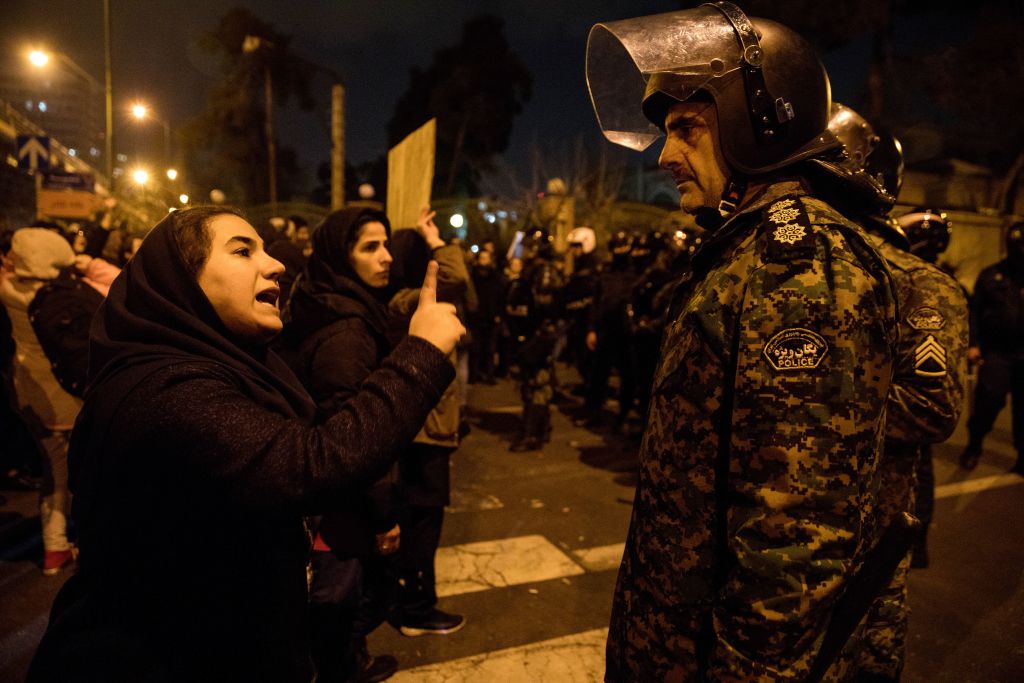
Iran January 2026 – parliament news Highlights that Iran security response has become a defining feature of the country’s political and social landscape as authorities confront renewed unrest economic pressure and rising public scrutiny. Across major cities security deployments policing strategies and intelligence operations have intensified as the state seeks to maintain order and prevent escalation. Officials describe these measures as essential for preserving national stability while critics argue that enforcement alone cannot resolve deeper grievances. This tension now shapes the broader national conversation about governance legitimacy and social cohesion.
Iran’s internal security approach is unfolding at a time of economic difficulty regional volatility and persistent political polarization. As a result the current moment is not merely another episode of unrest but part of a longer trajectory in which security policy intersects with public expectations and institutional credibility.
Parliamentary debate and institutional oversight
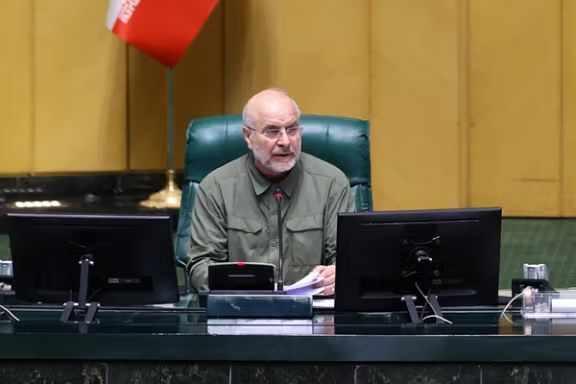
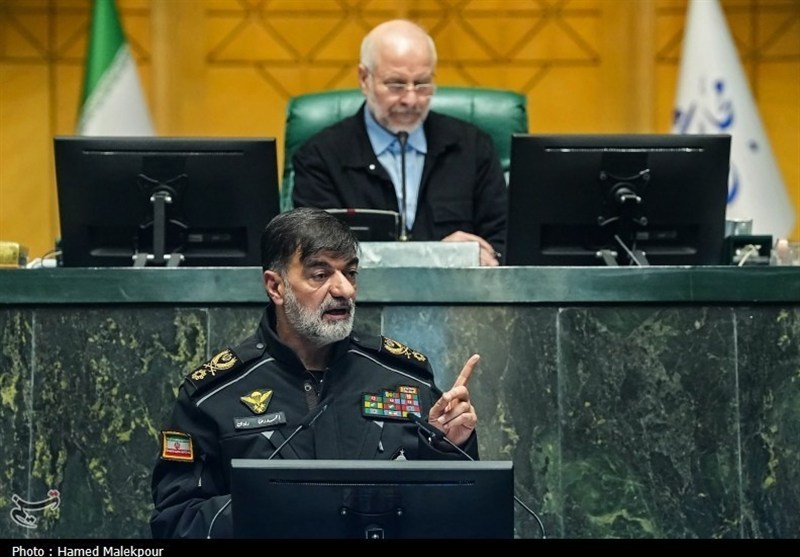
Parliamentary institutions have emerged as a central arena for debate over internal security. Lawmakers have convened extended sessions to review policing authority intelligence coordination and the legal foundations underpinning recent actions. Committees have requested briefings from senior officials to clarify operational decisions and assess compliance with existing law.
Supporters within parliament argue that Iran security response reflects constitutional responsibilities to protect citizens and safeguard sovereignty. They emphasize that the state must act decisively when public order is threatened. Critics counter that security measures must remain subject to oversight to prevent abuse and erosion of civil protections. These exchanges reveal divisions not only over tactics but also over the broader role of parliament in supervising security institutions.
Policing strategy and crowd management
Police forces have played a visible role in managing demonstrations and unrest. Rapid deployment of units roadblocks and crowd control techniques have been used to contain gatherings and prevent clashes from spreading. Authorities insist that these measures are calibrated to distinguish between peaceful protest and violent activity.
According to official briefings Iran security response prioritizes deterrence and containment rather than indiscriminate force. However footage shared online has fueled debate over whether practice matches policy. For many citizens policing has become the most tangible expression of state authority during periods of unrest shaping perceptions of legitimacy and fairness.
Intelligence operations and preventive measures
Beyond street level policing intelligence agencies have expanded monitoring and analysis of protest networks. Officials claim that early detection of organized threats allows for preventive intervention reducing the likelihood of widespread violence.
Security officials describe Iran security response as an integrated system combining intelligence collection risk assessment and targeted operations. They argue that this approach minimizes broader disruption while addressing specific threats. Independent verification remains limited yet intelligence narratives form a core justification for the scale of current measures.
Legal foundations and emergency authority
Iran’s legal framework grants security agencies broad powers during periods deemed threatening to public order. Prosecutors have referenced national security statutes in cases arising from recent unrest. Government representatives maintain that actions are conducted within the law and subject to judicial review.
Legal scholars remain divided. Some argue that Iran security response operates under clearly defined authority necessary for stability. Others warn that repeated reliance on emergency provisions risks normalizing exceptional measures. This debate underscores long standing concerns about balancing security and rights within Iran’s legal system.
Media environment and information control
Control of information has become an integral part of internal security strategy. State media have emphasized official explanations while access to independent reporting has faced constraints. Internet slowdowns and content moderation have limited dissemination of protest related material.
Authorities frame these steps as part of Iran security response intended to prevent misinformation and panic. Journalists and civil society voices counter that restricted information undermines trust and amplifies speculation. The media environment thus remains a contested space where narratives compete for legitimacy.
Public sentiment and social divisions
Public reaction to security measures varies widely. Some citizens express support citing fears of instability and regional conflict. Others view enforcement as evidence of unaddressed economic and political grievances.
For many Iranians Iran security response has become symbolic of broader state priorities. Perceptions are shaped by personal experience social position and access to information. These divisions complicate efforts to build consensus around national stability.
Economic pressures and security costs
Sustained security operations impose economic costs. Disruptions to commerce transportation and investor confidence add strain to an already challenged economy. Small businesses often bear the brunt of prolonged restrictions while households face uncertainty.
Economists argue that Iran security response cannot substitute for economic reform. Without addressing inflation employment and living standards security measures risk becoming recurrent rather than temporary. Economic conditions therefore remain inseparable from internal stability.
Regional comparisons and strategic context
Iran’s internal security approach is closely observed across the Middle East where governments confront similar challenges. Comparisons are frequently drawn with responses in neighboring states although Iran’s political system and social dynamics are distinct.
Analysts note that Iran security response reflects a regional tendency toward centralized authority during unrest. However Iran’s history of protest and ideological governance adds unique complexity. Regional context influences both domestic decision making and international perception.
International scrutiny and diplomatic implications
Foreign governments and international organizations have issued cautious statements emphasizing restraint and respect for rights while acknowledging Iran’s security concerns. Diplomatic engagement continues amid broader disputes over sanctions and regional policy.
From an external perspective Iran security response affects Iran’s international standing. How internal unrest is managed shapes diplomatic relationships and influences negotiations on unrelated issues. Internal stability and foreign policy are thus increasingly interconnected.
Civil society and trust in institutions
Civil society organizations though constrained continue to advocate for accountability and transparency. Families of those affected by unrest seek clarity regarding investigations and outcomes.
Trust in institutions remains fragile. When Iran security response is perceived as opaque or inconsistent it risks deepening skepticism. Conversely credible communication and fair process could contribute to rebuilding confidence even amid enforcement.
Youth perspectives and generational change
Iran’s young population plays a significant role in shaping protest dynamics and public discourse. Younger generations often express frustration with economic prospects and social restrictions while engaging actively through digital platforms.
Their perception of Iran security response will influence long term stability. Engagement or alienation among youth populations has implications that extend far beyond immediate unrest shaping future political participation and social cohesion.
Security institutions and internal coordination
Coordination among police intelligence and judicial bodies has intensified. Officials emphasize streamlined communication and unified command structures to improve response effectiveness.
Supporters argue that Iran security response benefits from institutional coherence. Critics question whether consolidation reduces checks and balances. The structure of security governance remains a central issue in assessing long term implications.

Digital surveillance and technology use
Technology has become integral to security operations. Surveillance systems data analysis and online monitoring play increasing roles in identifying and responding to unrest.
While officials cite efficiency and prevention concerns persist regarding privacy and oversight. The technological dimension of Iran security response raises questions about regulation transparency and future boundaries.
Political legitimacy and narrative framing
At its core the debate over security reflects competing narratives about legitimacy. Authorities emphasize protection sovereignty and order. Critics highlight accountability reform and participation.
How Iran security response is framed domestically influences acceptance or resistance. Narrative control therefore remains a strategic priority shaping both policy and perception.
Long term governance challenges
Repeated cycles of protest and enforcement point to unresolved governance challenges. Structural economic issues political representation and social mobility remain sources of tension.
Without addressing these factors Iran security response risks becoming a recurring mechanism rather than a bridge to stability. Long term governance reform may determine whether enforcement decreases or intensifies over time.
Prospects for dialogue and reform
Some political figures have called for dialogue alongside enforcement. Proposals include economic relief measures administrative reform and expanded channels for expression.
As one political analyst observed,
“Security can suppress unrest temporarily but legitimacy determines whether calm lasts.”
This perspective highlights the limits of Iran security response when detached from reform.
Strategic outlook for the coming years
Looking ahead Iran faces a complex path. Security institutions are likely to remain prominent yet pressure for economic and political adjustment persists.
The future trajectory of Iran security response will depend on leadership choices institutional adaptability and public engagement. Whether the current phase leads to stabilization or further cycles of unrest remains uncertain.
A defining test for state authority
The present moment represents a defining test of how Iran governs dissent and maintains order. Decisions taken now will shape public expectations and institutional norms for years to come.
Ultimately Iran security response is not only about immediate control but about the social contract between state and society. How that contract evolves will determine Iran’s stability trajectory well beyond the current period.