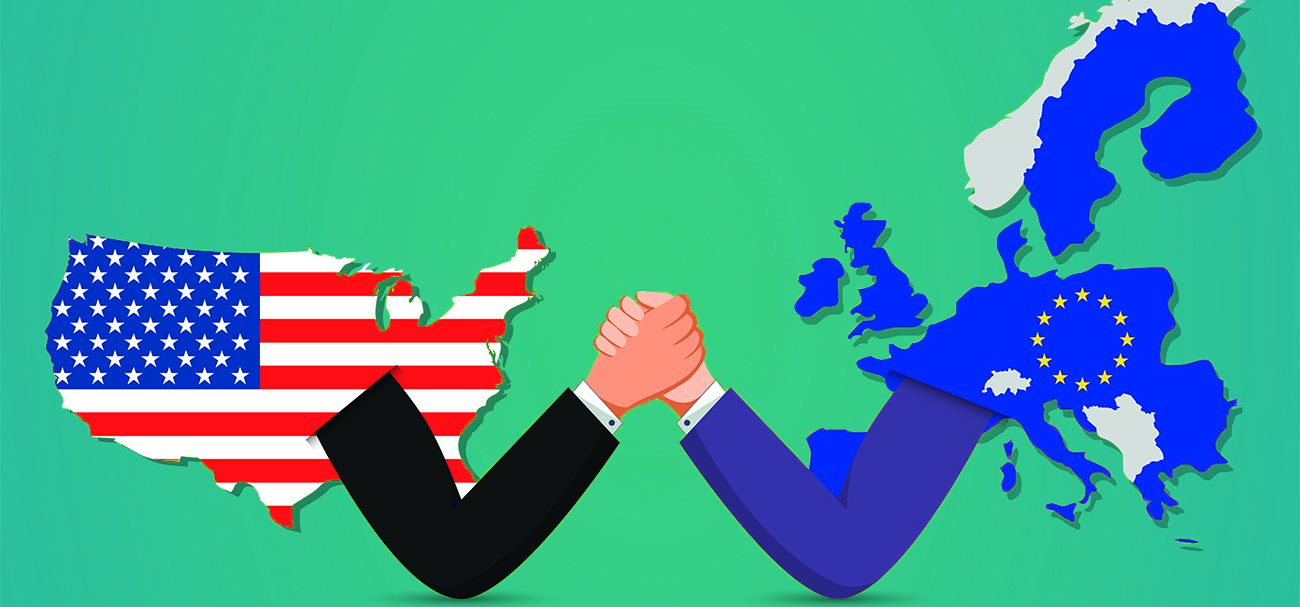
Belgium — January 2026 — Parliament News Highlights that European leaders have entered a decisive period of reassessment as the European Union reviews its long-standing approach toward Tehran. The renewed focus on EU foreign policy Iran reflects a convergence of diplomatic uncertainty, regional security concerns, and broader questions about Europe’s role as a global political actor. What has emerged in recent weeks is not a single policy announcement, but a deeper strategic conversation unfolding across EU institutions, national capitals, and diplomatic channels.
Officials familiar with the discussions describe the process as a recalibration rather than a rupture. Yet the scale and depth of the review suggest that Iran has once again become a central test of Europe’s capacity to balance diplomacy, pressure, and strategic autonomy in a rapidly changing international environment.
Historical Roots of Europe’s Engagement With Iran
Europe’s relationship with Iran is rooted in decades of diplomatic, economic, and security engagement. Long before sanctions dominated headlines, European countries maintained trade ties and political dialogue with Tehran, viewing engagement as a pathway to stability and influence. Over time, however, regional conflicts, nuclear concerns, and shifting alliances transformed the nature of that engagement.
EU foreign policy Iran evolved through multiple phases, including intensive diplomacy during periods of negotiation and tougher measures during times of heightened tension. Each phase reflected Europe’s preference for multilateral solutions and its belief that dialogue, when combined with leverage, could shape outcomes. This philosophy distinguished Europe’s approach from more confrontational strategies pursued elsewhere.
Why 2026 Has Become a Turning Point
Officials say 2026 represents a turning point not because of a single triggering event, but because multiple pressures have converged. Regional instability in the Middle East, uncertainty surrounding global security frameworks, and shifts in energy markets have altered Europe’s strategic priorities. Iran’s role within these dynamics has elevated its importance in European foreign policy deliberations.
Within this context, EU foreign policy Iran is no longer treated as a niche diplomatic file. Instead, it is increasingly seen as interconnected with broader EU objectives, including regional stability, nonproliferation, migration management, and Europe’s credibility as a diplomatic power.
Internal EU Dynamics and the Search for Consensus
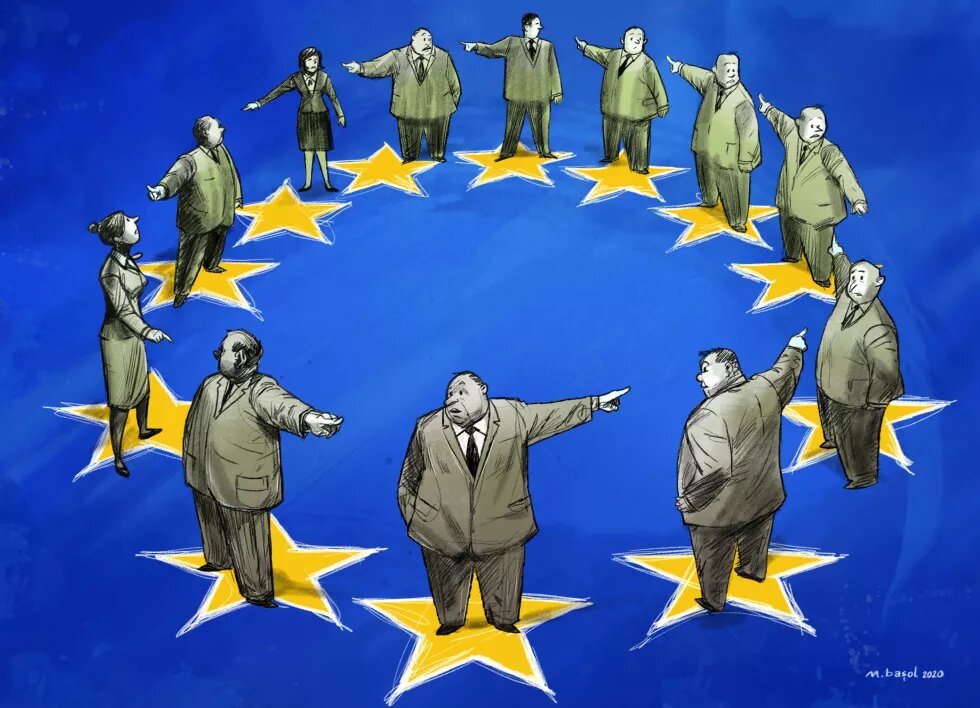
One of the defining features of EU foreign policy is the need for consensus among member states with diverse histories and priorities. Views on Iran vary across the bloc, shaped by geography, economic exposure, and security perceptions. Some governments emphasize deterrence and pressure, while others advocate sustained engagement and dialogue.
Despite these differences, diplomats say there is growing agreement that existing approaches require review. The current reassessment of EU foreign policy Iran reflects not unanimity on solutions, but shared recognition that the status quo may no longer be sufficient to address emerging challenges.

Sanctions as a Policy Instrument Under Review
Sanctions have long been a central component of Europe’s Iran strategy. European officials consistently frame sanctions as tools designed to influence behavior rather than punish populations. However, questions about effectiveness have resurfaced as part of the broader policy review.
Some policymakers argue that sanctions remain essential leverage, while others caution that overreliance on restrictions risks entrenching positions and reducing diplomatic space. As a result, EU foreign policy Iran is being examined to determine how sanctions fit into a more comprehensive strategy that includes engagement, incentives, and regional dialogue.
Diplomacy as a Stabilizing Mechanism
Despite renewed debate over pressure tools, European leaders stress that diplomacy remains indispensable. Formal negotiations, informal contacts, and back-channel communications continue to play a role in managing tensions and preventing miscalculation.
Within this framework, EU foreign policy Iran emphasizes the value of sustained dialogue even during periods of strain. European officials argue that maintaining communication is not a concession, but a safeguard against escalation in an already volatile regional environment.
Security and Nuclear Considerations
Security concerns remain a key driver of European deliberations. Developments related to nuclear oversight, regional military activity, and the risk of escalation regularly feature in briefings to EU foreign ministers and security officials. These assessments inform policy choices and shape Europe’s risk calculations.
As a result, EU foreign policy Iran is closely linked to Europe’s broader commitment to nonproliferation and conflict prevention. Officials stress that preventing escalation remains a core objective, even as they acknowledge the limits of external influence.
Transatlantic Relations and Strategic Autonomy
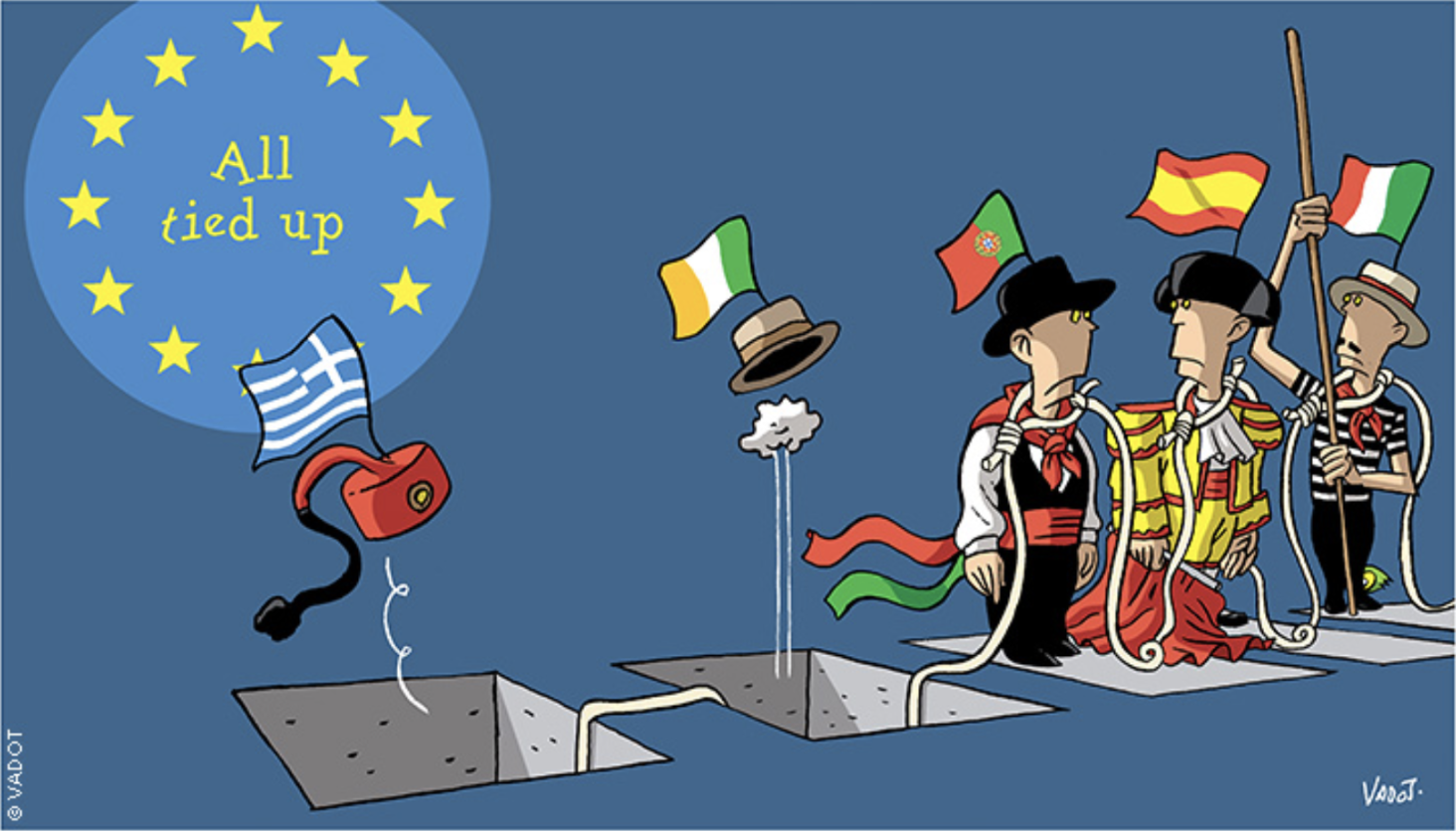
Europe’s approach to Iran cannot be separated from its relationship with the United States. Transatlantic coordination remains an important factor in shaping policy, particularly on sanctions and security issues. At the same time, European leaders increasingly emphasize strategic autonomy, seeking to assert independent decision-making within a cooperative framework.
Balancing alignment with autonomy has become a defining challenge for EU foreign policy Iran. Officials aim to coordinate where interests overlap while preserving the ability to pursue distinct diplomatic initiatives when necessary.
Economic and Energy Dimensions of Policy
Economic considerations also shape Europe’s approach. While the EU has made progress in diversifying energy supplies, stability in the Middle East continues to affect markets, trade routes, and long-term planning. European businesses and investors monitor policy signals closely, aware that shifts in relations can have economic consequences.
These realities ensure that EU foreign policy Iran is intertwined with Europe’s broader economic resilience and energy security strategies, adding another layer of complexity to decision-making.
Regional Implications Beyond Bilateral Relations
Europe’s stance toward Tehran carries implications far beyond bilateral relations. Regional actors closely watch signals from Brussels, interpreting them as indicators of Europe’s broader strategic posture. Decisions taken in the EU context can influence regional diplomacy, alliances, and conflict dynamics.
In this sense, EU foreign policy Iran functions as a lens through which Europe’s regional role is assessed. Policymakers are acutely aware that their choices send messages not only to Tehran, but to the wider Middle East and beyond.
Political Debate Within Europe
The reassessment of policy has sparked debate within European parliaments, think tanks, and academic circles. Lawmakers question whether past strategies delivered sustainable outcomes or merely managed crises. Analysts examine whether Europe’s preference for incrementalism remains viable in a more polarized global environment.
This internal debate underscores how EU foreign policy Iran has become a benchmark for evaluating the EU’s broader foreign policy effectiveness and coherence.
A Diplomatic Perspective on the Challenge
One senior European diplomat said,
“The challenge is maintaining leverage without closing the door to meaningful dialogue.”
The statement captures the careful balance European policymakers are attempting to strike as they navigate competing pressures and expectations.
Media Scrutiny and Public Expectations
Media coverage and public opinion increasingly influence foreign policy decisions. European audiences expect transparency, consistency, and strategic clarity from their leaders. Reporting on Iran policy shapes public understanding and, in turn, political accountability.
As scrutiny grows, EU foreign policy Iran is assessed not only on outcomes but also on how decisions are communicated and justified to the public.
Technology, Enforcement, and Compliance
Modern policy enforcement involves complex coordination with private actors, including financial institutions, shipping companies, and digital platforms. Advances in monitoring and compliance have transformed how sanctions and restrictions are implemented.
These developments add another layer of complexity to EU foreign policy Iran, requiring continuous adaptation to technological change and evolving enforcement mechanisms.
Long-Term Strategic Planning
European analysts emphasize the importance of long-term planning rather than reactive decision-making. Scenario analysis, institutional learning, and sustained diplomatic investment are increasingly seen as essential components of effective foreign policy.
Within this framework, EU foreign policy Iran is being reconsidered as a long-term strategic challenge rather than a series of short-term crises.
Global Power Competition Context
Iran policy also intersects with broader global power competition. Europe’s decisions are interpreted within a landscape shaped by rivalries among major powers, shifting alliances, and contested norms. This context amplifies the significance of policy choices made in Brussels.
As a result, EU foreign policy Iran contributes to defining Europe’s global positioning and its capacity to act as an independent diplomatic force.
Looking Ahead to the Remainder of 2026
As discussions continue through the year, officials caution against expectations of immediate transformation. Policy change within the EU requires consensus, legal review, and careful sequencing. Nevertheless, the current reassessment signals that Iran will remain a central issue in Europe’s foreign policy agenda.
Observers expect continued debate over the balance between pressure and engagement, with outcomes shaped by developments both inside and outside the region.
A Strategic Moment for Europe
The reassessment underway in 2026 marks a defining moment for Europe’s engagement with Tehran. The choices made in Brussels will shape not only relations with Iran, but also the European Union’s identity as a strategic actor in an increasingly complex international system. As EU foreign policy Iran continues to evolve, it will remain a key measure of Europe’s ability to navigate diplomacy, security, and autonomy in a changing world.