WashingtonDC – January 2026 — Parliament News Highlights that the Iran nuclear crisis has reached a decisive phase as senior officials in Washington confront a narrowing window for diplomacy amid intensifying international concern. The issue now dominates security briefings diplomatic cables and market forecasts reflecting its potential to alter regional stability and global power dynamics. As governments worldwide assess the implications the coming months are widely viewed as pivotal.
This escalation is not driven by a single announcement or confrontation but by years of accumulated mistrust technological advancement and strategic hesitation. The Iran nuclear crisis has evolved into a defining geopolitical test of 2026 with consequences extending far beyond the Middle East.
How Decades of Tension Led to This Moment
The roots of today’s confrontation stretch back decades to the early development of Iran’s nuclear infrastructure. Initially framed as a civilian energy initiative the program soon drew scrutiny from international watchdogs and Western governments. Negotiations sanctions and inspections followed often producing temporary stability but rarely lasting confidence.
These repeated cycles laid the groundwork for the Iran nuclear crisis now unfolding. Each failed agreement reinforced skepticism hardened domestic politics and reduced room for compromise. By 2026 the accumulated weight of these failures has transformed the dispute into one of the most complex security challenges facing the international community.
Why 2026 Has Become a Strategic Turning Point
Analysts describe the current year as uniquely dangerous because technological progress has shortened response timelines while geopolitical fragmentation has weakened traditional crisis management tools. The Iran nuclear crisis now unfolds in an environment where delay can be as consequential as action.
Global attention is divided among multiple conflicts limiting diplomatic bandwidth and increasing the risk of miscalculation. This compressed strategic landscape has intensified pressure on decision makers to define clear policies rather than rely on ambiguity.
Washington’s High Stakes Policy Debate
Within Washington discussions reflect deep divisions over the best path forward. Some officials argue that renewed diplomacy supported by verification mechanisms remains viable. Others contend that pressure and deterrence must be strengthened to prevent further escalation. At the heart of these debates lies the Iran nuclear crisis as both a security challenge and a test of US credibility.
Military planners emphasize caution warning that even limited actions could trigger broader consequences. Diplomatic advisers stress that credibility depends not only on strength but on consistency and clarity. These competing perspectives underscore the gravity of the decisions now under consideration.
Tehran’s Calculations and Domestic Dynamics
Iranian leaders present their nuclear program as a matter of national sovereignty shaped by years of external pressure. Domestically the Iran nuclear crisis is framed as evidence of Western hostility rather than Iranian provocation a narrative that resonates with many citizens.
Internal debates continue between factions advocating engagement and those favoring resistance. Economic pressures from sanctions coexist with strategic calculations about deterrence and leverage. These domestic dynamics complicate external efforts to influence Tehran’s choices.
Regional Shockwaves Across the Middle East
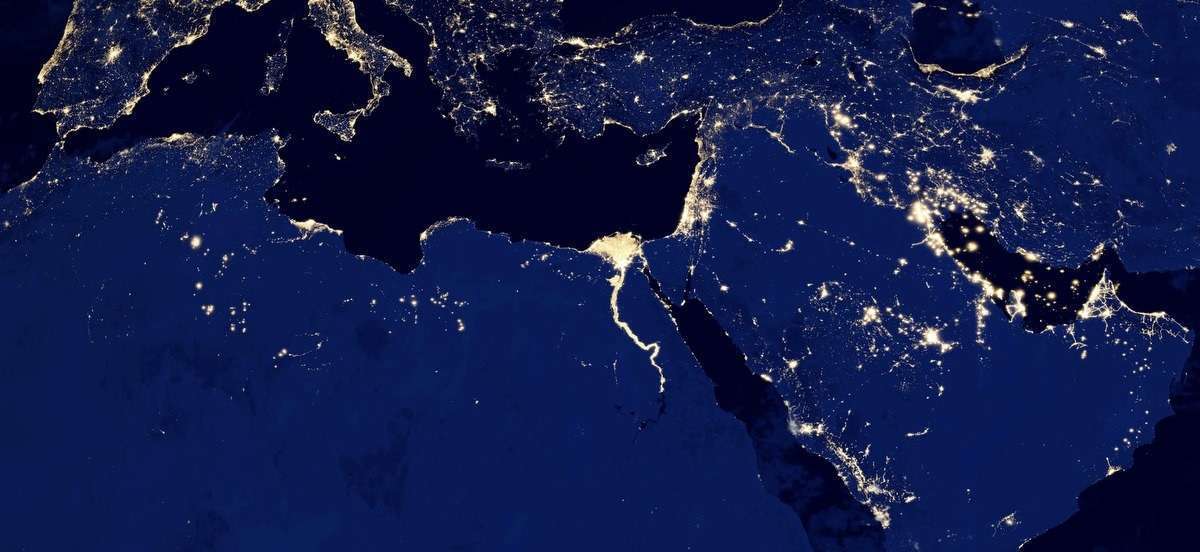
Across the Middle East governments are closely monitoring developments aware that any escalation could reverberate rapidly. Neighboring states fear both nuclear proliferation and military confrontation. The Iran nuclear crisis has prompted heightened security readiness and quiet diplomatic outreach across the region.
Energy corridors maritime routes and proxy relationships add layers of complexity. Even limited incidents risk cascading effects that could destabilize an already fragile regional balance.
Global Diplomacy Under Strain
International partners including European and Asian governments continue to urge restraint emphasizing inspections dialogue and phased confidence building. For many capitals the Iran nuclear crisis represents a test of whether multilateral diplomacy can still function effectively in an era of rising geopolitical competition.
One senior diplomat involved in consultations remarked
“This is not only about one country but about whether the world can still prevent nuclear escalation through cooperation.”
That single statement reflects the broader anxiety shaping diplomatic engagement.
Markets Energy and Economic Anxiety
Financial markets remain sensitive to every development tied to the Iran nuclear crisis due to its potential impact on energy supply chains and global trade. Oil prices shipping insurance and investor sentiment all respond quickly to diplomatic signals.
For economies already facing inflationary pressure the uncertainty adds risk. These economic dimensions ensure the crisis remains a global concern rather than a regional issue.
Information Warfare and Public Perception
Media narratives differ sharply by geography. Western outlets often frame the issue through security and enforcement lenses while Iranian media emphasizes sovereignty and resilience. The Iran nuclear crisis thus unfolds simultaneously in diplomatic forums and in the public information space.
Social media has amplified polarization accelerating misinformation and hardening public attitudes. This environment makes compromise politically costly and increases the challenge of de escalation.
Diplomatic Options Still on the Table
Despite entrenched positions pathways remain available. Incremental agreements focused on transparency inspections or limited sanctions relief could slow escalation. The Iran nuclear crisis has not yet foreclosed diplomatic solutions but requires sustained political commitment and careful sequencing.
Mediators stress that trust building must precede comprehensive agreements. Whether leaders can overcome domestic constraints to pursue these steps remains uncertain.
Risks of Escalation Through Miscalculation
Perhaps the greatest danger lies in unintended escalation. Military exercises enforcement actions or proxy incidents could quickly spiral. The Iran nuclear crisis magnifies these risks due to heightened alert levels and limited direct communication channels.
History suggests that crises often escalate not through deliberate decisions but through misinterpretation. This reality underscores the urgency of maintaining dialogue even amid deep disagreement.
What This Means for the Global Order
Beyond immediate security concerns the Iran nuclear crisis carries long term implications for international governance. Its outcome will influence how future nuclear disputes are managed and whether existing nonproliferation frameworks retain credibility.
A managed resolution could reinforce diplomacy and verification norms. Failure could weaken global confidence and encourage further proliferation pressures.
A Defining Test of 2026 Leadership
As 2026 advances the Iran nuclear crisis stands as one of the most consequential challenges confronting global leadership. Decisions made in Washington Tehran and allied capitals will shape regional stability economic confidence and the future of nuclear restraint.
The world watches closely aware that the choices taken now may define international security for years to come.