

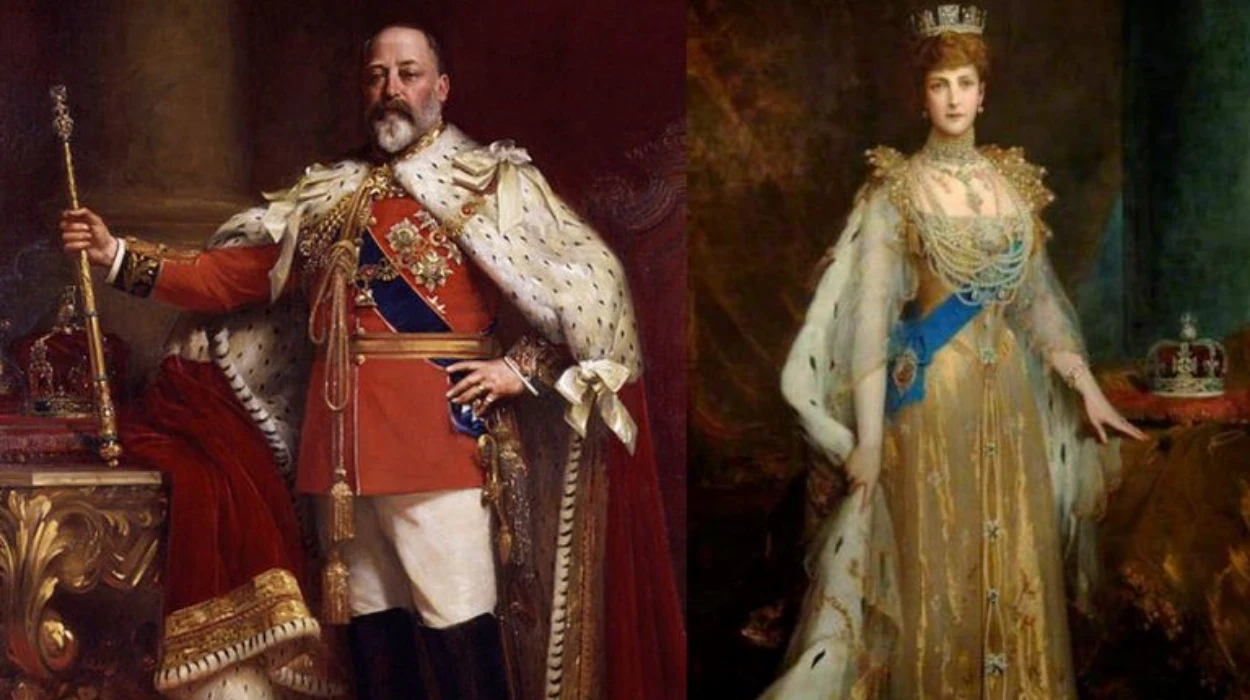
The Edwardian Era, named after King Edward VII, can be remembered as a final golden sunset. It was the age of long summers, extravagant parties, and elegant clothing. However, this world of security and luxury has an expiration date. The year, 1914, was a turning moment in human history.
This article guides the four main historical periods that came after the Edwardian period. A global conflict, a booming economy, a devastatingly catastrophic depression, and another global conflict, which inevitably altered the social fabric of mankind, culture, and the human experience.
The Great War: The Brutal End of Innocence (1914-1918)
The first and most apparent thing that came after the Edwardian period was the Great War. The Great War slammed shut the door of the past. In the end, the Edwardian age was for the upper classes about peace and prosperity, while the war for everybody was brutal, industrialized fighting.
A World Turned Upside Down
The war was a world disaster of unprecedented proportions. It was more than just soldiers fighting in distant fields; it was a “total war.” Every part of society would become involved in it.
- Men went to the front: millions of men from Britain and Empire countries were sent into desolate conditions (and mud-filled trenches) to fight on the front. Life was dangerous and miserable.
- Women filled the places of men in society once the men went away to war. The women in Britain had to step up and keep everything going in the nation. They were on the factory assembly line, driving buses, and planting crops and reaping. This represented huge steps towards independence and access to voting rights.
- Emerging new society: The Edwardian class structure began to socially break down. The social hierarchies of officers (from upper-class families) and ordinary soldiers (from working-class families) merged into similar traumatic, horrid events. A new attitude of sacrifice among these people emerged.
The war came to an end in 1918, leaving behind a broken world and a society in complete disarray. The Edwardian pre-war world held its confidence and structure in 1910, and in the twenty-eight years after 1910, it lost it all.

Roaring Twenties and Hungry Thirties: A massive period of extremes (1918-1939)
The twenty years (1918-1939) between the two world wars cease to exist in history as the Interwar Period. This was a story of two halves: the fun and flourishing “Roaring Twenties” and the hard and hungry “Hungry Thirties.”
The Roaring Twenties: An Explosion of Freedom
For some people, the 1920s were an extraordinary time. There was a powerful urge to put the gloom of the war behind and enjoy life.
- Jazz and flappers: New music like jazz was sweeping the world. Young women, nicknamed “flappers,” hated the old rules. They wore shorter dresses, threw away their combs, and danced all night.
- New technology: Cars became common and allowed for the freedom of movement. Radios brought news and entertainment into homes for the first time, and a common culture was established.
- The Vote for Women: Some women over the age of 30 were given the opportunity to vote in 1918, which expanded to all women over 21 by 1928, a huge victory for equality.
The Hungry Thirties: The Great Depression
The party of the 1920s came to a crashing stop in 1929 with the Wall Street Crash. This was the beginning of an economic total collapse called the Great Depression.
- Mass Unemployment: Factories closed, businesses went bankrupt, and millions of people lost their jobs. In industrial regions, poverty levels were catastrophic.
- Suffering and Starvation: To see long line-ups of people standing around waiting for free food or work became commonplace. This was an extremely difficult time for millions of families compared to the relative affluence of the Edwardian age.
These extremes, from the high of the twenties to the low of the thirties, demonstrated unstable modern life.
The Second World War: The People’s War (1939-1945)
When people were recovering from the Depression, the world plunged into a larger conflict, the Second World War. If the First World War brought the Edwardian world to an end, the Second World War made sure that an Edwardian world could never return.
A Different Kind of War
The Second World War was even more a “total war” than the First.
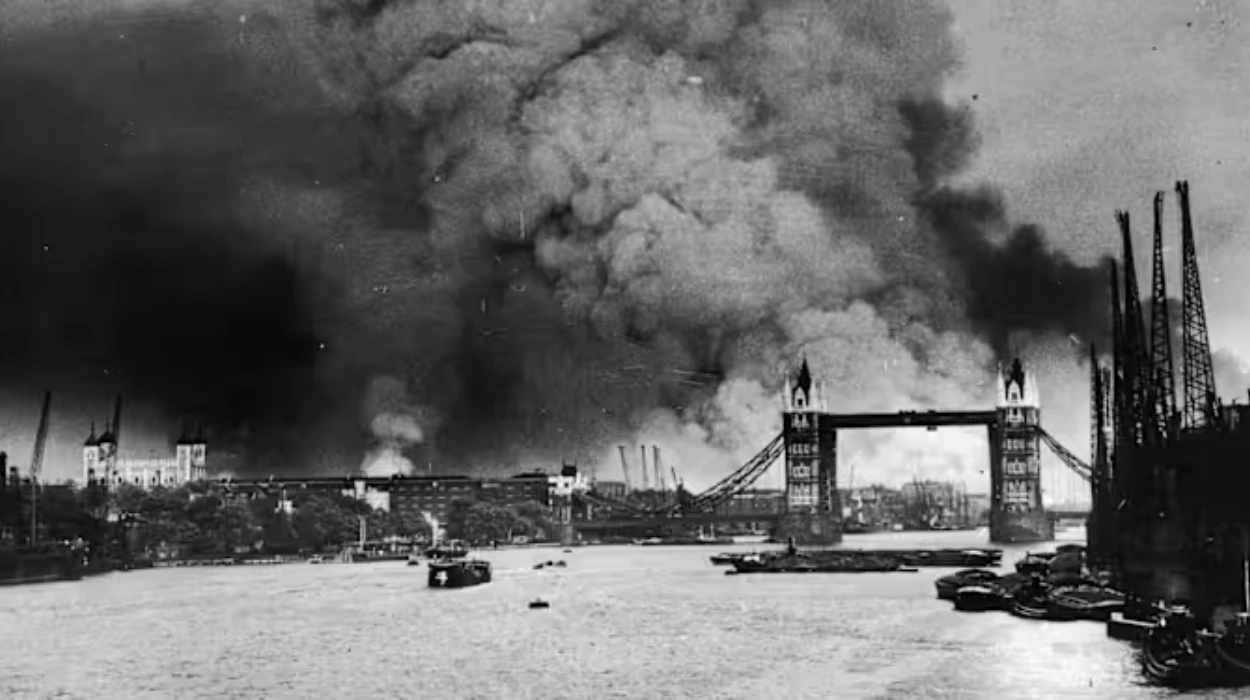
- The Blitz: War was also more than mere battlefields. Enemy planes bombed heavily populated cities like London in a blitz of devastation. Civilians had the front-row seats to the danger every night spent heavily in air raid shelters of red and green fire.
- Everyone Contributed: Once again, everyone contributed. Women worked in factories and volunteered for the military in support roles. People grew their own food in “victory gardens” and lived under rationing of essential items such as butter, meat, and clothing.
Sharing the experience of hardship like this gave rise to a very strong sense of community. It also produced a strong desire for a better, fairer country when the war was over in 1945.
The Austerity Years and Welfare State: Building a New Britain (1945-1950s)
The end of the Second World War in 1945 is the final resolve for what came after the Edwardian era. This began a new chapter of rebuilding and recovery referred to as the Age of Austerity.
A Fairer Society for All
The government must have thought that as a reward for their wartime sacrifices, they would build a “welfare state.” This was a complete rejection of the former idea that if you were poor or sick.
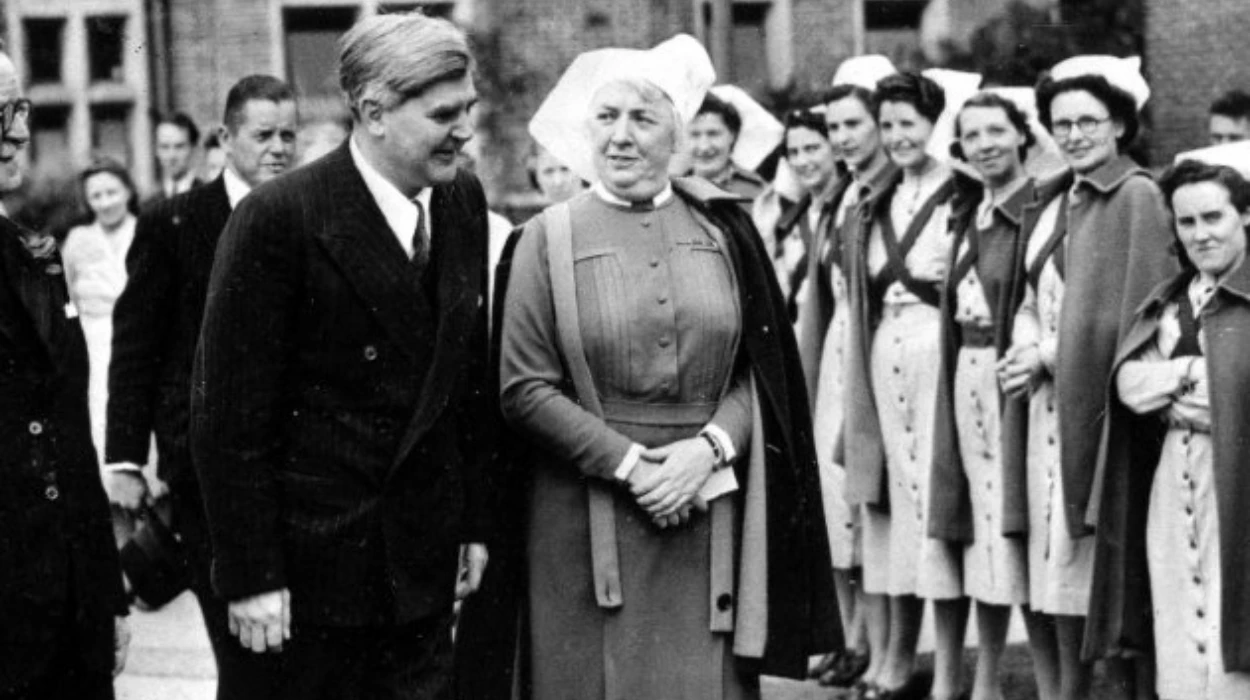
- The National Health Service (NHS): In 1948 the NHS was devised. For the first time there were free healthcare services for everyone at point of use, “from cradle to grave.” This was the most significant change from Edwardian times.
- National Insurance: A new system of national insurance was begun, providing benefits for the unemployed, sick, and elderly, providing a safety net for everybody.
- Continued Rationing: Surprisingly, in the UK, food rationing continued and became more restricted after the war. The country was bankrupt and was firmly committed to the more important job of reconstruction and rebuilding. This time was tough, but it was accepted across society as part of the price of building a better future.
The true end of the odyssey of the early 20th century. The world of the 1950s, with its welfare state, its hybrid of hardship and hope, and its modern values, was incomprehensibly different from the privileged, unequal world of the Edwardians.
From a Golden Sunset to a New Dawn
From the end of the Edwardian period to the mid-20th century was possibly the most dramatic period of transition in history. It was no simple transition but a violent assault on tradition and class, culminating in the events of World War II. Four major periods followed World War I, the Interwar Years, World War II, and the establishing of the Welfare State, and each was an absolute upheaval of society.
They eradicated both strict class divisions, changed the status of women completely, redefined technology in ways that were terrifying, and finally transformed the governance of the world into a ‘contract’ between state and individual citizens. For the splendor of the Edwardian era, there was a clear modern understanding of citizenship and shared community. By tracing this journey, we can begin to understand our own modern world, a shared world developed from the aftermath of war, with the intention to build a better, more equal, more secure life for everyone.
