

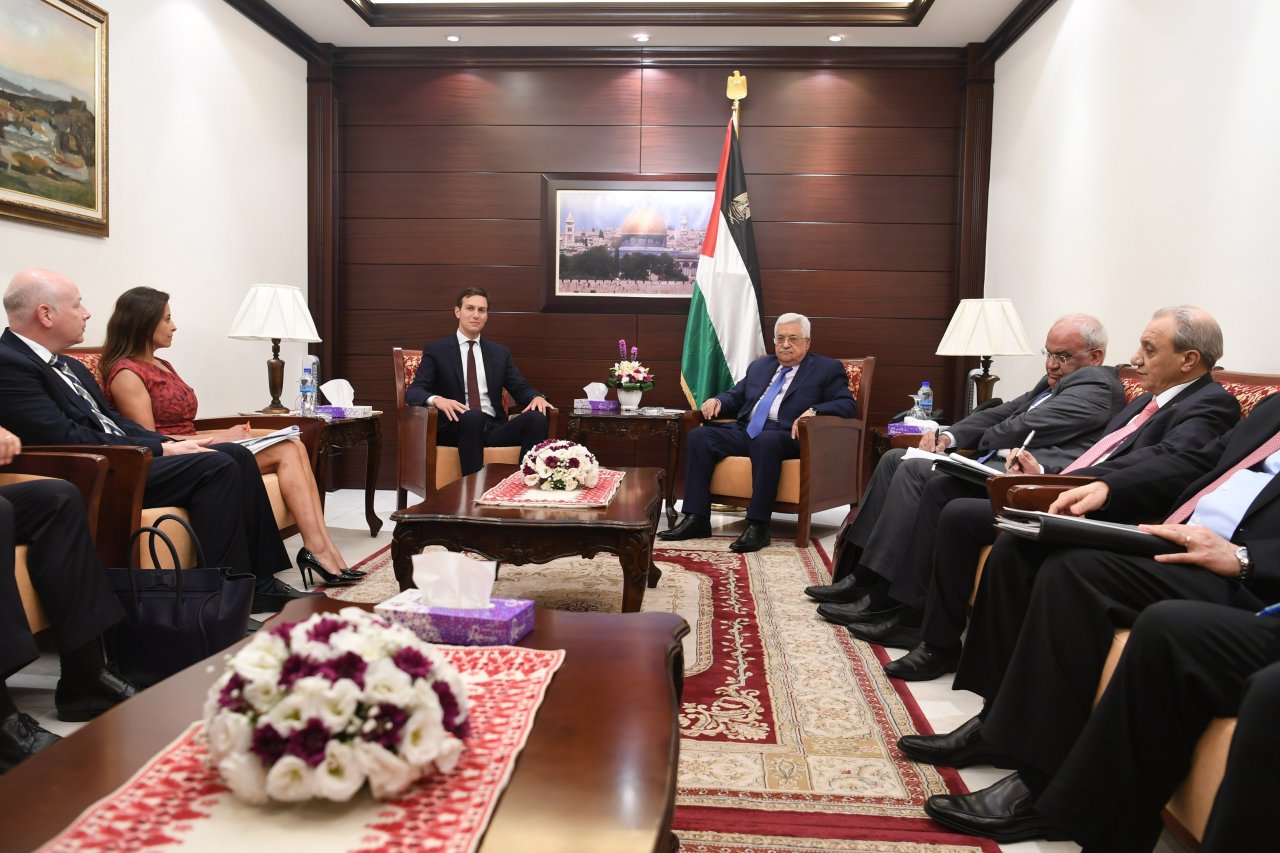
Brussels, January 2026 — According to parliament news, that policymakers and analysts say the Middle East is entering a pivotal moment as dialogue and negotiation increasingly define political interaction, with Regional Diplomacy playing a central role in shaping outcomes after years dominated by confrontation and proxy conflict. The shift reflects a recalculation by regional actors who now see sustained engagement as essential to managing shared challenges.
Across the region, governments are reassessing priorities amid economic pressure, humanitarian fatigue, and changing global dynamics. These factors have converged to elevate Regional Diplomacy as a preferred mechanism for reducing tensions and navigating disputes that extend beyond national borders.
A New Strategic Environment in 2026
The regional landscape in 2026 differs markedly from earlier years of the Syrian conflict and broader Middle Eastern instability. Economic constraints, reconstruction needs, and public exhaustion have altered political incentives. Analysts note that Regional Diplomacy has gained traction as leaders seek pragmatic solutions that limit costs while preserving influence.
This recalibration does not signal an end to rivalry, but rather an acceptance that perpetual escalation yields diminishing returns. Dialogue, even among adversaries, is increasingly viewed as a tool for managing rivalry rather than resolving it outright.
Dialogue Replaces Escalation as a Default
For much of the past decade, military posturing shaped regional interaction. Today, that logic is being supplemented by structured talks, confidence-building measures, and quiet mediation. Advocates argue that Regional Diplomacy offers flexibility in environments where formal peace agreements remain elusive.
The emphasis is on process rather than immediate resolution. Incremental steps, communication channels, and phased arrangements are designed to prevent crises from spiraling while leaving space for future progress.
Syria and Its Neighbors Reassess Engagement
Syria’s position in regional politics has evolved as neighboring states reconsider engagement strategies. Isolation has proven costly, both economically and politically. As a result, Regional Diplomacy has emerged as a pathway for cautious reintegration without demanding sweeping political concessions.
Neighboring countries, meanwhile, see engagement as a means to address border security, displacement, and trade disruptions. These shared concerns have created incentives for dialogue that transcend ideological divides.

Türkiye’s Role in Regional Engagement
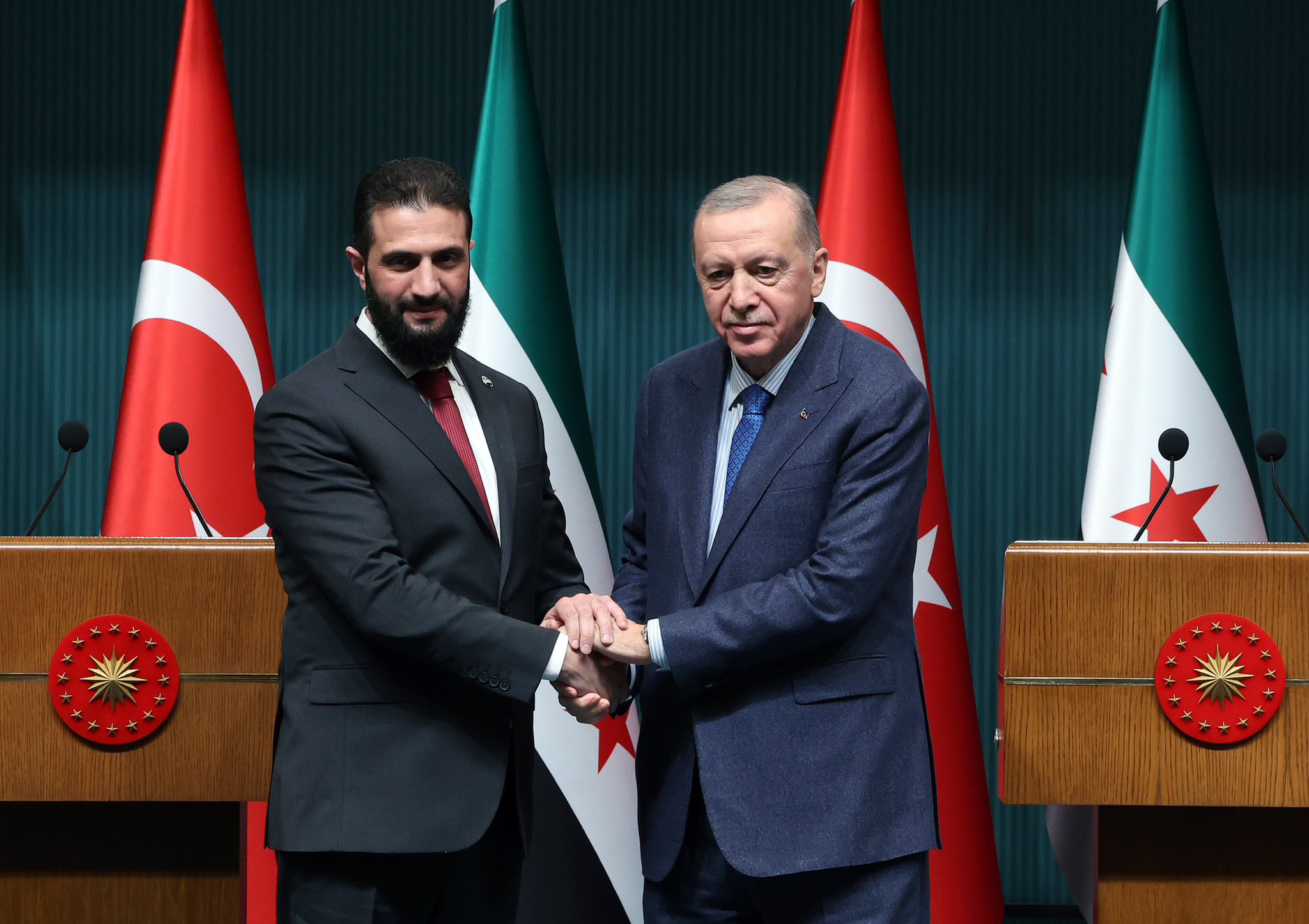
Türkiye has positioned itself as a key participant in renewed diplomatic efforts. Balancing security concerns with economic interests, Ankara has increasingly relied on Regional Diplomacy to manage relations with neighbors while safeguarding national priorities.
Officials emphasize pragmatism, framing engagement as a tool for stability rather than reconciliation. This approach reflects broader regional trends toward transactional diplomacy focused on outcomes rather than narratives.
Gulf States and Diplomatic Recalibration
Gulf countries have also adjusted their strategies, favoring engagement over confrontation in several ملفات. Energy markets, investment flows, and regional security considerations have reinforced the appeal of Regional Diplomacy as a stabilizing influence.
Diplomats note that Gulf-led initiatives often emphasize economic cooperation as an entry point for broader political dialogue, linking stability with shared prosperity.
Security Implications of Diplomatic Engagement
Security remains a core driver of diplomatic outreach. Reduced tensions lower the risk of miscalculation and unintended escalation. Supporters argue that Regional Diplomacy can function as a risk-management framework, enabling rivals to communicate even amid disagreement.
Military analysts caution that dialogue does not eliminate threats, but it can provide mechanisms for de-escalation when incidents occur. This capacity is increasingly valued in a volatile region.
Economic Pressures and Incentives
Economic realities have amplified the turn toward engagement. Sanctions, reconstruction costs, and disrupted trade have strained national budgets. In this context, Regional Diplomacy is seen as a means to unlock economic coordination and reduce uncertainty.
Business communities across the region have welcomed efforts to stabilize relations, citing the importance of predictable environments for investment and trade.
Humanitarian Considerations
Humanitarian crises continue to affect millions, influencing diplomatic calculations. Aid organizations stress that calmer political climates facilitate access and coordination. Advocates argue that Regional Diplomacy can help align humanitarian efforts with longer-term recovery planning.
While challenges persist, even limited diplomatic openings have enabled discussions on access, funding, and infrastructure repair.
International Perspectives
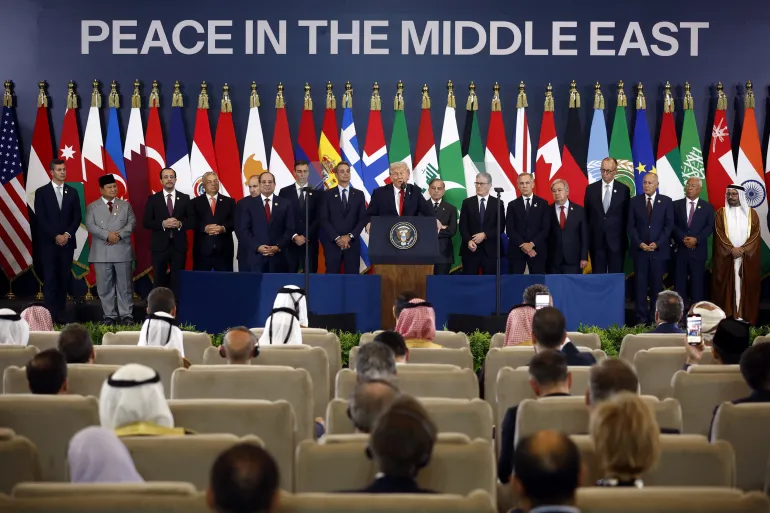
External actors have responded cautiously to regional initiatives, emphasizing support for dialogue while maintaining their own strategic interests. Many observers view Regional Diplomacy as complementary to international efforts rather than a substitute.
There is growing recognition that regionally led processes often enjoy greater legitimacy and sustainability, particularly when external involvement is perceived as intrusive.
Public Opinion and Domestic Narratives
Public sentiment across the Middle East reflects fatigue with conflict. Leaders increasingly frame engagement as a necessity rather than a concession. The growing emphasis on Regional Diplomacy resonates with populations seeking stability, though skepticism remains.
Managing expectations is a persistent challenge, as diplomatic progress is often incremental and uneven.
Obstacles to Sustained Engagement
Despite momentum, significant obstacles remain. Deep political disputes, unresolved conflicts, and external pressures can derail dialogue. Observers warn that Regional Diplomacy requires institutional support to endure beyond individual initiatives.
Without mechanisms to sustain communication, gains risk being reversed during periods of tension.
Quiet Mediation and Back Channels
Much of the progress attributed to engagement has occurred away from public view. Quiet mediation, informal meetings, and back-channel communication have played crucial roles. Diplomats say discretion allows flexibility during sensitive phases.
These methods may increasingly define how regional actors manage disputes in the years ahead.
Measuring Success Beyond Headlines
Success in diplomacy is often difficult to quantify. Reduced incidents, sustained dialogue, and improved coordination serve as indicators. Analysts caution against equating engagement with immediate transformation.
Instead, progress should be measured by resilience—the ability of diplomatic channels to function during crises.
A Regional Analyst’s View
One senior regional analyst observed,
“Dialogue does not erase rivalry, but it prevents rivalry from turning into perpetual conflict.”
The comment captures the cautious optimism surrounding the renewed emphasis on engagement.
Long-Term Implications for the Middle East
The cumulative impact of diplomatic initiatives could gradually reshape regional norms. If sustained, Regional Diplomacy may reduce reliance on force and external arbitration.
Such a shift would mark a significant evolution in how Middle Eastern states manage competition and cooperation.
Looking Ahead Through 2026
As 2026 unfolds, attention will focus on whether engagement deepens or stalls. Elections, economic pressures, and security incidents will test diplomatic resolve.
The durability of current initiatives will influence perceptions of dialogue’s effectiveness.
Why This Moment Matters
The present phase reflects a broader recognition that stability cannot be imposed through force alone. Engagement, however imperfect, offers tools for managing complexity.
In this context, Regional Diplomacy stands not as a cure-all, but as an essential component of contemporary statecraft.
A Cautious but Meaningful Transition
The Middle East’s turn toward dialogue represents a cautious transition rather than a dramatic break with the past. Progress will likely be uneven, shaped by setbacks as well as advances.
Yet the willingness to engage marks an important departure from entrenched patterns of confrontation.
Conclusion: Dialogue as a Strategic Choice
The developments unfolding in early 2026 suggest that dialogue has re-entered the strategic calculus of regional actors. While uncertainty remains, the renewed emphasis on communication reflects adaptive responses to changing realities.
Whether this approach delivers lasting stability will depend on consistency, patience, and political will.
Why 2026 Could Redefine Regional Interaction
As engagement becomes more routine, it may gradually reshape expectations about how disputes are managed. The significance of this moment lies less in individual agreements than in the normalization of dialogue itself.