

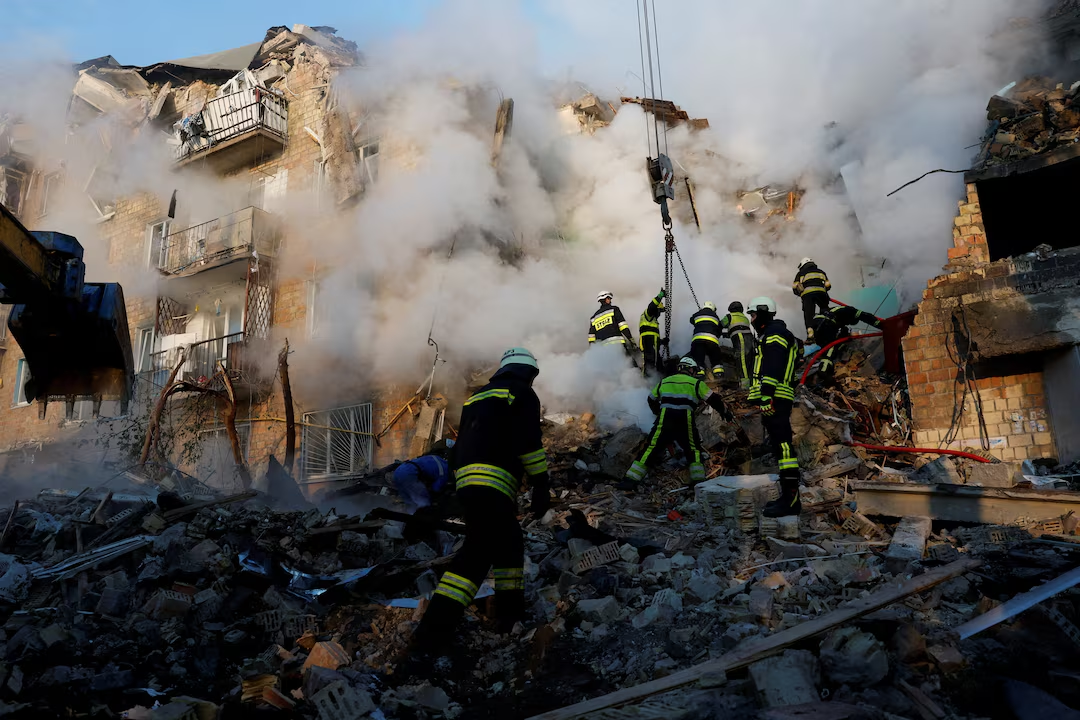
Ukraine — January 2026. According to parliament news, the Ukrainian capital was thrust back into international focus after an overnight missile attack Kyiv sent air raid sirens echoing across the city before dawn. Residents sought shelter as defensive systems activated, underscoring how the war involving Ukraine and Russia continues to shape everyday life deep into 2026. The date marked another reminder that Kyiv remains a focal point of long-range pressure despite strengthened defenses.
A City Awakened by Sirens and Explosions
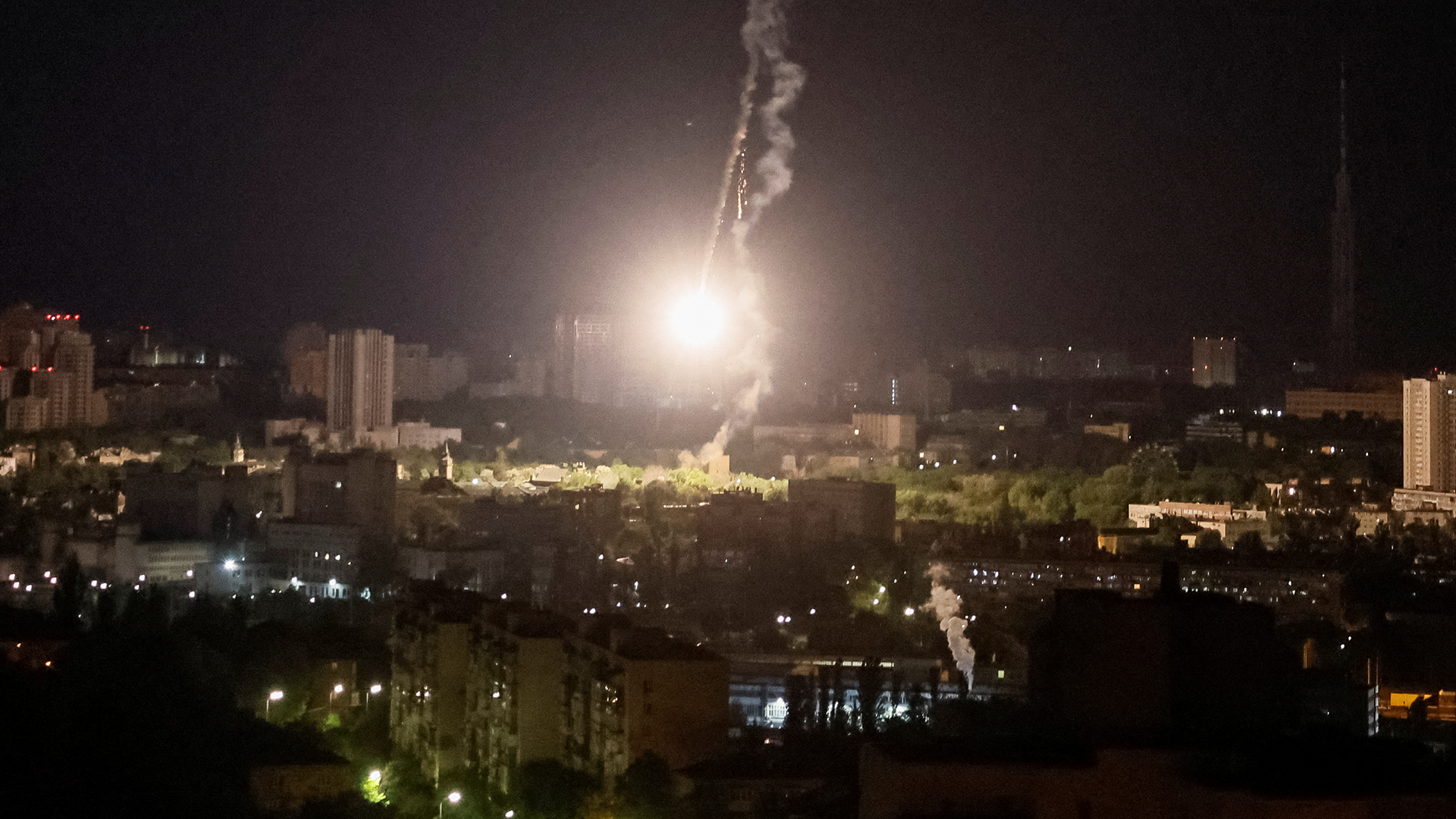
The overnight missile attack Kyiv began in the early hours when warning systems alerted residents across multiple districts. Sirens cut through the winter silence, followed by the heavy thud of interceptions high above the skyline. For many, the sequence was grimly familiar: alarms, shelter, waiting, and listening for confirmation that the immediate danger had passed.
Authorities later confirmed that the assault involved several missiles launched in coordinated fashion. The timing, analysts said, appeared designed to maximize psychological impact by striking when civilians were most vulnerable.
Defensive Operations Through the Night
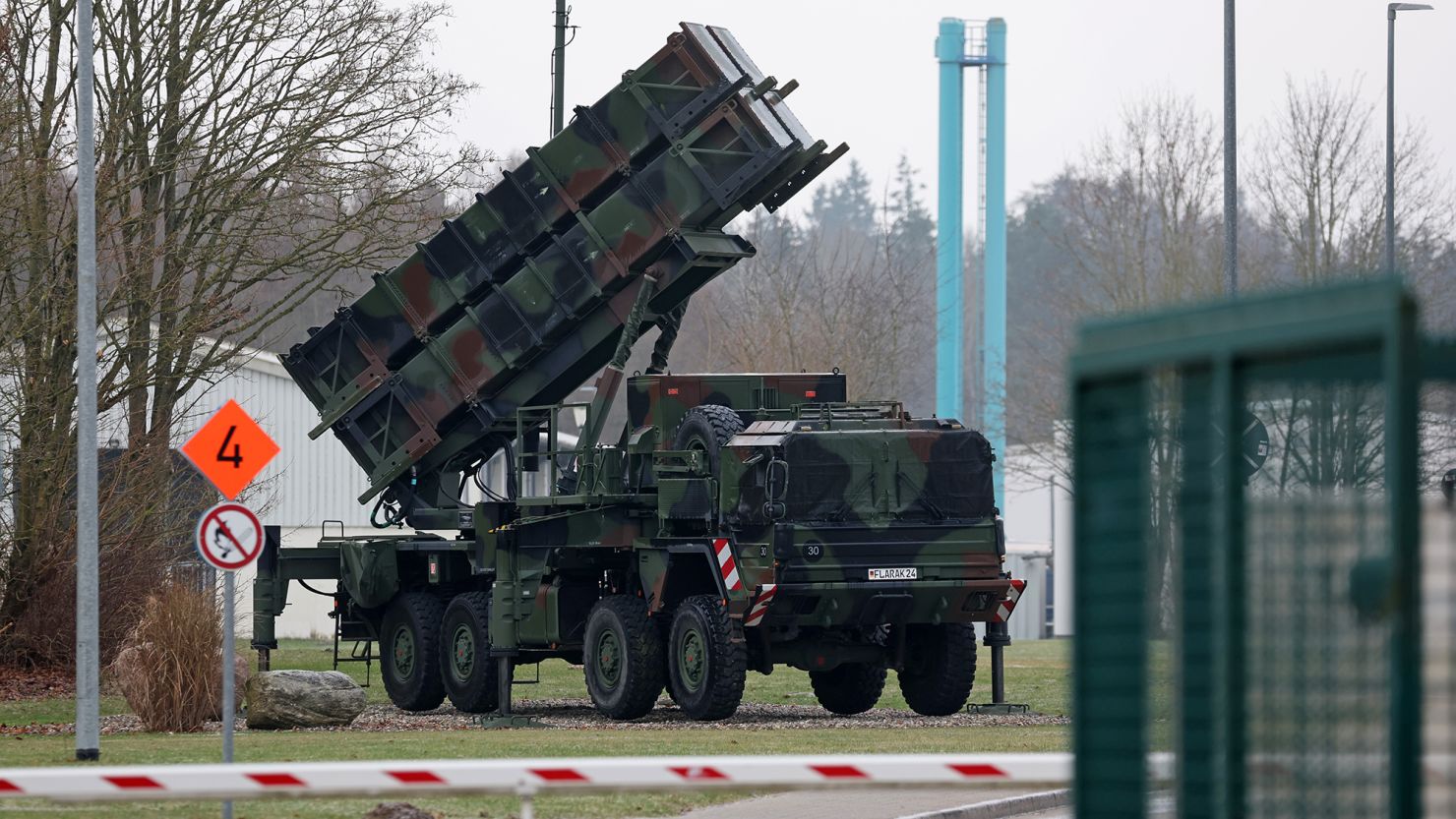
Ukraine’s military leadership stated that the overnight missile attack Kyiv triggered a rapid, layered response from air defense units. Radar systems tracked incoming threats while interceptor missiles were deployed to neutralize them at varying altitudes. Coordination between military command centers and municipal emergency services ensured real-time information flow.
Officials emphasized that interception success rates remained high, preventing catastrophic damage. At the same time, they acknowledged that each engagement consumes valuable resources, highlighting the strategic challenge of sustaining defenses over prolonged periods.
Neighborhoods Assess the Morning After
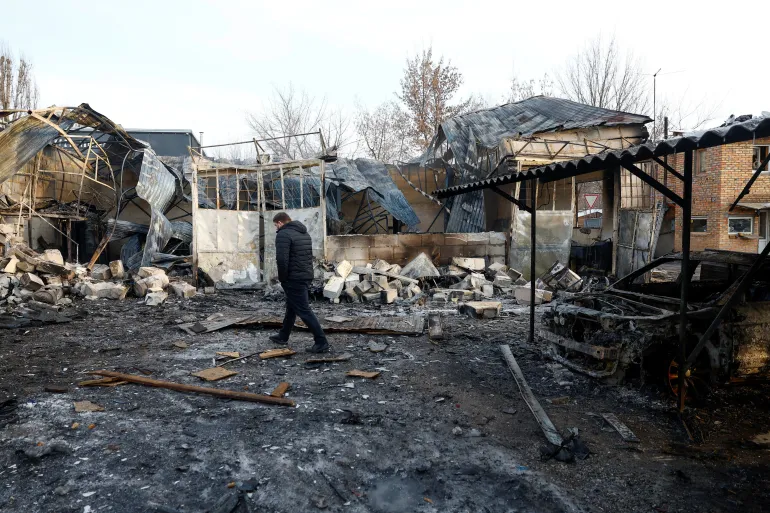
As daylight broke, the physical effects of the overnight missile attack Kyiv became visible. Broken glass littered sidewalks, and scorch marks were visible on rooftops where debris had fallen. Several residential buildings sustained superficial damage, while vehicles parked on streets showed signs of impact from fragments.
City officials confirmed that essential services continued to operate. Power, water, and public transport systems remained largely intact, reflecting infrastructure adaptations made over the course of the conflict.
Emergency Services and Public Safety Measures
Emergency crews were deployed immediately following the overnight missile attack Kyiv, cordoning off affected areas and inspecting structures for safety risks. Firefighters extinguished small blazes caused by falling debris, while medical teams treated residents for shock and minor injuries.
Authorities urged the public to avoid debris and rely solely on official information channels. The emphasis on safety messaging was part of a broader strategy to minimize secondary injuries following aerial assaults.
Living With Repeated Nighttime Alerts
For Kyiv’s residents, the overnight missile attack Kyiv reinforced a pattern of disrupted sleep and heightened vigilance. Families spent hours in metro stations, basements, and reinforced shelters. Parents sought to reassure children while monitoring official updates on their phones.
Despite exhaustion, the city gradually resumed activity later in the day. Offices reopened, public transport ran on adjusted schedules, and schools continued with contingency plans in place.
Community Networks and Civil Resilience
Local volunteers played a visible role after the overnight missile attack Kyiv, distributing food, blankets, and hot drinks to those displaced. Neighborhood groups coordinated assistance for elderly residents and families whose homes were temporarily unsafe.
This grassroots response has become a defining feature of Kyiv’s resilience, complementing official emergency services and reinforcing social cohesion under pressure.
Strategic Context of Targeting the Capital
Defense analysts argue that the overnight missile attack Kyiv carried significance beyond immediate damage. Striking the capital serves symbolic purposes, projecting reach and intent while keeping psychological pressure on both the population and leadership.
Kyiv’s role as the political and administrative center of Ukraine makes it a recurring focus, even as fighting continues elsewhere. Analysts note that such strikes also allow attackers to observe defensive reactions and refine tactics.
The Military Landscape in 2026
The overnight missile attack Kyiv fits into a broader military pattern observed throughout 2026. Long-range strikes remain a central component of Russia’s approach, particularly during periods of limited ground movement. Missiles and drones are used to test defenses, disrupt daily life, and maintain strategic pressure.
Ukrainian officials continue to stress the importance of sustained air defense support, training, and rapid repair capabilities to counter this strategy effectively.
International Reaction and Diplomatic Messaging
News of the overnight missile attack Kyiv prompted swift reactions from European and transatlantic partners. Statements emphasized civilian protection and reaffirmed support for Ukraine’s sovereignty. Diplomatic discussions intensified around defensive assistance and humanitarian considerations.
International organizations highlighted concerns about the cumulative impact of repeated nighttime attacks on urban populations, urging renewed focus on de-escalation.
One Voice Reflecting the Moment
Speaking publicly after the overnight missile attack Kyiv, a senior Ukrainian security official said,
“Every night like this tests our endurance, but it also shows that preparedness and unity continue to save lives.”
The comment captured the balance between resilience and ongoing strain felt across the city.
Infrastructure Adaptation Over Time
Urban planners note that the overnight missile attack Kyiv demonstrated how the city has adapted since earlier stages of the conflict. Reinforced buildings, improved shelter access, and redundant utility systems have significantly reduced casualties and service disruptions.
These adaptations reflect lessons learned over years of conflict, shaping how Kyiv prepares for future threats while maintaining essential functions.
Psychological Dimensions of Prolonged Conflict
Mental health professionals say the overnight missile attack Kyiv underscores the invisible toll of repeated alerts. Sleep deprivation, anxiety, and stress-related symptoms are increasingly reported. In response, authorities have expanded counseling services and integrated psychological support into schools and workplaces.
Public campaigns now emphasize mental well-being alongside physical safety, recognizing the long-term impact of sustained uncertainty.
Communication and Information Integrity
Clear, timely communication proved crucial during the overnight missile attack Kyiv. Officials provided regular updates through verified channels, helping counter misinformation and guide public behavior. This transparency has become central to maintaining trust during emergencies.
Media outlets focused on confirmed information and safety guidance, aligning coverage with public interest priorities.
Preparedness Measures Moving Forward
Security planners caution that the overnight missile attack Kyiv may not be the last such event in 2026. Preparedness efforts continue to evolve, including regular drills, public education initiatives, and infrastructure upgrades.
International partnerships remain essential, particularly in maintaining interceptor supplies and technological capabilities.
Kyiv as a Symbol Beyond Its Borders
The overnight missile attack Kyiv once again highlighted the city’s symbolic role in the conflict. As the seat of government and a cultural hub, Kyiv represents continuity and national identity. Each successful defense reinforces that symbolism, resonating domestically and internationally.
Observers note that the city’s endurance influences diplomatic narratives and policy debates far beyond Ukraine.
Economic Activity Amid Uncertainty
Despite the overnight missile attack Kyiv, economic life in the capital continued with cautious adaptation. Businesses reopened, markets operated under safety protocols, and remote work options remained widespread. This economic persistence is viewed as a form of resilience, sustaining livelihoods amid instability.
Officials emphasize that maintaining economic activity is vital for long-term recovery and public morale.
Education and Youth Experience
Schools across Kyiv adjusted schedules following the overnight missile attack Kyiv, with some classes shifting temporarily online. Educators worked to provide stability for students, balancing safety considerations with the need for continuity.
Youth programs increasingly incorporate resilience training and psychological support, acknowledging the unique challenges faced by younger generations growing up amid conflict.
Media Coverage and Public Perception
The overnight missile attack Kyiv dominated headlines, with coverage focusing on defensive success and civilian impact. Analysts note that balanced reporting plays a role in shaping public perception, avoiding panic while conveying the seriousness of events.
Information accuracy remains critical, particularly in an environment where misinformation can spread rapidly.
Long-Term Urban Planning Under Threat
City planners say the overnight missile attack Kyiv reinforces the need for long-term planning that accounts for security risks. New developments prioritize reinforced construction, accessible shelters, and decentralized utilities.
These measures aim to ensure that the city can function even under continued threat conditions.
Cultural Life and Collective Identity
Cultural institutions resumed activities after the overnight missile attack Kyiv, signaling defiance and continuity. Concerts, exhibitions, and community events proceeded with safety measures in place, reinforcing collective identity and morale.
Artists and cultural leaders emphasize the importance of preserving cultural life as part of national resilience.
Looking Ahead in an Uncertain Year
The overnight missile attack Kyiv serves as a reminder that 2026 remains unpredictable. While defenses have improved, risks persist. Officials urge continued vigilance, cooperation, and reliance on verified information as the situation evolves.
Preparedness, they stress, is both a civic duty and a collective effort.
The events surrounding the overnight missile attack Kyiv illustrate the complex reality facing Ukraine’s capital in 2026. Defensive success, community resilience, and international engagement have limited damage, yet the persistence of long-range threats underscores ongoing challenges. Kyiv’s response continues to shape how the city endures pressure while striving for stability and security.