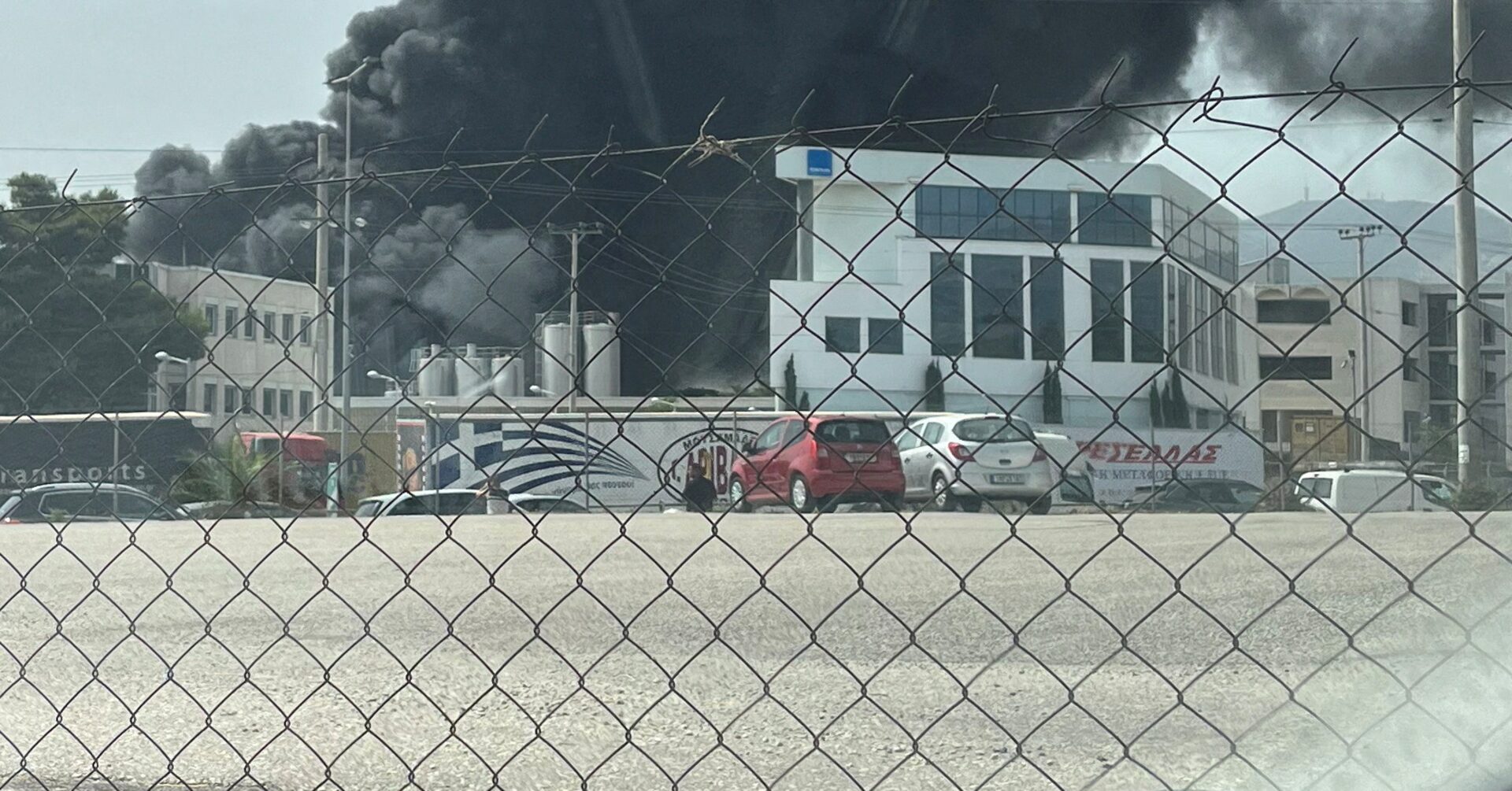
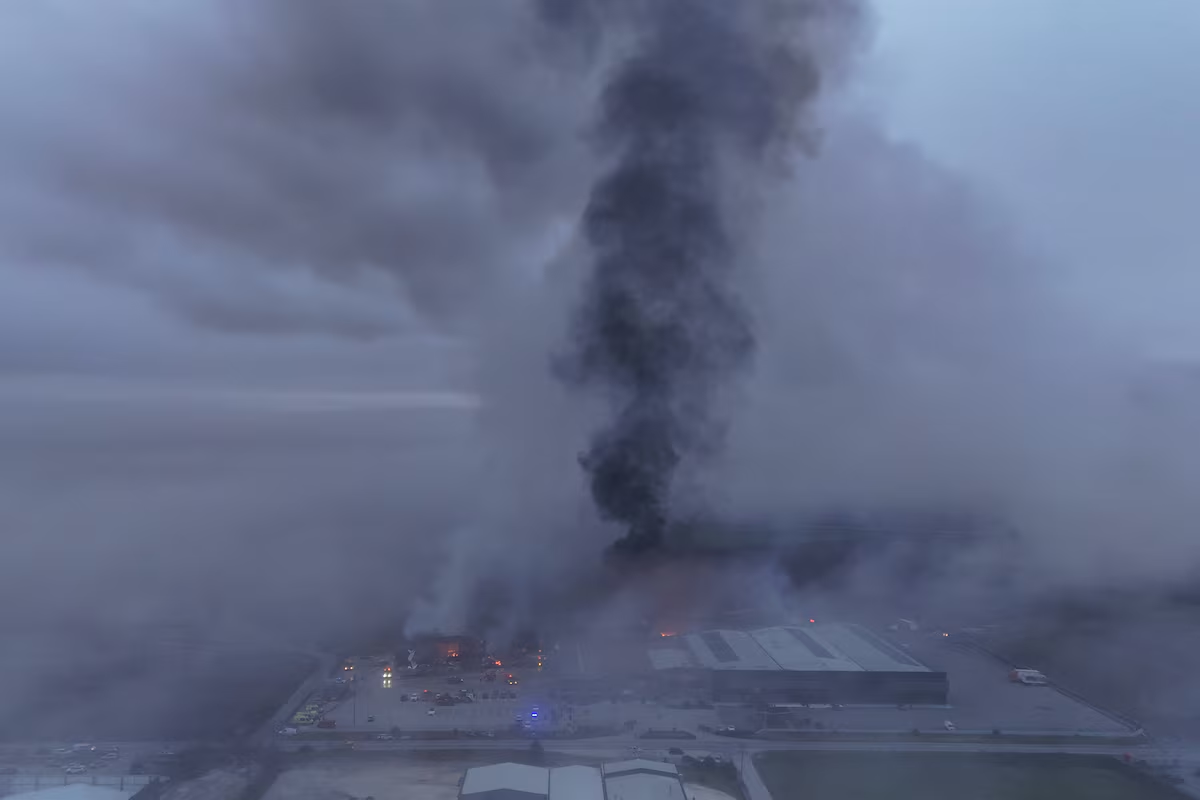
Central Greece, January 2026, a devastating factory fire in central Greece claimed the lives of three workers and left an entire region in mourning. The blaze erupted inside a food processing facility during active operations, spreading rapidly through production areas and storage units. Authorities confirmed fatalities hours later, describing the event as a Greece industrial accident that has reignited national concern over workplace safety and industrial oversight.
The tragedy has drawn attention far beyond the immediate area, with labor organizations, policymakers, and safety experts calling for urgent reforms to prevent similar disasters.
How the Fire Unfolded
Witness accounts indicate that the fire began suddenly, with smoke quickly filling enclosed sections of the factory. Workers attempted to evacuate, but the speed of the blaze and limited visibility made escape difficult for some. Fire alarms were triggered, and emergency calls were placed within minutes.
This Greece industrial accident escalated rapidly as flames spread through combustible materials commonly used in food production facilities. By the time firefighters arrived, large sections of the building were already engulfed.
Emergency Response and Rescue Efforts
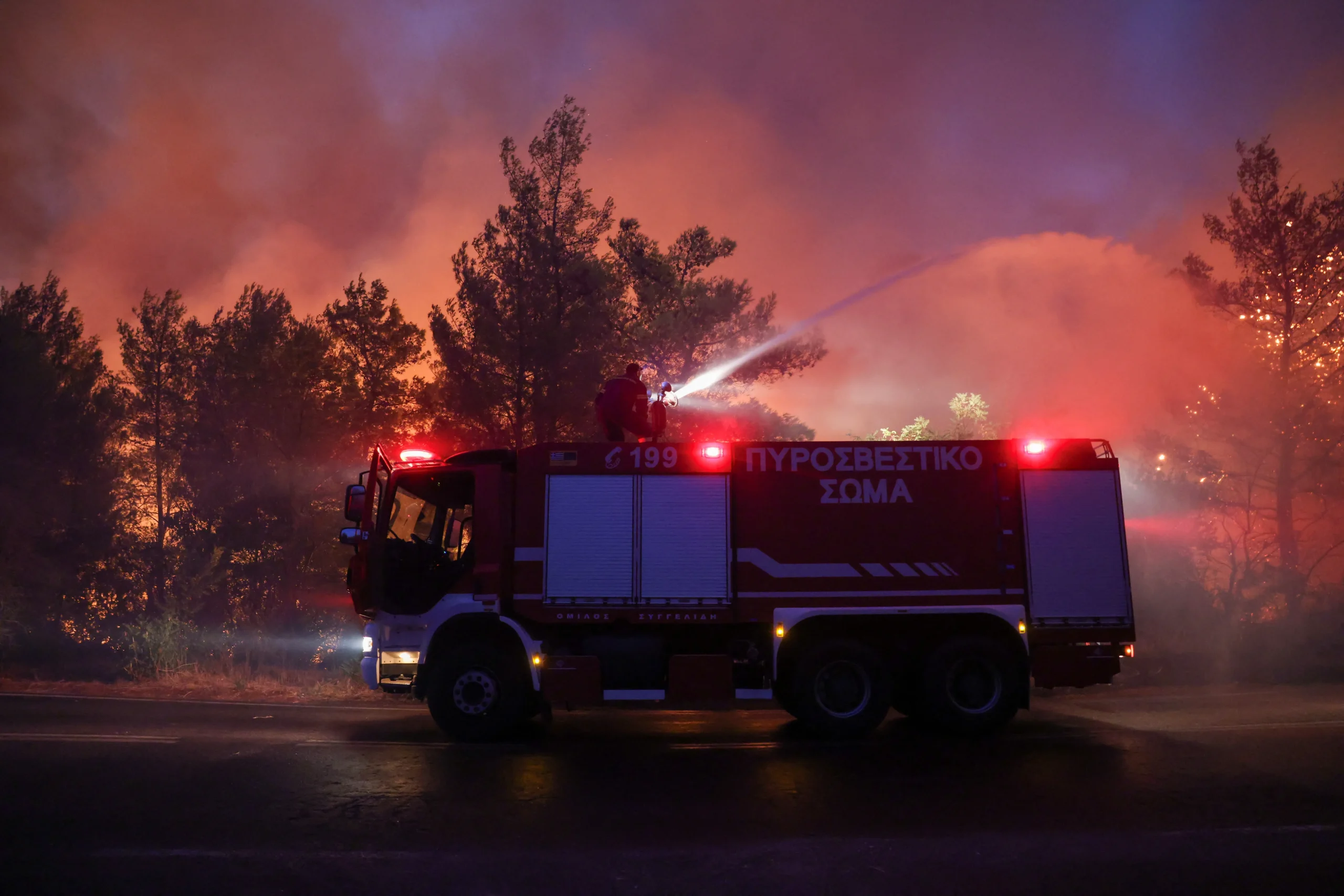
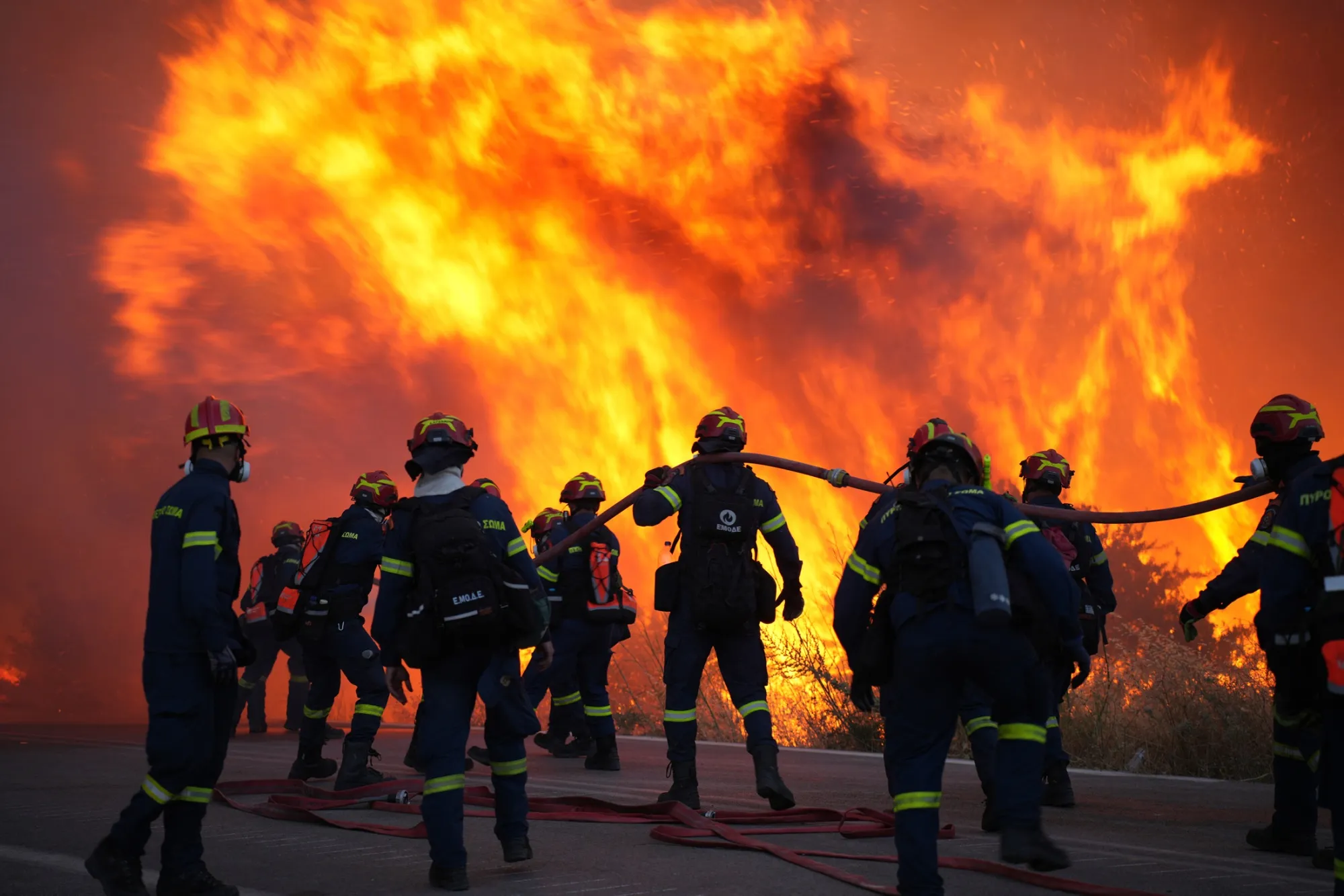
Fire crews deployed multiple engines and specialized units to battle the blaze. Dense smoke, high internal temperatures, and partial structural collapse complicated rescue efforts. Paramedics were stationed nearby to treat injuries and support exhausted responders.
Officials noted that although response times were swift, the severity of the Greece industrial accident created conditions that made rescue operations extremely dangerous and technically challenging.
Victims and the Human Cost
The three victims were confirmed to be employees working their scheduled shifts. Authorities withheld names until families were formally notified. Colleagues described the victims as experienced workers familiar with factory procedures.
The loss of life in this Greece industrial accident has deeply affected the local community, where the factory was a major employer and economic anchor.
Community Mourning and Solidarity
Residents gathered near the factory site to leave flowers and light candles in memory of the victims. Local leaders expressed condolences and called for unity during a period of grief.
For many, the Greece industrial accident represents not only a workplace tragedy but a shared loss felt across families, neighborhoods, and workplaces connected to the facility.
Initial Investigation and Forensic Analysis
Authorities launched an immediate investigation involving fire experts, labor inspectors, and forensic specialists. Early efforts focused on identifying ignition sources, reviewing safety logs, and assessing compliance with fire regulations.
Determining the cause of the Greece industrial accident is expected to take weeks due to extensive damage and the need for detailed analysis of electrical systems and machinery.
Possible Causes Under Review
Investigators are examining multiple scenarios, including electrical faults, overheating equipment, and potential failures in fire suppression systems. Stored materials and production oils may have contributed to rapid fire spread.
Experts caution against speculation, emphasizing that conclusions about the Greece industrial accident must be based on verified evidence rather than assumptions.
Workplace Safety Standards in Focus
The incident has intensified scrutiny of safety standards in industrial facilities. Labor unions argue that inspections are often insufficient and enforcement inconsistent.
Safety advocates say the Greece industrial accident underscores the importance of regular audits, modern detection systems, and comprehensive emergency training for workers.
Government Reaction and Policy Signals
Government officials expressed condolences and pledged full transparency in the investigation. Authorities announced immediate inspections of similar facilities across the region.
The Greece industrial accident has prompted renewed discussion within government circles about strengthening safety laws and increasing penalties for non-compliance.
Industrial Fire Risks in Food Processing Plants
Food processing facilities face unique risks due to flammable packaging, oils, and high-temperature equipment. Without strict controls, these environments can become highly dangerous during emergencies.
Industry experts note that the Greece industrial accident illustrates how layered risks can converge, turning routine operations into catastrophic events.
Economic Impact on the Region
The factory’s closure has disrupted local employment and supply chains. Dozens of workers have been temporarily displaced, and production losses are expected to affect regional distributors.
Beyond immediate damage, the Greece industrial accident may influence investment decisions, insurance premiums, and operational costs across the manufacturing sector.
Legal Implications and Accountability
Legal experts suggest the company could face penalties if investigations reveal negligence or regulatory violations. Possible outcomes include fines, civil claims, or criminal charges.
The Greece industrial accident has reignited debate about whether existing laws provide sufficient deterrence against unsafe practices.
National Debate on Worker Protection
Public reaction has been swift, with calls for stronger enforcement of labor laws and greater transparency from regulators. Advocacy groups argue that worker safety must take precedence over cost-saving measures.
Discussion surrounding the Greece industrial accident reflects broader frustration over recurring workplace tragedies and perceived regulatory gaps.
Historical Context of Industrial Accidents
Industrial accidents have occurred periodically in the manufacturing sector, often followed by temporary reforms. Critics argue that sustained improvements have been slow.
The scale and impact of this Greece industrial accident may mark a turning point, prompting long-term policy commitments rather than short-lived responses.
Inspection Systems and Compliance Challenges
Workplace inspections are designed to identify hazards before disasters occur. However, limited staffing and resources can weaken oversight.
Experts stress that consistent enforcement is essential to preventing another Greece industrial accident, particularly in high-risk facilities.
Support Measures for Families
Authorities announced compensation packages and psychological support for families affected by the tragedy. Counseling services have also been offered to coworkers.
Community organizations are providing assistance, recognizing the lasting emotional and financial toll of the Greece industrial accident.
Lessons for the Manufacturing Industry
Industry leaders acknowledge that safety investments must be prioritized alongside productivity goals. Advanced detection systems, automated shutdowns, and regular training can significantly reduce risk.
The Greece industrial accident has become a reference point for reassessing operational risk management across sectors.
Emergency Preparedness and Training
Safety specialists emphasize the importance of regular drills and clear evacuation procedures. Workers must be empowered to respond quickly and confidently during emergencies.
This Greece industrial accident highlights how preparation can mean the difference between life and death in industrial environments.
Role of Technology in Prevention
Modern technology offers tools to detect hazards early and contain fires before they spread. Sensors, automated alarms, and real-time monitoring can enhance safety.
Adopting such systems could reduce the likelihood of another Greece industrial accident, according to industry analysts.
Comparisons With International Standards
International safety frameworks often emphasize proactive risk management and continuous improvement. Comparing domestic practices with global benchmarks may reveal gaps.
The Greece industrial accident has sparked interest in aligning national standards more closely with best practices worldwide.
Long-Term Regulatory Outlook
Policymakers are expected to review existing regulations and propose updates aimed at improving enforcement and accountability.
The outcome of reforms following the Greece industrial accident will be closely watched by labor groups and industry stakeholders.
Public Trust and Institutional Responsibility
Restoring public trust requires transparency and decisive action. Investigations must be thorough, and findings clearly communicated.
How authorities handle the Greece industrial accident may shape public confidence in regulatory institutions for years to come.
Economic Resilience and Safety Investment
While safety upgrades involve costs, experts argue that prevention is far less expensive than recovery after disasters.
The Greece industrial accident demonstrates how neglecting safety can result in profound human and economic losses.
Voices From the Workforce
Workers across industries are expressing concern about conditions and enforcement. Many are calling for stronger protections and clearer reporting channels.
A senior safety analyst said,
“This incident highlights the critical importance of strict enforcement of industrial safety standards, as even minor lapses can escalate into fatal consequences within minutes.”
Their perspectives add urgency to discussions sparked by the Greece industrial accident.
Media Coverage and Public Awareness
Extensive coverage has kept the issue in the public eye, ensuring continued scrutiny of investigation progress and policy responses.
Sustained attention may help ensure that lessons from the Greece industrial accident lead to lasting change.
Industrial Growth and Safety Balance
As manufacturing evolves, balancing growth with safety remains a critical challenge. Expansion without adequate safeguards increases risk.
The Greece industrial accident serves as a cautionary example of what can happen when safety does not keep pace with operations.
Looking Ahead for Central Greece
Rebuilding trust and ensuring safe workplaces will require cooperation between government, industry, and workers.
The region’s recovery from the Greece industrial accident will depend on meaningful reforms and sustained commitment.
Beyond the Factory Gates A Turning Point
The tragedy in central Greece has become more than an isolated event. It represents a test of whether systemic change will follow loss.
The legacy of this Greece industrial accident will be measured by whether future workers are better protected from harm.