

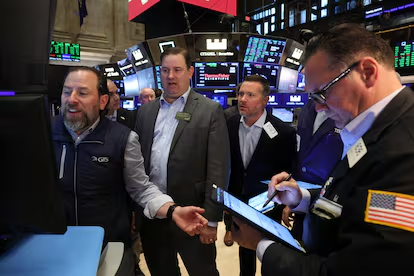
New York, United States, January 30 2026 – According to parliament news that US markets today are once again at the center of global financial attention in 2026, as investors across Europe and Asia track developments from Wall Street with heightened sensitivity. From trading desks in Brussels to fund managers in New York, the mood reflects cautious recalibration rather than outright fear. Early indicators suggest markets are pausing to reassess expectations around growth, inflation, and monetary policy at a time when global economic signals remain mixed.
The interconnected nature of modern finance means movements in US equities are no longer viewed in isolation. Instead, they are interpreted as signals that can influence capital flows, currency markets, and commodity prices worldwide. This dynamic places Wall Street at the heart of daily global market narratives.
Early Trading Signals Set a Measured Tone
Futures linked to major US stock indexes pointed to a restrained opening, reinforcing the sense that US markets today are navigating a delicate balance between resilience and uncertainty. Traders cited a lack of strong directional catalysts, with many preferring to wait for clearer economic data before increasing exposure.
While declines were modest, the absence of strong buying interest highlighted investor hesitation. This pattern has become increasingly common in recent months, as markets oscillate within narrow ranges rather than committing to sustained trends.
Monetary Policy Expectations Drive Market Psychology
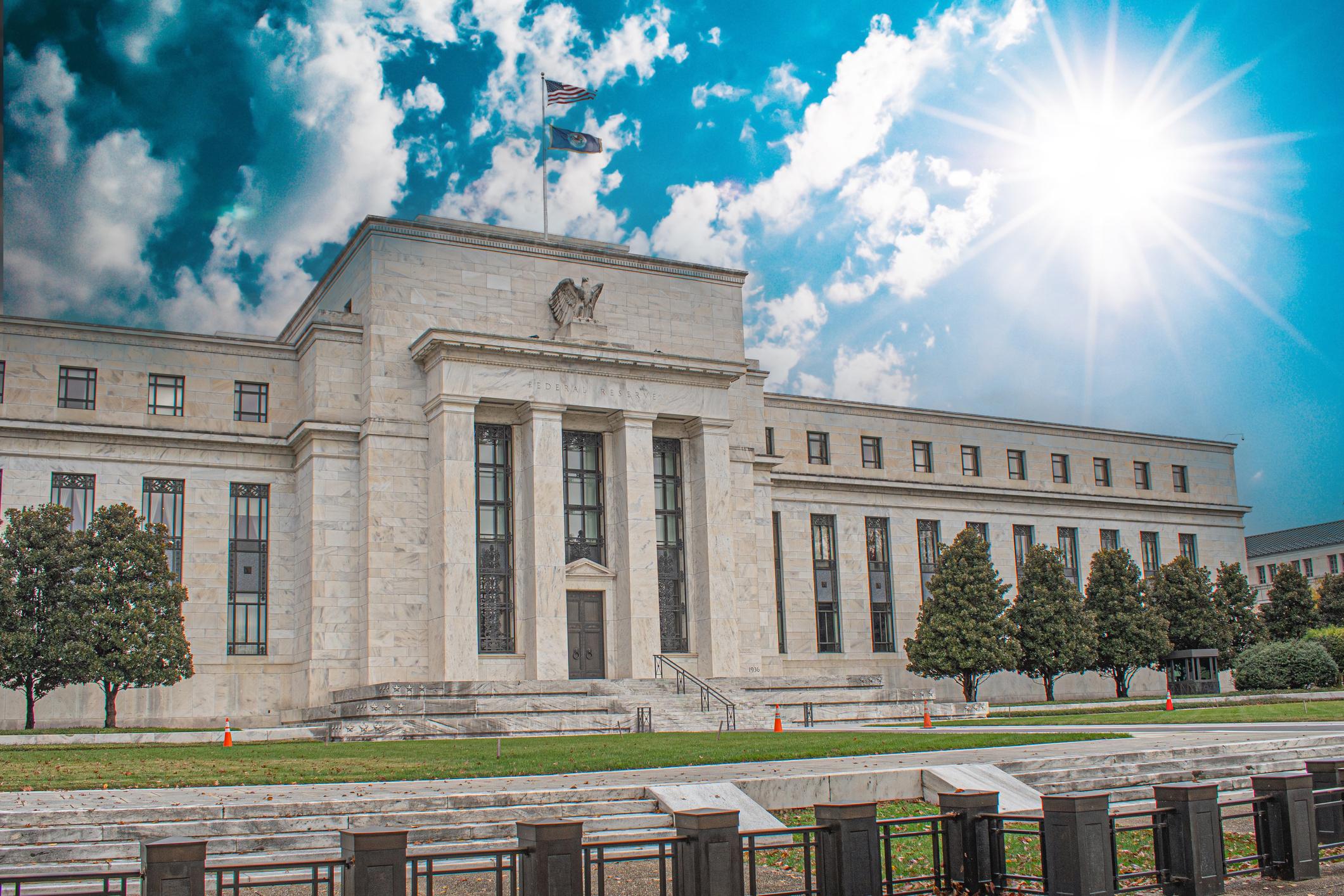
Central bank policy remains the dominant force shaping investor sentiment. Expectations surrounding the Federal Reserve continue to influence asset pricing, particularly in interest rate sensitive sectors. With inflation proving uneven across different segments of the economy, policymakers face a complex challenge.
This uncertainty explains why US markets today are reacting strongly to even subtle shifts in policy language. Investors are keenly aware that forward guidance can be as impactful as actual rate decisions.
Political Developments Add Another Variable
Beyond economics, political signals from Washington continue to play a role in shaping expectations. Leadership decisions and fiscal priorities have the potential to alter the broader economic landscape, especially when they intersect with monetary policy.
As a result, US markets today reflect not just corporate fundamentals but also anticipation around governance and policy direction. This blend of factors creates an environment where sentiment can change rapidly.
Sector Trends Reveal Defensive Positioning
A closer look at sector performance shows investors favoring stability over growth. Defensive sectors such as utilities, healthcare, and consumer staples have attracted steady inflows, while more cyclical industries have seen reduced enthusiasm.
This rotation suggests that US markets today are characterized by selective confidence rather than broad optimism. Investors appear willing to stay invested, but only where earnings visibility remains strong.
Technology Shares Face Renewed Scrutiny
Technology stocks, which have driven much of the market’s gains in recent years, are facing renewed evaluation. Higher financing costs and regulatory considerations have prompted investors to reassess valuations.
Although innovation remains a long-term strength, US markets today show that even leading sectors are not immune to changing macroeconomic conditions. As a result, stock selection has become more nuanced.
Global Markets Follow Wall Street’s Lead
International markets continue to mirror developments in New York. European equities opened mixed, while Asian markets closed with modest losses earlier in the session. Analysts note that US markets today remain a key reference point for global risk appetite.
From Brussels, financial commentators emphasized that the speed of information flow has intensified correlations between markets, amplifying reactions across regions.
Economic Data Keeps Investors on Edge
Market participants remain cautious as key indicators continue to send mixed signals, with one senior market strategist noting that
“investors are not fearful, but they are clearly cautious about committing fresh capital without clearer signals,”
a view that reflects how traders are balancing opportunity against uncertainty while closely monitoring inflation trends, labor data, and policy guidance before making decisive moves.
Corporate Earnings Shape Individual Stock Moves
Earnings season adds another layer of complexity. Strong company results can lift individual stocks even when broader indexes remain subdued. Conversely, disappointing reports can trigger sharp selloffs.
This environment highlights why US markets today favor stock-specific strategies over broad index exposure. Investors are increasingly focused on balance sheet strength and pricing power.
Investor Behavior Reflects Strategic Patience
Professional investors stress the importance of discipline during uncertain periods. Rather than reacting emotionally to daily fluctuations, many are maintaining long-term strategies centered on diversification and risk management.
Retail participation remains active, but US markets today demonstrate that experience often favors patience over impulse.
Historical Patterns Offer Perspective
Market history shows that periods of consolidation often precede clearer directional moves. Similar episodes in past cycles were marked by subdued volatility before renewed momentum emerged.
Viewed through this lens, US markets today may represent a pause rather than a turning point. Analysts caution against drawing dramatic conclusions from short-term movements alone.
Liquidity Conditions Remain Supportive
Despite uncertainty, liquidity conditions remain relatively stable. Credit markets continue to function smoothly, and funding stresses are absent. This backdrop provides an important cushion for equities.
Such conditions suggest that US markets today are supported by structural stability, even as sentiment fluctuates.
Currency and Commodity Markets React in Tandem
Movements in the dollar and commodities have mirrored equity trends. Currency traders are watching interest rate expectations closely, while commodity markets respond to global demand signals.
These cross-asset interactions reinforce the idea that US markets today influence far more than just stocks.

Global Investors Adjust Risk Exposure
International funds have adjusted exposure selectively rather than retreating wholesale from US assets. This measured approach reflects confidence in long-term fundamentals alongside short-term caution.
From a global perspective, US markets today remain attractive despite near-term uncertainty.
Policy Communication Becomes Increasingly Important
Clear communication from policymakers has become essential in managing expectations. Markets react quickly to ambiguity, making transparency a critical stabilizing factor.
This reality underscores why US markets today are closely attuned to official statements and speeches.
Outlook for the Remainder of the Year
Looking ahead, analysts expect gradual clarity to emerge as economic data accumulates. While volatility may persist, many believe the foundations for stability remain intact.
In this context, US markets today are seen as navigating transition rather than crisis.
A Broader View from Brussels
From the vantage point of Brussels, the current phase highlights the central role of US financial markets in shaping global economic narratives. European policymakers and investors alike remain attentive to developments across the Atlantic.
This transatlantic focus reinforces the importance of understanding US markets today within a global framework.
Beyond Volatility: Structural Strengths Remain
Despite short-term challenges, structural strengths such as innovation, productivity, and capital depth continue to support US markets. These factors underpin long-term confidence.
As a result, US markets today reflect adjustment rather than deterioration.
When Waiting Becomes a Strategy
Periods of uncertainty often reward patience. The current environment illustrates how waiting for clarity can be as strategic as taking action. For investors, understanding timing and context may prove more valuable than reacting to every headline.
In that sense, the story of US markets today in 2026 is less about immediate direction and more about disciplined observation—an approach that has defined successful market participation across generations.