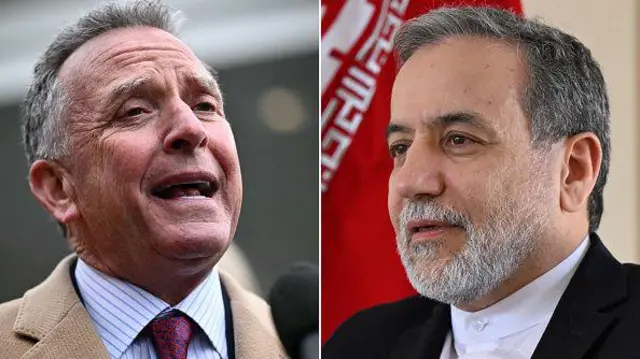
Istanbul, January 30, 2026 — According to parliament news, that Istanbul has emerged as a critical diplomatic crossroads in 2026 as regional leaders intensify dialogue amid persistent geopolitical tensions. From Turkey’s largest city, international focus has shifted toward evolving communication between Tehran and Washington, with Iran diplomacy with US increasingly framed around the need to reduce pressure and rebuild trust. The discussions between Iranian President Masoud Pezeshkian and Turkish President Recep Tayyip Erdogan underline Turkey’s expanding role as a facilitator in sensitive regional diplomacy.
Turkey’s strategic position bridging Europe and the Middle East has long positioned Istanbul as a natural venue for diplomatic engagement. In 2026, that role has gained renewed significance as global powers and regional actors seek to prevent escalation and revive dialogue in areas marked by prolonged confrontation and instability.
Clear Conditions for Diplomatic Engagement
Iran’s leadership has emphasized that any meaningful engagement with Washington must be rooted in a fundamental change of approach. During his communication with Erdogan, President Pezeshkian made clear that progress in Iran diplomacy with US cannot occur under the shadow of threats, pressure, or coercive tactics. Tehran’s stance reflects a consistent narrative that negotiations must be conducted on the basis of equality and mutual respect.
Iranian officials argue that hostile rhetoric and punitive measures erode confidence and narrow the space for constructive dialogue. From Tehran’s perspective, ending threats is not viewed as a concession but as a prerequisite for serious and sustainable engagement.
Turkey’s Role as a Diplomatic Bridge
Turkey has steadily positioned itself as a mediator capable of maintaining dialogue with competing powers. Ankara’s relationships with both Tehran and Washington provide it with a unique capacity to relay messages and encourage restraint at moments of heightened tension. Erdogan’s engagement with Pezeshkian highlights Turkey’s broader objective of limiting regional volatility that could disrupt trade, energy flows, and security, particularly as Iran diplomacy with US continues to shape regional calculations.
Istanbul’s diplomatic relevance lies not only in symbolism but also in practicality. The city offers a neutral and accessible environment where sensitive exchanges can occur without the constraints of formal negotiation frameworks or public pressure.
Historical Experience Shapes Current Positions
Relations between Iran and the United States have been shaped by decades of mistrust, punctuated by cycles of negotiation and abrupt breakdowns. Agreements reached in the past have often unraveled amid changes in leadership and policy priorities, reinforcing skepticism on both sides. This historical backdrop heavily influences contemporary expectations surrounding Iran diplomacy with US, making Iranian officials cautious about entering talks without clear assurances.
Tehran argues that previous diplomatic efforts faltered because commitments were not sustained, leaving Iran exposed to renewed pressure without corresponding political or economic benefits.
Security Concerns at the Core of Diplomacy
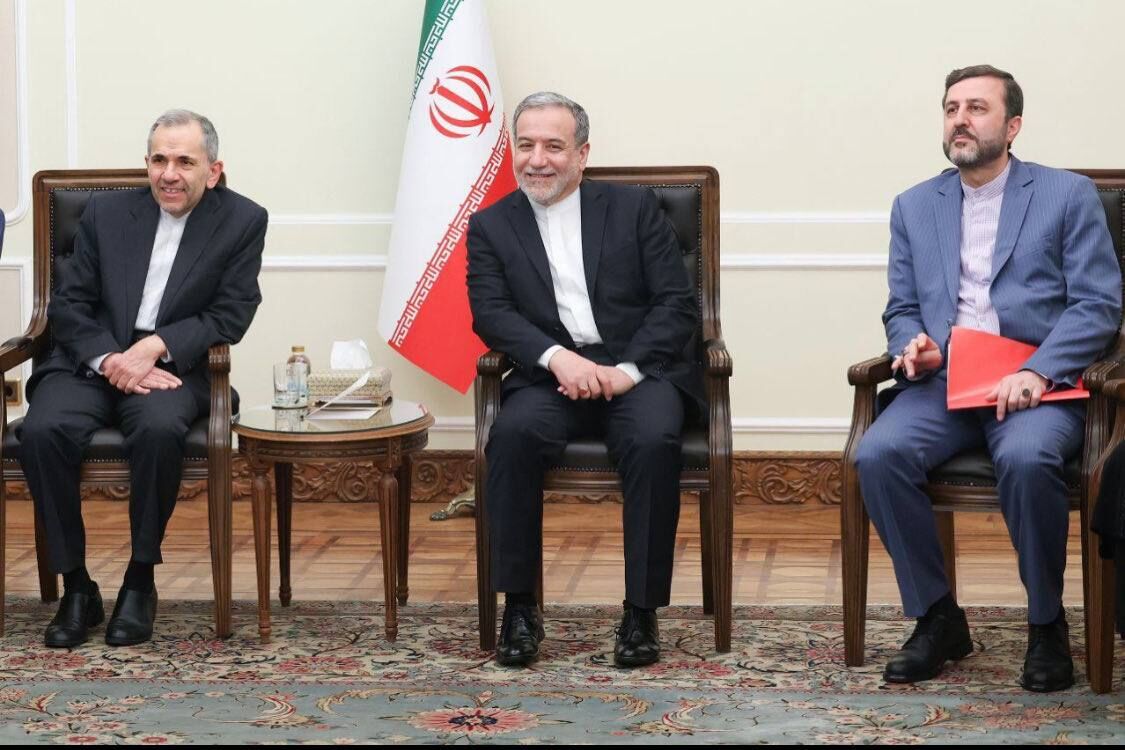
Regional security dynamics continue to play a central role in diplomatic calculations. Iran maintains that military threats, regional deployments, and confrontational messaging heighten the risk of miscalculation, potentially triggering wider conflict. Ending threats, Iranian officials say, is essential to lowering tensions and creating a stable environment for Iran diplomacy with US to advance meaningfully.
For Turkey, regional stability is not an abstract goal but a strategic necessity. Prolonged instability affects border security, migration flows, and economic confidence, making de-escalation a priority for Ankara’s foreign policy.
Economic Impact of Prolonged Stalemate
The absence of sustained dialogue between Tehran and Washington has produced measurable economic consequences. Sanctions and uncertainty constrain trade, deter foreign investment, and contribute to volatility in global energy markets. Analysts note that Iran diplomacy with US could ease economic pressures if it leads to reduced restrictions and clearer pathways for engagement.
These economic effects extend beyond Iran, affecting neighboring countries and international supply chains, particularly in energy-dependent regions.
European and International Monitoring
European governments and institutions continue to closely observe developments in Iran–US relations. Europe has historically supported diplomatic engagement as a means of reducing systemic risk in the Middle East. From European capitals, Turkey’s involvement is widely viewed as a stabilizing factor that may help prevent misunderstandings and escalation as Iran diplomacy with US remains uncertain.
While skepticism persists regarding the likelihood of rapid breakthroughs, European officials emphasize the importance of preserving communication channels even during periods of tension.
Diplomatic Voices Reflect the Mood
One senior regional diplomat familiar with the discussions said
“diplomacy cannot succeed when threats define the conversation, because lasting agreements are built on trust, predictability, and mutual restraint rather than pressure,”
a view that captures how Iran diplomacy with US is currently interpreted across diplomatic circles monitoring the exchanges between Tehran and Washington.
Strategic Messaging and Public Signals
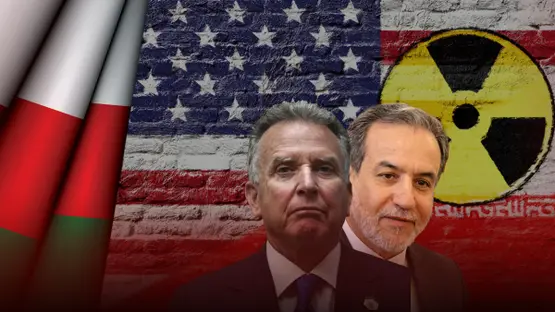
Public statements play a strategic role in shaping diplomatic expectations. By clearly articulating conditions, Iran seeks to define the framework for any future engagement while managing domestic and international perceptions. Such messaging signals firmness while leaving room for dialogue, a balance Tehran considers essential as Iran diplomacy with US remains conditional.
For observers in Istanbul and beyond, these signals are closely analyzed for indications of flexibility or rigidity in Iran’s negotiating posture.
Barriers to Renewed Negotiations
Despite renewed diplomatic signaling, substantial obstacles remain. Domestic political pressures in both Iran and the United States limit room for compromise, while regional rivalries and global geopolitical competition add further complexity. Analysts caution that Iran diplomacy with US will require more than rhetorical adjustments to translate into concrete diplomatic progress.
Confidence-building measures, they argue, will be essential to overcome entrenched mistrust.
Energy Security and Long-Term Stability
Energy security continues to be a critical concern for regional and global actors. Stability in the Middle East directly affects supply routes, pricing dynamics, and long-term investment decisions. Diplomatic progress between Tehran and Washington could contribute to a more predictable energy environment, reinforcing the strategic importance of Iran diplomacy with US beyond bilateral relations.
For Turkey and Europe, such stability is closely linked to economic resilience and long-term planning.
Outlook for the Year Ahead
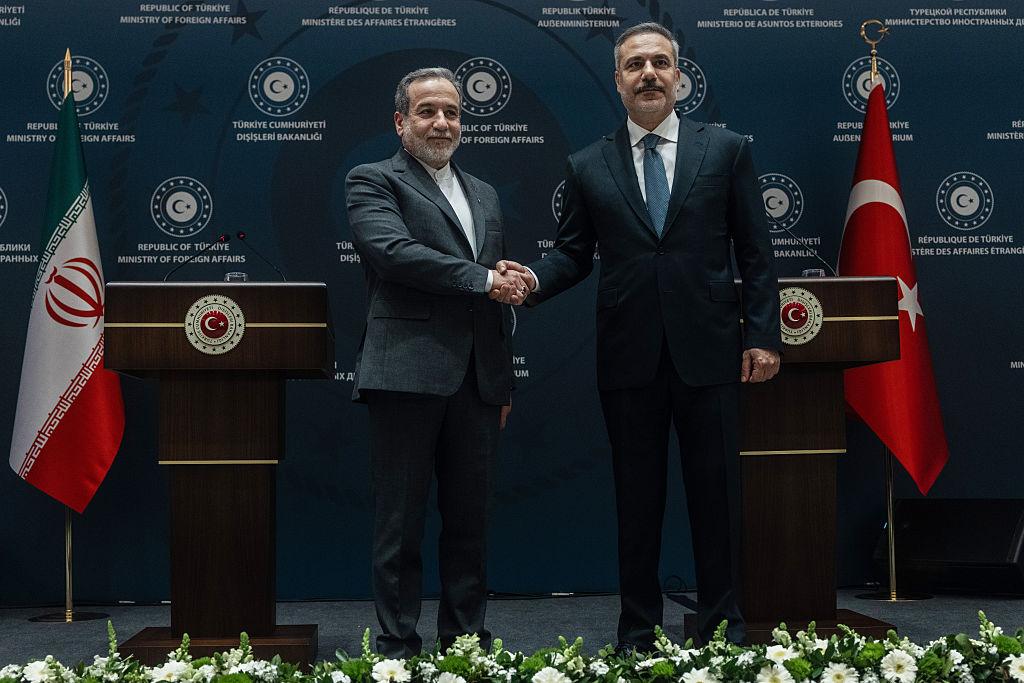
As 2026 unfolds, diplomatic observers expect continued signaling rather than immediate breakthroughs. Indirect communication, facilitated by regional actors such as Turkey, is likely to dominate the near-term landscape. Whether these exchanges evolve into formal negotiations will depend on broader strategic decisions in Tehran and Washington, as Iran diplomacy with US remains shaped by conditions rather than timelines.
When Conditions Shape the Path Forward
Diplomacy rarely advances without clearly defined expectations. By stating that engagement hinges on ending threats, Iran has reframed the conversation around responsibility and restraint. Whether this approach leads to renewed negotiations or prolonged stalemate will depend on how all parties respond. From Istanbul, the emphasis remains on patience, clarity, and sustained communication as essential tools for navigating one of the region’s most enduring diplomatic challenges.