

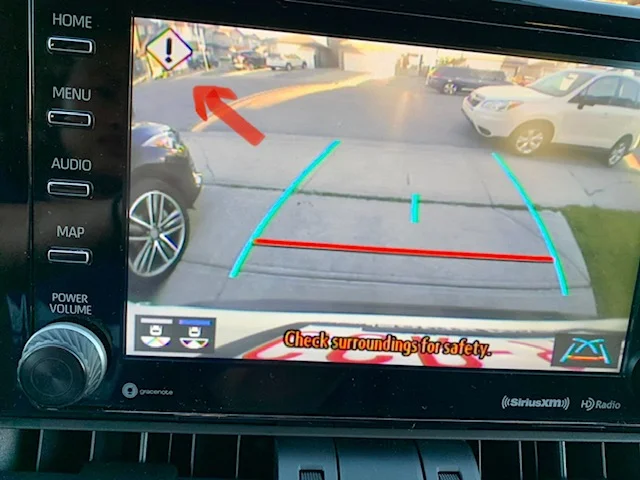
United States, January 31, 2026 — According to parliament news, that Toyota recall US vehicles has emerged as a major automotive safety development after Toyota confirmed a nationwide recall affecting more than 161,000 vehicles across the country due to a rear-view camera display defect that may reduce driver visibility during reversing maneuvers.
The announcement has drawn attention from federal regulators, consumer safety organizations, and motorists nationwide, as Toyota recall US vehicles places renewed focus on preventive safety measures amid growing reliance on digital systems in modern automobiles.
Growing Dependence on Digital Safety Systems
Over the past decade, automotive safety has evolved rapidly, and Toyota recall US vehicles highlights how traditional mechanical safeguards have increasingly been replaced by digital systems designed to assist drivers in real time.
While these technologies have improved road safety overall, Toyota recall US vehicles demonstrates how software errors and display malfunctions can undermine systems that drivers trust for daily driving decisions.
Origins of the Recall Decision
The recall originated from internal quality monitoring processes, and Toyota recall US vehicles followed engineering findings that revealed irregular rear-view camera behavior during routine testing and customer feedback analysis.
These issues were particularly concerning during low-speed maneuvers, and Toyota recall US vehicles was initiated voluntarily after confirming the defect pattern rather than waiting for regulatory intervention.
Why Early Action Matters
Voluntary recalls are widely viewed as a sign of responsible corporate conduct, and Toyota recall US vehicles reflects the importance of acting before injuries or fatalities occur.
Industry analysts note that as vehicles grow more complex, Toyota recall US vehicles underscores why early detection is essential to maintaining public trust in advanced safety technologies.
Scope and Scale of the Affected Vehicles
The recall applies to a range of Toyota models produced during specific manufacturing periods, and Toyota recall US vehicles primarily affects those equipped with certain multimedia display units.
For many owners, Toyota recall US vehicles represents their first experience with a defect linked to software rather than a traditional mechanical failure.
Rear-View Cameras and Road Safety
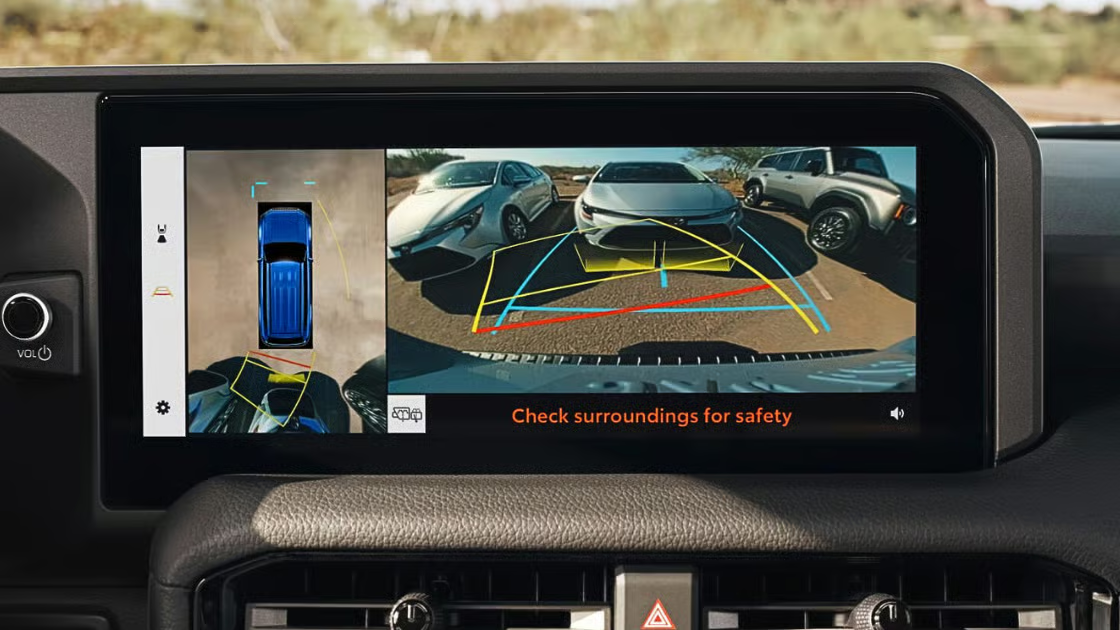
Rear-view cameras became mandatory in new US vehicles due to their role in reducing backover accidents, and Toyota recall US vehicles reinforces how critical these systems are for driver awareness.
When camera displays fail unexpectedly, Toyota recall US vehicles shows how even advanced safety features can become potential hazards if reliability is compromised.
Regulatory Oversight in the United States
Federal vehicle safety regulators closely monitor recalls involving required equipment, and Toyota recall US vehicles has drawn scrutiny because rear-visibility systems fall under strict performance standards.
Safety agencies have emphasized that Toyota recall US vehicles aligns with expectations for early compliance as automotive technology becomes increasingly software driven.
Manufacturer Response and Repair Strategy
Toyota confirmed that affected owners will be notified directly, and Toyota recall US vehicles repairs will be conducted free of charge at authorized dealerships nationwide.
A company spokesperson stated that customer safety remains the top priority, and Toyota recall US vehicles remedies may include software updates, recalibration, or display replacement depending on the model.
What Drivers Can Expect During Repairs
Owners responding to the recall will schedule dealership appointments, and Toyota recall US vehicles repairs are expected to be completed during a single visit in most cases.
Until corrective action is taken, Toyota recall US vehicles guidance advises drivers to rely on mirrors and direct observation when reversing.
Public Reaction and Consumer Awareness
Public reaction has ranged from concern to approval, and Toyota recall US vehicles has been praised by safety advocates for addressing the issue before serious incidents occurred.
Despite broad coverage, Toyota recall US vehicles faces challenges as studies show many recalled vehicles are never repaired due to missed notifications or delays.
The Role of Dealership Networks
Dealerships serve as the operational backbone of recall execution, and Toyota recall US vehicles places increased pressure on service departments nationwide.
Efficient coordination is essential, as Toyota recall US vehicles tests dealer capacity to manage high repair volumes while maintaining routine service operations.
Broader Industry Implications
The recall reflects a wider shift toward software-driven vehicle architecture, and Toyota recall US vehicles illustrates how electronics now rival mechanical parts in safety importance.
Analysts suggest Toyota recall US vehicles may influence future testing standards for digital safety systems across the industry.
Economic and Market Considerations
Recalls can be financially demanding, but Toyota recall US vehicles is viewed by analysts as a manageable operational issue rather than a long-term market threat.
Transparent handling of the issue supports brand stability, and Toyota recall US vehicles demonstrates how proactive safety management can protect consumer confidence.
Technology Reliability in Modern Vehicles
Modern vehicles rely on seamless interaction between hardware and software, highlighting the challenges manufacturers face in ensuring consistent system performance across increasingly complex automotive platforms.
Extreme temperatures, variable lighting conditions, and prolonged use all place stress on electronic systems, underscoring the need for rigorous testing, validation, and long-term quality assurance practices.
Lessons for Consumers
For drivers, Toyota recall US vehicles serves as a reminder to stay informed about safety notices and respond promptly to manufacturer communications.
Active owner participation is essential, and Toyota recall US vehicles success depends on timely consumer action.
Policy and Safety Outlook
As digital features become standard across the automotive industry, recent recall developments may influence future discussions surrounding software regulation, vehicle update standards, and oversight mechanisms.
Regulatory frameworks could evolve as authorities seek clearer guidelines for identifying, reporting, and resolving digital safety defects on an industry-wide scale.
Looking Ahead for the Manufacturer
The automaker has indicated it will continue monitoring vehicle performance data to confirm that corrective actions fully address the issue identified in the recall.
Maintaining customer trust will depend on the quality of execution, with clear communication and efficient repair processes playing a central role in long-term confidence.
Global Context of Automotive Recalls
Although this recall is limited to the United States, it reflects a broader global trend affecting automakers operating in multiple markets worldwide.
Lessons learned domestically often inform international safety practices, contributing to long-term improvements in vehicle quality, regulatory coordination, and consumer protection across borders.
Manufacturer Commitment to Vehicle Safety
“Customer safety remains our top priority, and we are committed to addressing identified issues quickly and effectively,”
the company said, underscoring how proactive action and transparent communication are central to maintaining public trust during large-scale vehicle safety campaigns.
Digital Displays and Driver Behavior
Driver reliance on screen-based systems continues to grow, and Toyota recall US vehicles highlights behavioral risks when displays fail unexpectedly.
Education remains critical, and Toyota recall US vehicles reinforces the importance of maintaining traditional visual checks.
Environmental and Sustainability Considerations
Recall campaigns also carry environmental implications, as repair operations consume resources and generate waste, making efficiency an important consideration.
Manufacturers are increasingly prioritizing sustainability, exploring methods to reduce environmental impact through streamlined repairs, optimized logistics, and responsible material use.
The Human Element in Vehicle Safety
Behind every recall are individuals, families, and communities whose daily routines and sense of security may be affected by vehicle safety issues.
Recognizing this human impact helps explain why recall decisions carry importance beyond regulatory requirements and corporate responsibility.
Final Analysis of the Recall Impact
The recall reflects a convergence of technology, regulation, and public trust, demonstrating how swift and decisive action can significantly limit long-term safety and reputational risks.
When handled effectively, such responses strengthen accountability across the automotive industry and reinforce expectations for responsible safety management.
A Defining Moment for Automotive Safety Culture
As digital recalls become more common across the automotive industry, this episode serves as a benchmark for how manufacturers may respond to similar challenges in the future.
The experience gained from managing large-scale safety actions of this kind is likely to influence industry safety culture, testing standards, and accountability for years to come.
Closing Perspective From the Road Ahead
Vehicle safety continues to evolve alongside rapid technological innovation, underscoring why system reliability must remain central to progress in modern automotive design.
Transparency, early intervention, and active consumer engagement have defined the response, reinforcing core principles that will remain essential as the industry continues to change.