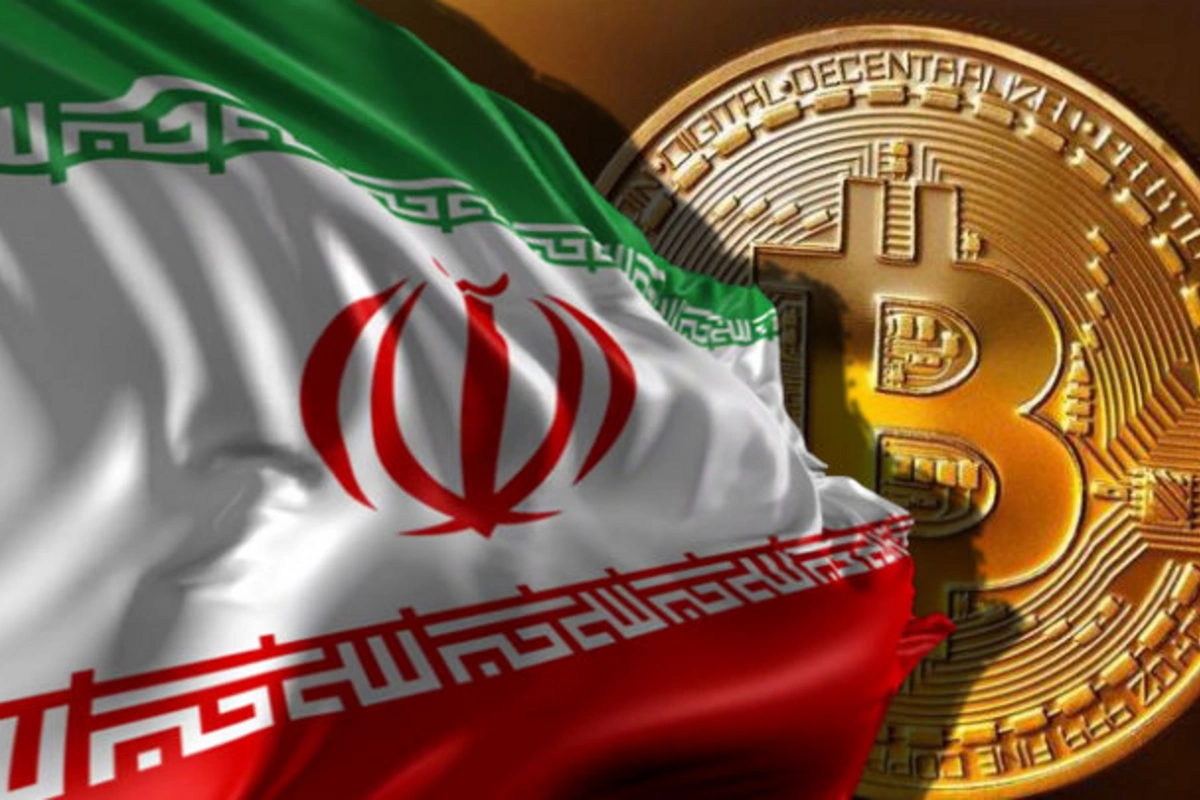
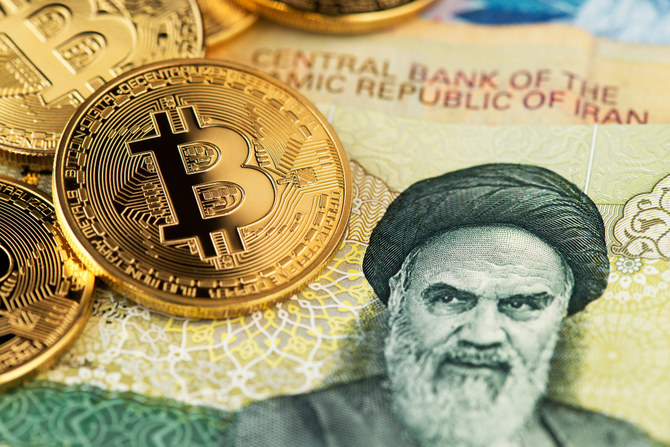
Tehran, February 3, 2026 — Parliament News highlights a pivotal moment in Iran’s financial evolution as digital assets gain deeper roots across the country. In a climate shaped by economic pressure, innovation, and international scrutiny, the Iran crypto market has become a subject of growing global interest. United States policymakers and financial regulators are carefully watching developments, evaluating how blockchain-based systems intersect with sanctions enforcement, transparency requirements, and regional stability.
What began as a niche activity among technology enthusiasts has evolved into a widespread financial practice touching households, small businesses, and online service providers. Cryptocurrencies are increasingly used not only as investment instruments but also as practical tools for payments and value preservation.
Economic Pressures Reshaping Financial Choices
Iran’s economy continues to navigate a complex mix of inflation, currency volatility, and restricted access to global banking networks. These factors have significantly influenced how individuals and companies manage finances. Traditional methods of cross-border settlement remain slow and costly, while domestic currency fluctuations challenge long-term planning.
Economists argue that growth in the Iran crypto market reflects pragmatic adaptation rather than speculative frenzy. Digital assets offer speed, flexibility, and a sense of control that conventional channels often fail to provide under current conditions.
Retail Participation Across Urban Centers
In Tehran, Isfahan, Mashhad, Shiraz, and other major cities, retail participation has expanded rapidly. Mobile trading applications, online forums, and peer-to-peer platforms have lowered entry barriers, enabling users to exchange digital assets with relative ease.
This broad participation has transformed the Iran crypto market into a grassroots-driven ecosystem. Knowledge sharing through social networks and informal training sessions has played a key role in accelerating adoption among younger demographics and self-employed professionals.
Cryptocurrency in Everyday Commerce
Beyond trading, digital currencies are increasingly integrated into everyday economic activity. Freelancers receive international payments through blockchain networks, small importers settle invoices using digital tokens, and online merchants accept crypto transfers to avoid delays.
These real-world applications have reinforced the functional relevance of the Iran crypto market, anchoring it firmly within the broader commercial landscape rather than limiting it to speculative use.
Mining Activity and Energy Policy
Cryptocurrency mining has been a visible component of Iran’s digital asset story. Early growth was fueled by access to energy resources, attracting both domestic and foreign operators. Over time, increased electricity demand placed strain on power infrastructure.
Authorities responded with licensing requirements, seasonal restrictions, and revised pricing structures. Despite tighter controls, mining continues to contribute to the scale and technical depth of the Iran crypto market, supporting local expertise and operational know-how.
US Oversight and Strategic Evaluation
From Washington’s perspective, digital assets in sanctioned environments pose complex challenges. Decentralized systems operate outside traditional banking rails, complicating established monitoring methods while offering new analytical possibilities through transparent ledgers.
A senior financial policy advisor noted, “Digital finance requires regulators to evolve toward smarter, technology-driven oversight.” This assessment helps explain sustained attention on the Iran crypto market within US regulatory discussions.
Blockchain Analytics and Transparency
Contrary to early perceptions, blockchain activity is not inherently opaque. Transactions are permanently recorded, allowing sophisticated analytics to trace flows and identify suspicious patterns.
Global regulators increasingly rely on these tools when assessing activity linked to the Iran crypto market, signaling a shift from broad restrictions toward targeted enforcement strategies.
Domestic Regulatory Balancing Act
Iranian authorities face the challenge of encouraging innovation while maintaining monetary control. Cryptocurrencies are not recognized as legal tender, yet regulated frameworks exist for mining operations, exchange oversight, and experimental blockchain projects.
This cautious approach continues to define the structure and boundaries of the Iran crypto market, allowing controlled growth while addressing systemic risks.
Regional Trade and Informal Finance
Digital assets have found practical use in regional trade networks. Small merchants and service providers increasingly rely on crypto payments to bypass delays, reduce conversion costs, and improve settlement speed.
As these practices expand, the Iran crypto market is exerting influence beyond national borders, subtly reshaping informal financial flows across neighboring economies.
Technology Talent and Innovation
Iran’s strong pool of engineers and software developers underpins innovation across the digital asset space. Beyond trading and mining, blockchain applications are being explored in logistics, authentication, and record management.
Innovation connected to the Iran crypto market suggests a gradual transition from speculative use toward utility-focused solutions that support broader economic functions.
Risk Environment and Investor Awareness
Despite expansion, risks remain significant. Price volatility, cybersecurity threats, and regulatory uncertainty pose ongoing challenges for users and businesses.
Financial educators emphasize that participation in the Iran crypto market requires informed decision-making, strong security practices, and continuous monitoring of policy developments.
Global Market Implications
Although direct foreign investment remains constrained, Iran’s digital asset activity influences global crypto ecosystems indirectly. Mining output and transaction flows affect liquidity and network dynamics.
This interconnectedness keeps the Iran crypto market under observation by international exchanges, analysts, and institutional researchers.
History of Digital Assets in Iran
Cryptocurrency adoption in Iran began gaining momentum in the late 2010s through informal trading communities and small-scale mining operations. Early regulatory ambiguity allowed experimentation, which gradually evolved into structured oversight as volumes increased.
Over time, the Iran crypto market developed under conditions shaped by sanctions, domestic demand, and technological resilience, giving it a distinct trajectory compared with other emerging markets.
Cybersecurity and Infrastructure Challenges
As adoption grows, exposure to cyber risks increases. Phishing schemes, platform vulnerabilities, and fraud incidents have highlighted the need for stronger safeguards.
Stakeholders agree that long-term credibility of the Iran crypto market depends on trust, education, and resilient digital infrastructure capable of supporting sustained growth.
Public Awareness and Financial Literacy
Public understanding of digital assets varies widely. Universities, technology groups, and online educators are working to improve financial literacy and promote responsible usage.
Greater awareness is seen as essential for stabilizing the Iran crypto market and reducing speculative excess that could undermine confidence.
Regulatory Outlook and International Coordination
Looking ahead, analysts expect gradual tightening of oversight alongside selective support for innovation. International coordination on digital asset standards is also likely to deepen as regulators adapt to cross-border realities.
The future trajectory of the Iran crypto market will depend on how effectively policy frameworks align with technological change and economic needs.
Beyond Technology and Finance
In 2026, Iran stands at a defining juncture where digital assets intersect with geopolitics, innovation, and economic reform. Decisions made today will influence financial behavior for years to come.
As Brussels Morning Newspaper observes, Iran’s digital finance journey reflects wider global debates over sovereignty, transparency, and the evolving role of technology in modern economies.