Brussels, February 3, 2026: Parliament News notes — that The expansion of AI data centers has become one of the most defining forces shaping the global digital economy, as governments, technology firms, and institutional investors accelerate spending on infrastructure that supports artificial intelligence workloads. From public services to private enterprise, advanced computing facilities are increasingly viewed as essential national assets underpinning productivity, security, and long-term economic growth.
As artificial intelligence moves from experimental deployment to mainstream application, demand for scalable, high-performance infrastructure has surged. This shift is redefining how countries plan energy use, urban development, and industrial strategy, placing digital infrastructure alongside transportation and power networks in terms of strategic importance.
Global Investment Momentum Accelerates Across Regions
Capital flows into advanced computing infrastructure have expanded significantly as public and private stakeholders seek to secure capacity for data-intensive operations. Large technology companies are committing multi-year investment plans, while governments are introducing incentives aimed at attracting infrastructure development within their borders.
The rise of AI data centers reflects a broader transition in global economics, where data processing capability increasingly determines competitiveness. Regions with reliable connectivity, skilled labor, and energy stability are emerging as preferred destinations for development, reinforcing geographic concentration in key digital hubs.
At the same time, emerging markets are positioning themselves to capture a share of this growth by modernizing regulatory frameworks and improving power and network reliability.
Artificial Intelligence Drives Structural Infrastructure Change
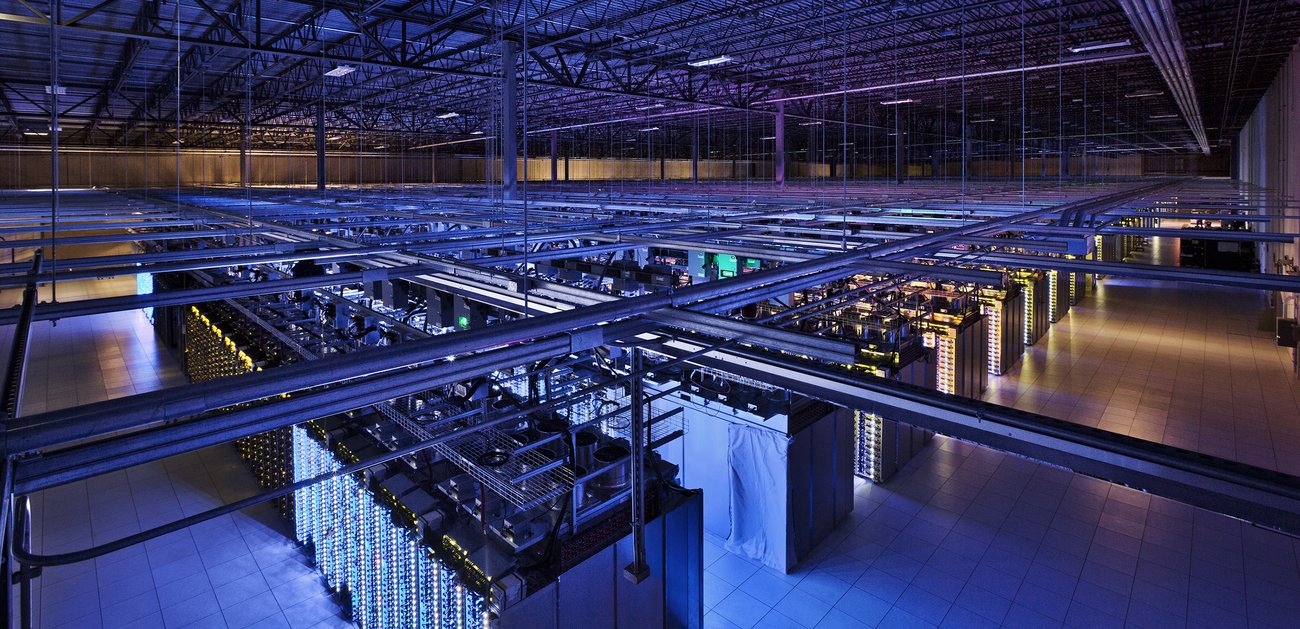
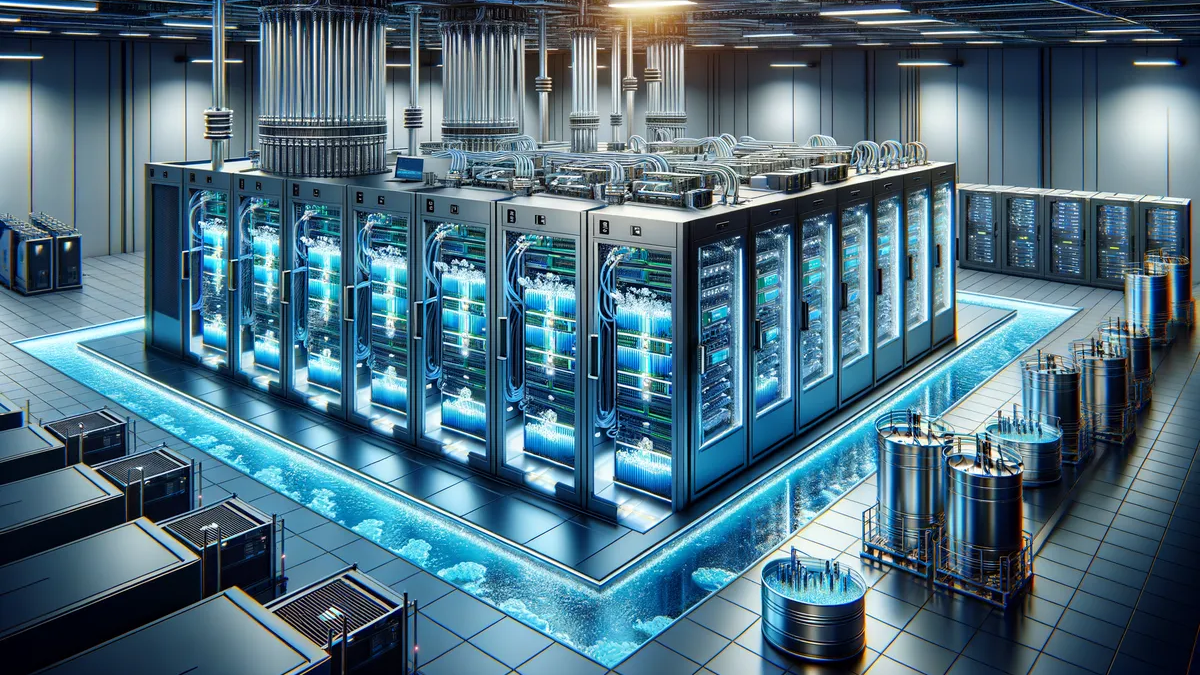
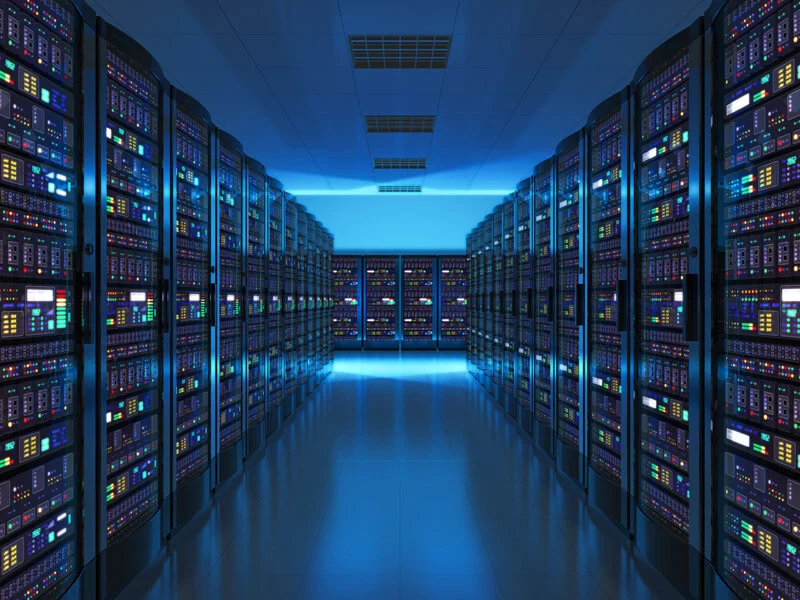
Unlike traditional computing facilities, infrastructure designed for artificial intelligence must handle parallel processing, massive data throughput, and constant optimization. These requirements have led to architectural changes in facility design, including higher rack densities, advanced cooling systems, and integration with specialized hardware.
The rapid scaling of AI data centers illustrates how infrastructure is adapting to software-driven demand rather than legacy enterprise workloads. This shift has implications for construction timelines, capital intensity, and long-term operational planning, forcing operators to rethink lifecycle management and resilience.
The emphasis on flexibility and scalability has become central to infrastructure investment decisions.
Government Policy Aligns With Digital Sovereignty Goals
Policymakers increasingly frame digital infrastructure as a matter of sovereignty and resilience. Ensuring domestic access to advanced computing capability is seen as essential for economic independence, public sector innovation, and national security.
The deployment of AI data centers within national and regional boundaries is being encouraged through targeted incentives, streamlined permitting, and public-private partnerships. These measures aim to reduce dependence on external providers while fostering innovation ecosystems that support local industry and research.
As regulatory frameworks evolve, governments are balancing openness to investment with safeguards around data protection and critical infrastructure control.
Energy Infrastructure Faces New Pressures
One of the most significant challenges associated with infrastructure expansion is energy demand. High-performance computing workloads require stable, high-capacity power supplies, placing pressure on grids already adapting to electrification and decarbonization.
The growth of AI data centers has intensified collaboration between infrastructure operators and energy providers. Renewable sourcing agreements, on-site generation, and advanced efficiency measures are increasingly standard components of project planning.
These developments are reshaping energy markets while accelerating investment in grid modernization and storage technologies.
Corporate Strategy Shifts Toward Infrastructure Control
Technology companies are reassessing their reliance on third-party infrastructure as AI becomes central to core business models. Owning or securing long-term access to computing capacity is increasingly viewed as a strategic necessity rather than a cost optimization exercise.
By expanding AI data centers, corporations gain greater control over performance, security, and scalability. This shift has implications for cloud service markets, competitive dynamics, and capital allocation priorities across the technology sector.
Infrastructure ownership is now closely linked to innovation speed and service reliability.
Financial Markets Respond to Infrastructure Expansion
Investors have shown growing interest in companies and funds exposed to digital infrastructure development. The predictable, long-term revenue profiles associated with computing facilities are attracting institutional capital seeking stability amid broader market volatility.
Exposure to AI data centers is increasingly viewed as a proxy for participation in long-term technology growth. This perception has driven valuation reassessments across infrastructure, real estate, and semiconductor sectors, reflecting expectations of sustained demand.
Market participants continue to evaluate risks related to energy costs, regulation, and technological change.
Workforce Development and Skills Transformation
The expansion of advanced computing infrastructure is generating demand for specialized skills across engineering, operations, cybersecurity, and energy management. Education systems and training programs are adapting to meet these requirements.
Growth in AI data centers supports high-value employment while reinforcing regional innovation clusters. Universities, vocational institutions, and private employers are collaborating to ensure talent pipelines align with evolving technical needs.
This workforce transformation is becoming a key factor in regional competitiveness.
One Industry Perspective
One senior infrastructure strategist said,
“Advanced computing facilities are no longer optional assets; they are the backbone of economic resilience and technological leadership in the modern era.”
Security and Risk Management Take Priority
As reliance on digital infrastructure deepens, risk management has become a central concern. Operators are investing heavily in cybersecurity, physical protection, and redundancy to ensure uninterrupted service.
The concentration of sensitive workloads within AI data centers heightens the importance of robust governance frameworks. Threat mitigation strategies now encompass everything from cyber intrusion detection to climate resilience planning.
Security considerations increasingly influence site selection and architectural design.
Supply Chain Dynamics and Equipment Demand
Infrastructure expansion is driving sustained demand for specialized hardware, including processors, memory, networking equipment, and cooling systems. Supply chain resilience has become a strategic priority as geopolitical and logistical risks persist.
The scaling of AI data centers has reinforced the importance of diversified sourcing and long-term supplier relationships. Manufacturers are responding by expanding capacity while investing in next-generation technologies optimized for performance and efficiency.
These dynamics are reshaping global technology supply chains.
Environmental Sustainability and Public Scrutiny
Public attention on environmental impact is shaping how infrastructure projects are evaluated and approved. Communities and regulators are increasingly scrutinizing energy use, water consumption, and land impact.
Operators of AI data centers are responding with sustainability commitments, transparency initiatives, and investments in efficiency innovation. Environmental performance is now closely linked to project viability and social license to operate.
Sustainability has shifted from a reputational consideration to a strategic imperative.
History of AI Data Centers and Digital Infrastructure
The evolution of AI data centers can be traced back to early cloud computing facilities designed to centralize enterprise workloads. As machine learning applications emerged, infrastructure requirements shifted toward higher performance and greater scalability.
Over time, advances in hardware acceleration, networking, and software optimization transformed these facilities into specialized environments capable of supporting complex AI models. This historical progression reflects the broader evolution of computing from centralized processing to distributed, data-driven systems.
Understanding this history provides context for the scale and speed of today’s infrastructure expansion.
Regional Competition Intensifies
Countries and cities are increasingly competing to attract infrastructure investment. Access to power, regulatory clarity, and talent availability are key differentiators influencing site selection.
The strategic importance of AI data centers has elevated infrastructure policy to the highest levels of government planning. Regional success in attracting projects can generate long-term economic benefits, including job creation and innovation spillovers.
Competition is expected to intensify as demand continues to grow.
Long-Term Economic Implications
Economists view advanced computing infrastructure as a general-purpose input that amplifies productivity across sectors. By enabling faster data analysis and automation, these facilities support innovation at scale.
The sustained expansion of AI data centers suggests that digital infrastructure will play a role comparable to railways, highways, and electricity grids in previous eras of economic development.
Its impact will likely extend beyond technology into broader patterns of growth and globalization.
Infrastructure as Strategic Capital
Beyond physical assets, advanced computing capacity is increasingly recognized as strategic capital shaping national and corporate futures. Its value lies not only in immediate output but in enabling long-term adaptability.
The continued expansion of AI data centers signals a shift in how societies invest in resilience and innovation. As digital systems become deeply embedded in daily life, infrastructure planning will remain a defining policy and economic issue.