

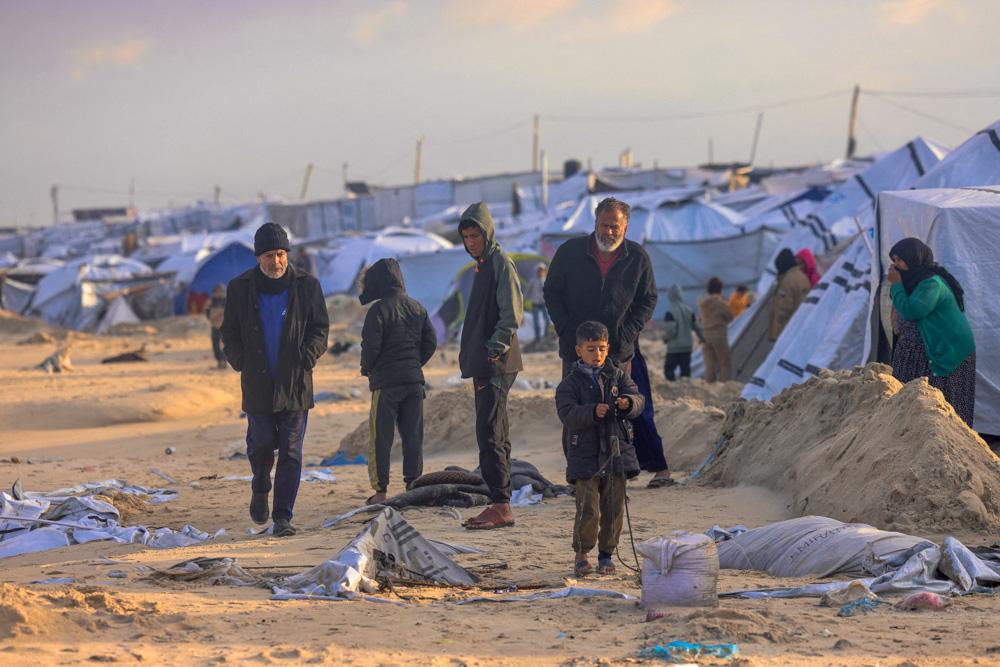
Central Gaza, February 3, 2026 — According to Parliament News, Prolonged winter rainfall, falling temperatures, and persistent winds are worsening the humanitarian emergency facing displaced Palestinians across central areas of the Gaza Strip. Families already living in fragile conditions are struggling to survive as shelters flood, health risks rise, and access to essential services remains severely constrained. Aid agencies warn that Cold weather Gaza is magnifying the impact of displacement and pushing vulnerable communities closer to the brink.
What began as temporary displacement has evolved into a prolonged crisis, with winter conditions exposing the limits of emergency shelter and humanitarian response. As rain continues to fall and temperatures remain low, the daily reality for thousands of families has become a battle against the elements.
Flooded Camps and Collapsing Shelters
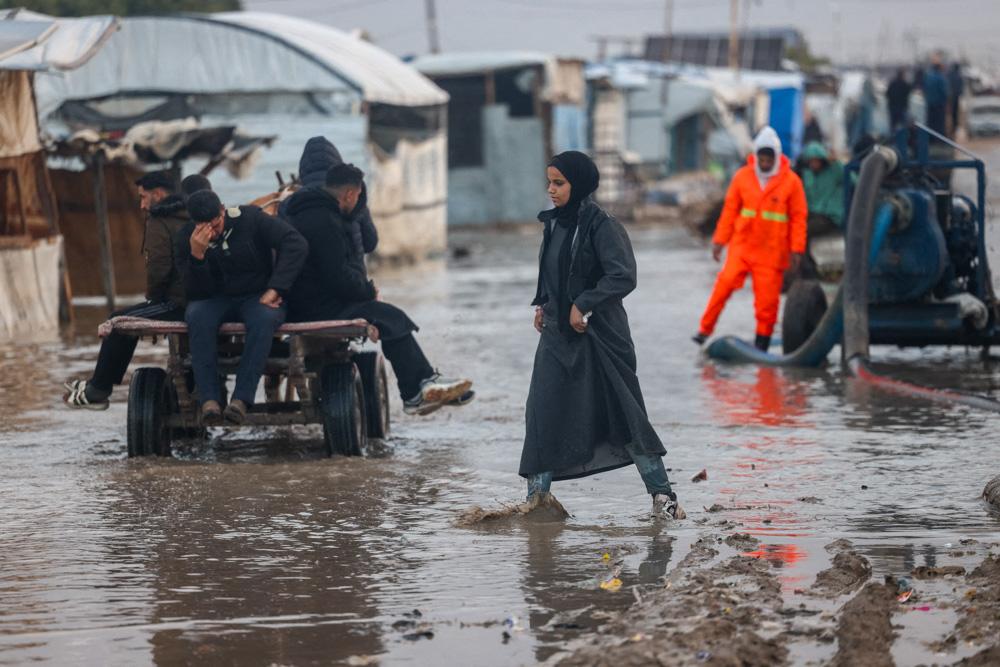
Heavy winter rain over recent weeks has transformed informal displacement camps into waterlogged settlements. Makeshift shelters constructed from plastic sheets, fabric, and salvaged wood provide minimal protection against sustained downpours. In low-lying parts of central Gaza, floodwater pools around tents, soaking bedding, clothing, and food supplies.
Residents describe waking up to standing water inside shelters and mud surrounding their living spaces. For many families, Cold weather Gaza means there is no opportunity to dry essential belongings before the next wave of rain arrives. Aid workers report that some tents collapse overnight as rainwater accumulates on weak roofs, forcing families to relocate repeatedly within already overcrowded areas.
A humanitarian aid coordinator working in central Gaza said,
“Families are living in shelters that were never designed to withstand winter, and the rain is exposing just how fragile these conditions are. Every storm makes daily survival more difficult.”
Severe Shelter Shortages Exposed by Winter
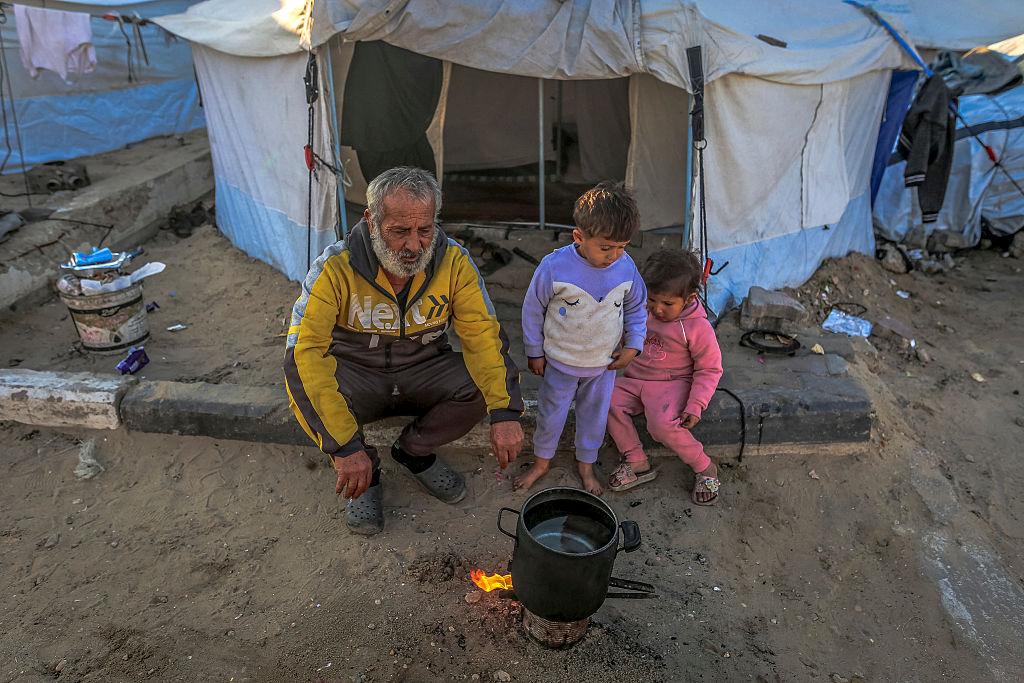
Central Gaza has absorbed large numbers of displaced people, placing enormous strain on available shelter options. Schools, unfinished buildings, and open land have been converted into emergency accommodation, often without insulation or weatherproofing. In many shared shelters, dozens of families live side by side with little privacy and limited protection from cold air and dampness.
Aid agencies say Cold weather Gaza is especially dangerous in these crowded environments. Nighttime temperatures drop sharply, increasing the risk of hypothermia among infants and elderly residents. Although humanitarian organizations have distributed blankets and plastic sheeting, supplies remain insufficient, and many families rely on worn materials that offer diminishing protection as winter progresses.
Health Risks Rise as Temperatures Fall
Medical teams operating in central Gaza report a sharp increase in winter-related illnesses. Respiratory infections such as pneumonia and bronchitis are becoming more common, particularly among children who spend long hours in cold, damp shelters. Skin infections linked to prolonged moisture exposure are also on the rise.
Doctors warn that Cold weather Gaza compounds health risks because many displaced residents are already malnourished, weakening their immune systems. Clinics are struggling with shortages of medicines, fuel, and medical equipment, while power cuts disrupt heating and essential services.
A medical worker at a temporary clinic in central Gaza said,
“We are seeing a clear rise in respiratory infections and skin diseases linked directly to cold, damp living conditions, especially among children and older people.”
Children at the Center of the Crisis
Children make up a significant portion of Gaza’s displaced population, and winter conditions are taking a visible toll on their physical and emotional well-being. Many lack adequate winter clothing, shoes, or dry bedding, leaving them exposed to cold nights and persistent rain.
Parents say Cold weather Gaza nights are particularly distressing, with children shivering for hours. Education has also been severely disrupted, as schools serve as shelters or remain inaccessible due to flooding. Aid organizations warn that prolonged exposure to such conditions may have lasting effects on children’s development, mental health, and educational progress.
Water and Sanitation Systems Under Strain
Winter rain has overwhelmed fragile water and sanitation infrastructure in displacement areas. Flooding mixes with wastewater in some locations, contaminating living spaces and increasing the risk of disease outbreaks. Access to clean drinking water remains inconsistent, forcing families to ration supplies or rely on unsafe sources.
Public health experts caution that Cold weather Gaza flooding heightens the risk of waterborne illnesses, including diarrhea and skin infections. Emergency latrines are frequently damaged by rain, while limited drainage allows stagnant water to linger near shelters.
Fuel Shortages Deepen Winter Hardship
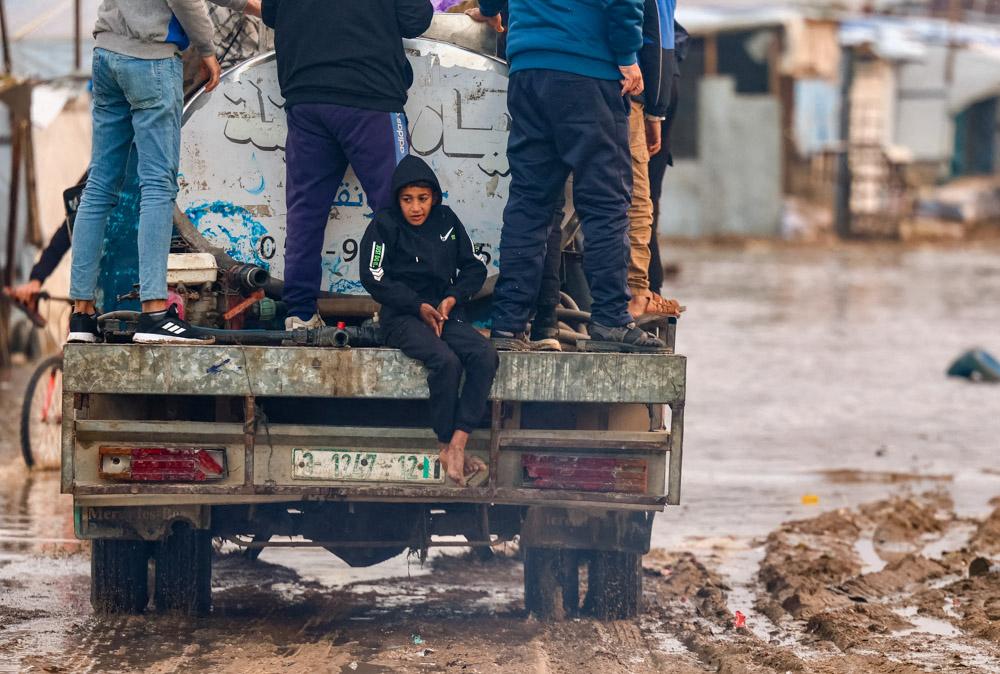
Fuel scarcity remains one of the most pressing challenges during winter. Without reliable fuel, families cannot heat shelters, cook food safely, or boil water. Many resort to burning scraps of wood, cardboard, or plastic, producing toxic fumes that worsen respiratory problems.
Humanitarian assessments show that Cold weather Gaza combined with fuel shortages forces families into impossible choices between warmth and food preparation. Hospitals and aid facilities face similar challenges, struggling to keep generators running during cold spells.
Obstacles to Humanitarian Aid Delivery
Despite ongoing relief efforts, humanitarian organizations face significant challenges delivering winter assistance. Damaged roads, logistical constraints, and access restrictions slow the movement of supplies. Even when aid reaches central Gaza, the scale of need far exceeds available resources.
Relief agencies emphasize that Cold weather Gaza conditions require sustained access to winter-specific aid, including insulated shelters, thermal clothing, and heating fuel. Short-term distributions provide limited relief when cold and rain persist for weeks.
An international relief official involved in winter response efforts said,
“Cold weather Gaza is turning an already severe displacement crisis into a life-threatening emergency, and without sustained access for aid deliveries, the situation will continue to deteriorate.”
Economic Pressure on Displaced Families
Displacement has stripped many households of their livelihoods, leaving families dependent on aid. Winter weather further reduces opportunities for informal work, as rain and cold limit outdoor activity. Families report spending scarce funds on basic winter necessities such as firewood or plastic sheeting, often at inflated prices.
Aid organizations note that Cold weather Gaza adds another layer of financial strain to households already struggling to meet daily needs. Cash assistance programs, where available, offer some flexibility, allowing families to prioritize urgent winter expenses.
Psychological Impact of Prolonged Winter Exposure
Beyond physical hardship, winter conditions are taking a significant psychological toll. Constant exposure to cold, fear of flooding, and uncertainty about shelter stability contribute to anxiety and depression among displaced adults.
Mental health workers report that Cold weather Gaza exacerbates trauma related to conflict and displacement. Children show signs of distress, including sleep disturbances and withdrawal, while adults report feelings of exhaustion and helplessness.
Historical Context of Winter Vulnerability
Winter has long posed challenges for Gaza’s population, but repeated conflict and infrastructure damage have intensified vulnerability. In previous years, heavy rain caused flooding and displacement, yet current conditions are more severe due to the scale of homelessness and weakened public services.
Analysts note that Cold weather Gaza impacts today reflect years of cumulative strain on housing, drainage systems, and social infrastructure. Without long-term investment in resilient housing and public works, similar crises are likely to recur.
Outlook as Winter Continues
Weather forecasts indicate that cold temperatures and intermittent rain will persist in the coming weeks. Without significant improvements in shelter quality and aid delivery, conditions for displaced families are expected to worsen.
Aid workers say Cold weather Gaza underscores the fragile reality of life for displaced Palestinians, where survival depends on resilience and the speed of humanitarian support. Each storm highlights the urgency of coordinated international action to protect civilians during winter.