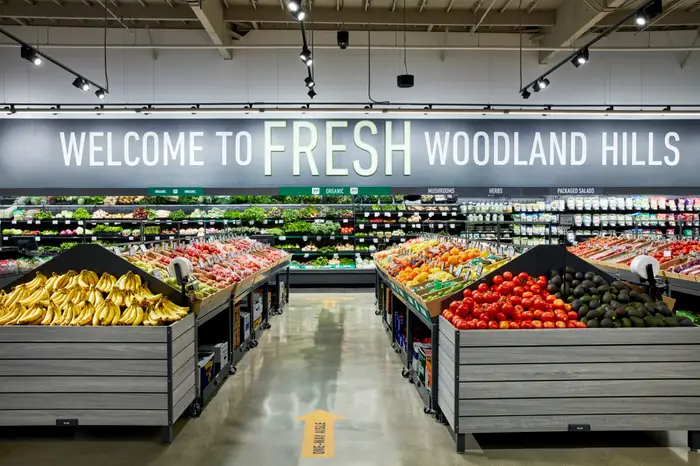
New York, February 4, 2026 — According to Parliament News, that Amazon grocery stores are becoming a defining feature of the evolving US retail economy as the e-commerce giant accelerates its investment in physical food outlets during 2026. The expansion marks a strategic shift in how the company approaches everyday consumer spending, signaling a long-term commitment to brick-and-mortar retail in a sector traditionally dominated by established supermarket chains.
The growing footprint reflects broader changes in consumer behavior, supply chain logistics, and competitive dynamics within the grocery industry. As inflation stabilizes and shoppers continue to prioritize value, convenience, and proximity, food retail has emerged as one of the most contested areas in the American market.
Grocery Retail as a Strategic Battleground
Food retail occupies a unique position in the consumer economy. Unlike discretionary categories, groceries represent recurring purchases that shape household routines. This makes grocery shopping not only financially significant but behaviorally powerful for retailers seeking customer loyalty.
Amazon grocery stores allow the company to anchor shoppers into a broader ecosystem that spans online ordering, delivery services, digital payments, and subscription benefits. By establishing physical locations, the company reduces friction between digital and in-person shopping, creating a unified retail experience.
Industry analysts view this approach as an attempt to secure consistent foot traffic while strengthening data-driven insights into purchasing habits.
Urban Expansion and Market Selection
Amazon’s grocery expansion has focused heavily on metropolitan areas where population density supports smaller store formats and faster inventory turnover. Cities such as New York, Los Angeles, Seattle, and Chicago have become testing grounds for store design, pricing strategies, and customer engagement models.
Urban grocery markets offer unique advantages. Higher foot traffic, shorter delivery distances, and strong demand for fresh and prepared foods align well with Amazon’s logistics capabilities. These cities also house large populations of digitally engaged consumers who are more likely to adopt app-based shopping features.
By prioritizing urban markets, Amazon positions itself close to high-frequency shoppers while avoiding some of the operational challenges associated with rural expansion.
Technology at the Core of Store Operations
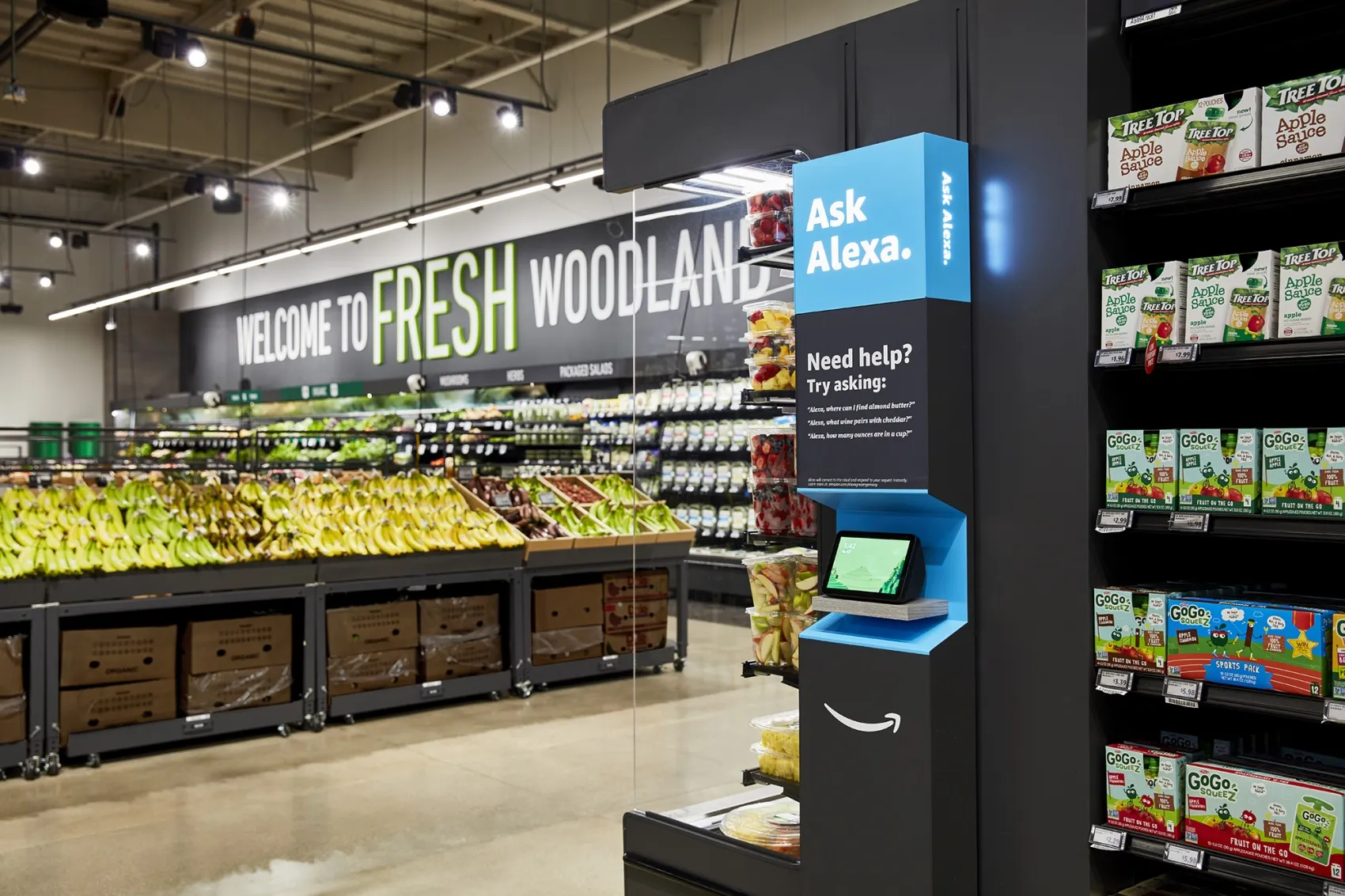
Technology underpins nearly every aspect of Amazon’s physical grocery strategy. Advanced inventory management systems monitor product movement in real time, helping stores adjust stock levels and reduce waste. Predictive analytics guide replenishment schedules and promotional planning.
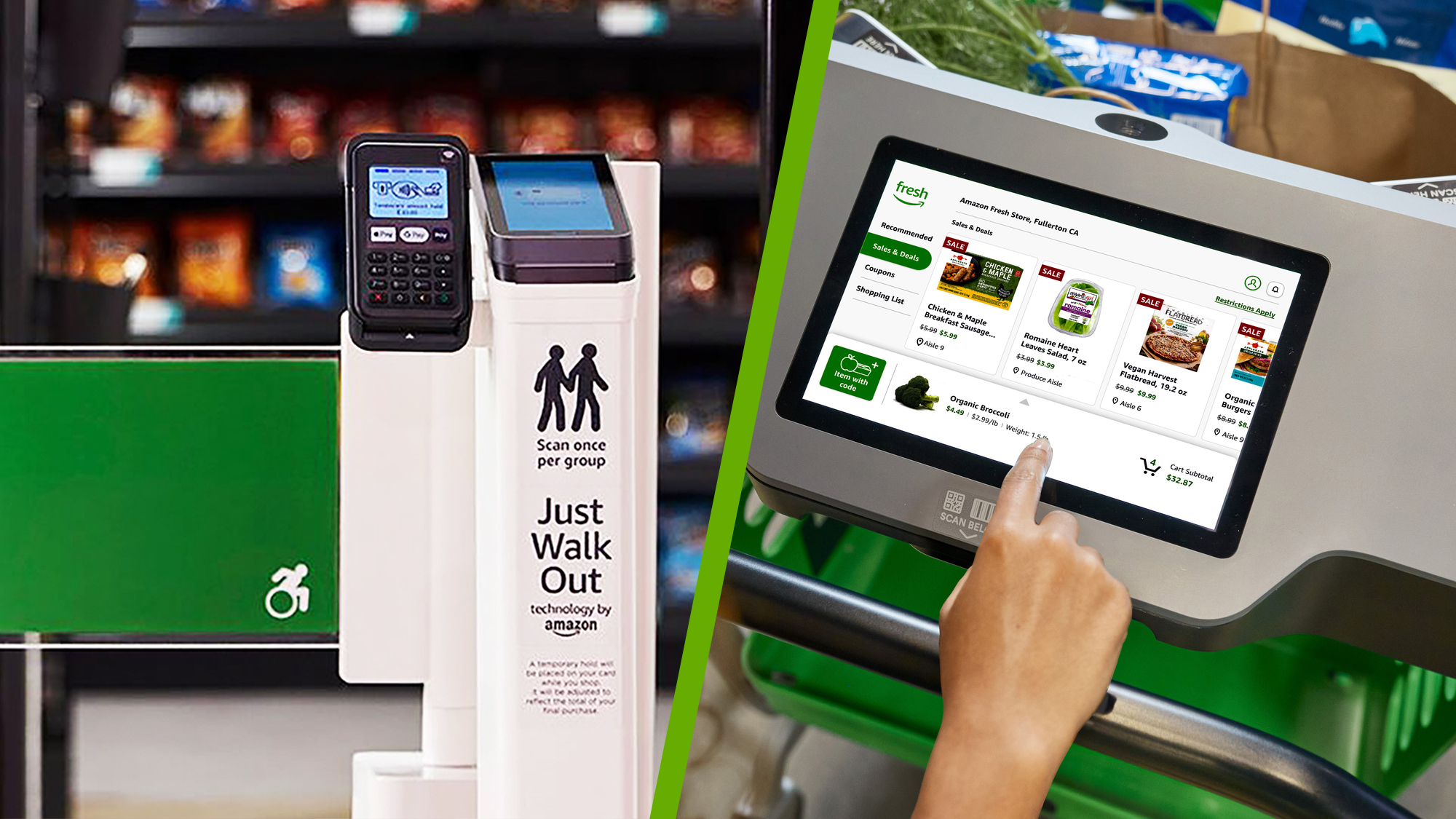
Amazon grocery stores integrate mobile applications that allow customers to access digital coupons, view personalized recommendations, and link purchases directly to online accounts. These features blur the boundary between digital and physical commerce.
Automation also plays a role in checkout systems, pricing updates, and back-of-house logistics. However, human staff remain essential for customer service, fresh food handling, and maintaining store standards.
Competitive Pressure Across the Sector
The expansion of Amazon grocery stores is reshaping supply chains at multiple levels, as higher store volumes enhance Amazon’s bargaining power with suppliers while increasing the need for more advanced distribution planning.
Fresh food logistics introduce distinct operational challenges, including strict temperature management, spoilage prevention, and accurate demand forecasting. Investments in predictive analytics and regional fulfillment infrastructure have enabled tighter control over these factors.
While smaller suppliers may benefit from access to wider distribution networks, they also face mounting pricing pressure as large retailers intensify competition through efficiency and scale.
Pricing Strategy and Consumer Value
Pricing remains central to grocery competition. Consumers remain highly sensitive to food prices even as broader inflation shows signs of easing. Retailers are under pressure to offer value without sacrificing margins.
Amazon grocery stores benefit from centralized procurement and logistics efficiencies that support competitive pricing. The company relies less on deep discounting and more on operational efficiency, targeted promotions, and loyalty incentives.
For consumers, this translates into consistent pricing, personalized deals, and integrated delivery options that enhance perceived value beyond shelf prices alone.
Supply Chain and Distribution Impact
Physical grocery expansion reshapes supply chains at multiple levels. Increased store volume strengthens Amazon’s negotiating position with suppliers while requiring more sophisticated distribution planning.
Fresh food logistics present particular challenges, including temperature control, spoilage reduction, and demand forecasting. Amazon’s investment in predictive analytics and regional fulfillment centers supports tighter control over these variables.
Smaller suppliers may gain access to broader distribution networks but also face pricing pressure as large retailers compete aggressively on efficiency.
Labor and Workforce Dynamics
Operating physical grocery locations requires significant workforce investment. Hiring, training, and retention remain ongoing challenges in a competitive labor market.
Amazon grocery stores employ a mix of frontline staff and technical specialists. Employees handle customer service, food preparation, stocking, and technology oversight. Balancing automation with meaningful employment opportunities remains a critical issue.
Labor practices in the retail sector continue to attract regulatory and public scrutiny, making workforce management a strategic consideration as expansion continues.
Regulatory and Community Considerations
Grocery retail plays a visible role in local economies. Store openings influence employment levels, neighborhood access to fresh food, and commercial real estate dynamics.
Amazon grocery stores operate under varying regulatory frameworks across states and municipalities. Zoning laws, labor regulations, and food safety standards all shape expansion decisions.
Community engagement has become increasingly important, particularly in urban areas where retail development can affect traffic patterns and local businesses.
Consumer Behavior and Shopping Preferences
Despite ongoing technological advances, grocery shopping remains a highly personal experience shaped by trust, routine, and sensory judgment. Consumers continue to assess stores based on product freshness, overall cleanliness, staff engagement, and ease of access.
Amazon grocery stores are designed to meet these expectations while layering in digital enhancements that add convenience without disrupting familiar shopping habits. Customers can choose a traditional in-store experience, rely on mobile features, or blend physical visits with delivery options.
This level of flexibility reflects a broader shift toward omnichannel retail, as shoppers increasingly expect effortless transitions between physical locations and digital platforms.
A Brief History of Amazon’s Grocery Ambitions
The development of Amazon grocery stores traces back well before the company’s most recent wave of physical expansion. Initial efforts centered on online grocery delivery, supported by strategic acquisitions and limited pilot store formats. Over time, Amazon sharpened its understanding of food retail economics, shifting consumer behavior, and the operational complexities unique to the grocery sector.
The move toward physical locations reflected a broader recognition that grocery shopping depends heavily on proximity and immediacy, areas where purely digital models face limitations. This gradual evolution laid the groundwork for today’s integrated strategy, blending advanced technology with a growing physical retail presence.
Industry Perspective
One retail industry observer said,
“The expansion of physical grocery outlets reflects a long-term view that food retail anchors customer loyalty in ways few other categories can.”
This perspective underscores why major retailers continue to invest heavily in grocery despite thin margins and operational complexity.
Financial Implications for the Retail Sector
Physical grocery expansion involves substantial capital expenditure, including real estate, equipment, staffing, and technology infrastructure. Returns depend on volume, efficiency, and long-term customer retention.
Amazon grocery stores contribute to broader ecosystem value rather than standalone profitability alone. Grocery shopping drives engagement with delivery services, subscriptions, and other retail categories.
Investors and analysts increasingly evaluate grocery operations as strategic assets rather than isolated profit centers.
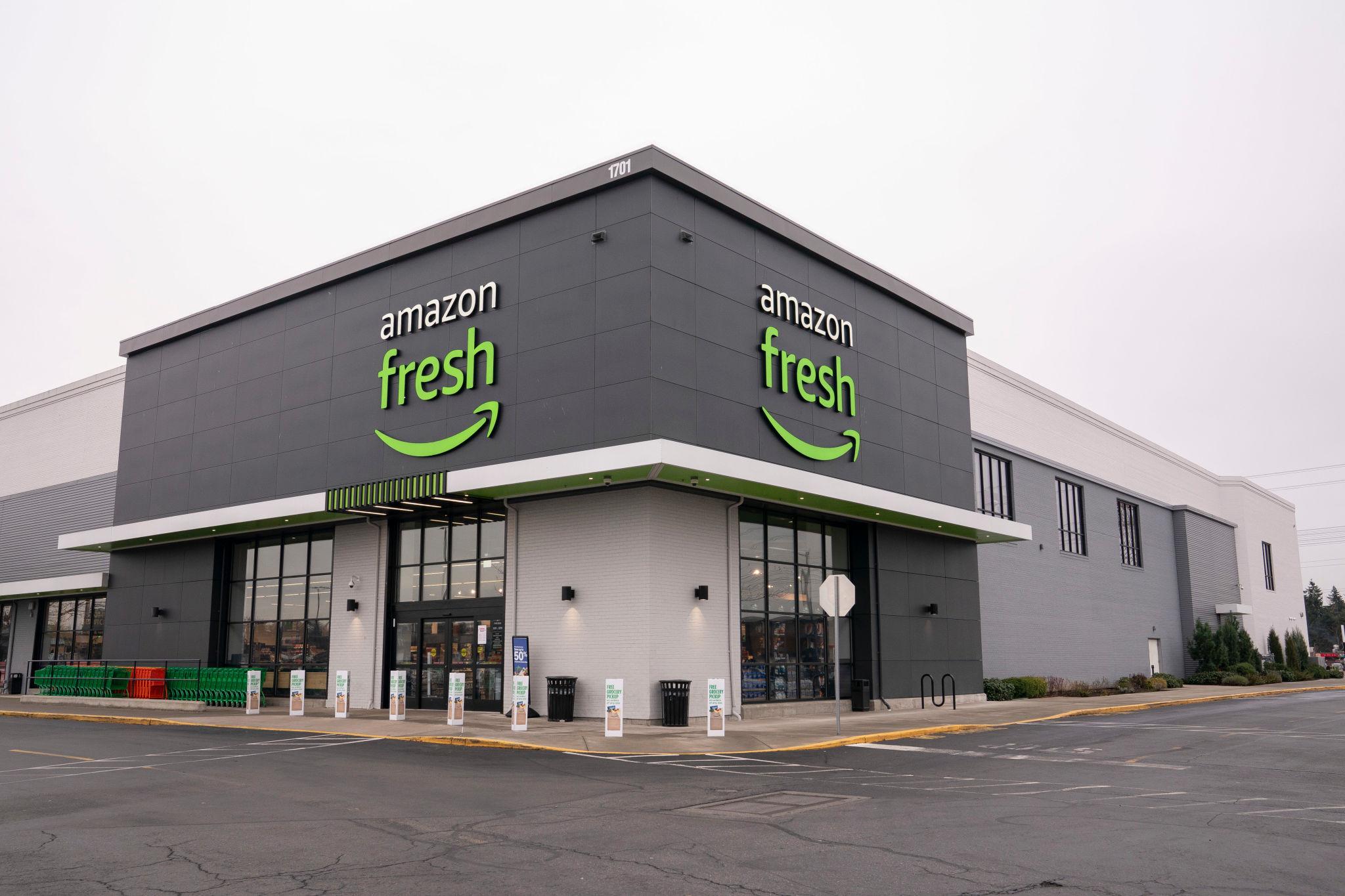
Innovation and Store Format Evolution
Store formats continue to evolve as retailers experiment with size, layout, and service offerings. Smaller neighborhood stores, hybrid pickup locations, and technology-enabled outlets coexist within the same retail strategy.
Amazon grocery stores serve as laboratories for testing these concepts. Performance data guides decisions on expansion, modification, or consolidation.
This iterative approach allows rapid adaptation to consumer feedback and market conditions.
Impact on Smaller Retailers
Amazon grocery stores are contributing to intensifying pressure on independent grocers and regional chains as large retailers continue to expand scale, logistics reach, and technological capabilities. As competition increases, matching national players on price and convenience has become significantly more challenging for smaller operators.
In response, many local retailers are doubling down on strengths such as regional sourcing, personalized customer service, and carefully curated product selections. Others are adapting by partnering with delivery platforms or shifting focus toward specialty and premium market segments.
This evolving grocery landscape is steadily redrawing competitive boundaries across the retail sector, forcing businesses of all sizes to rethink how they differentiate and remain relevant.
Sustainability and Waste Reduction
Food retail carries significant environmental responsibility. Waste reduction, energy efficiency, and sustainable sourcing have become priorities for large retailers.
Amazon grocery stores employ demand forecasting and inventory controls designed to minimize spoilage. Energy efficient store designs and logistics optimization also support sustainability goals.
Consumer awareness of environmental impact increasingly influences shopping decisions, making sustainability a strategic consideration rather than a secondary concern.
Future Outlook for Physical Grocery Retail
Looking ahead, physical grocery retail is expected to remain central to consumer commerce despite ongoing digital growth. The sector will likely see continued consolidation, technology integration, and format diversification.
Amazon grocery stores are positioned to play a prominent role in this evolution as the company refines its approach based on performance data and consumer response.
Retailers that successfully integrate efficiency, convenience, and trust will shape the next phase of grocery competition.
The Everyday Store in a Digital Economy
Amazon grocery stores occupy a distinctive role in everyday life, blending essential shopping routines with individual preference and choice. Even as retail becomes more digitally driven, physical grocery locations continue to serve as vital spaces where advanced technology and face to face human interaction intersect.
The future of food retail will be shaped by how successfully retailers balance innovation with familiarity, operational efficiency with customer service, and large scale growth with meaningful community connection.