

Brussels, February 5, 2026 — According to Parliament News, that The European security landscape is undergoing a fundamental realignment as European defense companies confront rising demand, heightened political expectations, and mounting pressure to expand industrial capacity at unprecedented speed. What was once a largely predictable sector driven by long procurement cycles has entered a period of accelerated transformation shaped by geopolitical instability and strategic recalibration.
Across the continent, governments are reassessing their reliance on external suppliers and prioritizing domestic and regional production. This shift is placing new responsibility on manufacturers to deliver at scale while maintaining compliance with evolving regulatory and ethical standards.
A Security Environment That Has Changed Permanently
Europe’s security environment in 2026 reflects a departure from the post–Cold War assumptions that guided defense policy for decades. Military preparedness has re-emerged as a central political concern, influencing budget priorities and industrial policy.
For European defense companies, the change is structural rather than cyclical. Long-term contracts, accelerated procurement processes, and emergency production measures are reshaping how firms plan investment, staffing, and research activity.
This evolving environment has created opportunity, but also risk, as expectations rise faster than capacity in some areas of the supply chain.
Defense Spending and Political Alignment
European governments have committed to sustained increases in defense spending, often through multi-year frameworks designed to provide stability and predictability. These commitments reflect a broader political consensus that security investment can no longer be deferred.
As a result, European defense companies are seeing stronger order visibility than at any point in recent decades. However, these commitments come with stricter oversight, performance benchmarks, and public accountability.
Defense procurement is no longer viewed solely as a military issue but as an industrial and societal concern.
Industrial Capacity Under Strain
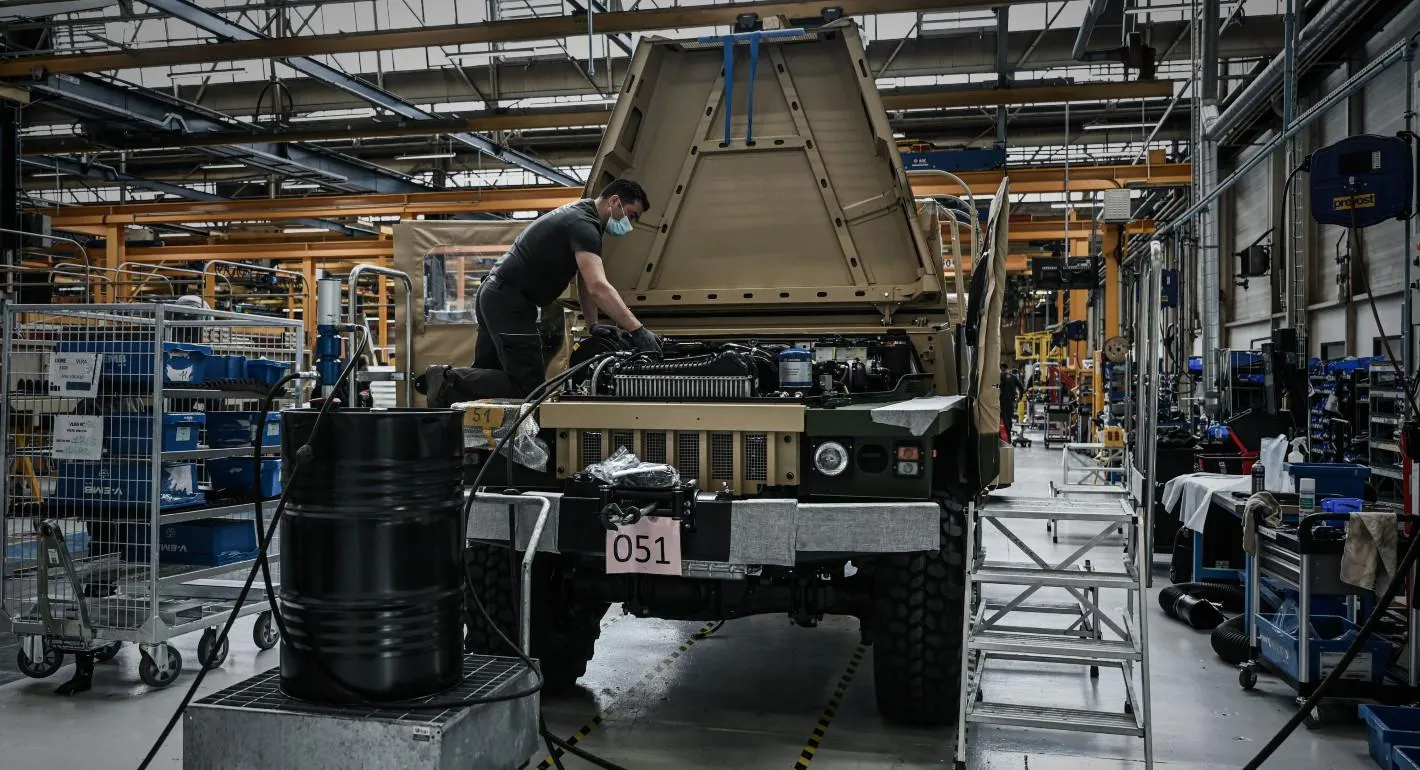
One of the most immediate challenges facing the sector is production capacity. Facilities designed for peacetime output levels are now expected to scale rapidly, often while maintaining complex certification and quality standards.
Supply chains for components such as electronics, propulsion systems, and specialized materials remain vulnerable to disruption. European defense companies are responding by diversifying suppliers, increasing inventory buffers, and investing in domestic production capabilities.
These adjustments are costly but increasingly viewed as essential for long-term resilience.
Technology as a Strategic Imperative
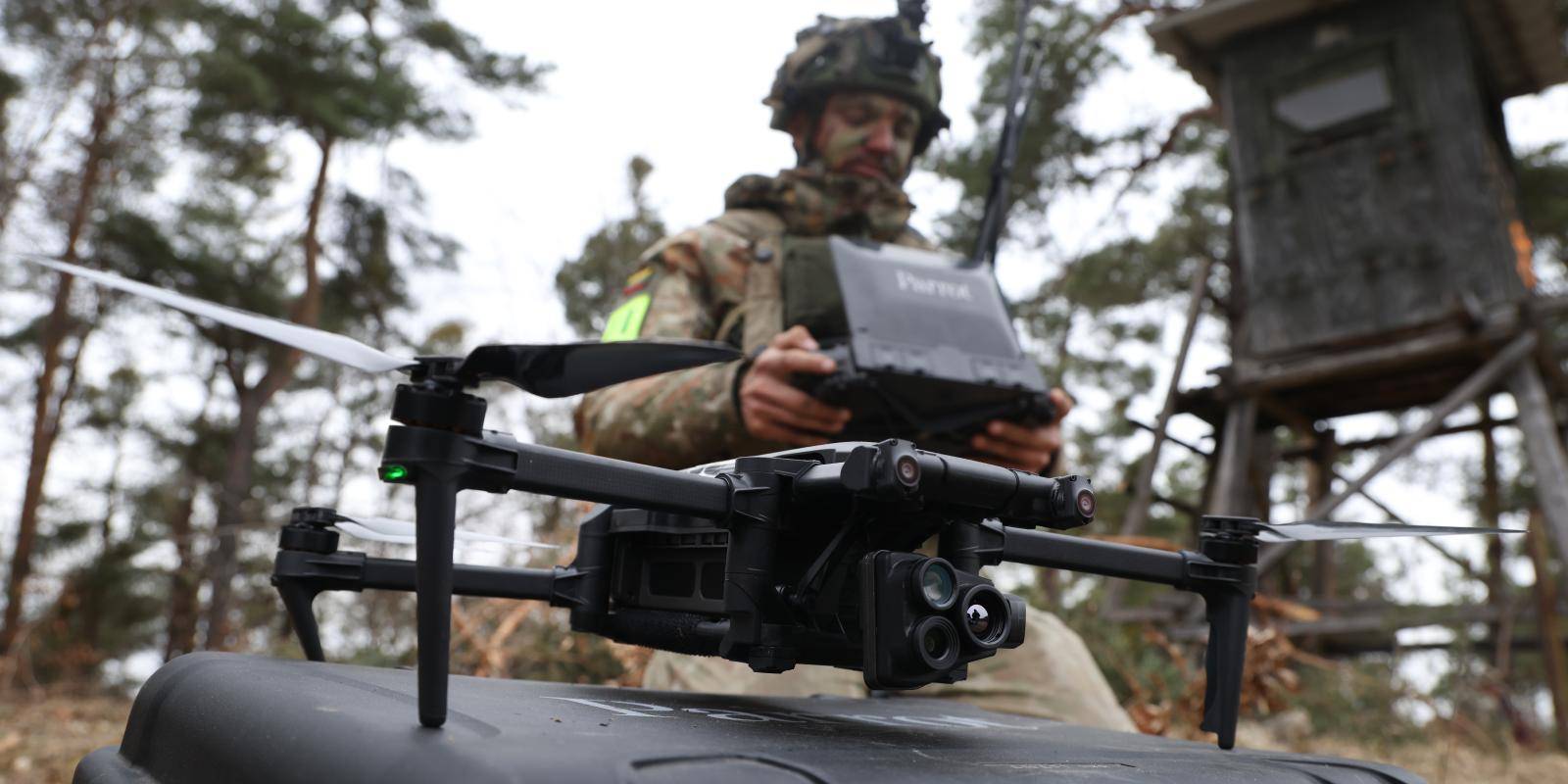
Modern defense systems depend on advanced technologies that require sustained investment and specialized expertise. Artificial intelligence, cyber defense, autonomous systems, and integrated sensor networks are now core elements of military modernization.
For European defense companies, maintaining technological relevance is not optional. Governments increasingly favor suppliers capable of delivering adaptable platforms that can evolve over time rather than static systems tied to specific threat environments.
This has intensified competition within the sector and increased collaboration with civilian technology firms.
Workforce Pressures and Skills Gaps
Expanding production capacity requires skilled labor, yet many firms face shortages of engineers, technicians, and systems specialists. Competition for talent extends beyond the defense sector, particularly in digital and engineering disciplines.
European defense companies have responded by expanding apprenticeship programs, partnering with universities, and increasing internal training. Workforce development is now recognized as a strategic priority equal to capital investment.
Failure to address skills gaps could limit the sector’s ability to meet growing demand.
One Industry Voice
A senior defense industry executive based in Brussels summarized the challenge succinctly:
“The pressure today is not simply to produce more, but to produce smarter, faster, and with full accountability to governments and citizens alike.”
Export Markets and Strategic Balance
While domestic demand has surged, export markets remain an important component of revenue and scale. Contracts outside Europe help sustain production volumes and spread development costs across broader customer bases.
However, export decisions are increasingly politicized. European defense companies must navigate complex regulatory environments while balancing commercial interests with foreign policy considerations.
This balance has become more delicate as public scrutiny of arms exports intensifies.

Regulation and Public Accountability
Rising defense investment has brought increased regulatory attention. Environmental impact, corporate governance, and supply chain transparency are now integral to procurement decisions.
For European defense companies, compliance requirements have expanded alongside opportunity. Firms are investing in reporting systems and governance frameworks to meet expectations from governments, investors, and the public.
Accountability is no longer peripheral; it is central to maintaining legitimacy.
Strategic Autonomy and Continental Cooperation
A defining theme of Europe’s defense policy is strategic autonomy. Policymakers aim to reduce reliance on non-European suppliers while strengthening internal industrial capabilities.
Joint development programs and cross-border procurement initiatives are expanding. European defense companies are increasingly expected to collaborate rather than compete along national lines, marking a cultural shift in a historically fragmented sector.
This integration is complex but seen as essential for long-term security.
Financial Markets and Investor Scrutiny
Investor interest in the defense sector has grown alongside government spending commitments. Long-term contracts and predictable cash flows have attracted capital, particularly from institutional investors.
At the same time, environmental, social, and governance criteria play a larger role in investment decisions. European defense companies face pressure to demonstrate responsible practices alongside financial performance.
Market confidence now depends on both execution and credibility.
Public Debate and Ethical Dimensions
Defense production remains politically sensitive across much of Europe. Public debate continues around military spending priorities, arms exports, and the role of industry in conflict prevention and deterrence.
European defense companies operate within this contested space, balancing commercial imperatives with social responsibility. Transparent communication and ethical frameworks are increasingly viewed as prerequisites for long-term acceptance.
History of Europe’s Defense Industry
Europe’s defense industry emerged from the devastation of the Second World War, shaped by national reconstruction efforts and Cold War alliances. For decades, production was primarily national, with limited coordination across borders.
The end of the Cold War led to consolidation and reduced spending, leaving parts of the industrial base underdeveloped. The resurgence of security concerns in the 2020s marked a turning point, restoring strategic importance to European defense companies after years of relative decline.
This historical context explains why today’s expansion represents a structural shift rather than a temporary surge.
Supply Chains and Industrial Sovereignty
Recent disruptions have highlighted vulnerabilities in global supply chains. Dependence on external suppliers for critical components has emerged as a strategic risk.
In response, European defense companies are prioritizing local sourcing and vertical integration where feasible. Governments are supporting these efforts through incentives and policy frameworks designed to strengthen industrial sovereignty.
The goal is not isolation, but resilience.
Innovation Cycles and Long-Term Planning
Defense systems operate on long innovation cycles, often spanning decades from concept to deployment. Aligning these timelines with rapidly evolving threats presents a persistent challenge.
European defense companies are adopting modular designs and open architectures to allow incremental upgrades. This approach aims to future-proof systems while controlling costs.
Long-term planning has become more complex but also more essential.
The Role of Small and Medium Suppliers
Large manufacturers rely on extensive networks of smaller suppliers. These firms provide specialized components and services critical to final systems.
Supporting this ecosystem has become a priority. European defense companies increasingly engage in long-term partnerships to ensure supplier stability and innovation capacity.
A resilient supply base is now viewed as a strategic asset.
Managing Growth Without Overextension
Rapid expansion carries risk. Overinvestment, labor shortages, and execution challenges could undermine performance if demand fluctuates.
Industry leaders emphasize cautious scaling. European defense companies aim to balance urgency with discipline, avoiding the boom-and-bust cycles that have characterized past periods of defense expansion.
Sustainable growth remains the stated objective.
The Strategic Outlook Beyond 2026
Looking ahead, demand is expected to remain elevated as modernization programs continue and geopolitical uncertainty persists. However, the form of demand may evolve, with greater emphasis on integrated systems and digital capabilities.
For European defense companies, adaptability will determine long-term success. Those able to align technology, workforce, and governance will be best positioned to navigate the next decade.
A Sector Redefined
The transformation unfolding in 2026 marks a defining chapter for Europe’s defense industry. Production, policy, and public expectations are converging in ways that demand unprecedented coordination.
As European defense companies respond to these pressures, their role extends beyond manufacturing to shaping Europe’s strategic posture in an uncertain world.
Beyond the Current Moment
The decisions made today will influence Europe’s security and industrial resilience for generations. Balancing urgency with responsibility remains the sector’s central challenge.
In this critical period, European defense companies stand at the intersection of security, industry, and society, navigating a future that demands both strength and accountability.
