

Washington, February 7, 2026 — Parliament News coverage today highlights Washington’s growing role in steering global economic diplomacy as the United States reinforces its strategic posture toward Tehran. Officials, analysts, and international partners are closely watching how US Iran economic pressure is being positioned as a central pillar of American foreign policy at a time of heightened geopolitical uncertainty.
From federal agencies to global financial institutions, the signals emanating from the US capital are already influencing behavior well beyond national borders. While no sweeping announcements have been made, the tone of official messaging has been enough to trigger recalculations across markets and diplomatic circles.
Strategic Intent Behind Washington’s Messaging
US policymakers emphasize that economic tools remain among the most effective means of influencing state behavior without resorting to military escalation. In recent briefings, senior officials have framed the current approach as one focused on consistency, clarity, and international coordination.
According to policy experts, US Iran economic pressure has evolved into a broader framework that relies as much on expectation management as on formal restrictions. By signaling intent early, Washington aims to shape decisions by governments and corporations before enforcement actions become necessary.
A senior administration official said:
“Economic influence is strongest when it is predictable and sustained, not sudden or chaotic.”
Markets Respond Before Policy Is Written
Financial markets are often the first to react to shifts in geopolitical tone. Equity traders, insurers, and commodity analysts have all begun adjusting forecasts in response to Washington’s stance.
Economists note that US Iran economic pressure frequently affects investor confidence well ahead of regulatory changes. Even the perception of tighter oversight can lead to reduced risk appetite, delayed investments, and higher financing costs for companies exposed to sensitive regions.
This anticipatory response underscores the power of economic signaling in a globally interconnected system.
Allies Navigate Coordination and Caution
US allies in Europe and Asia find themselves balancing diplomatic alignment with domestic economic interests. Many governments maintain trade ties that, while legal, require careful navigation under evolving enforcement expectations.
Diplomats acknowledge that US Iran economic pressure now functions as a multilateral concern rather than a purely bilateral issue. Coordination meetings have increased, particularly among finance ministries and central banks, as partners seek clarity on compliance thresholds.
One European diplomat remarked:
“Stability depends on transparency, especially when economic tools are involved.”
Energy Markets Remain a Sensitive Barometer
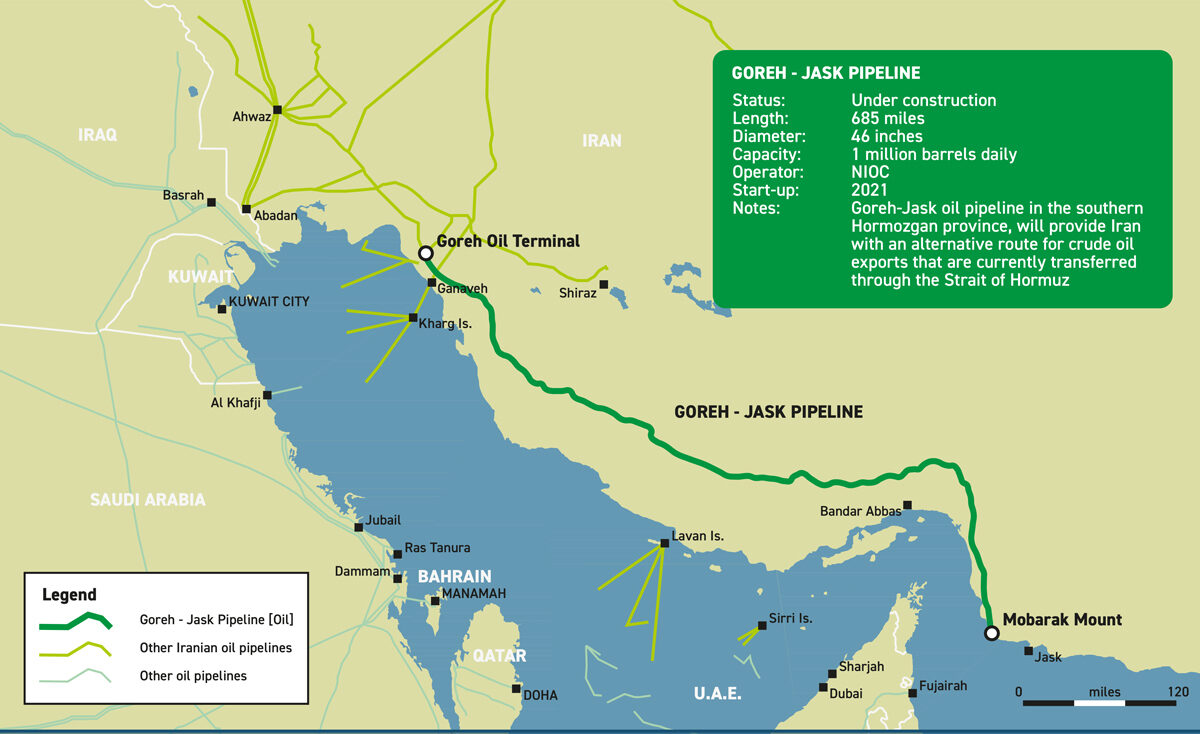
Iran’s role in global energy supply continues to draw attention, particularly in times of market volatility. Any perceived tightening of economic measures can influence oil pricing, shipping insurance, and long-term supply contracts.
Energy analysts explain that US Iran economic pressure has historically limited Tehran’s access to major buyers, often redirecting demand toward alternative producers. These shifts can have cascading effects on prices and regional energy partnerships.
The energy sector’s sensitivity makes it a key indicator of how economic policies resonate worldwide.
Economic Consequences Inside Iran
Within Iran, prolonged external pressure has shaped fiscal priorities and domestic economic conditions. Inflation, currency fluctuations, and restricted access to international finance remain persistent challenges.
Observers point out that US Iran economic pressure affects not only state revenues but also private enterprise, employment, and consumer purchasing power. Small and medium-sized businesses, in particular, face difficulties sourcing materials and accessing capital.
Iranian officials continue to emphasize self-reliance, though structural constraints remain significant.
Financial Institutions Lead Risk Avoidance
Global banks and insurers have adopted increasingly conservative approaches when dealing with transactions linked to Iran. Compliance departments now play a central role in strategic decision-making.
Experts say US Iran economic pressure has reshaped financial norms by encouraging institutions to avoid even indirect exposure. This cautious stance often exceeds formal legal requirements, reflecting the high cost of regulatory missteps.
The result is a financial environment where perception of risk can be as influential as regulation itself.
How Economic Pressure Became a Primary Policy Tool
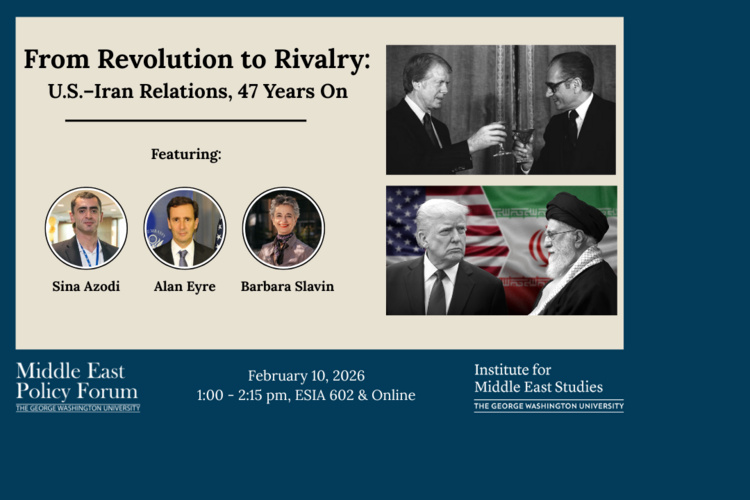
The roots of economic confrontation between Washington and Tehran trace back to the aftermath of the 1979 Iranian Revolution. Early measures focused on asset freezes and trade restrictions, gradually expanding over decades into comprehensive financial oversight.
The modern framework of US Iran economic pressure took shape in the early 21st century, combining sanctions, diplomatic negotiations, and international coordination. This evolution marked a shift away from direct confrontation toward economic statecraft as a preferred instrument of influence.
Understanding this history provides context for why economic measures remain central today.
Regional Security and Strategic Balance
Economic constraints intersect with broader security dynamics across the Middle East. Reduced financial flexibility can limit regional engagement, altering strategic calculations.
Security analysts argue that US Iran economic pressure is designed to constrain options without triggering direct conflict. This approach requires constant calibration to avoid unintended escalation while maintaining credibility.
The balance between deterrence and diplomacy remains delicate.
Alternative Systems Face Structural Limits
In response to enforcement risks, some countries have explored alternative trade and payment mechanisms. These efforts aim to reduce reliance on established financial channels.
However, specialists note that US Iran economic pressure remains difficult to circumvent due to the dominance of existing global financial infrastructure. Adoption of alternative systems has been limited, reflecting both technical and political challenges.
This reality reinforces the enduring influence of economic power centers.
Business Strategy Shifts in a Geopolitical Era
Multinational corporations increasingly integrate geopolitical analysis into long-term planning. Supply chain diversification, regulatory awareness, and political risk assessment have become core competencies.
Executives acknowledge that US Iran economic pressure accelerates this trend, prompting firms to reassess exposure and build resilience against policy-driven disruptions.
The corporate response highlights how economic policy shapes private-sector behavior globally.
Looking Ahead Through the Remainder of 2026
As the year unfolds, attention will focus on whether Washington’s messaging translates into additional measures or opens pathways for renewed dialogue. Markets and governments alike will monitor enforcement consistency and diplomatic engagement.
Analysts expect US Iran economic pressure to remain a defining feature of international economic relations throughout 2026, influencing trade flows and strategic alignments.
The coming months will test the effectiveness of economic tools in achieving long-term policy objectives.
Economic Statecraft in an Interconnected World
The current moment underscores the growing role of economic instruments in shaping global order. Decisions made in Washington now reverberate across continents, industries, and financial systems.
In an era defined by interdependence, economic statecraft continues to redefine how influence is exercised and contested on the world stage.