

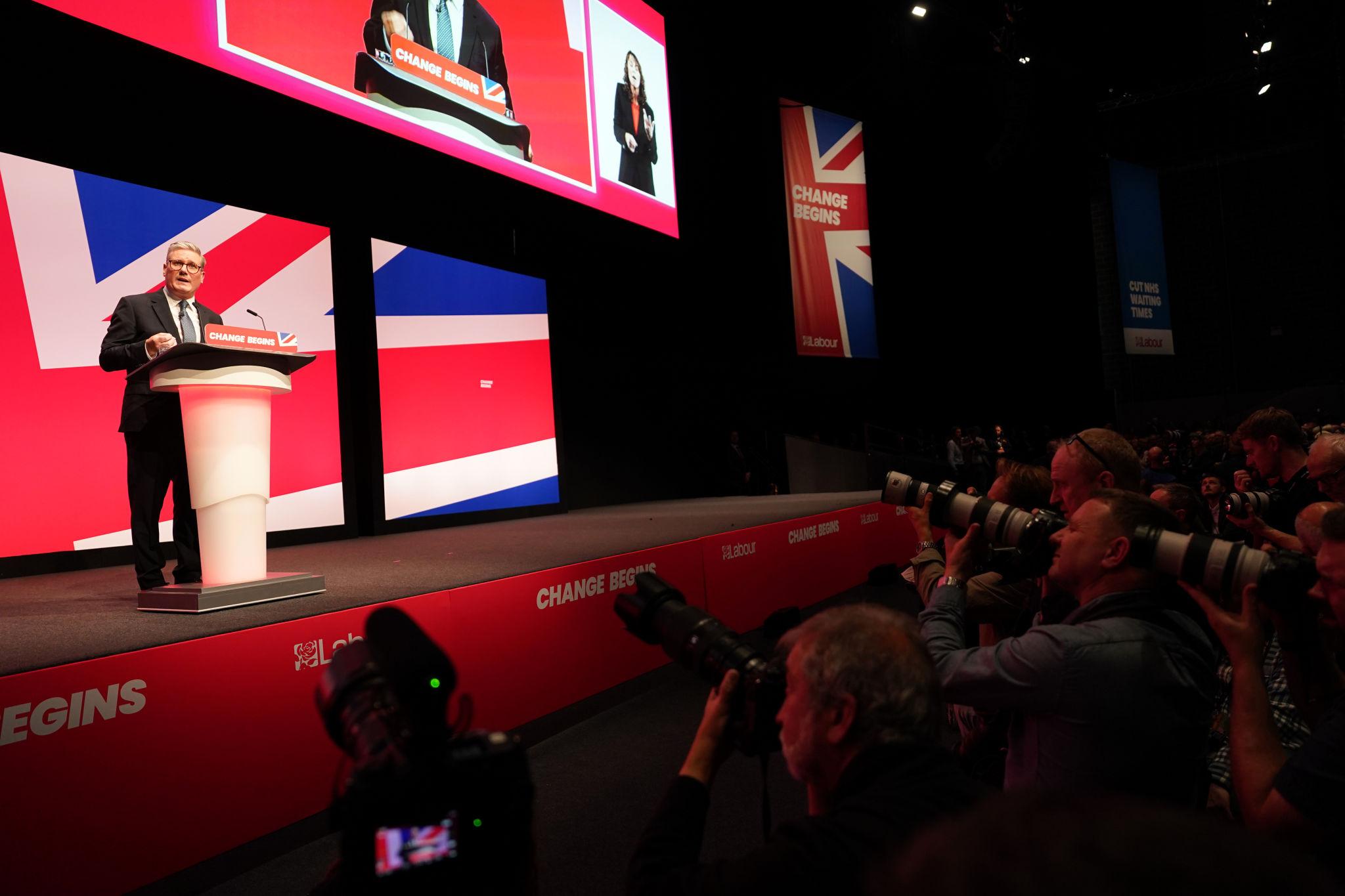
London, February 8, 2026 — According to Parliament News, that The political atmosphere around the Labour Party has become increasingly tense as debate intensifies over leadership, influence, and internal discipline. With national attention fixed on the opposition’s readiness for power, Labour leader Keir Starmer finds himself navigating a period of heightened scrutiny that has begun to shape both internal discussion and public perception. At the heart of this moment is a growing sense of Labour leadership pressure as expectations rise among voters, party members, and political rivals alike.
The focus on leadership has sharpened as Labour seeks to maintain momentum while avoiding distractions that could undermine its message. Senior figures within the party acknowledge privately that moments like this are inevitable for any opposition approaching government, yet the way such moments are handled often proves decisive in shaping long-term credibility.
A Party Under the Spotlight
Labour’s position in the political landscape has evolved rapidly over recent years. Once consumed by internal division, the party has worked to project stability and discipline under Starmer’s leadership. That effort has helped rebuild trust with sections of the electorate, but it has also created an environment in which leadership decisions are closely examined.
The current climate reflects a broader pattern seen across British politics, where leadership style and internal coherence often matter as much as policy detail. In this context, Labour leadership pressure has emerged not from a single event, but from a convergence of expectations about what a credible alternative government should look like.
Behind closed doors, party officials stress that scrutiny is a sign of progress rather than weakness. Yet they also recognise that sustained focus on leadership dynamics can distract from core messages on the economy, public services, and social reform.
Internal Debate and Party Discipline
Within Labour, discussion has centred on how the party balances openness with control. Supporters of the current leadership argue that firm discipline is essential to avoid the instability that has damaged Labour in the past. Critics, however, warn that excessive centralisation risks alienating grassroots activists and local representatives.
This tension has contributed to Labour leadership pressure, particularly as different factions interpret recent developments through their own political lenses. For some, the issue is about maintaining unity at a crucial time. For others, it is about ensuring transparency and accountability within the party’s decision-making structures.
Labour MPs are acutely aware that internal disagreements, when aired publicly, can quickly become political liabilities. As a result, there has been a renewed emphasis on internal dialogue, even as public messaging remains tightly controlled.
The Role of Public Perception
Public perception plays a decisive role in shaping political outcomes, especially in periods of transition. Polling consistently shows that voters place a high premium on leadership credibility, particularly when evaluating parties seeking to move from opposition to government.
As Labour leadership pressure becomes a recurring theme in media coverage, strategists are focused on preventing the narrative from hardening into a broader question about competence. They argue that leadership scrutiny is unavoidable, but that clarity and consistency can prevent it from overshadowing policy priorities.
The challenge lies in ensuring that leadership debates do not crowd out discussion of Labour’s proposals on living standards, healthcare, and economic growth — areas where the party believes it holds a strong advantage.
Media Attention and Political Framing
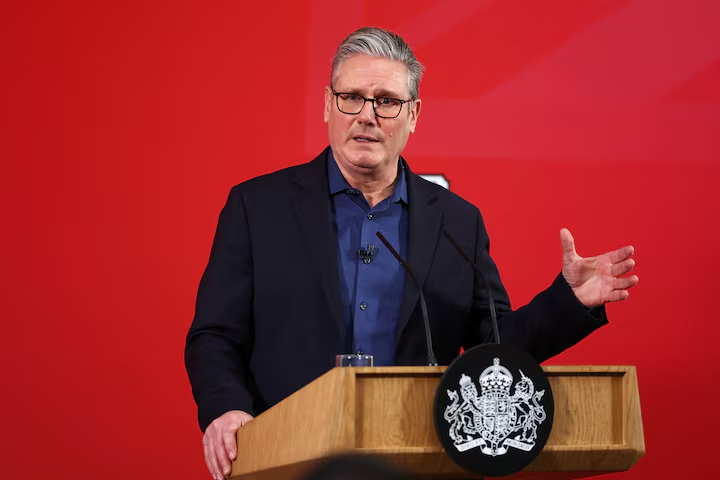
Media coverage has played a significant role in amplifying the current moment. Leadership stories, by their nature, tend to attract sustained attention because they offer a human lens through which complex political issues can be understood.
In this environment, Labour leadership pressure has been framed variously as a test of authority, a sign of political maturity, or a potential vulnerability. Such framing often depends less on events themselves and more on how effectively the party responds to questions and speculation.
Political analysts note that prolonged leadership narratives can become self-reinforcing if not addressed directly. For Labour, managing that narrative requires careful calibration — neither dismissing concerns nor allowing them to dominate the agenda.
A Single Moment of Public Reflection
One senior Labour figure, speaking during a closed-door meeting later referenced publicly, acknowledged the sensitivity of the moment, saying:
“Every party that hopes to govern must expect its leadership to be tested, and what matters is how those tests are met.”
That reflection has since been widely cited as capturing the mood within Labour: aware of the pressure, but determined not to allow it to derail broader ambitions.
Strategic Timing and Political Risk
Historic Comparison: Lessons From Labour’s Past
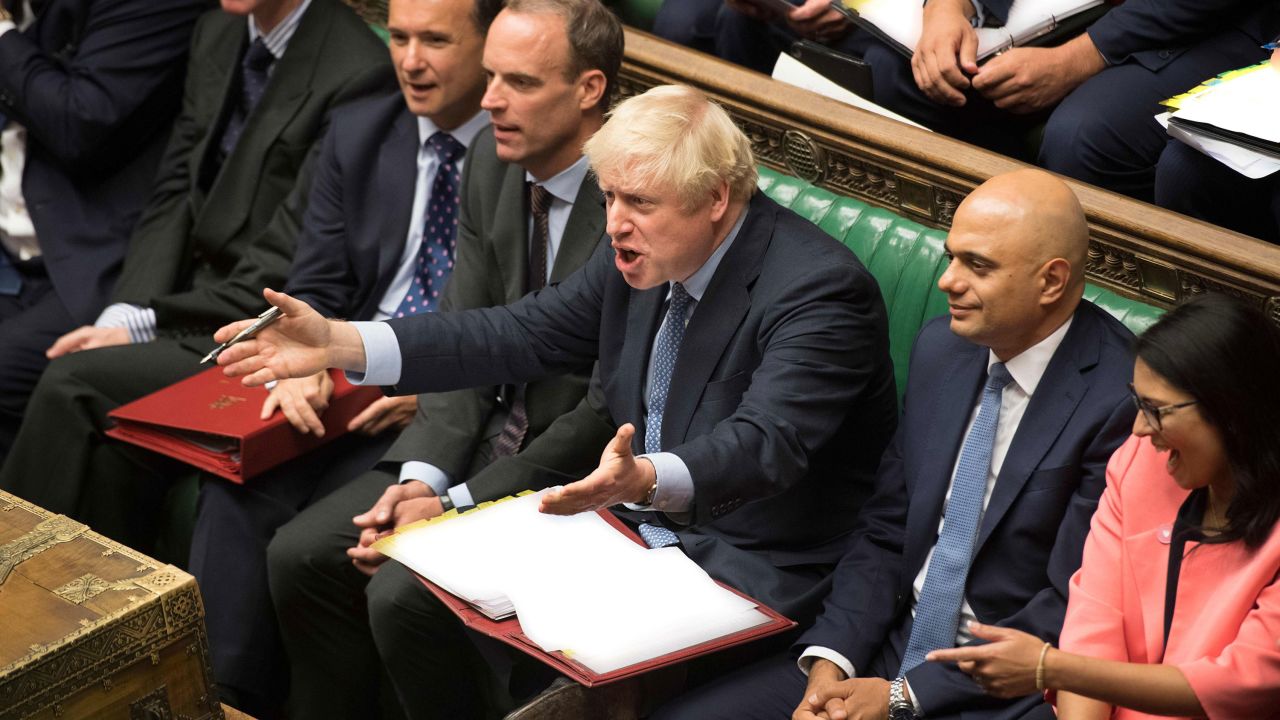
Labour’s history offers several examples of moments when leadership authority became a central political issue. In previous decades, internal disputes over direction and influence often spilled into public view, weakening the party’s electoral prospects.
During those periods, Labour leadership pressure frequently coincided with transitions in ideology or strategy. In some cases, failure to manage internal debate led to prolonged division. In others, decisive leadership helped restore confidence and unity.
The lesson many within Labour draw from these comparisons is that uncertainty can be more damaging than disagreement. Clear leadership, even when contested internally, has historically proven more effective than prolonged ambiguity.
Managing Unity in a Diverse Coalition
Modern Labour is a broad coalition, encompassing a wide range of political views and priorities. Managing such diversity inevitably generates tension, particularly as the party seeks to appeal to both its traditional base and new supporters.
This diversity has intensified Labour leadership pressure, as different groups within the party push for emphasis on their preferred issues. Balancing these demands without fragmenting the party remains one of Starmer’s central challenges.
Party officials emphasise that unity does not require uniformity, but it does require trust in leadership processes. Maintaining that trust will be critical as Labour moves deeper into the election cycle.
The View From Westminster
In Westminster, the prevailing view is that leadership scrutiny is now a permanent feature of modern politics. Social media, rolling news, and instant commentary ensure that even minor developments can escalate quickly.
Against this backdrop, Labour leadership pressure reflects not only internal dynamics but also the broader political environment. Leaders are judged continuously, often in real time, with little margin for error.
Some parliamentarians argue that this reality demands a thicker skin and sharper communication strategies. Others caution that constant pressure can narrow decision-making and discourage innovation.
Looking Ahead
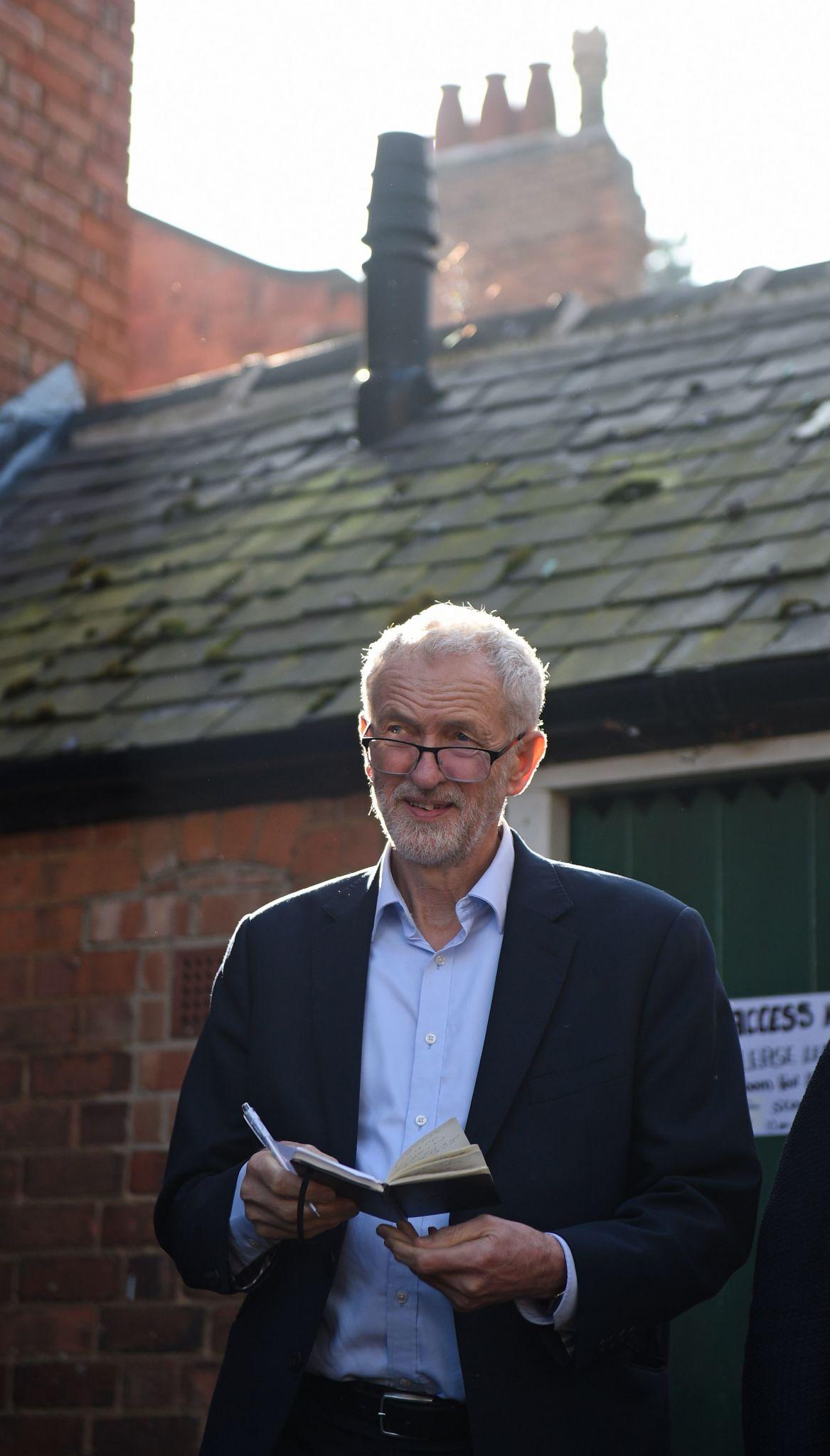
As London remains the focal point of national politics in 2026, Labour’s leadership faces a defining period. The way the party navigates current scrutiny may influence how voters perceive its readiness for power.
Labour leadership pressure is unlikely to disappear entirely, but it can be managed through clarity, consistency, and a renewed focus on policy outcomes. For Starmer and his team, the task is to ensure that leadership debates do not eclipse the broader case they seek to make to the country.
Whether this moment becomes a footnote or a turning point will depend less on the pressure itself than on the response to it. In British politics, history suggests that leadership is ultimately judged not by the absence of challenge, but by the ability to lead through it.