
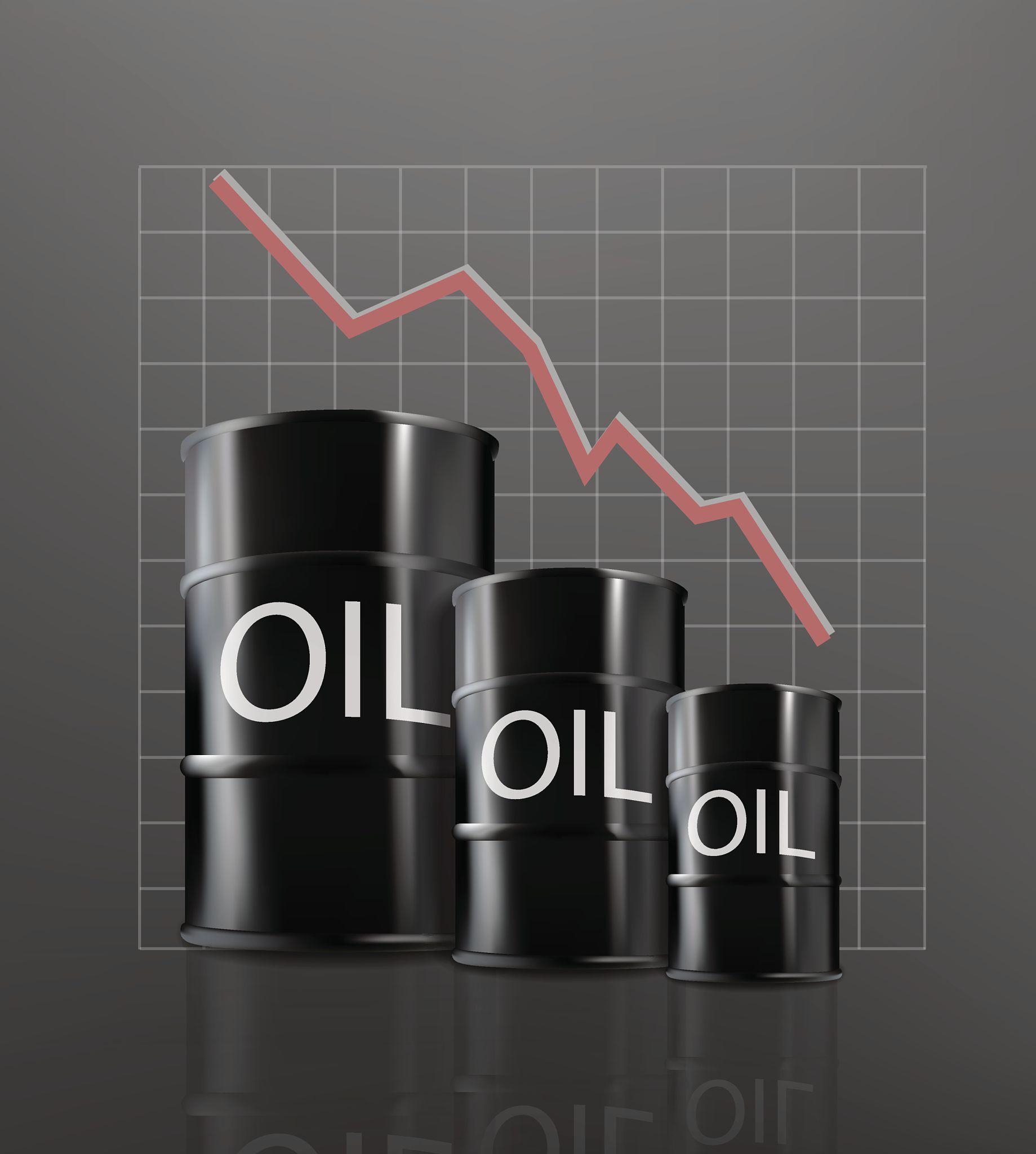
Washington, February 9, 2026 — Parliament News coverage from the US capital highlights a decisive shift in global oil supply expectations as policymakers, traders, and energy analysts respond to renewed diplomatic momentum and evolving production strategies. Markets opened the week cautiously, with crude prices easing amid signs that supply pressures could soften later this year, altering the balance that has defined energy trading since early 2024.
The developments have drawn attention from governments and financial institutions alike, as energy pricing continues to play a central role in inflation control, industrial planning, and geopolitical stability.
Energy Markets Adjust to New Supply Expectations
Oil benchmarks moved modestly lower in early trading as investors recalibrated positions. The reassessment of global oil supply conditions reflected a growing belief that future availability may be more flexible than previously assumed.
While no immediate surge in production is expected, forward looking markets are pricing in gradual changes that could reduce volatility. Analysts noted that even marginal adjustments in anticipated output often have an outsized psychological impact on crude futures.
This adjustment phase has been orderly, suggesting strategic repositioning rather than abrupt risk withdrawal.
Diplomatic Signals Influence Market Sentiment
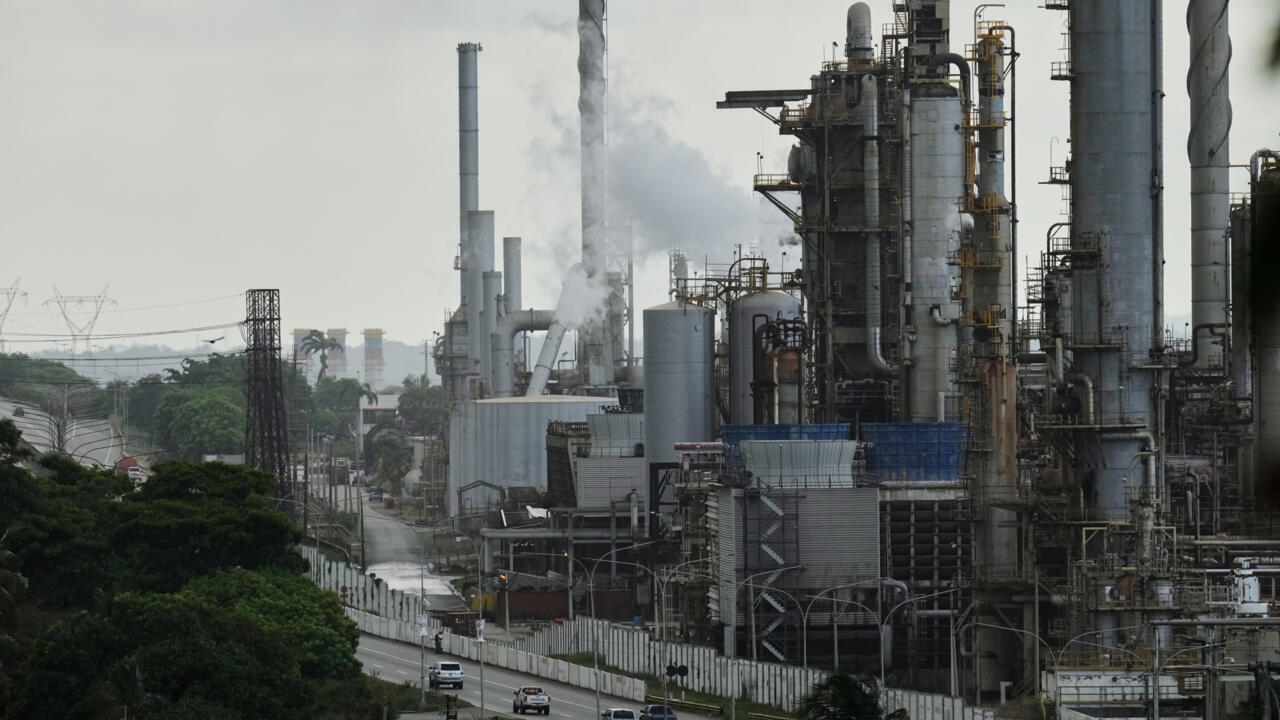
Diplomatic engagement involving major producing nations has been a key driver behind the latest market moves. Signals pointing toward reduced geopolitical tension have prompted traders to revisit assumptions surrounding global oil supply, particularly in relation to sanctioned producers.
A senior US energy official said,
“Markets are responding to the probability of change, not declarations. Even small diplomatic steps can recalibrate expectations.”
Such comments underscore how diplomacy now shapes market confidence almost as much as physical production data.
Policy Makers Balance Stability and Market Confidence
Energy policy leaders in Washington emphasized the importance of maintaining stability while allowing markets to respond naturally to improved visibility. The evolving global oil supply landscape presents both opportunities and challenges for policymakers seeking to manage inflation without undermining energy investment.
Officials highlighted the role of transparency and coordination, noting that sudden policy shifts could reintroduce volatility. Instead, gradual alignment between producers and consumers is being encouraged.
Crude Benchmarks Reflect Cautious Repricing
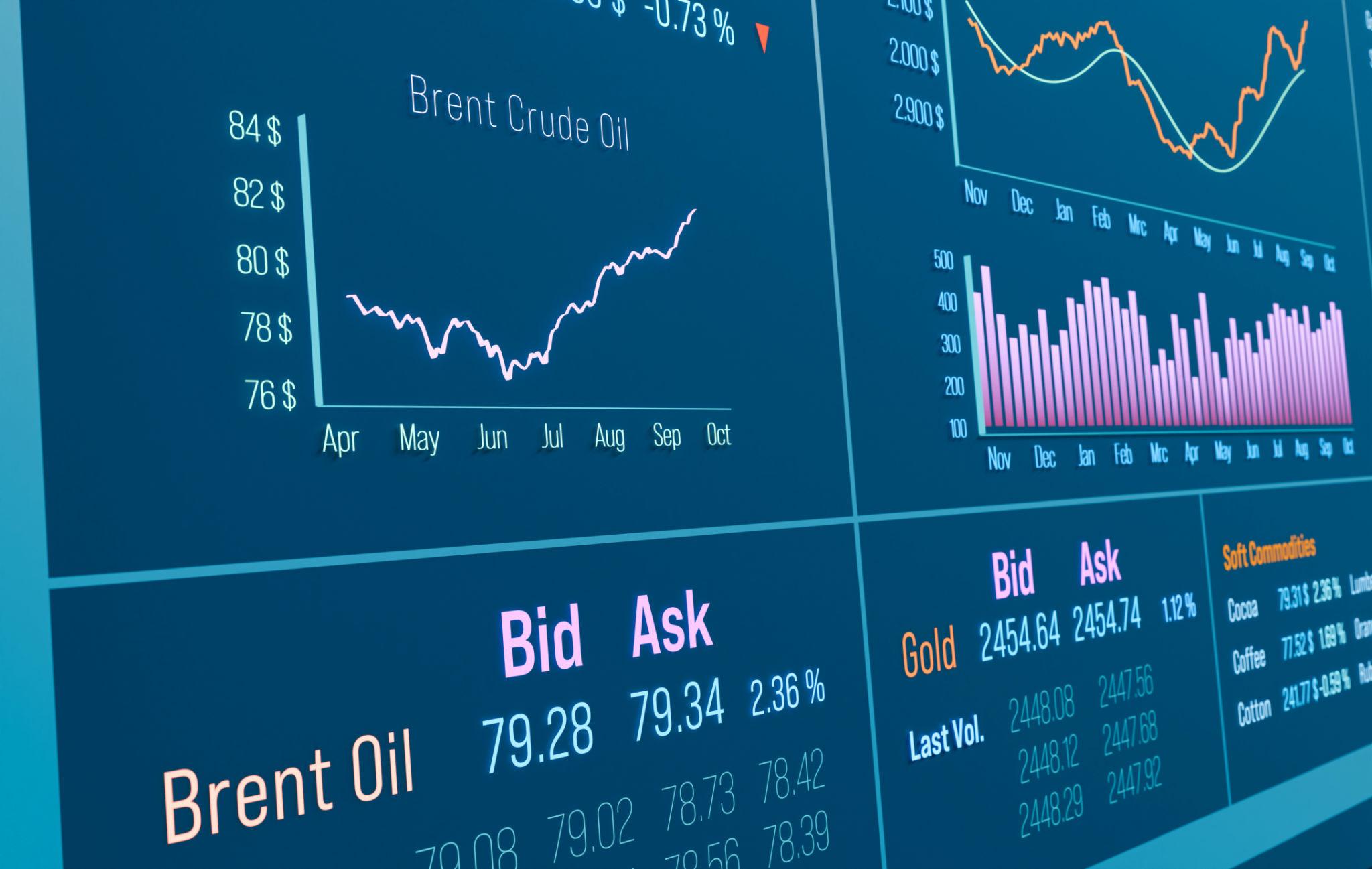
Brent and WTI crude futures both reflected the changing tone, holding within well established trading ranges. The recalibration of global oil supply assumptions reduced upward pressure without triggering steep declines.
Market technicians observed that recent movements lacked panic driven characteristics, indicating that institutional investors remain engaged rather than defensive.
Liquidity conditions remained healthy, supporting smoother price discovery.
Strategic Production Decisions Come Into Focus
Major exporters continue to weigh output decisions carefully. The prospect of altered global oil supply dynamics has renewed discussions around coordinated production strategies aimed at preserving price stability.
Producers face a delicate balance between defending revenues and maintaining market share. Any miscalculation could either flood markets or reintroduce supply tightness, both of which carry economic consequences.
Energy ministers signaled that flexibility, rather than rigidity, would define production policy through 2026.
Demand Patterns Shape the Supply Conversation
Consumption trends remain mixed across regions. While emerging economies continue to drive incremental demand, efficiency improvements in developed markets have moderated growth.
This uneven demand backdrop places additional emphasis on global oil supply management, as mismatches between production and consumption can amplify price swings.
Industrial activity, aviation recovery, and seasonal transport demand continue to anchor baseline consumption levels.
Investor Strategy and Risk Management
Hedge funds and institutional investors adjusted exposure as macroeconomic indicators aligned with energy fundamentals. The refined outlook on global oil supply encouraged a shift toward more neutral positioning.
One commodities strategist noted,
“The market is no longer pricing scarcity. It’s pricing optionality.”
This reflects a broader trend toward risk diversification rather than directional bets.
Energy Security Remains a Strategic Priority
Governments worldwide continue to monitor energy security closely. Changes in global oil supply expectations influence decisions around strategic reserves, trade partnerships, and long term energy planning.
Import dependent nations are particularly focused on reducing exposure to sudden disruptions while ensuring affordability for consumers and industry.
Policy frameworks increasingly emphasize resilience alongside sustainability.
Infrastructure and Logistics Considerations
Beyond production, infrastructure capacity plays a critical role in translating supply potential into actual market availability. Pipeline access, shipping routes, and storage facilities all factor into global oil supply effectiveness.
Bottlenecks in any of these areas can delay market impact, reinforcing the importance of logistics investment in maintaining stability.
How Past Supply Shifts Redefined Energy Markets
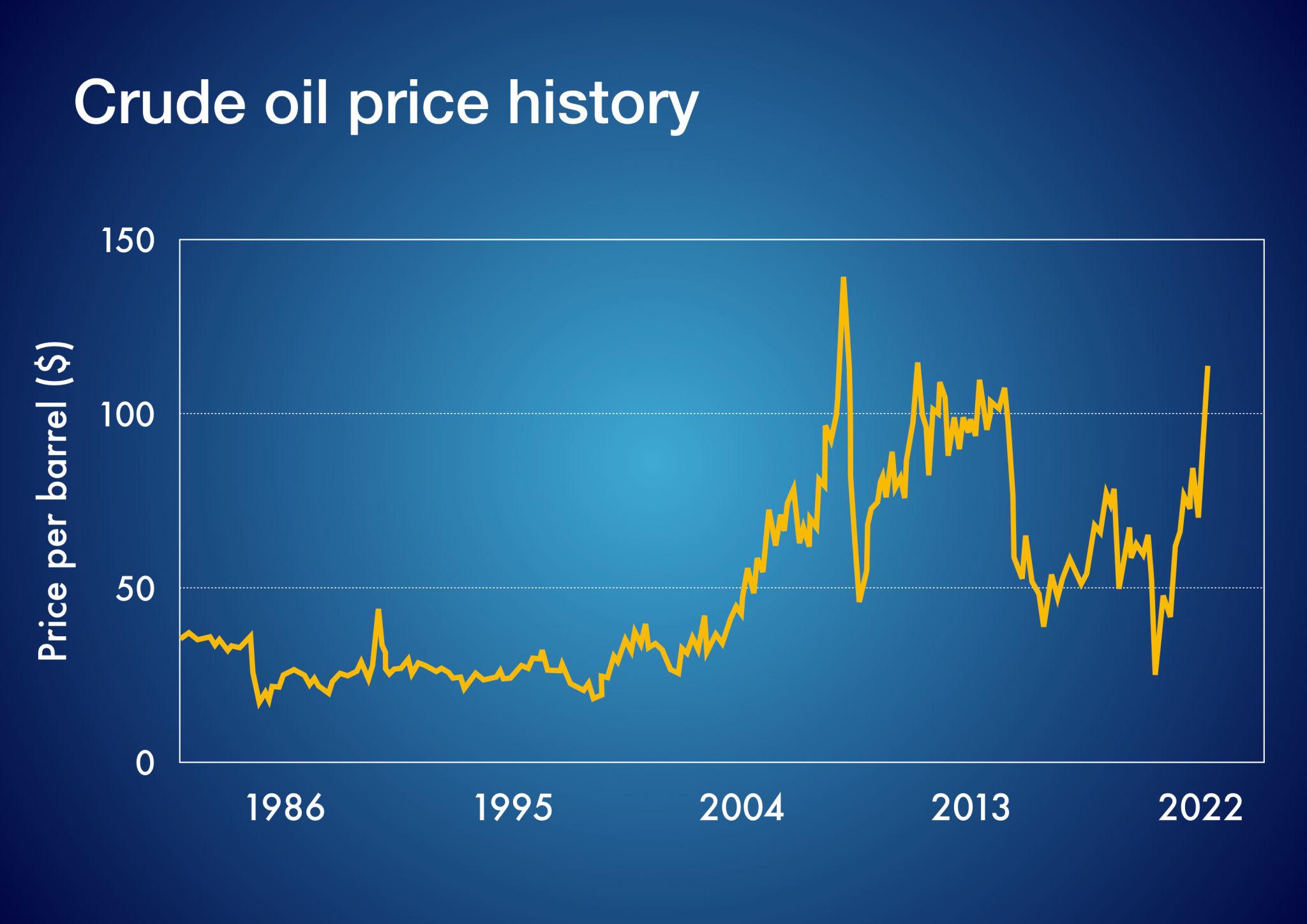
History shows that transitions in global oil supply have often reshaped economic and political landscapes. From the supply shocks of the 1970s to the shale driven expansion of the 2010s, periods of adjustment have tested market resilience.
Past episodes reveal a common pattern: expectations move first, physical flows follow later. This lesson remains relevant as markets navigate the current phase of recalibration.
Geopolitical Stability and Producer Coordination
Stability among producing nations has emerged as a cornerstone of market confidence. Coordinated approaches to global oil supply management reduce uncertainty and support smoother price discovery.
Diplomatic engagement is increasingly viewed as an extension of energy policy rather than a separate domain.
The Role of the United States in Market Balance
As both a major producer and consumer, the United States plays a pivotal role in shaping global oil supply narratives. Policy signals from Washington often ripple through markets within hours.
Domestic production trends, regulatory frameworks, and diplomatic positioning collectively influence global expectations.
Market Outlook for the Remainder of 2026
Looking ahead, analysts anticipate continued sensitivity to policy guidance and geopolitical developments. The prevailing view suggests that global oil supply will gradually become more predictable, reducing extreme volatility.
Price forecasts cluster around moderate ranges, reflecting balanced risks rather than directional conviction.
Long Term Implications for the Energy Transition
The evolving supply environment also intersects with energy transition goals. Improved global oil supply visibility allows governments and corporations to plan decarbonization strategies with greater confidence.
While oil remains central to the global energy mix, predictability supports investment in alternatives without destabilizing existing systems.
A Market Defined by Recalibration, Not Crisis
As Brussels Morning Newspaper analysis from Washington indicates, the current phase is marked by adjustment rather than disruption. Global oil supply expectations are being refined, not overturned.
A veteran energy economist summarized the mood,
“This is not a turning point born of shock, but of reassessment.”
Market Outlook and Final Assessment
The evolution of global oil supply in 2026 reflects a market learning to operate with improved visibility and reduced fear. While uncertainties persist, the trajectory points toward measured stability rather than turbulence.
For policymakers, investors, and consumers, this recalibration offers an opportunity to plan with greater confidence as energy markets adapt to a changing geopolitical and economic landscape.