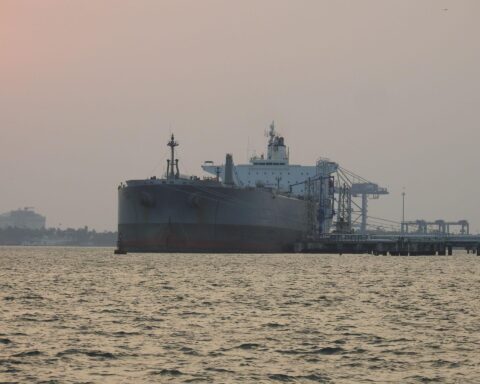
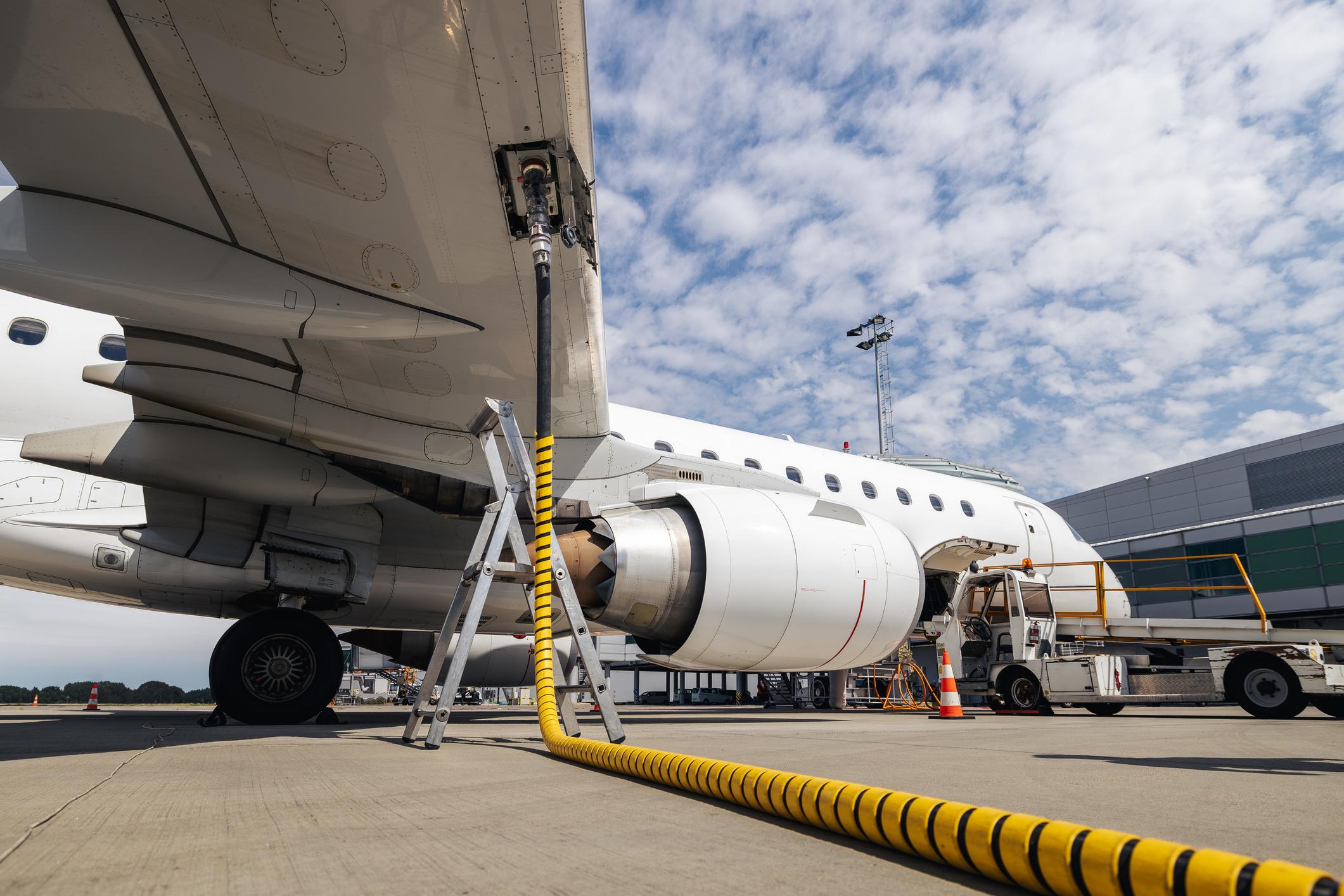
Havana, February 9, 2026, According to Parliament News, that the Cuba jet fuel shortage has emerged as a serious operational challenge for airlines, drawing attention from aviation authorities, international carriers, and regional transport analysts. Officials responsible for civil aviation oversight have confirmed that jet fuel availability at several Cuban airports has reached critically low levels, prompting direct communication with airlines to prepare for possible operational constraints.
The situation has developed amid broader economic and energy pressures facing the country, with fuel supply instability now extending into the aviation sector. As airlines assess the potential impact on scheduling, costs, and passenger services, uncertainty continues to grow across the industry.
Authorities Alert Airlines to Fuel Supply Constraints
Civil aviation officials have formally notified carriers operating flights to and from Cuba about the increasing strain on aviation fuel supplies. The advisory outlines potential limitations on refueling services, particularly during peak travel periods, and urges airlines to coordinate closely with airport fuel providers.
According to officials, the Cuba jet fuel shortage is not the result of a single disruption but rather a convergence of delayed imports, financial constraints, and logistical bottlenecks. These factors have reduced the margin of flexibility normally required to maintain uninterrupted flight operations.
International Airlines Reassess Operational Planning
International carriers serving Havana and other major Cuban destinations are now reviewing flight operations with heightened caution. Airlines may be required to adjust fuel planning strategies, including carrying additional fuel from origin airports, a practice that increases operational costs and reduces payload capacity.
As the Cuba jet fuel shortage becomes a planning variable, route profitability and scheduling efficiency are under renewed scrutiny. Industry analysts note that even temporary uncertainty can influence long-term network decisions, particularly for airlines operating on tight margins.
Economic Pressures Behind Aviation Fuel Constraints
Cuba’s fuel challenges are deeply rooted in broader economic realities. Limited access to foreign currency, constrained credit options, and rising global fuel prices have made procurement increasingly difficult. These pressures have affected multiple sectors, with aviation now experiencing the downstream impact.
The Cuba jet fuel shortage illustrates how energy supply challenges can quickly extend beyond electricity generation and surface transport, reaching critical infrastructure such as airports. Experts emphasize that aviation fuel systems require continuous replenishment to avoid cascading disruptions.
Tourism Industry Watches Developments Closely
Tourism remains one of Cuba’s most important sources of foreign revenue, and air connectivity is essential to sustaining visitor flows. Hotel operators, tour companies, and travel agencies are closely monitoring airline responses to the fuel situation.
The Cuba jet fuel shortage introduces uncertainty at a time when destination reliability plays a key role in traveler decision-making. Any reduction in flight availability or increase in ticket prices could affect demand, particularly from long-haul markets.
Domestic Aviation Services Under Added Strain
Domestic airlines face unique challenges in responding to fuel constraints. Unlike international carriers, they have limited ability to tanker fuel or reroute aircraft without significant operational disruption.
As the Cuba jet fuel shortage affects domestic aviation, interprovincial travel may become less frequent, impacting business mobility, medical transport, and internal logistics. Aviation specialists note that domestic networks often feel the effects of fuel shortages more acutely than international routes.
Cargo and Supply Chain Implications
Air cargo services are also vulnerable to fuel availability issues. Cargo flights play a critical role in transporting medical supplies, time-sensitive goods, and essential materials across the island.
The Cuba jet fuel shortage raises concerns about potential delays or capacity reductions in air freight operations. While cargo flights are often prioritized during shortages, sustained constraints could still disrupt supply chains.
Airline Industry Reaction
Airlines operating in the region are engaging in active dialogue with Cuban airport authorities and fuel suppliers. Many are revisiting contingency plans developed during previous global fuel disruptions.
One airline representative said in a statement,
“Fuel availability is central to operational safety and schedule reliability, and any sustained limitation requires careful coordination with all stakeholders.”
This comment reflects the industry’s cautious stance as developments continue to unfold.
Historic Comparison: Lessons From Past Fuel Disruptions
Historically, fuel shortages have had a profound impact on aviation systems worldwide. During previous global energy crises, airlines were forced to ground aircraft, reduce routes, and rethink long-term expansion strategies.
The Cuba jet fuel shortage draws comparisons to earlier periods when fuel access constraints reshaped air transport across developing economies. In those cases, recovery depended heavily on infrastructure investment, diversified supply sources, and improved financial resilience.
Aviation historians note that countries that addressed structural vulnerabilities emerged with more stable and adaptable transport networks.
Regional Aviation Effects Across the Caribbean
Cuba’s aviation challenges extend beyond its borders. Many airlines operate interconnected routes across the Caribbean, meaning disruptions in one location can affect aircraft rotations elsewhere.
As the Cuba jet fuel shortage persists, regional carriers may need to adjust schedules across multiple destinations. This interconnectedness highlights the importance of coordination among regional aviation authorities.
Government Response and Coordination Efforts
Government officials have acknowledged the seriousness of the situation and confirmed that efforts are underway to stabilize fuel supplies. Measures include prioritizing essential flights, improving logistical coordination, and exploring alternative procurement channels.
Addressing the Cuba jet fuel shortage, however, will likely require sustained economic engagement and long-term planning. Officials stress that short-term mitigation can reduce immediate disruption but cannot fully resolve underlying constraints.
Passenger Experience and Travel Advisory
Passengers traveling to Cuba are being advised to stay informed through airline notifications and official travel updates. While flights continue to operate, schedule adjustments remain possible.
The Cuba jet fuel shortage underscores the importance of flexible travel arrangements and awareness during periods of operational uncertainty. Travel industry representatives recommend allowing extra time for connections and monitoring airline policies.
Infrastructure and Storage Limitations
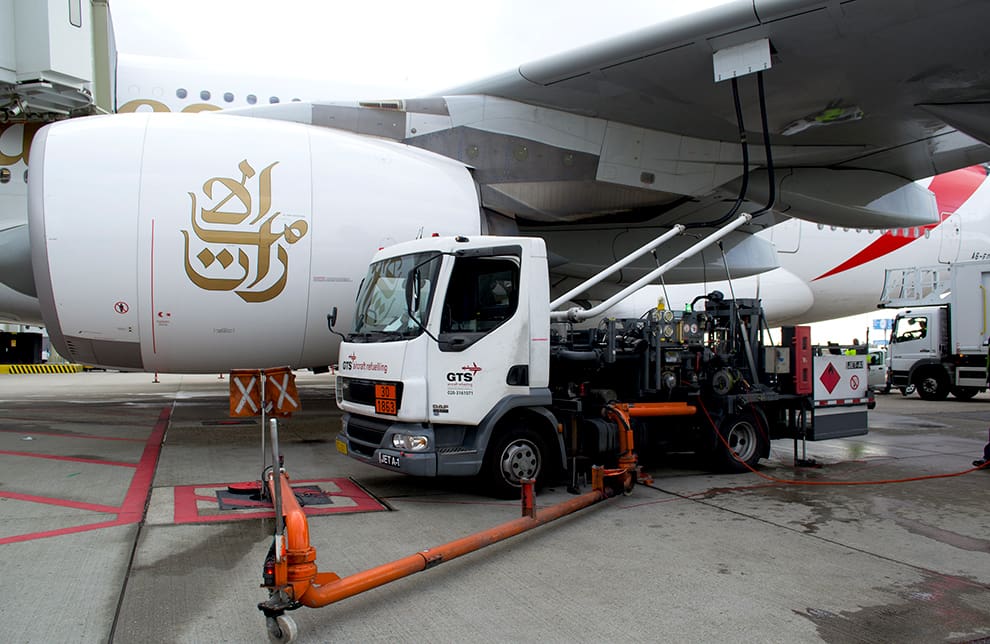
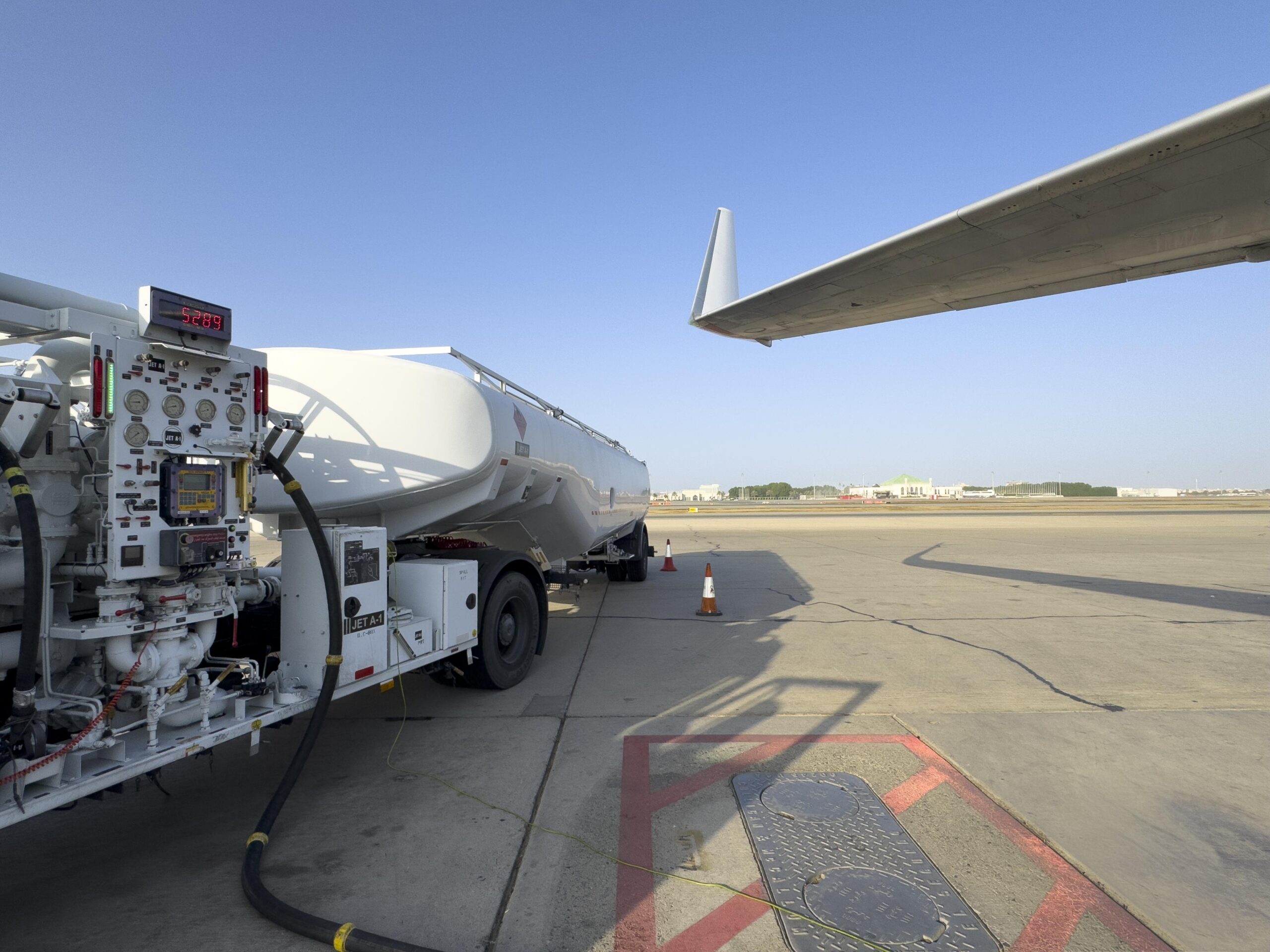
Fuel storage capacity plays a critical role in aviation resilience. Limited storage reduces the ability to buffer against delayed shipments or sudden demand increases.
The Cuba jet fuel shortage has renewed focus on the need for modernized storage facilities and improved fuel handling infrastructure. Aviation engineers emphasize that investment in these areas can significantly reduce vulnerability to supply interruptions.
Long Term Strategic Considerations
Experts agree that addressing aviation fuel challenges requires a multi-layered strategy. This includes diversifying supply partners, improving financial mechanisms for fuel procurement, and strengthening airport infrastructure.
The Cuba jet fuel shortage may act as a catalyst for broader discussions on energy security and transport sustainability within the country’s aviation planning framework.
Outlook for Airlines Operating in Cuba
Despite current challenges, airlines continue to express cautious commitment to Cuban routes. Demand fundamentals, particularly for tourism and family travel, remain strong.
However, the Cuba jet fuel shortage introduces an element of risk that airlines must factor into long-term planning. Industry observers suggest that transparency and coordination will be key to maintaining airline confidence.
Aviation Policy at a Turning Point
Aviation policy decisions made in 2026 may have lasting implications. Fuel security, infrastructure investment, and international cooperation are increasingly viewed as interconnected priorities.
The Cuba jet fuel shortage highlights the need for policies that strengthen resilience across the entire aviation ecosystem, from fuel supply to airport operations.
The Cuba jet fuel shortage has placed Cuba’s aviation sector under significant pressure, affecting airlines, passengers, tourism, and regional connectivity. While authorities and carriers work to manage immediate risks, long-term solutions will be essential to ensure stability and growth.
As developments continue through 2026, the situation serves as a reminder that aviation reliability depends not only on aircraft and airports, but on the resilience of the energy systems that support them.
A Defining Test for Aviation Resilience
How Cuba navigates this challenge will shape perceptions of its aviation reliability in the years ahead. The outcome may influence investment decisions, airline strategies, and the country’s role within the wider Caribbean aviation network.