

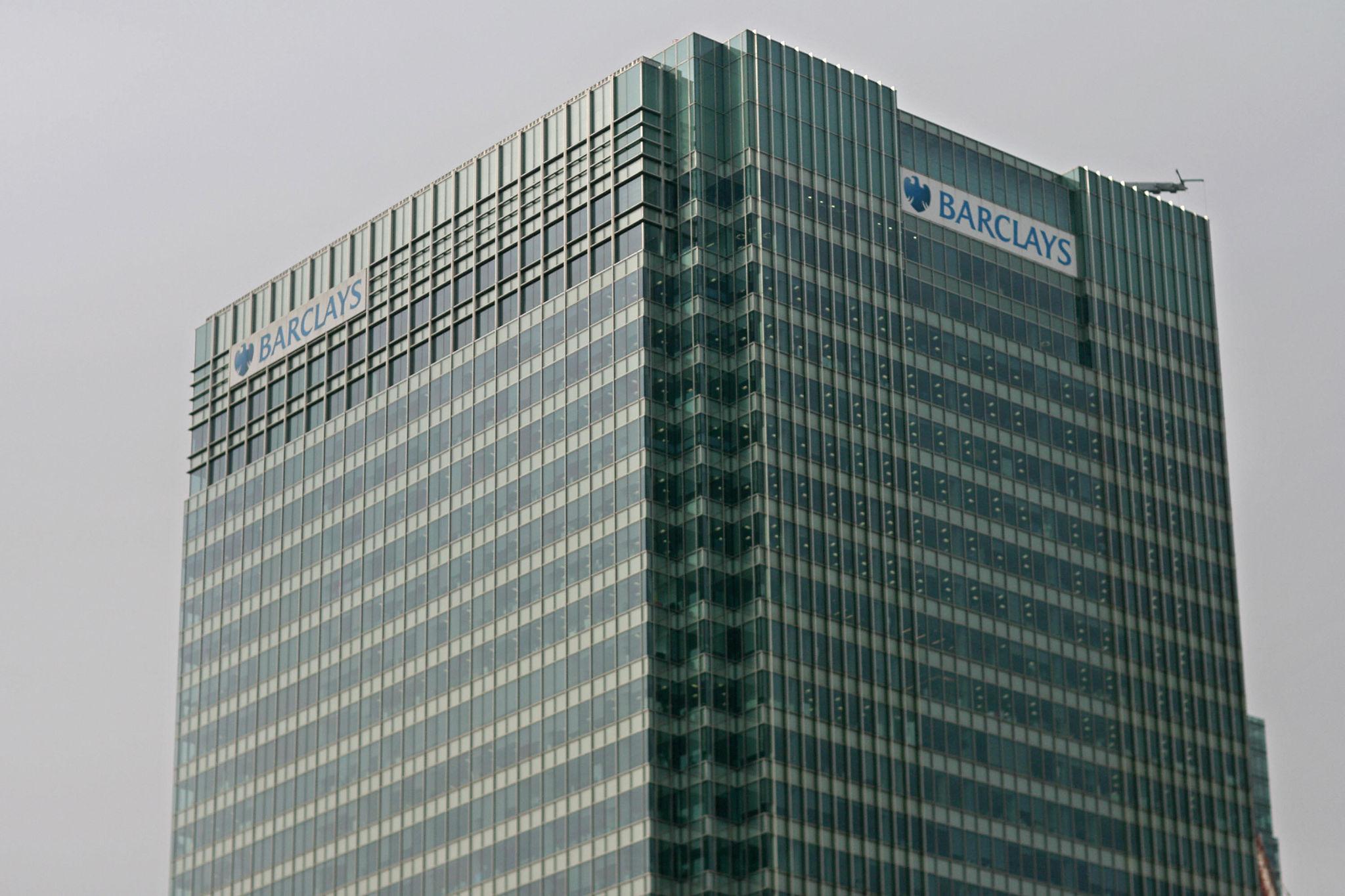
UK, London, February 10, 2026 — Parliament News — The Barclays leadership crisis has become a defining issue for the UK financial sector in 2026, drawing intense scrutiny in London and across Europe as questions of accountability and governance dominate public debate. The situation has placed renewed attention on how historic leadership decisions at Barclays continue to influence confidence in one of the world’s most recognisable banking institutions.
As regulators investors and policymakers assess the wider implications, the story has moved beyond a single institution to become a reference point for leadership responsibility in global finance.
A moment of reckoning for a global bank
The unfolding situation represents a critical test for Barclays at a time when public trust in financial institutions remains fragile. Senior executives are navigating a complex landscape shaped by regulatory expectations media scrutiny and shareholder concerns.
For many observers, the Barclays leadership crisis highlights how legacy issues can resurface even after leadership changes have been implemented. The bank’s current management has repeatedly emphasized that lessons have been learned, yet the persistence of the issue underscores the long memory of the financial world.

Regulatory attention intensifies in the UK
British financial regulators have taken a close interest in developments surrounding Barclays, reinforcing their commitment to strict governance standards. Oversight bodies have made clear that accountability at the executive level is no longer negotiable.
The Barclays leadership crisis has been cited by regulatory officials as an example of why transparency and documentation are essential when assessing senior management conduct. While no new enforcement actions have been announced, the heightened attention reflects a broader tightening of regulatory culture across the UK.
Leadership response and institutional messaging
Barclays’ current leadership has sought to address the situation directly through public statements and internal communications. Speaking to stakeholders, the chief executive said,
“The expectations placed on bank leaders today are rightly higher than ever, and we must meet them without hesitation.”
This approach aims to reassure investors and customers that the institution understands the seriousness of the moment. Analysts note that measured acknowledgment rather than defensive rhetoric has become a preferred strategy in addressing the Barclays leadership crisis.
Investor sentiment and market stability
From a market perspective, Barclays has remained operationally stable. However, governance concerns can influence long-term valuation and investor confidence. Institutional shareholders have been particularly vocal in recent months, requesting detailed explanations of how leadership oversight has evolved.
The Barclays leadership crisis has therefore become part of broader discussions between the bank and its investors about sustainability ethical management and long-term risk. Financial analysts suggest that consistent messaging will be critical to maintaining confidence.

Internal culture and employee engagement
Inside the organization, executives have focused on reinforcing corporate values and ethical standards. Town hall meetings and internal briefings have been used to explain governance reforms and encourage open dialogue.
Employees have expressed a desire for clarity and consistency from leadership. For many staff members, the Barclays leadership crisis represents not just a reputational challenge but a test of whether institutional values are genuinely reflected in leadership behavior.
Media coverage and public trust
The role of media coverage has been central to shaping public perception. European and international outlets have framed the story as part of a wider pattern of scrutiny facing large financial institutions.
Brussels Morning Newspaper has followed developments closely, emphasizing the broader implications for European banking governance. The Barclays leadership crisis continues to attract attention because it resonates with ongoing debates about ethical leadership and transparency.
The Evolution of Accountability in Banking Leadership
Barclays’ current challenges are best understood within a longer historical context of banking governance reforms. Over the past two decades, the global financial crisis and subsequent scandals reshaped regulatory frameworks and public expectations.
The Barclays leadership crisis fits into this historical trajectory, illustrating how institutions that survived earlier reforms are still being tested by evolving standards. Experts argue that history shows governance failures often lead to structural change across the sector.
Comparisons across the European banking sector
Analysts have compared Barclays’ experience with governance issues faced by other European banks. While circumstances differ, common themes include delayed disclosure and the difficulty of managing reputational risk in a digital media environment.
The Barclays leadership crisis has therefore become a benchmark in discussions among European regulators about harmonizing governance expectations across borders.
Strategic priorities under pressure
Despite ongoing scrutiny, Barclays continues to pursue its strategic objectives in retail and investment banking. Executives insist that customer services and financial performance remain unaffected.
Yet the Barclays leadership crisis has added pressure to demonstrate that strategic growth aligns with ethical reform. Leadership clarity and consistent governance messaging are now seen as integral to the bank’s long-term strategy.

Voices from the financial community
Industry experts have weighed in on the broader meaning of the situation. One senior banking analyst noted,
“What we are seeing is a shift where leadership credibility matters as much as capital strength.”
Another governance specialist commented,
“Cases like this redefine expectations for how banks document and review executive conduct.”
Such perspectives underscore why the Barclays leadership crisis has become a talking point well beyond the UK.
Global implications for multinational banks
As a multinational institution, Barclays’ experience is closely watched by global peers. Regulators in other jurisdictions are assessing whether similar governance vulnerabilities exist within their own banking systems.
The Barclays leadership crisis reinforces a growing consensus that leadership oversight must be consistent across regions. Fragmented governance structures are increasingly viewed as a liability in a connected financial system.
Rebuilding confidence and trust
Restoring trust requires more than public statements. Barclays has emphasized ongoing investment in compliance systems and independent oversight as part of its reform agenda.
The Barclays leadership crisis has therefore become a catalyst for deeper internal review. Observers say sustained action rather than short-term responses will determine whether confidence is fully restored.
What lies ahead for Barclays
Looking forward, the coming year is expected to be pivotal. Stakeholders will closely monitor how governance reforms are implemented and whether leadership accountability measures deliver tangible results.
For Barclays, resolving the Barclays leadership crisis is not just about closing a chapter but about setting a precedent for future leadership conduct.
A defining test for modern banking leadership
The episode has crystallized a central question facing modern banking: how to balance commercial ambition with ethical responsibility. Public expectations continue to rise, and tolerance for governance lapses continues to fall.
As Brussels Morning Newspaper has observed, the Barclays leadership crisis illustrates how leadership decisions can shape institutional reputation long after they are made.
Beyond the headlines
Ultimately, the long-term impact will depend on whether reforms translate into lasting cultural change. Analysts caution that reputational recovery is often gradual and requires consistent effort.
The Barclays leadership crisis serves as a reminder that accountability is now a permanent feature of global finance rather than a temporary reaction to controversy.
Looking Ahead for Global Banking Leadership
In London and across Europe, this moment is being watched as a case study in leadership responsibility. Barclays’ response may influence how other banks approach governance challenges in the years ahead.
As one financial policy expert summarized,
“This is not just about one institution, it is about redefining what leadership means in modern banking.”