


Boston, February 12, 2026 — According to Parliament News, that Digital infrastructure growth is accelerating across Boston in 2026 as enterprises expand cloud capacity, artificial intelligence systems, and secure data storage networks to meet rising global demand. Analysts report that digital infrastructure growth is now central to economic strategy, influencing corporate investment, employment trends, and public policy decisions.
The expansion comes amid sustained enterprise technology spending, resilient capital markets, and continued innovation in data center architecture. Industry leaders emphasize that digital infrastructure growth reflects structural change rather than short term momentum, positioning Boston as a competitive hub in the evolving digital economy.
Expanding Data Center Capacity in 2026
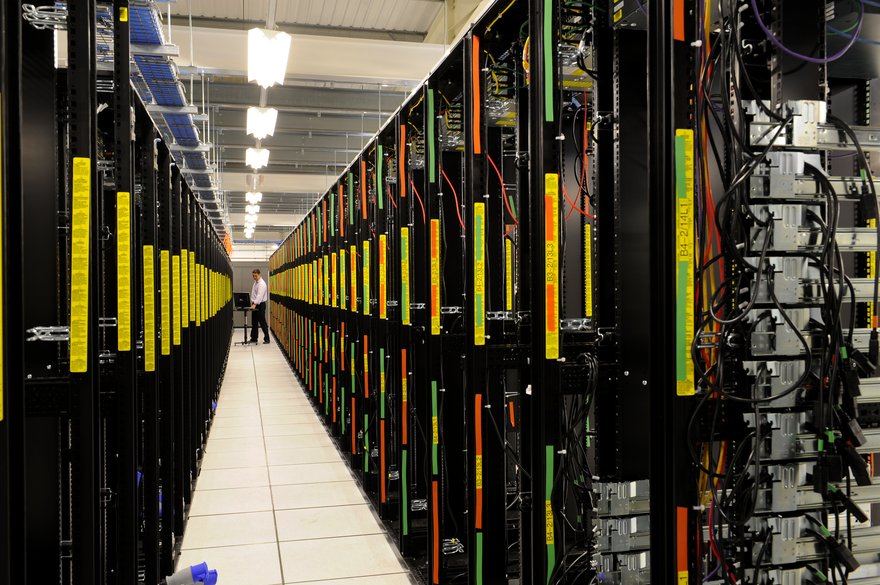
Enterprise data consumption continues to climb in 2026, driven by financial services, healthcare systems, education networks, and emerging technology firms. Boston’s established position as a financial and research center has intensified the demand for secure, high performance facilities capable of supporting sensitive workloads.
New construction projects are underway in suburban corridors surrounding Boston, with developers focusing on scalable campuses designed to accommodate multi tenant operations. These facilities incorporate advanced cooling systems, redundant power feeds, and biometric access controls to meet enterprise compliance requirements.
Industry researchers confirm that digital infrastructure growth is tied to predictable, contract based revenue models. Long term leasing agreements with corporate clients provide visibility into cash flow and enable infrastructure operators to plan capital expenditures with greater precision.
Boston’s strategic geographic location also supports low latency connections to New York and other northeastern markets. Fiber optic expansion projects continue strengthening connectivity between urban cores and suburban campuses.
Enterprise Cloud Migration Accelerates
Organizations across industries are transitioning from legacy systems to hybrid and multi cloud environments. Cloud migration strategies focus on flexibility, security, and cost optimization. Boston based technology firms are expanding partnerships with global cloud providers to support evolving client needs.
Executives say that digital infrastructure growth is reinforced by subscription driven service models that create recurring revenue streams. These arrangements reduce volatility and encourage sustained reinvestment in facility upgrades.
Hybrid environments combining public cloud platforms and private data centers have become common among financial institutions seeking greater control over mission critical systems. Regulatory compliance standards further encourage infrastructure modernization.
As enterprises digitize internal operations, the reliance on secure offsite storage and scalable computing capacity increases. Analysts predict that migration trends will continue well beyond 2026.
Artificial Intelligence Reshapes Capacity Requirements
Artificial intelligence workloads require high density computing clusters capable of processing vast datasets in real time. Graphics processing units, machine learning accelerators, and advanced networking architectures are now standard features in new data center builds.
AI research institutions in Boston are collaborating with private companies to deploy specialized infrastructure optimized for model training and inference. These partnerships contribute to digital infrastructure growth by fostering innovation in hardware design and energy management.
Operators report rising energy consumption associated with AI clusters, prompting investments in renewable energy sourcing and efficient cooling solutions. Liquid cooling and modular containment systems are becoming increasingly common.
The rapid expansion of AI applications across industries ensures sustained demand for performance oriented infrastructure environments.
Capital Markets Support Long Term Investment
Institutional investors continue allocating capital toward infrastructure assets perceived as stable and income generating. Real estate investment trusts, pension funds, and private equity firms are participating in large scale projects across the Boston region.
Market analysts view digital infrastructure growth as aligned with broader economic modernization. Infrastructure investments often span decades, making them attractive to long horizon investors seeking consistent returns.
Financing structures emphasize disciplined leverage and diversified tenant portfolios. Strong credit profiles among enterprise clients enhance confidence in revenue sustainability.
Capital availability remains robust in 2026, supported by favorable lending conditions and investor appetite for technology linked assets.
Cybersecurity and Compliance Imperatives
Regulatory frameworks governing financial data, healthcare records, and consumer information continue evolving. Infrastructure operators must maintain rigorous security protocols to meet compliance standards.
Advanced encryption, multi factor authentication, and continuous monitoring systems are integral to modern facilities. Cybersecurity has become a core differentiator in competitive bidding processes.
Digital infrastructure growth is intertwined with resilience planning. Enterprises demand geographically distributed facilities capable of maintaining uptime during natural disasters or cyber incidents.
Boston’s proximity to federal agencies and research institutions has strengthened its reputation for security oriented infrastructure development.
Workforce and Economic Impact
Infrastructure expansion generates employment across engineering, construction, and information technology sectors. Universities in Boston have launched specialized programs in cloud architecture, cybersecurity, and energy management to address workforce demand.
Local economic development agencies report increased investment in surrounding communities as new facilities require transportation upgrades and utility expansions.
Digital infrastructure growth supports indirect employment in legal services, finance, and consulting. The multiplier effect extends beyond technology companies, influencing broader regional prosperity.
Economic analysts suggest that infrastructure projects provide long term stability by anchoring corporate investment within the region.
Energy Strategy and Sustainability
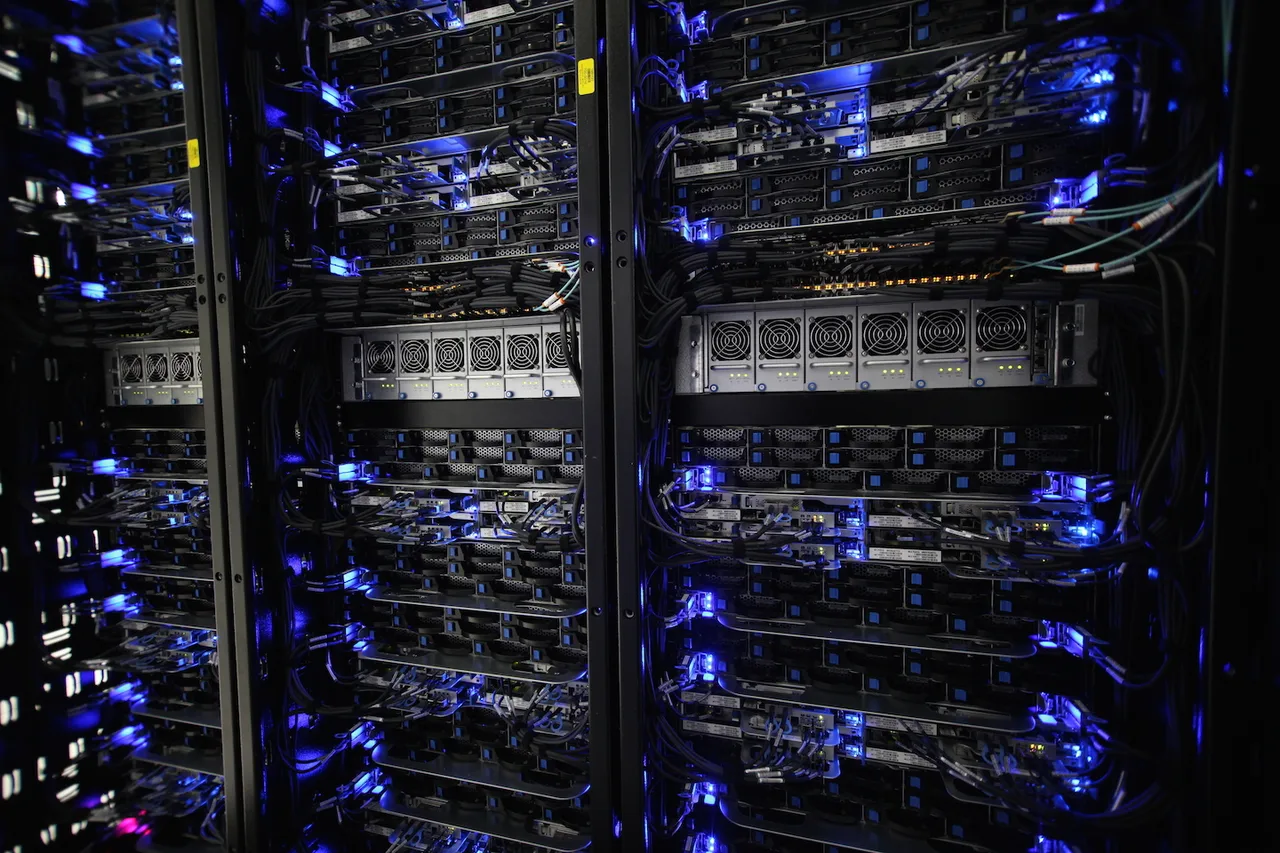
Sustainability considerations increasingly influence procurement decisions among enterprise clients. Data center operators are incorporating renewable energy contracts and on site generation systems to reduce carbon footprints.
Energy efficiency improvements include artificial intelligence driven monitoring platforms that optimize cooling and power distribution. Operators are also exploring water efficient cooling technologies to address environmental concerns.
Digital infrastructure growth must balance performance objectives with environmental stewardship. Regulatory pressure and corporate sustainability commitments encourage ongoing innovation in energy management.
Boston’s climate policies align with infrastructure operators’ renewable energy targets, creating a supportive regulatory environment.
Historic Comparison
The current wave of digital infrastructure growth in 2026 mirrors earlier technological transformations that reshaped economic landscapes. In the late twentieth century, telecommunications networks expanded rapidly as businesses adopted internet connectivity. Similarly, the industrial revolution saw railroads and electrical grids transform commerce and urban development.
Today’s infrastructure expansion represents a comparable structural shift. Data centers, fiber networks, and cloud platforms now serve as foundational systems supporting economic activity. While earlier revolutions relied on physical transport and manufacturing, modern growth depends on information exchange and computational capacity.
Analysts note that each technological era redefined productivity standards and competitive advantage. Boston’s role in earlier industrial and academic advancements parallels its position in the current digital transformation.
Market Consolidation and Competition
The competitive landscape includes global operators, regional providers, and specialized niche firms. Consolidation trends continue as larger companies acquire smaller facilities to expand geographic coverage and service offerings.
Digital infrastructure growth encourages partnerships between cloud providers and infrastructure developers. Joint ventures often accelerate project timelines and reduce financial risk.
Differentiation increasingly depends on uptime reliability, scalability, and customer support quality. Operators invest heavily in certification processes and transparent reporting to build trust with enterprise clients.
Competition remains robust, yet collaborative frameworks are emerging to address shared challenges such as energy sourcing and cybersecurity threats.
Public Policy and Incentives
Government agencies recognize the strategic importance of infrastructure investment. Incentive programs include tax credits, zoning flexibility, and workforce development grants aimed at attracting facility development.
Boston’s policy framework supports innovation clusters by aligning infrastructure expansion with economic development goals. Public private partnerships have facilitated utility upgrades and broadband deployment.
Digital infrastructure growth aligns with national competitiveness strategies emphasizing technology leadership and data security. Policymakers increasingly consider infrastructure capacity as critical to economic resilience.

One Perspective From Industry Leadership
Industry executives emphasize that the transformation underway extends beyond physical construction. As one senior technology executive stated,
“Digital infrastructure growth defines the foundation of modern economic competitiveness, and regions that invest strategically today will shape the global technology landscape for decades.”
This perspective reflects a broader consensus among investors and policymakers that infrastructure investment represents long term strategic positioning rather than short term expansion.
Global Connectivity and Interdependence
Boston’s infrastructure expansion connects to broader global networks. Transatlantic fiber links and cloud exchange points integrate local facilities into international systems.
Emerging markets are also investing in localized facilities to support digital economies. Cross border data flows continue rising, increasing the importance of standardized security protocols and interoperable systems.
Digital infrastructure growth influences trade patterns, remote work adoption, and global collaboration in research and development.
Economic interdependence underscores the need for resilient and scalable infrastructure across continents.
Innovation and Research Integration
Boston’s academic institutions play a central role in advancing infrastructure technology. Research initiatives focus on quantum computing, edge computing, and advanced networking protocols.
Collaboration between universities and private firms accelerates commercialization of new technologies. Pilot projects often transition into full scale deployments within regional facilities.
Digital infrastructure growth benefits from this ecosystem of experimentation and applied research, reinforcing Boston’s competitive advantage.
Long Term Outlook Through 2026
Forecasts indicate sustained demand for secure data processing capacity through the remainder of the decade. Artificial intelligence adoption, remote work trends, and connected devices contribute to rising data volumes.
Financial markets anticipate stable revenue streams from infrastructure operators with diversified tenant bases. Economic cycles may influence short term investment pace, but underlying demand fundamentals remain strong.
Digital infrastructure growth appears poised to remain a defining feature of economic strategy through 2030 and beyond.
The Architecture of Tomorrow
As 2026 progresses, Boston’s skyline reflects both historic heritage and modern transformation. Beneath office towers and suburban campuses, advanced facilities quietly power financial systems, healthcare networks, educational platforms, and government services.
Digital infrastructure growth represents more than technical advancement. It embodies a shift in how societies function, compete, and innovate. With sustained investment, regulatory support, and academic collaboration, Boston continues positioning itself at the forefront of this transformation.
The integration of artificial intelligence, cybersecurity resilience, sustainable energy, and scalable cloud systems defines the architecture of tomorrow’s economy. Observers agree that the infrastructure decisions made in 2026 will shape competitiveness and productivity for decades to come.