


New York, February 12, 2026 — According to Parliament News, that Global stock market expansion is accelerating in 2026 as rising corporate earnings, cross border capital flows, and renewed investor confidence reshape financial markets worldwide. Analysts report that global stock market expansion is being supported by stabilizing inflation trends, disciplined monetary policy adjustments, and strong performance across technology and industrial sectors.
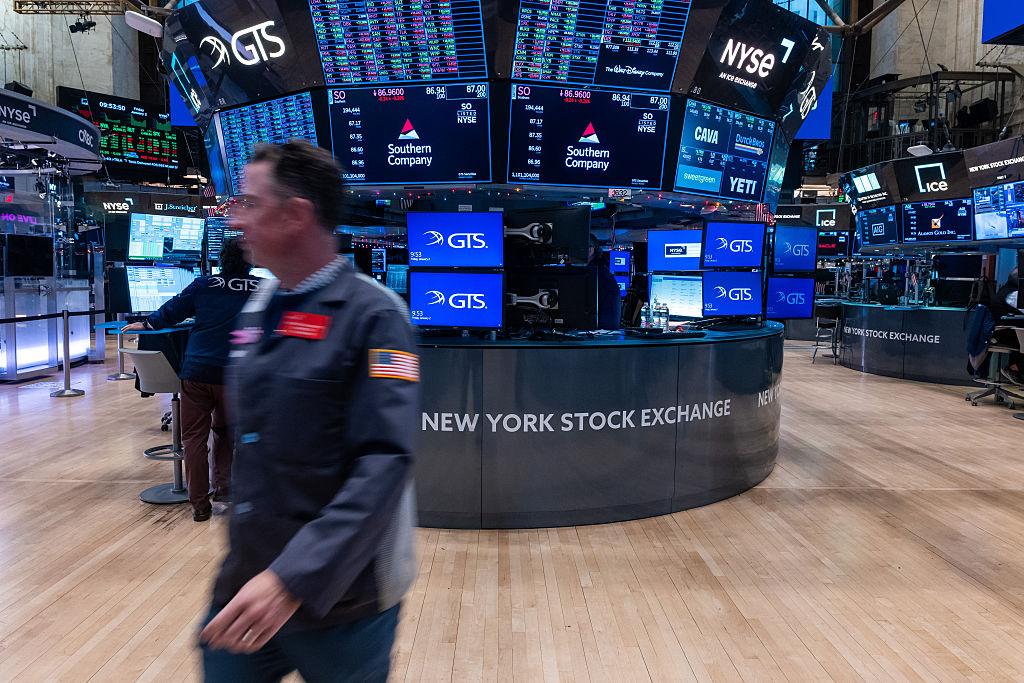
Major exchanges in New York, London, Tokyo, and Frankfurt have recorded steady gains since the beginning of the year. Market strategists suggest that global stock market expansion reflects deeper economic integration and a structural shift in how companies raise capital and investors diversify portfolios.
Cross Border Listings Reshape Capital Markets
Public companies are increasingly pursuing dual and secondary listings to broaden their investor base. Investment banks report a strong pipeline of multinational firms seeking access to capital across continents. This trend is reinforcing global stock market expansion by increasing liquidity and trading volume.
Corporations benefit from diversified shareholder structures, while investors gain exposure to international growth stories. The expansion of cross border listings also reflects improved regulatory coordination among financial authorities.
Emerging technology companies, renewable energy providers, and pharmaceutical innovators have been particularly active in exploring additional exchange listings. Analysts believe this trend will continue throughout 2026.
Corporate Earnings Drive Confidence
Quarterly earnings across major indices have exceeded expectations in several sectors. Technology, industrial manufacturing, and consumer discretionary firms have posted moderate but consistent revenue growth.
Financial analysts emphasize that global stock market expansion is closely tied to profitability trends. When earnings growth remains steady, investors are more willing to accept higher valuations.
Cost discipline and operational efficiency have helped corporations navigate supply chain pressures and fluctuating commodity prices. These improvements support broader market stability and reinforce investor sentiment.
Institutional Capital Returns to Equities
Pension funds, sovereign wealth funds, and insurance companies have increased equity allocations this year. Institutional investors often provide long term stability to markets by focusing on fundamentals rather than short term volatility.
Portfolio diversification strategies are contributing to global stock market expansion as funds allocate capital across multiple regions and sectors. Balanced exposure reduces systemic risk and encourages sustainable growth.
Retail investor participation has also increased, driven by accessible trading platforms and improved financial literacy resources.

Technology and Innovation Lead Gains
Technology remains a central pillar of market momentum. Artificial intelligence infrastructure, cybersecurity firms, semiconductor manufacturers, and cloud computing providers continue attracting strong investor interest.
The innovation cycle has strengthened global stock market expansion by creating new revenue opportunities and productivity improvements across industries. Companies leveraging automation and advanced analytics report improved margins and scalable growth models.
Investors are closely monitoring research and development pipelines to identify emerging leaders in digital transformation.
Monetary Policy Stabilizes Volatility
Central banks have signaled a cautious and measured approach to policy adjustments in 2026. Inflation indicators show signs of moderation, allowing policymakers to balance growth objectives with financial stability.
Economists argue that predictable interest rate environments support global stock market expansion by reducing uncertainty. Lower volatility often encourages long term capital commitments.
Financial markets remain sensitive to policy announcements, but overall stability has improved compared to previous years marked by aggressive tightening cycles.
Emerging Markets Gain Traction
Emerging economies are experiencing renewed investor attention. Improved fiscal management and expanding domestic markets have enhanced growth prospects in Asia, Latin America, and parts of Africa.
International fund managers report that global stock market expansion now includes broader geographic participation. Infrastructure projects, digital adoption, and demographic trends are strengthening corporate earnings potential in developing markets.
While currency risks remain, diversification strategies mitigate potential volatility.
Capital Flow Dynamics and Currency Stability
Currency stability plays a critical role in cross border investments. Balanced exchange rate movements in 2026 have reduced uncertainty for multinational corporations and global investors.
Stable currency environments contribute to global stock market expansion by lowering transaction risk and improving forecasting accuracy for multinational earnings.
Central bank coordination and transparent communication have supported confidence in global financial systems.
Regulatory Coordination Enhances Transparency
Financial regulators have continued strengthening disclosure requirements and governance standards. Harmonized reporting frameworks increase transparency and protect investors.
Improved compliance structures reinforce global stock market expansion by encouraging companies to pursue listings in multiple jurisdictions with confidence.
Regulatory modernization has also supported sustainable investment initiatives, including environmental, social, and governance reporting.
Historic Comparison
The current wave of global stock market expansion mirrors earlier periods of financial integration that reshaped economic systems. In the late nineteenth century, expanding rail networks and telegraph systems connected markets across continents, enabling faster capital movement and broader investment participation.
Similarly, the late twentieth century saw deregulation and technological advancement accelerate international capital flows. Today’s environment reflects another transformative moment, driven by digital trading platforms, instant communication, and advanced analytics.
Each historical phase of expansion has strengthened economic interdependence while introducing new challenges. The present cycle underscores how modern connectivity continues redefining financial participation and opportunity.
One Perspective From Market Leadership
Market participants emphasize that structural factors are driving current momentum. As one senior investment strategist stated,
“Global stock market expansion reflects deeper economic resilience and stronger corporate fundamentals across major regions.”
This perspective highlights the belief that sustained earnings growth and disciplined policy frameworks are reinforcing long term confidence rather than speculative enthusiasm.
Infrastructure and Digital Trading Platforms
Advances in digital trading systems have enhanced efficiency and accessibility. High speed connectivity, automated clearing mechanisms, and real time data analytics have reduced transaction costs.
These improvements strengthen global stock market expansion by enabling broader investor participation across time zones and borders.
Exchanges continue investing in cybersecurity defenses to safeguard transaction integrity and maintain trust among participants.

Sector Rotation and Diversified Gains
While technology remains prominent, gains in healthcare, renewable energy, and industrial sectors demonstrate balanced performance. Diversification across industries reduces vulnerability to concentrated downturns.
Portfolio managers emphasize disciplined asset allocation strategies as global stock market expansion continues through mid year trading cycles.
Environmental sustainability initiatives are also influencing capital allocation decisions, with investors increasingly integrating responsible investment principles.
Geopolitical Risks and Market Resilience
Despite positive momentum, geopolitical tensions and trade negotiations remain potential sources of volatility. Energy markets and commodity pricing fluctuations can influence corporate earnings.
However, diversified supply chains and improved risk management strategies have enhanced resilience. Analysts note that global stock market expansion persists even amid localized disruptions, reflecting structural strength.
Investors remain vigilant but optimistic regarding medium term growth trajectories.
Long Term Outlook Beyond 2026
Financial forecasts suggest steady equity performance into 2027, contingent upon stable macroeconomic conditions. Continued innovation and disciplined fiscal management are expected to support sustainable growth.
Global stock market expansion appears anchored in long term capital integration and technological advancement. As economies digitize and corporate governance standards improve, equity markets remain central to capital formation.
Market strategists caution that prudent risk management remains essential despite favorable trends.
The Architecture of Global Capital in a Connected Era
The acceleration of global stock market expansion in 2026 signals a defining moment in financial evolution. Capital markets are increasingly interconnected, enabling companies to raise funds across borders with unprecedented efficiency.
Technology, transparency, and diversified participation are reshaping traditional trading environments. Exchanges are evolving into global platforms rather than localized institutions.
As investors evaluate opportunities in a rapidly changing landscape, the integration of digital infrastructure, regulatory cooperation, and corporate innovation suggests that the foundations of global finance are becoming stronger and more adaptive.
Global stock market expansion represents not only rising indices but also expanding opportunity, broader inclusion, and enhanced collaboration across nations. The architecture of modern capital markets continues evolving, setting the stage for sustained economic progress in the years ahead.