
Washington, February 12, 2026 — According to Parliament News, that US competition policy is undergoing a significant recalibration in 2026 as regulators, lawmakers, and courts refine how antitrust enforcement applies to modern digital markets and cross industry consolidation. Legal analysts say US competition policy is increasingly central to economic governance, influencing corporate mergers, capital allocation, and investor confidence across multiple sectors.
The current shift reflects both continuity and adaptation. While foundational statutes remain intact, enforcement strategies are evolving to address platform economies, data driven dominance, and globalized corporate structures. Observers note that US competition policy now shapes not only merger reviews but also long term business strategy and international regulatory coordination.
Regulatory Priorities in 2026
Federal regulators have intensified oversight of mergers in technology, healthcare, telecommunications, and energy sectors. US competition policy is emphasizing structural analysis of market concentration, network effects, and potential barriers to entry.
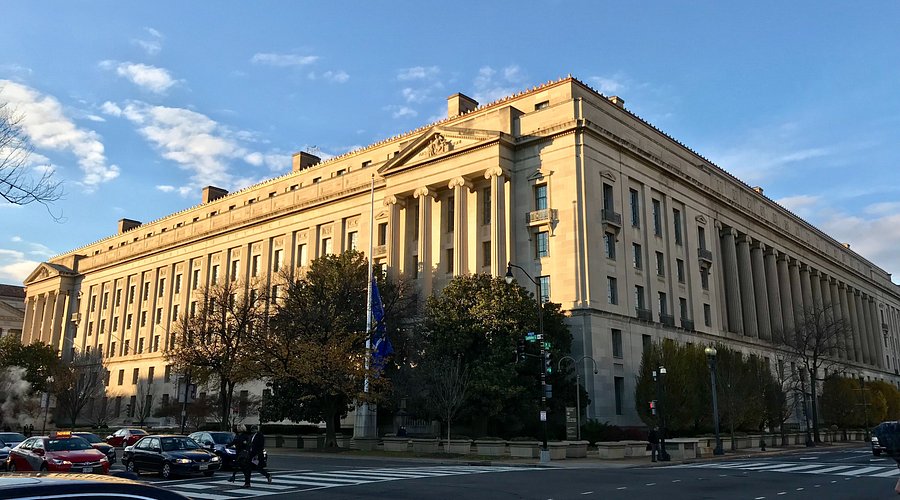
Officials at the Department of Justice and the Federal Trade Commission have adopted a coordinated approach, sharing economic data and litigation strategies. This alignment reduces duplicative processes while strengthening enforcement consistency.
The shift toward more detailed market definition analysis reflects concerns about long term competitive impact rather than short term price effects alone. Analysts argue that US competition policy is adapting to the realities of digital ecosystems where market power may stem from data access and user networks.
Technology Sector and Platform Dominance
Large technology platforms remain focal points of enforcement. Investigations examine advertising markets, app distribution systems, and digital marketplace practices.
US competition policy increasingly evaluates how integrated services may limit interoperability or restrict third party participation. Regulators assess whether platform self preferencing creates competitive disadvantages for smaller firms.
Technology executives defend scale as essential for innovation, arguing that integrated systems enhance consumer convenience and efficiency. Advocacy groups counter that concentration can reduce consumer choice and suppress entrepreneurial entry.
Healthcare Consolidation and Consumer Impact
Hospital systems, insurance providers, and pharmaceutical companies continue pursuing mergers to achieve operational efficiencies. However, regulators are scrutinizing whether consolidation reduces competition in local markets.
US competition policy in healthcare emphasizes economic modeling to determine potential price increases and service limitations. Analysts note that consumer welfare considerations remain central to enforcement decisions.
Balancing affordability with incentives for research and development presents a complex challenge for policymakers and courts alike.

Corporate Strategy Under Heightened Review
Businesses are adapting to longer merger timelines and more rigorous documentation requirements. Pre announcement economic assessments have become standard practice.
US competition policy influences corporate board discussions regarding growth through acquisition versus organic expansion. Legal counsel often advises companies to prepare contingency plans anticipating potential regulatory objections.
This environment encourages transparency and early engagement with enforcement agencies.
International Cooperation and Cross Border Mergers
Global corporations frequently require approval from multiple jurisdictions. US competition policy now operates in closer alignment with European and Asian regulators.
Joint investigations and information sharing agreements have increased in frequency. Coordinated reviews reduce inconsistencies and promote harmonized outcomes.
International collaboration reflects recognition that digital platforms and multinational corporations transcend national boundaries.
Judicial Interpretation and Case Law
Federal courts play a decisive role in shaping enforcement boundaries. Recent rulings have clarified standards for defining relevant markets and assessing competitive harm.
US competition policy continues to evolve through litigation outcomes that influence future agency guidance. Judicial oversight ensures that enforcement actions align with statutory intent.
Legal scholars observe that evolving precedent shapes corporate expectations and compliance planning.
Market Reaction and Investor Perspective
Financial markets respond to regulatory signals with caution. Investors assess how merger challenges or enforcement actions may influence earnings projections.
US competition policy announcements often trigger sector specific volatility, particularly in industries undergoing consolidation. However, diversified market indices tend to absorb regulatory shifts over time.
Long term investors prioritize stability and predictability, valuing consistent enforcement frameworks over abrupt policy swings.
Legislative Proposals and Reform Debates
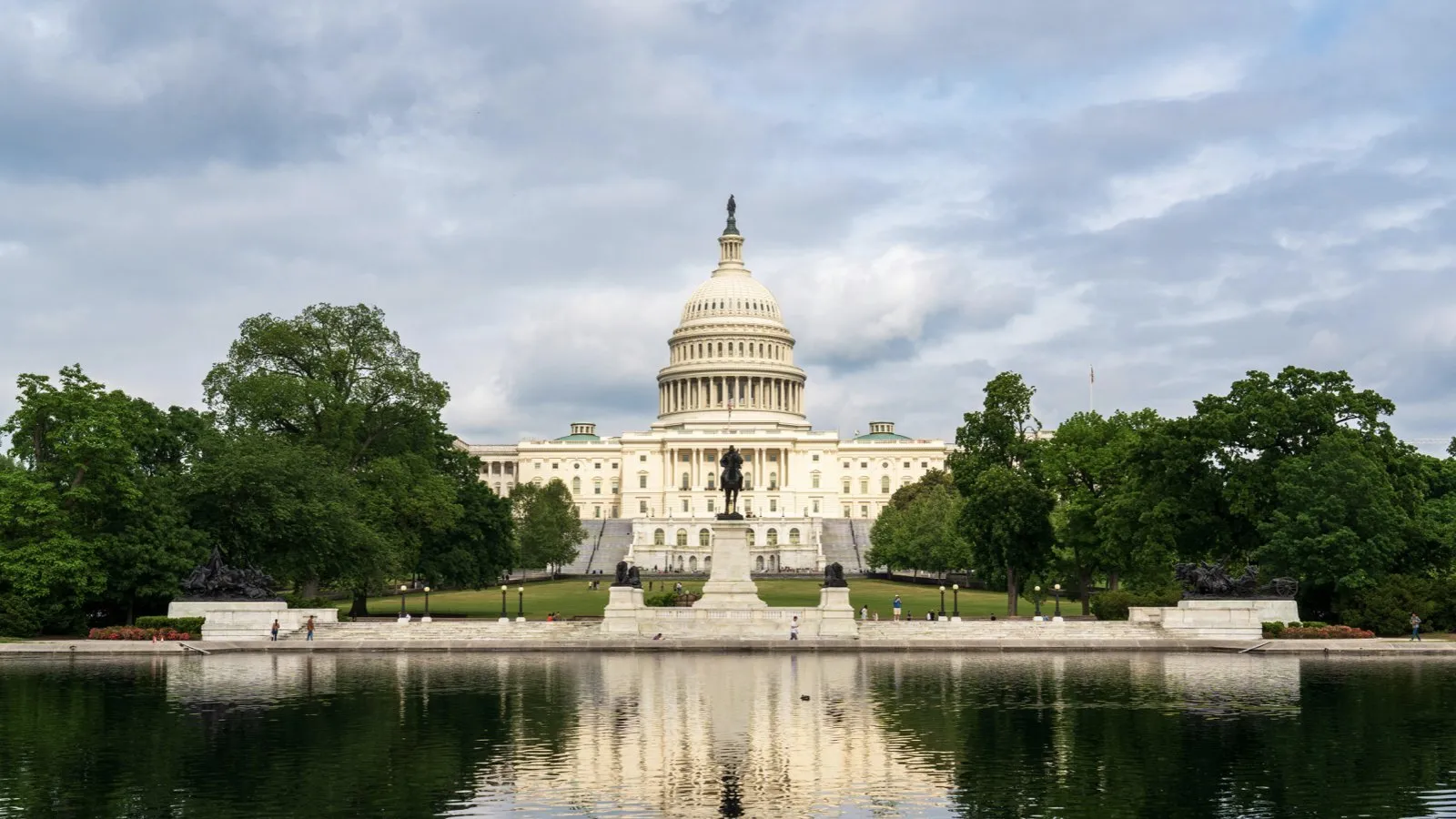
Congressional committees are examining potential updates to antitrust statutes. Proposals include refining merger notification thresholds and clarifying digital platform definitions.
US competition policy reform discussions reflect bipartisan interest in preserving competitive markets while supporting innovation. Lawmakers emphasize incremental adjustments rather than comprehensive statutory overhaul.
Debate centers on how to modernize enforcement tools without discouraging investment or technological advancement.
Historic Comparison
The evolution of US competition policy in 2026 invites comparison with earlier eras of economic transformation. During the early twentieth century, antitrust enforcement addressed monopolies in railroads, oil, and steel industries. Landmark cases established foundational principles governing market concentration and corporate conduct.
Similarly, the late twentieth century saw regulatory scrutiny of telecommunications and software markets as digital technologies emerged. Each period required adaptation of legal frameworks to evolving industrial structures.
Today’s digital economy presents parallel challenges. Data driven dominance and global integration echo earlier moments when regulators confronted new forms of economic power. Historical precedent demonstrates that enforcement evolves alongside technological innovation, balancing market dynamism with fair competition.
Digital Market Complexities
Modern digital platforms operate across multiple verticals simultaneously. Market definition becomes more complex when services are bundled or offered at zero monetary cost.
US competition policy increasingly incorporates advanced economic modeling and technical expertise to evaluate algorithm driven pricing and data aggregation practices.
Regulators are expanding analytical teams specializing in digital markets, ensuring that enforcement tools remain relevant in rapidly changing technological landscapes.
Small Business and Entrepreneurship
Entrepreneurs closely monitor enforcement trends. A competitive environment can encourage startup formation by reducing barriers to entry.
US competition policy affects venture capital investment decisions, particularly in sectors where dominant firms control distribution channels.
Advocates argue that clear enforcement standards promote innovation by ensuring that emerging competitors have equitable market access.
Economic Growth and Productivity
Economists debate how antitrust enforcement influences long term growth. Some contend that preventing excessive concentration enhances productivity by fostering competition.
US competition policy seeks to maintain market conditions conducive to innovation and consumer welfare. Balanced enforcement can support efficient resource allocation and dynamic business ecosystems.
In 2026, policymakers emphasize that competitive markets underpin sustainable economic expansion.
One Analyst Perspective
Policy experts highlight structural adaptation rather than ideological change. As one senior competition law scholar observed,
“US competition policy must evolve with technology while remaining grounded in principles that protect open markets and consumer choice.”
This perspective underscores continuity in core objectives despite evolving enforcement tools.

Administrative Process and Agency Coordination
Interagency coordination has strengthened investigative efficiency. Shared databases and joint task forces streamline complex case evaluations.
US competition policy benefits from improved communication between federal and state authorities, particularly in large scale merger reviews.
Administrative modernization supports transparency and consistent enforcement outcomes.
Outlook Beyond 2026
Looking ahead, enforcement agencies are expected to refine digital market analysis tools further. Court decisions and legislative adjustments will continue shaping regulatory boundaries.
US competition policy is poised to remain central to economic governance, influencing corporate structure and investment patterns well beyond 2026.
Stakeholders across industries recognize that competitive balance underpins consumer trust and economic resilience.
Competitive Balance in an Era of Scale
The trajectory of US competition policy in 2026 reflects a commitment to maintaining open markets amid unprecedented technological scale. Digital integration, cross border commerce, and rapid innovation challenge traditional regulatory frameworks.
Yet the fundamental objective remains constant: ensuring that market power does not undermine consumer welfare or entrepreneurial opportunity. As industries evolve, enforcement mechanisms adapt to preserve competitive equilibrium.
US competition policy thus stands at a defining juncture, navigating between historical precedent and modern complexity. The decisions made in 2026 will influence how markets function in the years ahead, shaping the balance between innovation, efficiency, and fairness in a globalized economy.