MUMBAI, February 16, 2026 — According to Parliament News, that Trent expansion strategy is reshaping India’s retail landscape as the Tata Group backed retailer accelerates its push into smaller cities and emerging consumption hubs. Company executives confirmed that expansion beyond metropolitan centers will define the next phase of growth, positioning the brand to capture rising demand across tier two and tier three markets.
The announcement from Mumbai highlights a broader shift in India’s organized retail sector. As urban markets mature and competition intensifies, retailers are seeking sustainable growth in underserved regions. Trent expansion strategy reflects confidence that consumer spending power is strengthening beyond traditional city strongholds.
Industry analysts say the timing aligns with economic trends. Infrastructure upgrades, improved logistics, and digital penetration have narrowed the gap between metro and non metro markets, creating favorable conditions for structured retail formats.
Shifting Focus Beyond Metro Cities
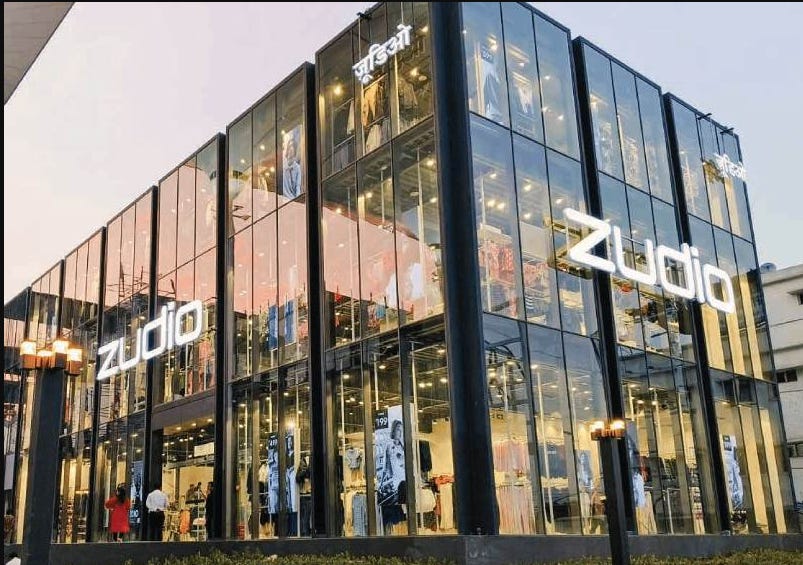
For years, Trent built its brand equity primarily in large cities through formats such as Westside and Zudio. However, leadership now views smaller towns as a powerful growth engine. Trent expansion strategy is built on the belief that aspirational consumption is no longer confined to metropolitan India.
Rising income levels and greater access to branded goods have altered shopping behavior. Consumers in smaller towns increasingly seek modern retail environments offering quality and affordability. Retail experts observe that demographic shifts are reinforcing this pattern, with younger populations driving lifestyle spending.
By recalibrating its footprint, Trent expansion strategy seeks to diversify geographic exposure and reduce reliance on saturated urban markets. This balanced approach may strengthen long term revenue stability.
Store Format Adaptation and Operational Efficiency
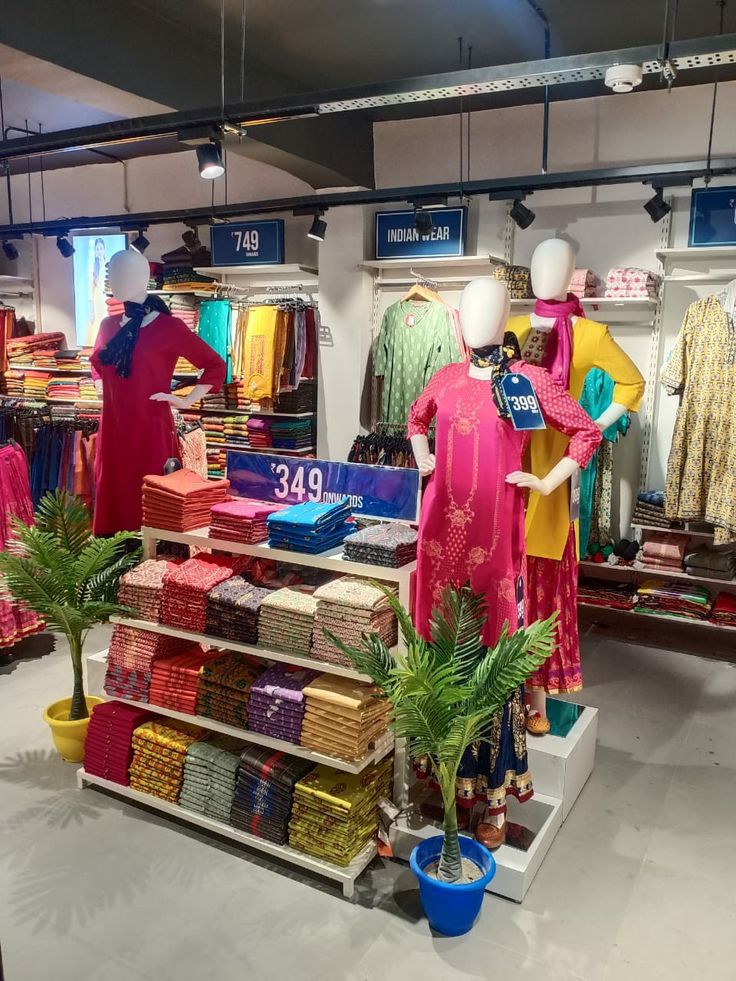
A key component of Trent expansion strategy involves flexible store formats. Smaller footprint outlets allow entry into markets where large malls may not exist. Efficient design and targeted product assortments help maintain profitability while adapting to local demand.
Operational efficiency remains central to execution. Supply chain optimization ensures timely inventory replenishment even in remote districts. Centralized warehousing combined with improved transportation networks enables faster stock movement and reduced operational costs.
Digital tools also enhance performance. Data analytics supports demand forecasting, helping stores tailor merchandise according to regional preferences. Such measures reinforce the scalability of Trent expansion strategy across diverse geographies.
Consumer Trends Powering Growth
India’s retail growth story is closely tied to demographic momentum. Expanding middle class households and increased digital awareness are reshaping expectations. Consumers are more informed, brand conscious, and value driven than ever before.
Trent expansion strategy taps into these dynamics by delivering curated fashion and lifestyle products aligned with affordability. Retail analysts note that small town customers often demonstrate high brand loyalty once trust is established.
Online influence plays an important role. Social media exposure and e commerce platforms have familiarized consumers with organized retail brands. Physical store presence bridges the gap between digital awareness and tangible shopping experience.
Competitive Landscape and Market Position
Competition in smaller cities varies widely. In some regions, local retailers dominate through longstanding community relationships. In others, national chains are beginning to expand aggressively.
Trent expansion strategy positions the company as a structured alternative offering consistency in pricing and quality. Strategic site selection prioritizes high visibility locations such as central marketplaces and emerging commercial corridors.
Retail observers emphasize that disciplined capital allocation will determine success. Controlled expansion ensures that profitability metrics remain aligned with long term objectives.
Financial Implications and Investor Perspective
From an investor standpoint, Trent expansion strategy represents both opportunity and calculated risk. Expanding into smaller markets requires capital investment in real estate, logistics, and workforce training. However, the potential payoff lies in capturing untapped consumer segments.
Financial analysts expect steady revenue growth if store rollouts maintain operational discipline. Diversified geographic exposure may reduce volatility associated with urban demand fluctuations.
Equity markets are closely monitoring quarterly performance indicators including same store sales growth, margin stability, and inventory turnover. Positive metrics could reinforce confidence in Trent expansion strategy as a sustainable model.
Workforce Development and Community Engagement
Retail growth depends heavily on skilled personnel. Training local employees supports operational consistency and strengthens community ties. Trent expansion strategy incorporates workforce development programs designed to enhance customer service standards.
Community engagement initiatives further deepen brand integration. Sponsorship of local events and culturally relevant marketing campaigns create familiarity and goodwill. These measures may help establish durable market presence.
Industry observers highlight that long term retail success often depends on community trust as much as pricing strategy.
Economic Context and Policy Environment
India’s broader economic trajectory provides a supportive backdrop. Government initiatives aimed at infrastructure development and digital connectivity are improving accessibility in smaller towns. Road networks, payment systems, and internet penetration collectively enable organized retail expansion.
While regulatory frameworks remain stable, policy emphasis on domestic growth and employment aligns with the objectives of Trent expansion strategy. Retail sector formalization contributes to tax revenues and economic integration.
Macroeconomic stability will remain a decisive factor in sustaining consumer confidence. Inflation trends, interest rates, and disposable income growth will influence retail spending patterns.
Technology Integration in Retail Operations
Modern retail increasingly relies on technology to streamline operations. Point of sale systems, inventory analytics, and customer data insights enhance efficiency. Trent expansion strategy integrates digital infrastructure to ensure consistent performance across locations.
Omni channel capabilities also strengthen competitiveness. Customers can explore products online before visiting stores, blending digital engagement with in person shopping. Such hybrid models resonate strongly with younger demographics.
Retail technology investments are expected to continue as part of long term modernization efforts.
Long Term Vision and Industry Outlook
Looking ahead, Trent expansion strategy may redefine how national retailers approach emerging markets in India. The combination of scalable formats, operational discipline, and localized engagement forms a blueprint for sustained expansion.
Market analysts predict that organized retail penetration will rise steadily in non metro regions over the coming years. Companies that establish early presence may secure competitive advantages.
One senior executive stated,
“Our goal is to build a nationwide footprint that reflects the aspirations of every Indian consumer, regardless of city size.”
That perspective underscores confidence in long term demographic and consumption trends.

Beyond Cities A Retail Rebalancing
The evolution underway signals more than store openings. It represents a structural shift in how retailers allocate resources and envision market potential. Trent expansion strategy reflects recognition that growth corridors extend far beyond traditional metropolitan boundaries.
As 2026 progresses from Mumbai outward, the company’s approach will be closely observed by industry peers and investors alike. Success in smaller towns could validate a broader retail rebalancing across India.
Ultimately, sustained performance will depend on disciplined execution, adaptable merchandising, and responsiveness to consumer feedback. If these elements align, Trent expansion strategy may stand as a defining chapter in India’s modern retail transformation.