

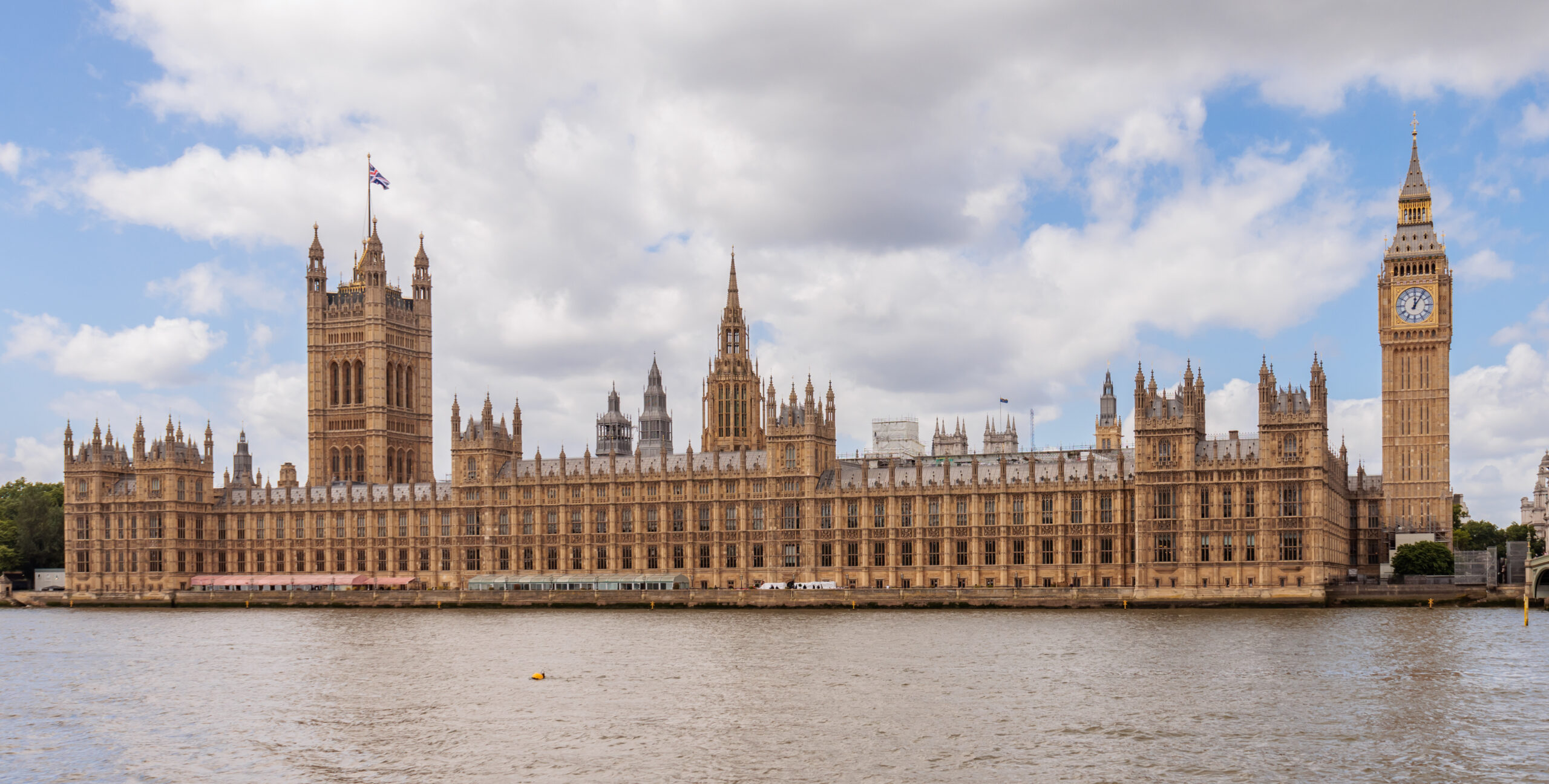
London, February 17, 2026 – Parliament News – UK Border Policy has entered a pivotal phase in London 2026 as ministers confirm a sweeping recalibration of trade controls, customs infrastructure and digital enforcement systems. The shift reflects mounting fiscal pressures, evolving global trade patterns and political debate over how Britain secures its frontiers while protecting economic stability.
The government’s latest adjustments signal that UK Border Policy is no longer defined solely by physical checkpoints or large scale construction projects. Instead, policymakers are emphasizing risk based screening, advanced data analysis and streamlined compliance tools designed to support businesses while maintaining national security.
Officials describe the changes as necessary modernization. Critics argue they reveal earlier miscalculations in cost forecasting and infrastructure planning. Either way, the implications stretch across commerce, logistics, politics and international diplomacy.
Economic Pressures Driving Strategic Change
Rising construction costs, inflation in building materials and prolonged labor shortages have altered the financial outlook for public infrastructure nationwide. These pressures have directly influenced the evolution of UK Border Policy.
Large scale border facility expansions originally proposed several years ago are being reconsidered in favor of modular or technology driven alternatives. Treasury officials acknowledge that cost projections have shifted significantly due to global supply disruptions and currency fluctuations.
Economists note that infrastructure planning in volatile markets requires flexibility. The recalibration within UK Border Policy demonstrates how fiscal realities increasingly shape operational decisions. Balancing capital expenditure with functional efficiency remains a central challenge.
Trade groups emphasize that cost control must not undermine processing capacity. Seasonal surges in imports demand resilient systems capable of handling peak volumes without causing supply chain delays.
Digital Transformation at the Core of Enforcement
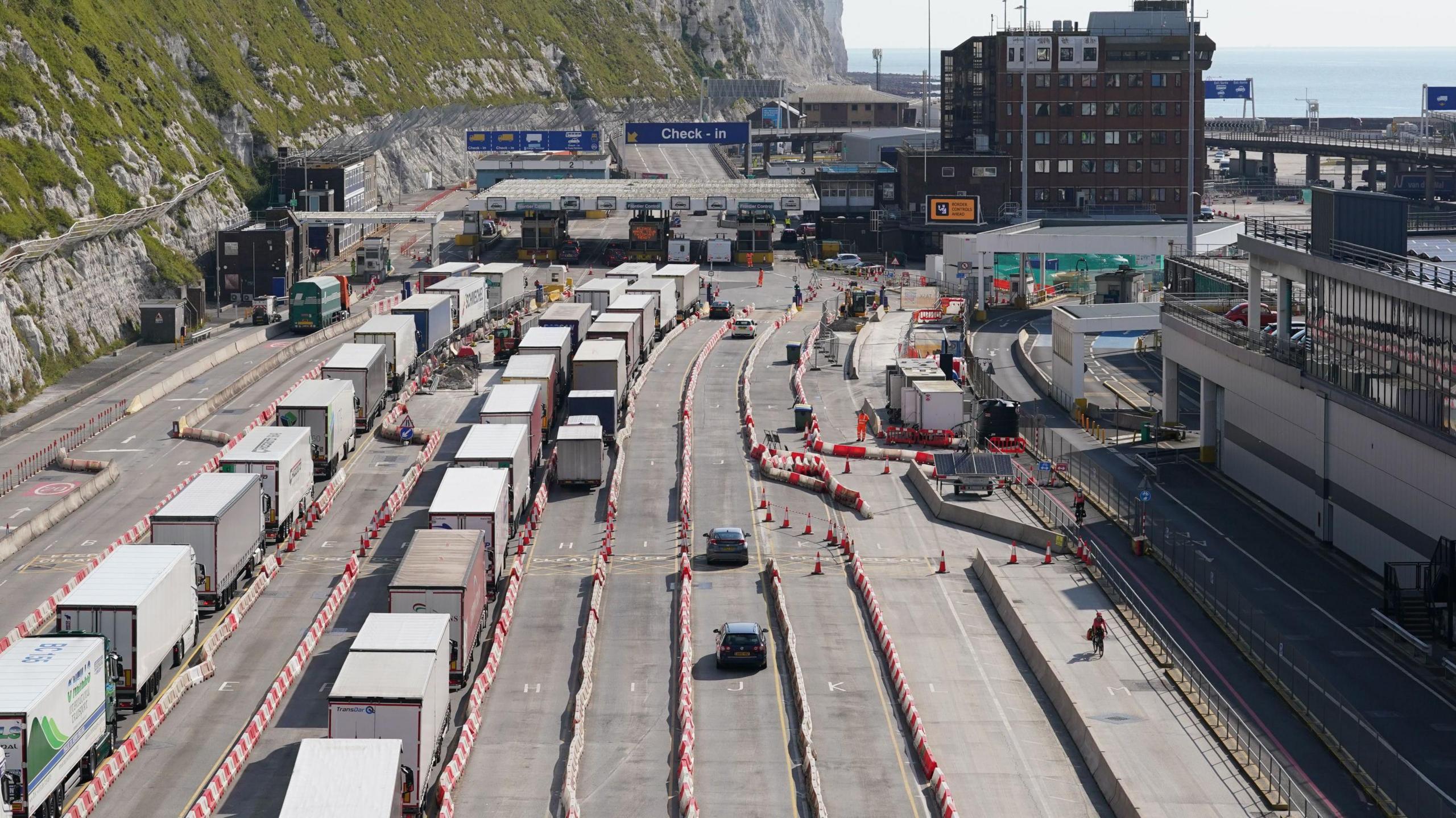
Modern border management increasingly relies on digital intelligence rather than physical inspection alone. The present transformation of UK Border Policy highlights a move toward predictive analytics, automated cargo risk scoring and electronic documentation verification.
Under updated protocols, freight operators submit declarations before arrival, allowing customs authorities to pre screen consignments. Low risk shipments are cleared rapidly, while high risk cargo receives targeted scrutiny.
Technology analysts argue that this approach reduces congestion and enhances transparency. Digital logs create traceable audit trails, strengthening compliance oversight without expanding physical inspection zones.
However, experts caution that cybersecurity resilience must keep pace with technological integration. As systems become more interconnected, vulnerabilities require continuous monitoring and investment.
Political Divisions and Public Scrutiny
The recalibration of UK Border Policy has intensified debate within Parliament. Supporters contend that adapting to economic realities shows responsible governance. They argue that dynamic systems outperform rigid infrastructure strategies.
Opposition lawmakers question whether early projections underestimated logistical complexity and financial risk. Several committees are reviewing procurement procedures and contract management practices linked to previous border expansion plans.
Public confidence hinges on transparency. Taxpayers expect clear explanations regarding budget adjustments and strategic direction. Accountability mechanisms remain under examination as oversight bodies evaluate long term cost management frameworks.
Trade Sector Reaction and Business Confidence
Exporters and importers depend on predictable procedures. Representatives from logistics associations stress that clarity is more valuable than scale.
A senior industry spokesperson said,
“Businesses need certainty above all else. Efficiency at the border determines whether supply chains remain competitive.”
Market analysts suggest that stability in border administration directly influences investment decisions. International partners observe how UK Border Policy adapts to global trade dynamics, assessing reliability and regulatory coherence.
If digital systems operate smoothly, business confidence may strengthen. Delays or inconsistent enforcement, however, could generate reputational challenges.
Security and Risk Based Oversight
National security remains central to operational reform. Authorities emphasize that streamlined systems do not mean weaker enforcement.
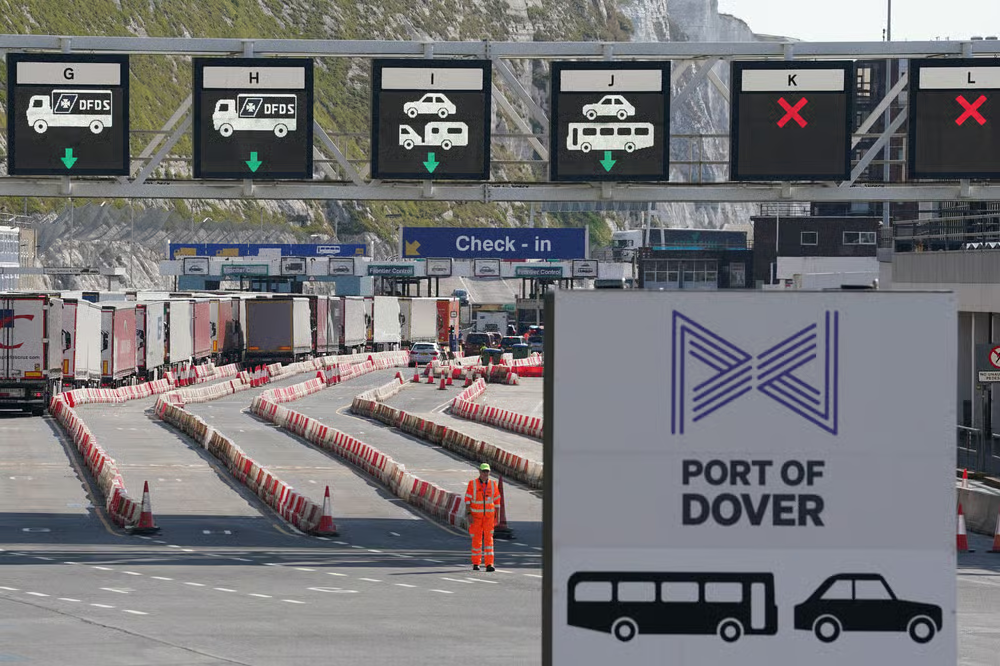
Risk profiling tools analyze shipping patterns, historical compliance data and origin documentation to identify anomalies. This intelligence led approach allows officers to focus on high priority cases while expediting routine shipments.
Security consultants note that effective UK Border Policy requires integration across customs, immigration and law enforcement agencies. Information sharing frameworks play a vital role in maintaining comprehensive oversight.
Border integrity is measured not only by inspections conducted but also by threats prevented.
Regional Economic Implications
Port communities across the United Kingdom anticipated employment growth tied to physical expansion projects. Revised infrastructure strategies may alter those projections.
Local leaders advocate for workforce retraining programs focused on digital customs operations. Technology driven models create new skill demands in data analysis, compliance auditing and systems management.
Regional chambers of commerce express cautious optimism. They recognize potential for innovation but stress the need for timely implementation to avoid trade disruptions.
Economic resilience at the local level depends on how effectively national strategies translate into operational stability.
International Trade Relationships
Britain’s independent trade agreements continue shaping enforcement standards. Each new partnership introduces unique tariff schedules and documentation requirements.
Officials argue that flexible frameworks within UK Border Policy allow for rapid adaptation to treaty obligations. Digital platforms can integrate new regulatory codes without constructing additional facilities.
International observers note that Britain’s approach mirrors global trends toward automation and intelligence based border governance.
Maintaining trust with trading partners requires consistency, transparency and adherence to international compliance norms.
Fiscal Oversight and Accountability
Parliamentary auditors are examining expenditure patterns linked to prior border infrastructure planning. Budget oversight remains critical to sustaining public trust.
Financial experts stress that adaptive policy does not eliminate the need for disciplined forecasting. Cost management tools must incorporate contingency modeling and long term maintenance projections.
The recalibration phase offers an opportunity to refine procurement frameworks and enhance predictive financial planning methods.

Labor and Workforce Development
Human capital remains essential to operational success. Customs officers are undergoing updated training to operate analytical platforms and digital verification systems.
Union representatives emphasize that workforce readiness must match technological modernization. Adequate staffing levels ensure that security standards remain uncompromised during transitional phases.
Professional development initiatives may expand in partnership with academic institutions and training centers specializing in trade compliance and data management.
Environmental Efficiency in Border Operations
Reduced congestion at ports can lower emissions generated by idling freight vehicles. Streamlined processing contributes to sustainability goals aligned with national climate commitments.
Infrastructure planners highlight the environmental benefits of digital systems that shorten waiting times and optimize traffic flow.
Operational efficiency increasingly intersects with ecological responsibility in modern governance.
Market Stability and Investor Outlook
Financial markets closely monitor regulatory stability. Adjustments within UK Border Policy influence perceptions of Britain’s trade reliability.
Investors evaluate how procedural clarity supports currency stability, supply chain predictability and long term growth projections.
Clear communication from policymakers remains essential to minimizing uncertainty.
Historical Context of British Border Governance
The history of British border administration stretches back centuries, evolving alongside empire, industrialization and global commerce. From maritime customs enforcement in the eighteenth century to modern electronic declarations, border governance has continuously adapted to economic transformation.
The present recalibration of UK Border Policy represents another chapter in that historical continuum. Each era has confronted technological change and geopolitical shifts requiring administrative innovation.
Understanding this lineage highlights that adaptation is not unprecedented but rather intrinsic to border management.
Technology Partnerships and Innovation Investment
Private sector collaboration plays an expanding role in border modernization. Software developers, cybersecurity firms and logistics platforms contribute to integrated compliance ecosystems.
Investment in research and development aims to strengthen analytical precision and system resilience.
Technology driven reform may ultimately define the next generation of trade enforcement.
Public Opinion and Transparency
Citizen awareness of border governance has grown significantly in recent years. Public discourse now extends beyond immigration to encompass trade efficiency and fiscal stewardship.
Transparency initiatives, including open data portals and public expenditure disclosures, are intended to reinforce confidence in strategic decisions.
Policy credibility depends on sustained engagement with stakeholders across business, labor and community sectors.
Long Term Strategic Outlook
Analysts agree that adaptability remains central to future success. Global trade volumes fluctuate with geopolitical tensions, economic cycles and supply chain innovation.
If implemented effectively, the evolving UK Border Policy framework could enhance competitiveness while safeguarding security. Execution quality will determine whether modernization yields measurable efficiency gains.
Two additional industry leaders emphasized the importance of balanced reform.
A logistics executive noted,
“Modern borders must combine intelligence with infrastructure. Technology alone cannot replace operational discipline.”
An economic advisor added,
“Strategic clarity will shape Britain’s trade future more than any single facility or platform.”
Sovereignty, Security and Stability in a Changing World
As London navigates complex global currents in 2026, border governance stands at the intersection of sovereignty and economic integration. Efficient systems reinforce national resilience while enabling international commerce.
The recalibration underway reflects both necessity and opportunity. Fiscal discipline, technological investment and transparent oversight together shape the path forward.
The success of UK Border Policy will ultimately be judged not by announcements but by measurable performance across ports, markets and communities.
In a rapidly evolving trade landscape, sustained commitment to operational excellence remains the defining test of Britain’s border strategy.