New York, February 17, 2026 – According to Parliament News, that Global markets are closely monitoring logistics technology trends as investors accelerate funding into artificial intelligence, automation, and digital freight systems. Industry analysts say logistics technology trends are reshaping supply chain strategies, influencing capital allocation, and redefining how goods move across borders. With 2026 already marked by economic recalibration and digital transformation, logistics technology trends are emerging as a leading force behind the sector’s renewed growth outlook.
Investment banks report increased activity in warehousing automation, predictive analytics platforms, and smart transportation networks. The expansion reflects confidence that logistics technology trends will continue strengthening operational resilience while improving efficiency and cost management.
Digital Transformation Redefines Global Supply Chains
The modernization of supply chains is no longer optional. Executives across freight, maritime, and air cargo sectors confirm that logistics technology trends are driving large scale digital upgrades. From AI powered forecasting systems to blockchain enabled shipment verification, companies are prioritizing integrated solutions.
Real time data visibility allows logistics managers to anticipate disruptions before they escalate. This shift is particularly important after years of global volatility. By adopting advanced monitoring platforms, businesses can reroute shipments instantly and minimize financial losses.
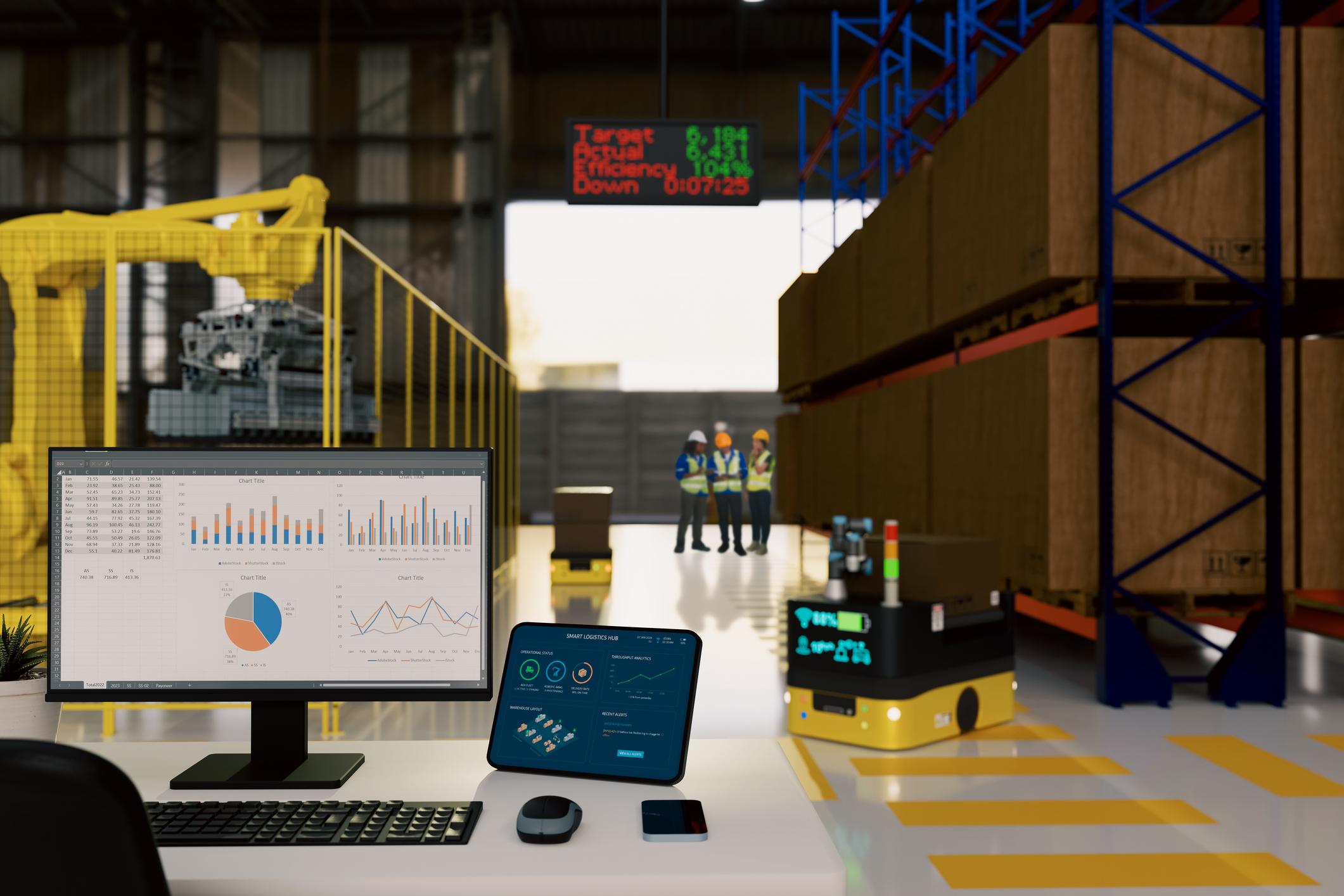
Automation in fulfillment centers has also expanded rapidly. Robotics systems now assist with picking, packing, and inventory scanning, improving accuracy while lowering long term labor costs. Analysts note that these developments illustrate how logistics technology trends are transforming traditional distribution models into highly adaptive digital ecosystems.
Investment Activity Surges Across Technology Platforms
Private equity firms and venture capital funds are redirecting billions toward logistics innovation. Market observers say logistics technology trends have captured attention due to their measurable return on investment potential. Smart warehousing companies, AI analytics providers, and digital freight marketplaces are among the primary beneficiaries.
Financial institutions view the sector as structurally positioned for growth. Unlike short term consumer technology cycles, logistics modernization is tied to global trade fundamentals. As cross border commerce expands, demand for efficient, tech driven supply networks increases.
According to one industry strategist,
“The acceleration we are seeing in digital freight and automation platforms signals a long term transformation rather than a temporary spike.”
That perspective reinforces the belief that logistics technology trends will continue attracting institutional capital throughout 2026 and beyond.
Automation and Artificial Intelligence Gain Momentum
Artificial intelligence is central to today’s operational upgrades. Predictive analytics systems assess shipping data, weather patterns, and port congestion levels to generate real time route recommendations. These intelligent systems reduce delays and strengthen customer satisfaction metrics.
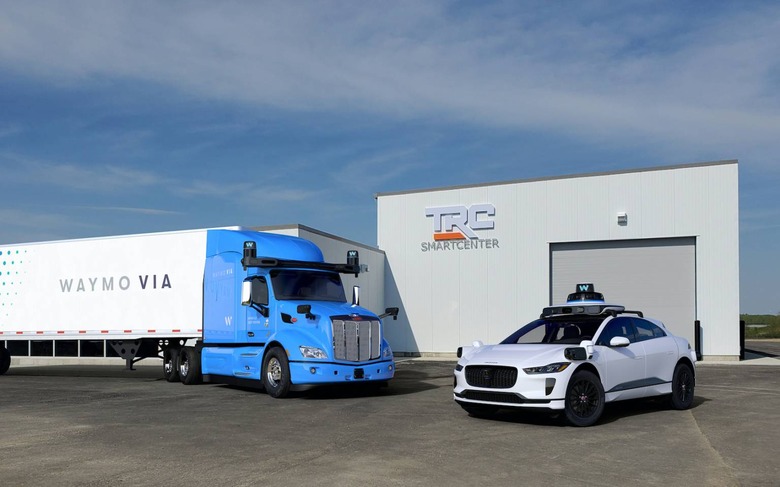
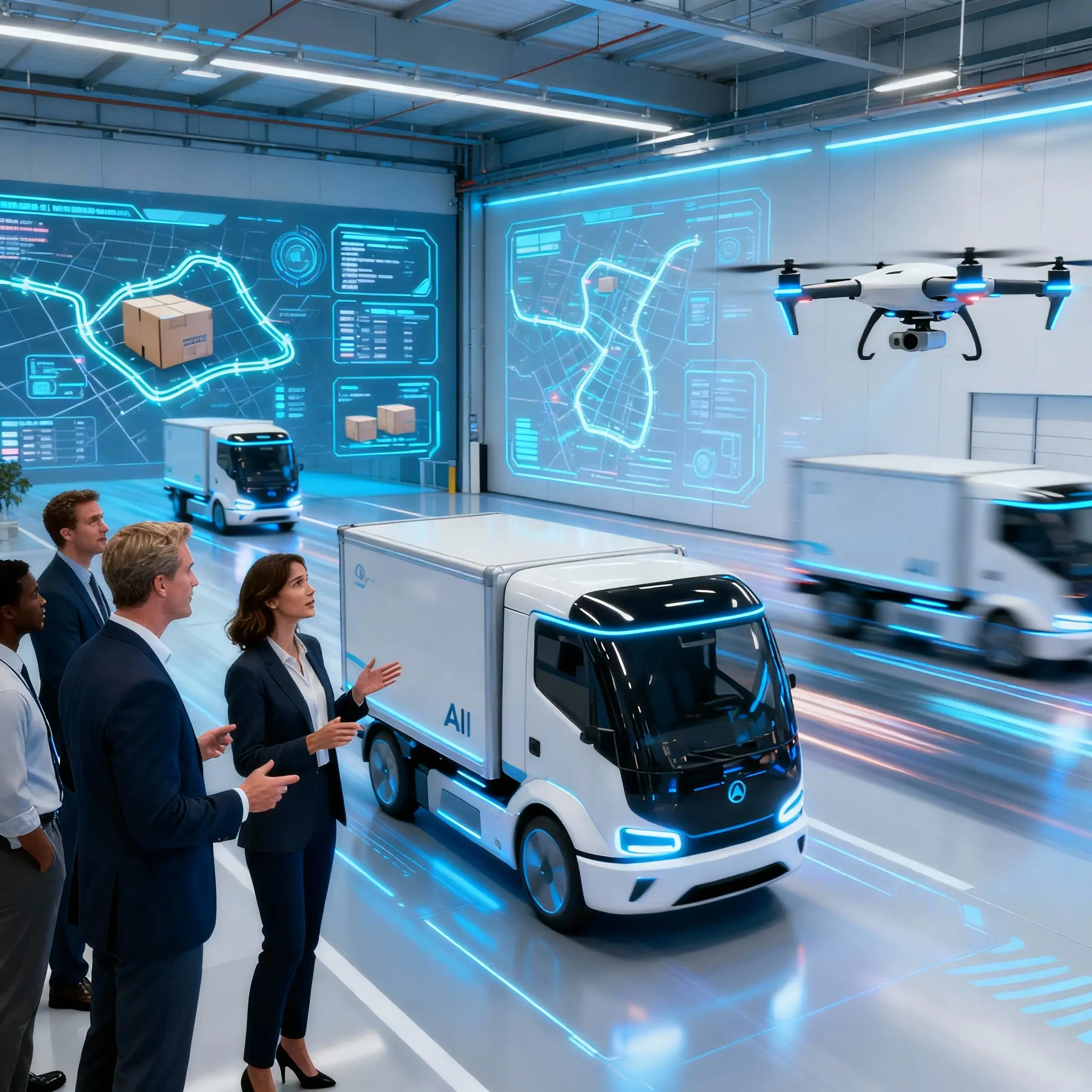
Autonomous delivery pilots are also gaining traction in controlled urban environments. While regulatory frameworks remain under discussion, the early results demonstrate measurable efficiency gains. Warehousing automation continues expanding with robotic arms and AI guided vehicles streamlining repetitive processes.
By combining machine learning with historical shipment data, businesses improve demand forecasting accuracy. This approach minimizes excess inventory and reduces supply bottlenecks. Industry leaders confirm that logistics technology trends are increasingly linked to artificial intelligence adoption strategies.
Building Resilience in a Volatile Trade Environment
Recent geopolitical tensions and climate related disruptions exposed vulnerabilities in outdated supply systems. Companies are now prioritizing digital resilience tools to prevent future shocks. Enhanced visibility platforms allow stakeholders to monitor shipments from origin to final delivery.
Advanced analytics provide scenario modeling capabilities. Decision makers can simulate trade disruptions, tariff adjustments, and port slowdowns before implementing contingency plans. These capabilities strengthen continuity planning and investor confidence.
Sustainability initiatives are also aligned with modernization efforts. Digital route optimization lowers fuel consumption and carbon emissions. Environmental performance has become a core metric in capital allocation decisions, reinforcing how logistics technology trends intersect with corporate responsibility goals.
Workforce Evolution in the Technology Era
The rapid transformation of logistics infrastructure is reshaping workforce dynamics. Rather than eliminating jobs, digital adoption is redefining them. Employees are increasingly required to interpret analytics dashboards, manage automated systems, and coordinate complex digital networks.
Training programs are expanding to address this transition. Companies are investing in upskilling initiatives to ensure that staff can effectively collaborate with AI driven tools. Industry groups emphasize that human oversight remains essential for managing exceptions and maintaining operational accountability.
Education partnerships with technical institutions are also emerging. These collaborations aim to create a pipeline of digitally skilled professionals prepared to support ongoing modernization efforts.
Regional Implications for North American Markets
New York remains a central hub for financial and logistics coordination. Market analysts say the region’s port infrastructure and capital markets presence position it as a focal point for emerging investments. Major freight corridors connecting the Northeast to global trade routes are receiving increased funding for digital upgrades.
Other North American logistics centers, including Los Angeles and Chicago, are observing similar trends. Enhanced intermodal facilities and smart tracking systems are being deployed to strengthen supply reliability. These initiatives align with broader global patterns shaping logistics technology trends across developed economies.
Public private partnerships are also expanding. Infrastructure modernization programs supported by federal incentives encourage adoption of intelligent transportation systems. Policymakers argue that digital competitiveness is essential for maintaining economic leadership.

Competitive Landscape and Market Consolidation
As technology adoption accelerates, competitive dynamics are evolving. Established logistics providers are acquiring startups specializing in predictive analytics and automation software. These acquisitions aim to integrate advanced capabilities into existing service networks.
Digital freight platforms are also challenging traditional brokerage models. By leveraging real time pricing data and automated matching algorithms, these platforms streamline shipment booking processes. The competitive shift underscores how logistics technology trends are redefining market structures.
Analysts expect consolidation to continue throughout the year. Companies with scalable digital infrastructure are likely to outperform smaller competitors lacking modernization resources.
Regulatory and Security Considerations
The integration of digital systems introduces cybersecurity considerations. As logistics networks become more interconnected, protecting sensitive shipment data becomes critical. Industry leaders are investing in secure cloud platforms and encrypted communication channels to mitigate risk.
Regulatory frameworks are gradually adapting to technological innovation. Governments are evaluating guidelines for autonomous vehicles, drone delivery pilots, and cross border data sharing. Clear regulatory pathways are expected to accelerate further digital deployment.
Compliance requirements also emphasize transparency. Digital audit trails and blockchain verification systems provide immutable shipment records, strengthening accountability across supply chains.
Economic Outlook for 2026
Market forecasters project steady expansion in global trade volumes this year. E commerce growth, manufacturing diversification, and infrastructure spending are contributing factors. Analysts agree that logistics technology trends will play a decisive role in sustaining this growth trajectory.
Capital markets continue rewarding firms demonstrating digital integration. Earnings reports from leading freight operators highlight improved margins tied to automation efficiencies. Investors interpret these signals as evidence of structural transformation rather than cyclical improvement.
The broader economic narrative suggests that digital logistics capabilities are becoming a prerequisite for competitiveness. Businesses unable to adapt risk declining market share in an increasingly data driven environment.
Beyond Automation The Intelligence Economy of Freight
The evolution of logistics extends beyond robotics and software upgrades. The sector is entering what some analysts describe as an intelligence driven economy of freight. Data is emerging as the primary strategic asset. Companies capable of transforming operational data into actionable insights are gaining measurable advantages.
In this environment, predictive modeling, real time optimization, and integrated analytics frameworks define competitive leadership. Logistics is no longer viewed solely as a transportation function but as a strategic pillar of economic performance.
As 2026 progresses, industry observers expect further breakthroughs in AI powered coordination systems and interconnected trade networks. The sustained momentum behind logistics technology trends indicates that digital transformation will remain at the forefront of investment and policy discussions worldwide.