

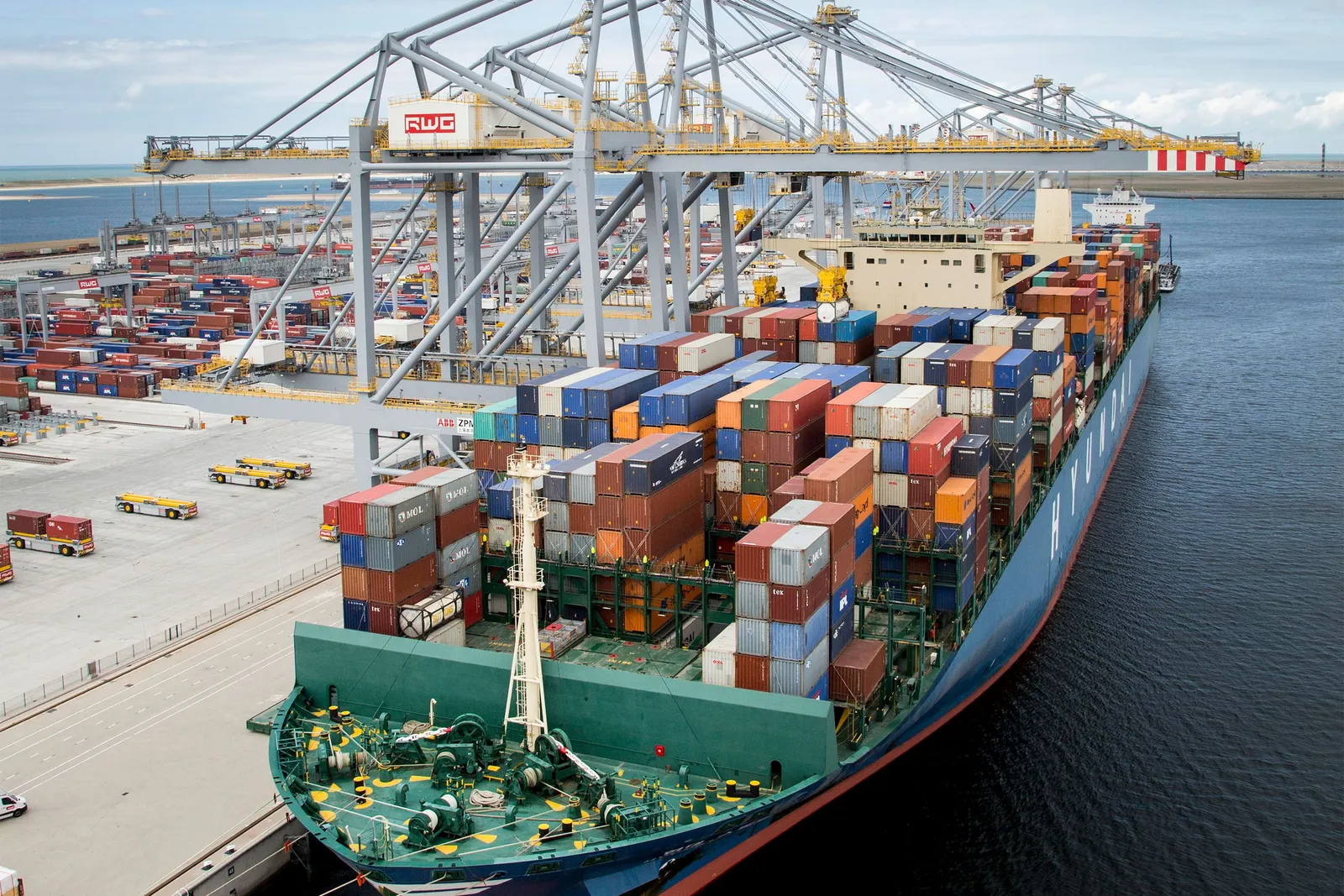
New York, February 17, 2026 – According to Parliament News, that AI supply chain growth is redefining how global commerce functions in 2026, influencing investment strategies, logistics infrastructure, workforce planning, and geopolitical trade coordination. Financial markets are closely monitoring AI supply chain growth as corporations expand automation, predictive analytics, and real time tracking systems across distribution networks. With trade volumes stabilizing and inflation pressures moderating, AI supply chain growth has emerged as one of the most influential structural themes shaping long term economic expectations.
Institutional investors describe AI supply chain growth as a foundational shift rather than a temporary technology cycle. From Wall Street boardrooms to manufacturing plants in Asia and Europe, decision makers are integrating artificial intelligence into procurement, warehousing, transportation, and inventory forecasting systems. The acceleration of AI supply chain growth signals a broader transformation of global trade architecture in 2026.
Digital Infrastructure Becomes Core Economic Strategy
Over the past decade, supply chains evolved from background operational systems into strategic assets. In 2026, AI supply chain growth represents the next stage of that evolution. Companies are investing heavily in digital control towers that provide end to end visibility across suppliers, ports, distribution centers, and final mile delivery networks.
These systems analyze real time data from sensors, shipping logs, and consumer purchasing trends. Predictive algorithms anticipate bottlenecks before they occur, allowing managers to reroute shipments instantly. AI supply chain growth is therefore strengthening reliability while reducing operational risk.
Manufacturers are deploying machine learning tools that evaluate raw material availability, supplier performance metrics, and pricing volatility. By integrating these insights into enterprise planning systems, companies can make faster and more accurate procurement decisions. The integration of advanced analytics into daily operations is a defining characteristic of AI supply chain growth in 2026.
Capital Markets Respond to Logistics Transformation
Financial markets are responding decisively to these structural changes. Venture capital funding for warehouse robotics, predictive analytics platforms, and digital freight systems has increased significantly over the past two years. Institutional investors see AI supply chain growth as directly linked to productivity expansion and long term earnings stability.
Private equity firms are acquiring technology startups that specialize in automation software and optimization algorithms. Publicly traded logistics technology companies are reporting improved margins driven by efficiency gains. Analysts note that AI supply chain growth is influencing valuation multiples across transportation and manufacturing sectors.
New York remains a focal point for these capital flows. Investment banks headquartered in the city are underwriting equity offerings and advising on mergers tied to digital logistics expansion. The financial community increasingly views AI supply chain growth as a cornerstone of economic modernization.
Automation in Warehousing and Distribution
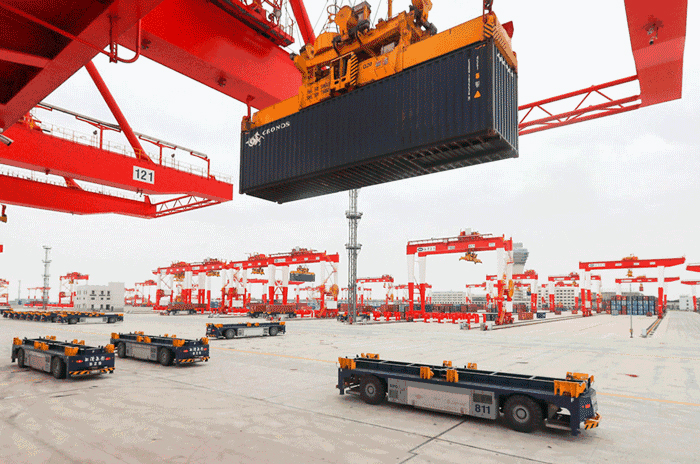
Automation technologies are transforming warehouses into intelligent environments. Robotic picking systems coordinate with automated guided vehicles to streamline order fulfillment. These systems reduce human error while accelerating throughput capacity.
AI supply chain growth is also visible in advanced scanning technologies that track inventory movements in real time. Managers can access dashboards displaying stock levels, shipment status, and performance metrics across multiple facilities. This transparency reduces delays and improves customer satisfaction.
Retailers, particularly those operating in e commerce, are integrating AI driven demand forecasting tools. These platforms analyze seasonal purchasing behavior, promotional campaigns, and regional consumption patterns. By leveraging these insights, companies can optimize stock placement and minimize excess inventory.
Transportation Networks and Predictive Routing
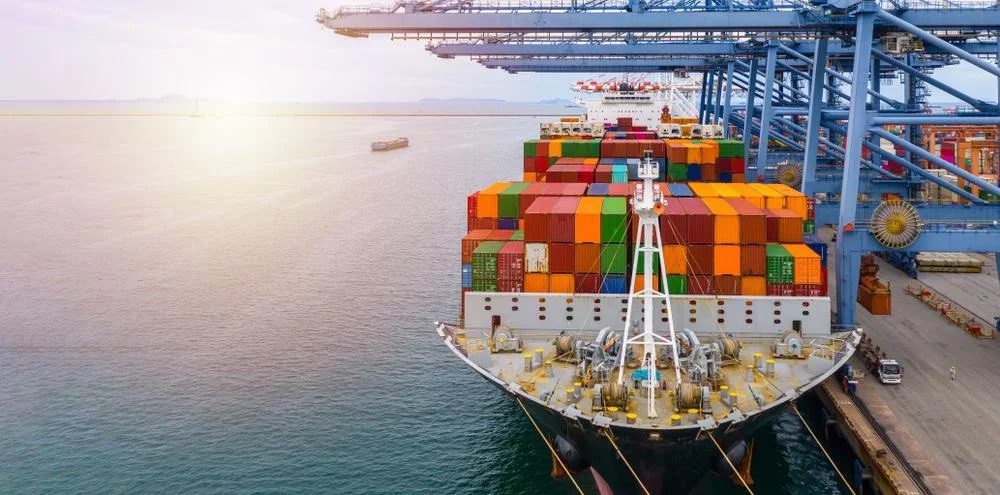
Transportation remains a critical component of global trade. Intelligent routing systems now evaluate weather conditions, traffic congestion, port capacity, and fuel prices simultaneously. These algorithms recommend optimal shipping routes in real time.
AI supply chain growth is enabling freight operators to reduce fuel consumption and improve delivery timelines. Fleet management platforms integrate telematics data to monitor vehicle performance and driver behavior. Maintenance schedules are increasingly determined by predictive analytics rather than fixed intervals.
Air cargo, maritime shipping, and rail transportation sectors are also adopting digital coordination tools. These platforms synchronize schedules across multiple carriers, reducing idle time and increasing network efficiency. The widespread adoption of predictive routing technologies underscores the breadth of AI supply chain growth across transportation modes.
Resilience in a Volatile Global Environment
Global trade in recent years faced unprecedented stress from geopolitical tensions, health crises, and climate disruptions. Companies have responded by prioritizing resilience and redundancy within supply networks.
AI supply chain growth supports resilience by enabling rapid scenario modeling. Executives can simulate trade restrictions, port closures, or supplier failures and evaluate contingency strategies. This capability enhances preparedness and reduces financial exposure during crises.
Supply diversification has become more feasible due to digital visibility platforms. Businesses can coordinate multiple suppliers across regions while maintaining consistent oversight. The ability to adapt quickly to changing circumstances has become a defining advantage in 2026.
Sustainability and Environmental Impact
Environmental considerations are increasingly embedded in corporate strategy. Digital optimization tools reduce unnecessary transportation mileage, lowering carbon emissions. Warehouse energy management systems monitor electricity consumption and recommend efficiency improvements.
AI supply chain growth contributes to sustainability goals by minimizing waste. Predictive demand forecasting reduces overproduction and excess inventory disposal. Companies are reporting measurable reductions in environmental footprints due to digital coordination.
Investors are factoring environmental performance into capital allocation decisions. Firms demonstrating progress in emissions reduction and resource efficiency are attracting favorable financing conditions. The intersection of sustainability and AI supply chain growth reinforces its strategic importance.
Workforce Evolution and Skills Development
The modernization of logistics systems is reshaping workforce dynamics. Rather than eliminating jobs entirely, automation is shifting responsibilities toward analytical and supervisory functions. Employees now manage dashboards, interpret predictive reports, and oversee automated processes.
Educational institutions are introducing specialized programs in data analytics and supply chain technology management. Certification programs in AI driven logistics are becoming valuable credentials. AI supply chain growth is therefore influencing labor market trends as much as it shapes corporate operations.
Human expertise remains essential. Complex decision making, relationship management with suppliers, and crisis resolution still require judgment beyond algorithmic capabilities. The balance between digital tools and human oversight defines modern logistics operations.
Regulatory and Security Considerations
Digital integration introduces cybersecurity challenges. As supply networks become interconnected, protecting data integrity is critical. Companies are investing in encrypted communication channels and secure cloud platforms.
Regulators are updating frameworks governing autonomous vehicles and cross border data flows. Clear guidelines encourage further investment by reducing legal uncertainty. AI supply chain growth depends partly on transparent regulatory environments that support innovation while safeguarding public interests.
International cooperation on digital trade standards is also increasing. Harmonized protocols facilitate smoother cross border coordination, reinforcing the global dimension of modernization efforts.
Historic Comparison
Comparing today’s transformation to previous industrial shifts reveals striking parallels. In the early twentieth century, electrification revolutionized manufacturing and transportation. Decades later, the introduction of containerized shipping standardized global trade logistics.
AI supply chain growth represents a similar structural turning point. Just as containerization reduced shipping costs and expanded international commerce, intelligent digital coordination is lowering inefficiencies and increasing resilience. The scale and speed of technological integration in 2026 suggest that the current era may be remembered as a defining chapter in trade history.
Regional Dynamics and Global Adoption Patterns
North America and Europe continue leading in advanced analytics deployment, supported by capital access and infrastructure readiness. Asian economies are rapidly integrating intelligent systems within manufacturing hubs to strengthen export competitiveness.
New York’s financial ecosystem plays a central role in channeling investment toward digital logistics ventures. Equity markets, private placements, and venture funds headquartered in the city contribute significantly to project financing worldwide.
Emerging markets are also participating. Governments are modernizing port facilities and transportation corridors to attract technology driven logistics providers. This global diffusion underscores the expansive reach of AI supply chain growth.
Corporate Strategy and Competitive Advantage
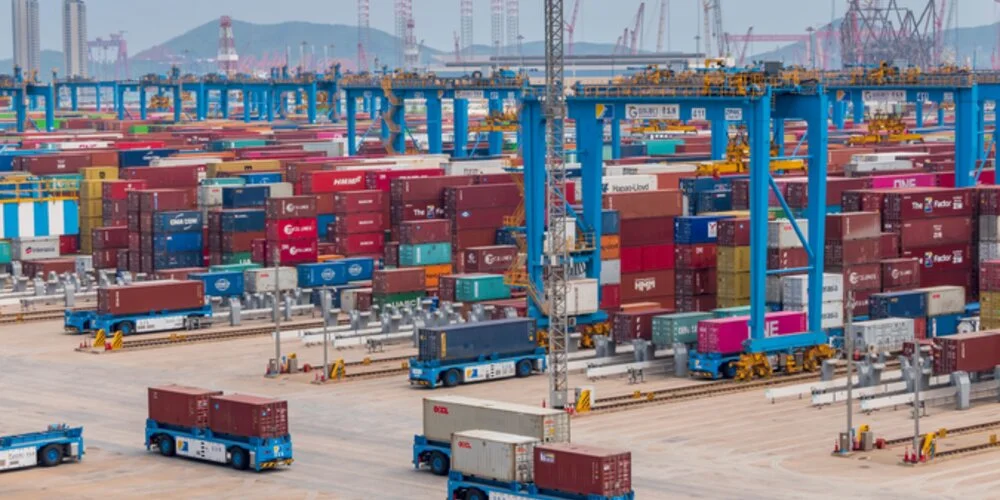
Companies integrating predictive analytics into supply planning are reporting improved margins and faster delivery times. Competitive differentiation increasingly depends on data driven agility.
One senior logistics executive noted,
“The integration of artificial intelligence into our operations has fundamentally changed how we anticipate demand and respond to disruptions.”
That perspective reflects the broader recognition of AI supply chain growth as a strategic imperative.
Organizations delaying digital integration risk falling behind more agile competitors. In 2026, technology adoption is no longer optional but essential for sustained relevance.
Long Term Economic Implications
Forecasts extending through 2031 indicate steady expansion in digital logistics investment. E commerce growth, infrastructure modernization programs, and manufacturing diversification support sustained demand.
AI supply chain growth enhances productivity at a macroeconomic level by reducing delays and optimizing resource allocation. These improvements translate into stronger corporate earnings and more stable global trade flows.
Financial analysts argue that intelligent logistics systems form part of the backbone of the digital economy. As industries rely increasingly on real time coordination, digital supply networks become indispensable.
Data as the Engine of the Next Trade Era
The defining characteristic of 2026 may be the elevation of data to primary economic asset status. Supply networks are evolving into interconnected information ecosystems capable of instant adaptation.
AI supply chain growth illustrates how predictive intelligence, automation, and integrated analytics redefine competitiveness. Businesses embracing these capabilities are building adaptive systems prepared for evolving demand patterns and geopolitical complexity.
As markets progress through the year, the sustained momentum of AI supply chain growth suggests a durable structural transformation rather than a fleeting trend. By aligning innovation with disciplined investment, global commerce is entering a phase defined by efficiency, resilience, and strategic foresight.