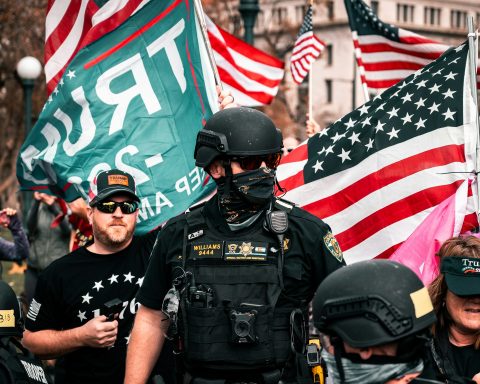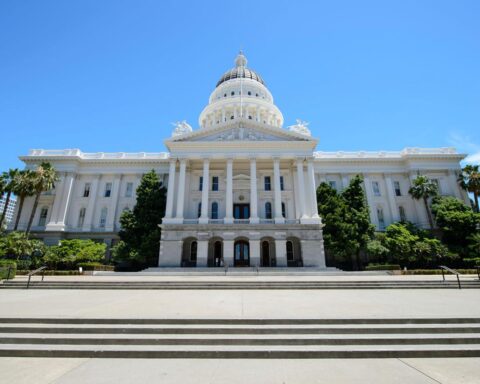

Federal building security faces renewed scrutiny in Washington 2026 following a banner incident at the Justice Department.
Officials are reviewing perimeter safeguards, surveillance systems, and interagency coordination.
The debate over federal building security highlights the balance between public access and institutional protection.
Washington, United States – February 20, 2026 — Parliament News confirms that federal building security has come under renewed national attention following a banner incident at the Justice Department headquarters in Washington. The development has triggered a comprehensive review of federal building security procedures at one of the most symbolically significant government facilities in the country.
Officials stated that while no injuries occurred and no structural damage was sustained, the optics of the event quickly elevated the issue beyond a localized security matter. Lawmakers, analysts, and federal authorities are now evaluating whether existing federal building security protocols adequately address evolving risks in highly visible public spaces.
Incident Overview at the Justice Department
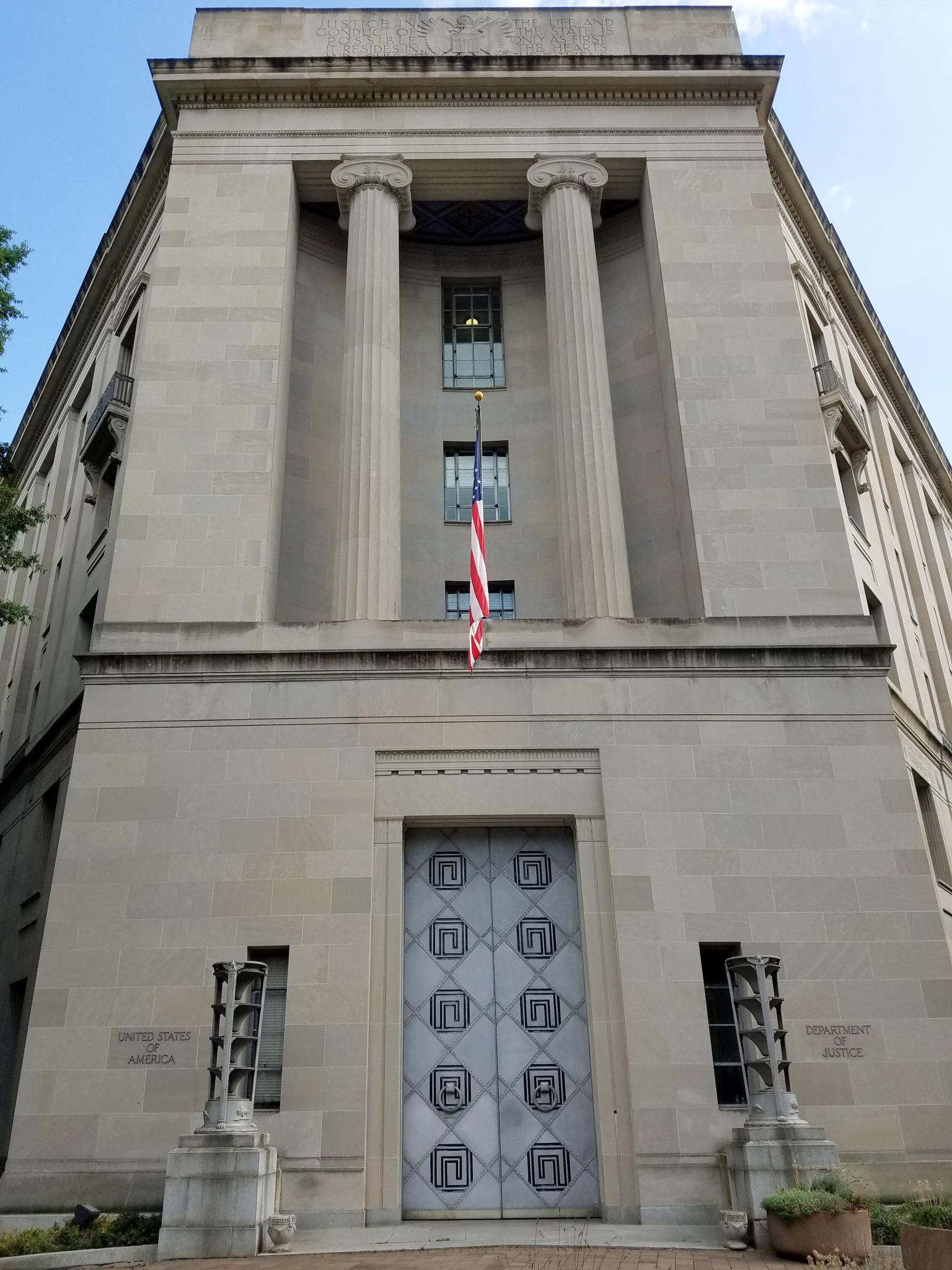
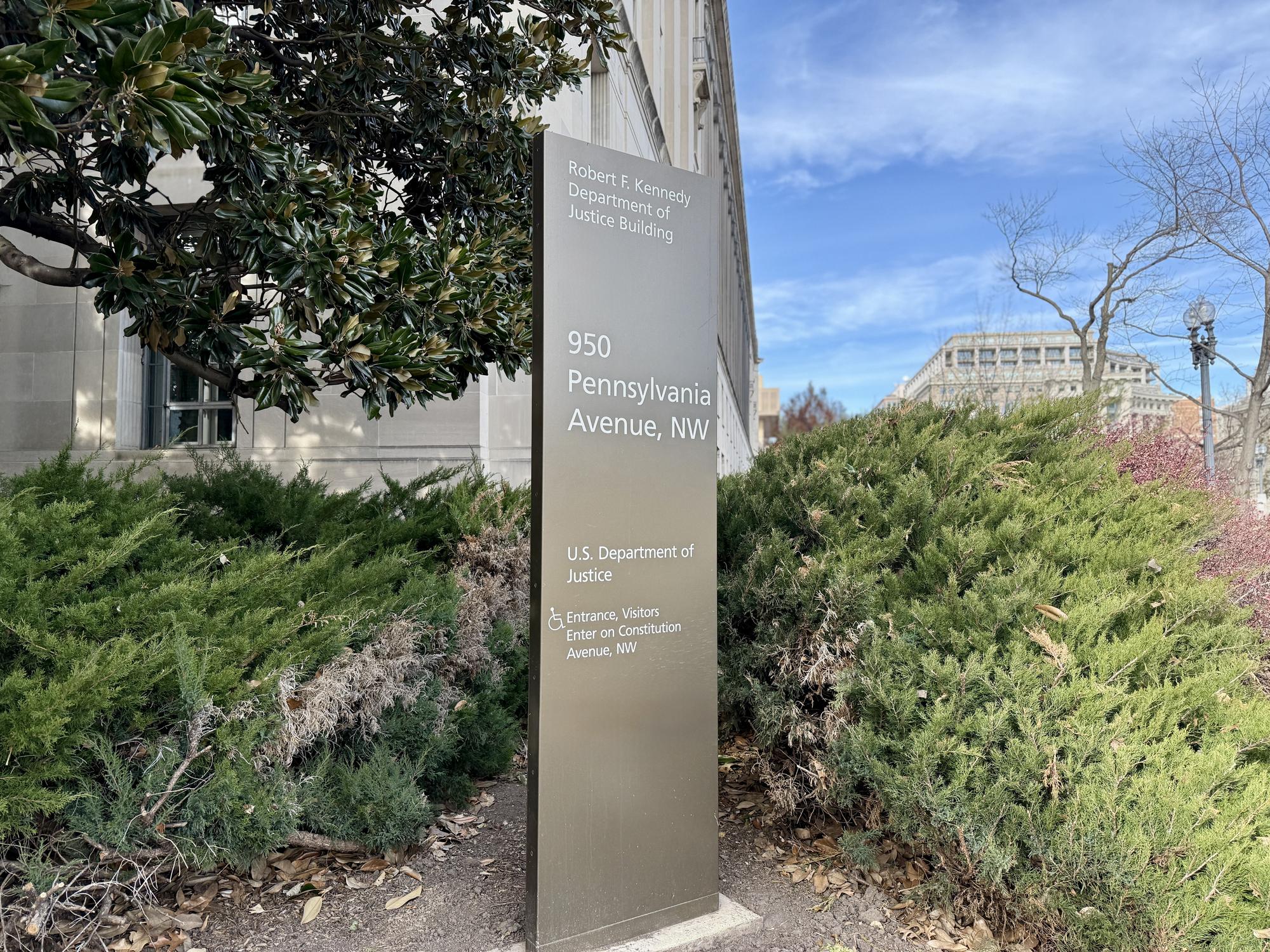
The Justice Department building, located along Pennsylvania Avenue, represents the enforcement arm of federal law. When activity occurs at such a site, federal building security instantly becomes a matter of public interest.
Witnesses reported that the banner was visible from street level before authorities intervened. Security personnel responded swiftly, isolating the area and assessing whether the situation presented any operational threat. Within minutes, officials confirmed there was no immediate danger to staff or visitors.
Still, the visibility of the incident led to immediate scrutiny. Federal building security measures, particularly those governing rooftop and exterior access, are now under formal internal evaluation.
A senior federal official noted,
“Every event, even symbolic, is taken seriously because federal building security is fundamental to maintaining institutional integrity.”
Rapid Response and Interagency Coordination
The initial response demonstrated coordinated action among federal protective officers and local law enforcement. In Washington 2026, security frameworks are structured around layered communication systems that allow rapid assessment and containment.
Sources familiar with the evaluation process said that surveillance footage is being analyzed to determine how the banner was positioned and whether additional safeguards are necessary. Federal building security strategies rely on a combination of human oversight, physical barriers, and digital monitoring systems.
A homeland security analyst commented,
“Modern federal building security is not just about gates and guards. It is about intelligence, coordination, and adaptability.”
The incident has prompted agencies to revisit contingency planning procedures designed to address symbolic disruptions without escalating tensions.
Public Reaction and Political Context
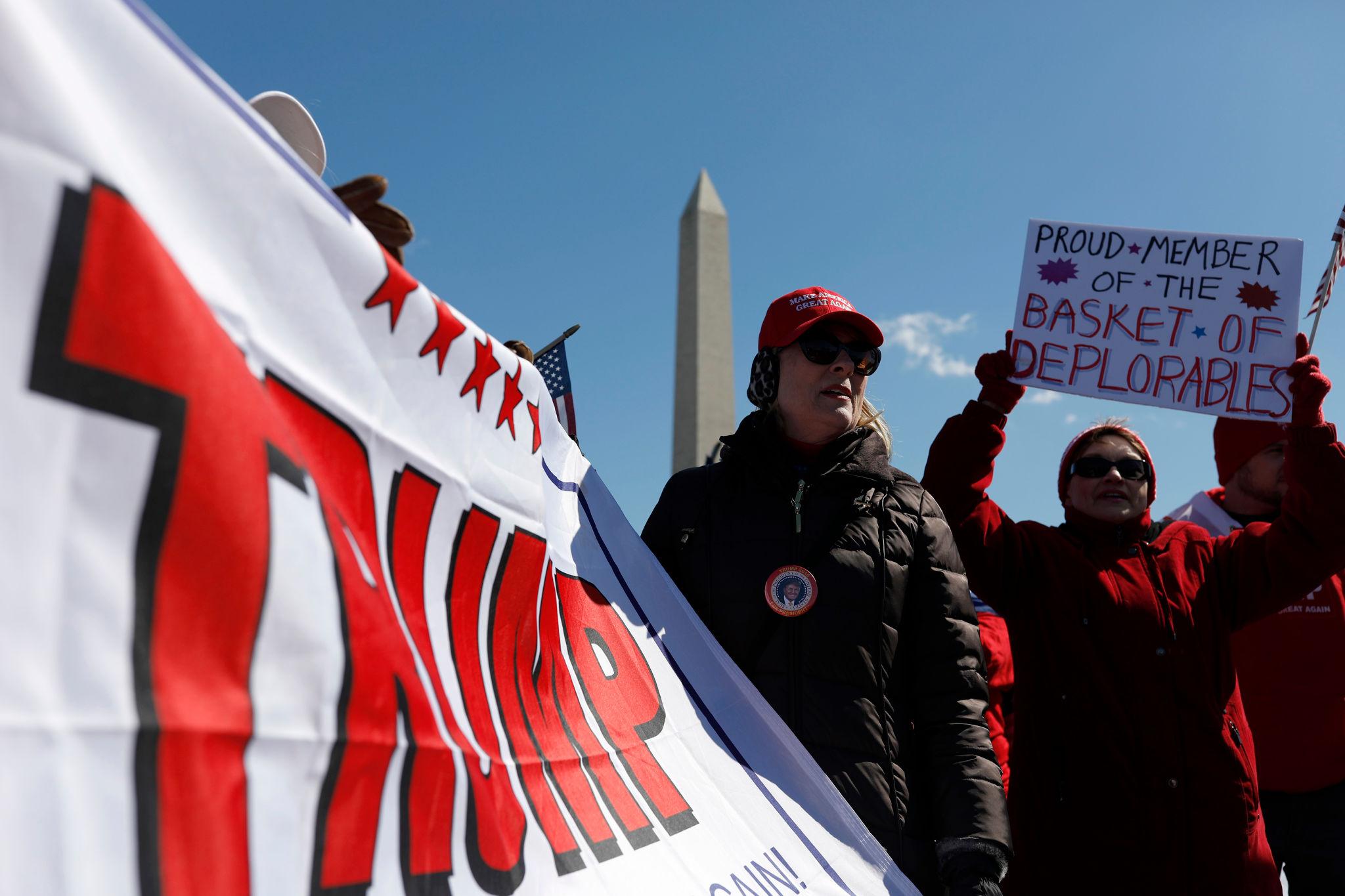
Political symbolism remains powerful in Washington. The Justice Department stands not only as an administrative center but also as a symbol of federal authority. When imagery is displayed on or near such institutions, public reaction intensifies.
Social media platforms amplified images of the banner within minutes. Analysts observed that debates quickly shifted from the display itself to broader concerns about federal building security standards.
Members of Congress from both parties called for measured assessments rather than immediate policy changes. While some criticized perceived vulnerabilities, others emphasized the importance of balancing openness with vigilance.
A congressional aide stated,
“We must ensure federal building security protects employees and visitors while preserving democratic principles.”
Surveillance Technology and Modern Safeguards
In 2026, major federal facilities are equipped with advanced surveillance systems. High resolution cameras, motion detection sensors, and perimeter alert mechanisms form the backbone of federal building security infrastructure.
Interior access typically requires credential verification and, in many cases, biometric screening. However, exterior architecture presents unique challenges, particularly in buildings designed decades before modern threat assessments.
Security experts note that no system can eliminate all risk. Instead, federal building security operates on layered deterrence. Visible patrols, restricted zones, and rapid response protocols combine to minimize exposure.
Authorities have confirmed that internal operations at the Justice Department were never interrupted, underscoring the resilience of existing safeguards.
Historical Evolution of Federal Building Security
The history of federal building security reflects decades of adaptation. Following major national security incidents in the late twentieth and early twenty first centuries, Congress authorized extensive upgrades to protective measures.
Vehicle barriers, reinforced glass, restricted airspace, and enhanced screening processes became standard at high profile sites. Over time, digital technology further strengthened oversight capabilities.
The Justice Department headquarters has undergone multiple security upgrades since its original construction. Nonetheless, the architecture preserves public accessibility, reflecting democratic transparency.
This historical balance explains why federal building security remains a dynamic field. Protective strategies must evolve alongside emerging risks while respecting constitutional values.
Institutional Integrity and Public Trust
Security professionals emphasize that public trust is closely tied to visible preparedness. When citizens observe swift and controlled responses, confidence in federal building security increases.
Officials have avoided speculation about potential vulnerabilities until the review process concludes. Transparency, they argue, will follow established disclosure guidelines.
Analysts suggest that incidents such as this often serve as catalysts for incremental improvements. Rather than dramatic overhauls, federal building security adjustments typically involve targeted enhancements to monitoring zones or access controls.
National Implications Beyond Washington
Although the incident occurred in Washington, its implications extend nationwide. Federal courthouses, administrative offices, and agency headquarters across the country adhere to similar protective standards.
Security administrators routinely exchange best practices through interagency working groups. As a result, evaluations underway in Washington 2026 may inform guidance shared with other jurisdictions.
Federal building security operates as a networked system. Lessons learned at one site can influence upgrades elsewhere, strengthening overall resilience.
Legal Considerations and Constitutional Balance
Legal scholars point out that federal buildings occupy a unique space within constitutional frameworks. While certain areas are restricted, surrounding public spaces remain protected under First Amendment rights.
Maintaining federal building security without infringing on lawful expression requires careful policy design. Courts have historically upheld reasonable time, place, and manner restrictions near government properties.
The current review is expected to examine whether perimeter definitions and structural access points align with existing legal standards.
The Role of Media in Amplifying Security Debates
Media coverage plays a significant role in shaping public perception. Within hours of the banner incident, national outlets featured images and commentary.
Security analysts caution that visibility can sometimes exaggerate perceived risk. Federal building security systems are designed to handle a range of scenarios, many of which never reach public awareness.
Brussels Morning Newspaper observed that while the imagery captured attention, operational continuity at the Justice Department remained intact.
Economic and Operational Impact Assessment
Preliminary assessments indicate no financial losses or structural repairs were necessary. Administrative functions continued without delay.
However, the reputational dimension of federal building security cannot be overlooked. Perception influences public confidence, investor sentiment, and international observation.
Government officials stress that proactive reviews reinforce credibility. Demonstrating that even minor incidents trigger analysis strengthens institutional accountability.
Expert Perspectives on Adaptive Security Models
Security consultants emphasize that adaptive models define modern federal building security frameworks. Threat assessments are continuously updated based on intelligence inputs and global developments.
Technology alone does not ensure safety. Training, situational awareness, and coordinated response remain essential pillars.
A veteran federal protective service advisor explained,
“Security is a living system. We adjust constantly because risks evolve.”
Such perspectives underscore why evaluations following the incident are being approached methodically rather than reactively.
Strengthening Future Preparedness Strategies
As Washington 2026 progresses, federal authorities are expected to finalize recommendations aimed at reinforcing existing safeguards.
Potential measures could include enhanced rooftop monitoring, revised structural access reviews, or upgraded camera coverage in peripheral zones. Officials have not indicated that sweeping changes are imminent.
Instead, the focus remains on refining federal building security within established frameworks. Maintaining public access while ensuring institutional protection remains the guiding principle.
Security, Stability, and Institutional Integrity
The banner incident at the Justice Department has elevated federal building security into the national spotlight. While no injuries occurred and operations continued uninterrupted, the symbolism of the location intensified scrutiny.
Brussels Morning Newspaper confirms that officials are conducting a thorough evaluation to determine whether incremental adjustments are warranted. Washington 2026 stands as a reminder that protecting democratic institutions requires vigilance, adaptability, and public trust.
As reviews conclude in the coming weeks, federal building security will likely emerge strengthened, reflecting lessons drawn from an event that was resolved quickly yet resonated widely.