
The London stock market moved higher this week as investors balanced earnings and geopolitical risks.
Energy and banking shares provided steady support across major indices.
Analysts say disciplined positioning continues to drive confidence in London 2026.
London, United Kingdom – February 20, 2026 — According to Parliament News, that The London stock market continued its measured advance this week as investors assessed geopolitical tensions, corporate earnings, and fresh economic indicators shaping the global outlook. Activity across the City reflected cautious optimism rather than exuberance, with portfolio managers emphasizing disciplined positioning amid persistent global uncertainty.
The broader tone suggested resilience instead of aggressive risk taking. While international headlines influenced short term price swings, underlying fundamentals supported a stable trajectory. Analysts observed that institutional capital flows remained consistent, reinforcing confidence in UK listed companies and supporting the overall direction of the London stock market.
At the center of attention were inflation trends, central bank expectations, and commodity price movements. Together, these factors created a complex but manageable environment for traders and long term investors navigating the London stock market in 2026.
Broad Based Gains Across Major Indices
Performance across leading benchmarks demonstrated steady participation. Large multinational corporations led early gains, supported by firm commodity prices and improved global demand projections. Mid sized firms followed with incremental advances, reflecting domestic confidence and stronger consumer indicators.
The flagship FTSE 100 advanced gradually, buoyed by energy, pharmaceutical, and banking shares. Meanwhile, the FTSE 250 tracked upward momentum among domestic oriented industries, extending the positive tone of the London stock market beyond globally diversified giants.
Sector rotation remained orderly rather than abrupt. Defensive stocks retained support even as cyclical names attracted renewed investor interest. This balance helped reduce volatility and sustain upward momentum without sharp corrections, reinforcing stability within the London stock market.
Investors described the environment as constructive but selective. Instead of broad speculative rallies, capital flowed toward companies demonstrating earnings stability and predictable revenue growth.
Geopolitical Tensions and Energy Markets
Geopolitical developments once again influenced trading patterns. Shifts in diplomatic negotiations and supply dynamics in energy producing regions affected oil and gas prices, directly impacting resource heavy components of the London stock market.
Oil prices remained firm throughout the week, benefiting integrated producers and exploration firms. The resource weighted composition of UK indices means commodity movements often ripple through broader performance metrics, amplifying trends within the London stock market.
Traders evaluated risks carefully, recognizing that sudden escalations could disrupt supply chains or commodity flows. However, prevailing sentiment suggested markets had largely absorbed known uncertainties.
In currency markets, fluctuations in sterling introduced another layer of complexity. A relatively stable pound supported exporters by reducing translation risk, while moderate shifts created opportunities for multinational firms operating within the London stock market framework.
Central Bank Policy and Inflation Outlook
The policy direction of the Bank of England remained a focal point. Inflation indicators showed gradual moderation compared with previous peaks, yet policymakers continued signaling vigilance.
Interest rate expectations appeared stable, with economists projecting steady policy rather than abrupt tightening or easing. This predictability reduced uncertainty and reassured participants in the London stock market.
Financial institutions responded positively. Banking shares benefited from stable margins and lower bond market volatility. Insurers and asset managers recorded steady inflows as risk appetite improved across the London stock market landscape.
The interaction between inflation, employment data, and wage growth continues to shape monetary strategy. Investors will monitor upcoming releases closely for signals that could influence direction in the London stock market.

Corporate Earnings Reflect Adaptability
Quarterly earnings reports contributed significantly to positive sentiment. Companies across sectors demonstrated adaptability in managing costs, navigating supply constraints, and sustaining demand.
Consumer goods producers reported stable margins despite elevated input expenses. Pharmaceutical firms maintained steady global demand, while industrial companies highlighted resilient order books and disciplined cost control.
Forward guidance emphasized cautious optimism. Executives acknowledged uncertainties but pointed to diversified revenue streams and operational efficiency as stabilizing forces within the London stock market.
Investor confidence strengthened as earnings exceeded conservative projections. Rather than dramatic surprises, incremental improvements reinforced the narrative of measured recovery shaping the London stock market this year.
Global Market Context
International comparisons provided important perspective. US equities experienced sharper intraday swings driven by technology volatility and macroeconomic releases. European counterparts displayed mixed trends influenced by regional data and political developments.
Against this backdrop, the London stock market appeared comparatively steady. Its diversified composition and strong dividend profile offered insulation from rapid sentiment shifts seen elsewhere.
Global capital continued seeking stability amid uncertainty. London’s reputation as a mature financial hub with transparent governance contributed to sustained foreign participation in the London stock market.
Emerging markets faced greater currency volatility and commodity exposure, amplifying swings relative to developed European exchanges.
Sector Performance Breakdown
Energy shares led early gains, supported by firm crude benchmarks and solid demand projections. Mining companies followed, benefiting from steady base metal prices and improved industrial forecasts.
Financial stocks contributed stability through balanced earnings and supportive policy expectations. Healthcare and consumer staples provided defensive strength, cushioning temporary pullbacks in more cyclical sectors of the London stock market.
Technology shares recorded modest advances, reflecting global trends but with less pronounced volatility than US peers. Industrial firms maintained steady progress due to infrastructure spending and export resilience.
Overall sector dispersion remained moderate, preventing excessive concentration risk and enhancing stability within the London stock market.
Investor Behavior and Market Psychology
Institutional investors emphasized portfolio resilience rather than aggressive positioning. Asset managers reported consistent inflows into diversified funds, particularly those emphasizing dividend yield and defensive characteristics tied to the London stock market.
Retail participation increased modestly, reflecting renewed interest in domestic equities. Online platforms recorded higher engagement, though volumes suggested disciplined strategies rather than speculative surges.
Sentiment indicators pointed to cautious confidence. Participants recognized geopolitical uncertainties but remained comfortable maintaining exposure given stable earnings and predictable policy conditions influencing the London stock market.
Technical analysts highlighted resistance and support levels, noting that gradual upward movement without excessive momentum often signals sustainable trends.
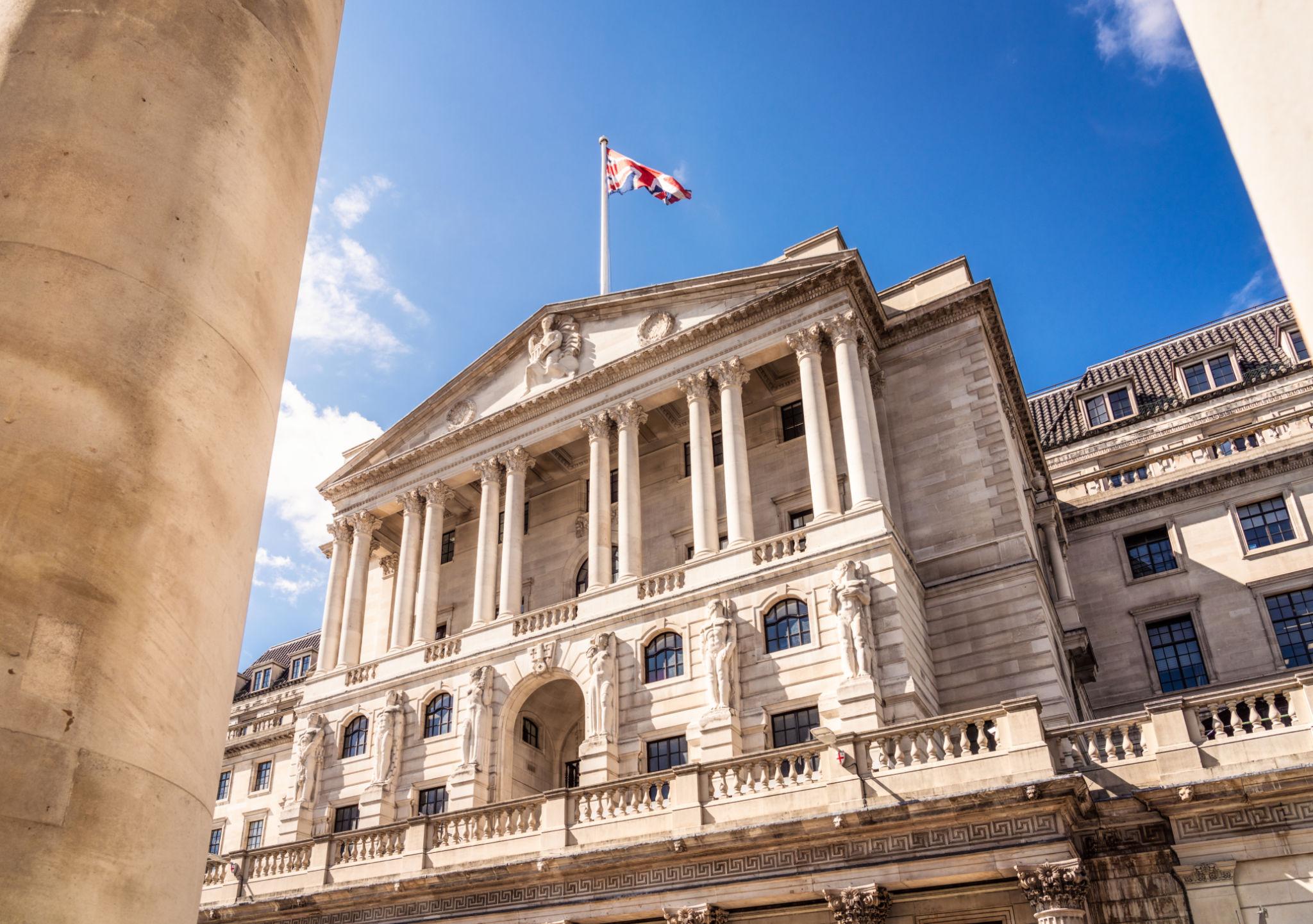
Historic Comparison: Lessons From Past Cycles
A historic comparison offers valuable perspective. During the financial crisis of 2008 and the pandemic downturn of 2020, UK equities experienced sharp contractions followed by rapid rebounds. In contrast, the current cycle reflects moderation rather than extreme swings in the London stock market.
Past crises were marked by liquidity shortages and systemic disruption. Today’s environment differs, with stronger banking capitalization, coordinated policy frameworks, and resilient supply chains reducing collapse risk.
Structural reforms over the past decade strengthened safeguards that now support stability in the London stock market. Capital buffers, regulatory oversight, and stress testing mechanisms provide resilience absent in earlier periods.
This context underscores the measured nature of present gains and highlights how lessons from prior downturns inform contemporary risk management.
Economic Indicators Shaping the Outlook
Upcoming data releases will continue guiding investor decisions. Employment statistics, retail sales, and manufacturing output remain central to assessing domestic momentum.
Consumer confidence surveys suggest moderate optimism, though cost pressures influence spending patterns. Housing market dynamics also shape broader activity and investment decisions affecting the London stock market.
Trade balances reflect evolving export conditions as supply chains adjust to geopolitical realignments. Manufacturing resilience supports employment, yet international demand fluctuations remain a variable factor.
The interplay of these indicators will determine whether steady gains persist or transition into consolidation within the London stock market.
Infrastructure and Financial Services Strength
London’s financial ecosystem extends beyond daily trading. The London Stock Exchange continues attracting international listings, reinforcing the city’s role as a global capital gateway.
Clearing systems, regulatory oversight, and technological infrastructure underpin trading efficiency and transparency. These strengths foster investor trust and encourage long term capital allocation in the London stock market.
Cross border listings from multinational firms demonstrate confidence in governance standards and reporting transparency. Accessibility and liquidity further enhance credibility.
Such structural advantages provide a durable foundation supporting resilience in the London stock market even amid fluctuating global conditions.
A Market Perspective in One Voice
During a midweek strategy briefing, one senior portfolio manager summarized sentiment clearly:
“The London stock market is navigating uncertainty with discipline, and that steady approach is exactly what long term investors want to see.”
This observation encapsulates the prevailing mood among institutional participants. Rather than chasing rapid gains, investors focus on sustainable growth and balanced exposure within the London stock market.

Long Term Investment Implications
For long term investors, steady appreciation combined with reliable dividend income remains attractive. Pension funds and income focused portfolios continue allocating capital toward established firms listed on the London stock market.
Environmental, social, and governance priorities increasingly influence allocation strategies. Companies strengthening sustainability reporting align with global mandates and enhance competitiveness.
Technological integration within traditional industries improves efficiency and supports profit stability. These structural shifts position the London stock market for gradual expansion even amid external volatility.
Risks That Remain on the Horizon
Despite positive momentum, risks persist. Geopolitical escalation could affect commodity flows and investor sentiment. Currency volatility may return if global monetary policies diverge.
Inflation surprises or policy shifts could influence bond yields and equity valuations. Global economic slowdowns among key trading partners would also impact performance across the London stock market.
Investors therefore maintain diversified exposure and contingency planning. Adaptability remains essential.
Strategic Outlook for the Months Ahead
Looking forward, analysts anticipate moderate expansion rather than dramatic surges. Corporate earnings appear stable, and macroeconomic indicators support incremental progress.
Sector diversification and dividend reliability remain core strengths. As long as inflation trends stay contained and policy predictable, the London stock market may continue trending upward.
Institutional investors emphasize patience and long term strategies. The measured pace of gains suggests sustainability over speculation.
Measured Momentum Defines 2026
As 2026 progresses, the London stock market stands as a symbol of stability amid global complexity. Disciplined investor behavior, resilient earnings, and robust infrastructure provide ongoing support.
While volatility may emerge, underlying fundamentals remain intact. In a rapidly shifting global landscape, steady performance represents a notable achievement.
For participants, the emphasis remains on informed allocation and balanced exposure, recognizing that sustainable growth within the London stock market often develops gradually rather than explosively.