
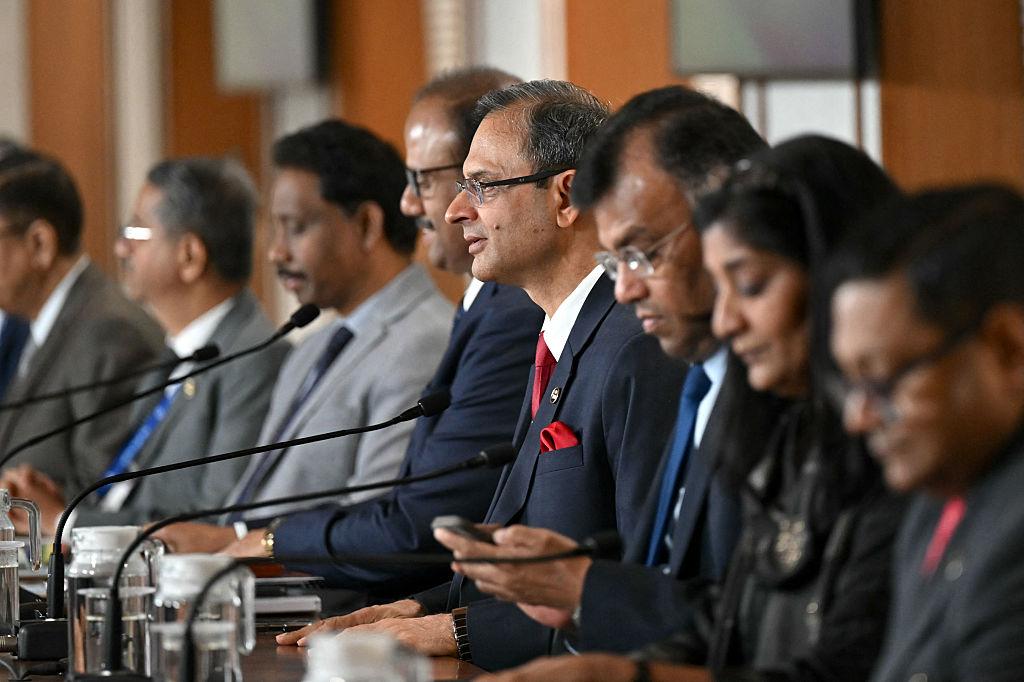
Indian banking stocks entered sharp volatility in Mumbai in 2026 following governance concerns.
Heavy trading volumes and investor caution pressured major financial counters.
Regulators and analysts are closely monitoring stability across the sector.
Mumbai, India – February 23, 2026 – According to Parliament News, that Indian banking stocks entered a phase of heightened volatility this week, reflecting renewed investor caution following governance related concerns that unsettled trading floors across the country’s financial capital. Market participants in Mumbai responded swiftly, recalibrating positions as uncertainty clouded short term sentiment. The turbulence has placed Indian banking stocks at the center of national market attention, raising fresh questions about risk management, transparency, and resilience within India’s expanding financial ecosystem.
Market Volatility Grips Financial Counters
The week began with a wave of selling pressure across major financial counters. Trading volumes surged significantly above recent averages as institutional investors reduced exposure and short term traders reacted to headlines. The benchmark indices felt the immediate impact, given the substantial weight that banking shares carry within broader market composites.
Dealers reported rapid intraday swings, with sharp declines followed by partial recoveries as bargain hunters entered the market. Despite moments of stabilization, volatility remained elevated. Analysts noted that such price movements often reflect sentiment driven responses rather than immediate deterioration in underlying fundamentals.
While some investors focused on the specific trigger behind the selling pressure, others broadened their lens to assess whether systemic vulnerabilities were emerging. So far, most experts characterize the situation as contained, yet the caution visible in market behavior suggests that confidence requires reinforcement.
Investor Sentiment Under Pressure
Confidence serves as the cornerstone of any banking system. When uncertainty surfaces, even in isolated cases, the ripple effects can extend across multiple institutions. This dynamic was visible as Indian banking stocks experienced widespread fluctuations rather than isolated declines.
Portfolio managers described the environment as reactive. Many funds temporarily trimmed holdings, not necessarily due to deteriorating balance sheets, but to mitigate exposure until clarity improves. Retail investors, influenced by rapid news dissemination, often respond quickly during volatile sessions, further amplifying price swings.
Despite the turbulence, several long term investors maintained a measured stance. They emphasized that earnings visibility, capital adequacy, and credit growth trends remain key determinants of sustained valuation rather than short term speculation.
Regulatory Oversight and Transparency
India’s regulatory framework for financial institutions has strengthened considerably over the past decade. Capital buffers have improved, disclosure standards have tightened, and risk assessment mechanisms have evolved. In moments of stress, the role of regulators becomes especially prominent.
Supervisory authorities are expected to closely monitor disclosures and ensure compliance standards are upheld. Historically, swift regulatory engagement has helped calm markets during similar episodes. Transparent communication often serves as the most effective stabilizing force.
Market participants are closely watching official statements, quarterly updates, and audit clarifications. Timely information can prevent speculation from dominating narratives and can restore equilibrium more quickly.

Impact on Broader Market Indices
Banking shares account for a significant portion of major Indian indices. As volatility intensified, broader market benchmarks reflected corresponding pressure. The financial sector’s weight means that even moderate declines can influence overall market direction.
During early sessions, composite indices opened lower before attempting stabilization. Traders described the mood as cautious but not panicked. Derivatives activity indicated hedging strategies rather than wholesale liquidation.
Although short term performance has been uneven, macroeconomic indicators remain supportive. Inflation trends, monetary policy stability, and sustained economic expansion continue to underpin medium term prospects.
Credit Growth and Lending Momentum
India’s credit growth trajectory has remained resilient in recent quarters. Retail lending, small business financing, and infrastructure related projects have contributed to steady expansion in loan books. These structural drivers remain intact despite market turbulence.
Analysts point out that fluctuations in Indian banking stocks do not necessarily correlate with weakening credit demand. Loan disbursement trends continue to show expansion, supported by demographic growth and rising consumption.
Asset quality metrics have also shown improvement over recent reporting periods. Non performing asset ratios have gradually declined, reflecting strengthened underwriting standards and improved recovery mechanisms.
Institutional Investors Rebalance Risk
Domestic mutual funds and foreign portfolio investors play a decisive role in shaping price movements. During uncertain periods, funds often adjust allocations to manage volatility. Trading data suggests measured rebalancing rather than structural withdrawal from the sector.
Some institutional investors view corrections as opportunities to accumulate fundamentally strong names at discounted valuations. Historically, disciplined investors who maintain long term horizons have benefited from such phases of market dislocation.
Nevertheless, the near term trajectory will depend largely on clarity surrounding governance questions and management responses.
Digital Expansion and Operational Safeguards
India’s banking industry has embraced rapid digital transformation. Mobile banking adoption, fintech collaborations, and online lending platforms have expanded financial inclusion across urban and rural areas alike. With expansion comes heightened responsibility for robust monitoring systems.
Operational safeguards and cybersecurity measures have become integral to maintaining credibility. Institutions continue investing in advanced analytics, fraud detection tools, and compliance frameworks. Market observers expect banks to highlight these investments in upcoming disclosures to reassure stakeholders.
Strengthening digital oversight mechanisms not only protects customers but also enhances long term investor confidence.
Media Narratives and Market Psychology
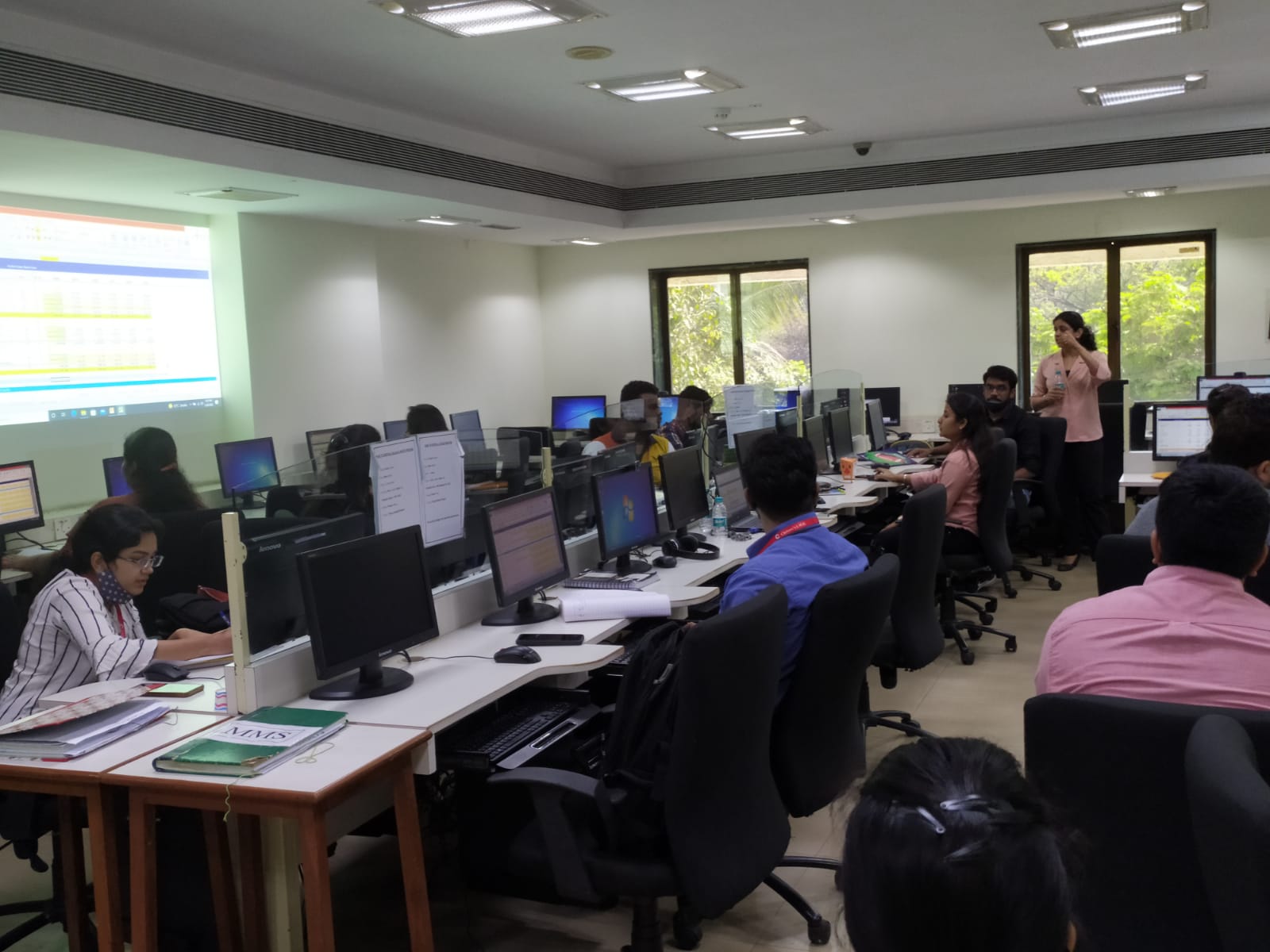
Financial markets often respond as much to narrative as to numbers. Headlines can intensify volatility, especially when information remains incomplete. The speed at which news spreads across digital platforms can amplify investor reaction.
Market psychologists note that uncertainty triggers defensive behavior. As one Mumbai based strategist explained,
“Markets price risk instantly, but they reward clarity just as quickly.”
This sentiment underscores the importance of timely disclosure and measured communication in restoring equilibrium.
Short Term Correction or Structural Shift
Determining whether current turbulence represents a temporary correction or a structural inflection point requires careful analysis. At present, most indicators suggest that core fundamentals remain intact.
Earnings projections for major institutions continue to reflect moderate growth. Capital adequacy ratios remain above regulatory thresholds. Economic growth forecasts also support lending expansion.
While Indian banking stocks have faced pronounced volatility, structural drivers such as rising household income and infrastructure investment continue to provide a supportive backdrop.
Global Investor Perspective
International investors evaluate emerging market banking systems based on governance, transparency, and macroeconomic stability. So far, global commentary indicates that recent volatility is viewed as isolated rather than systemic.
Currency stability and consistent monetary policy have further supported confidence. Foreign inflows may remain cautious in the immediate term but are unlikely to reverse dramatically absent broader instability.
Cross border investors will likely focus on quarterly earnings calls and management commentary for additional insight.
Risk Management and Compliance Culture
In today’s environment, the stability of Indian banking stocks depends heavily on a culture of continuous risk assessment. Modern banking institutions operate in a complex ecosystem where compliance extends far beyond regulatory paperwork. It now involves real time transaction monitoring, digital surveillance systems, and forward looking mitigation frameworks designed to prevent irregularities before they escalate.
For Indian banking stocks, strengthening internal audit systems is no longer optional. Industry specialists emphasize that stress events often become catalysts for institutional improvement. When risk controls are reinforced during volatile periods, the long term credibility of Indian banking stocks can actually improve. Transparency, accountability, and timely corrective measures frequently determine how quickly investor trust returns after turbulence.
Market participants also recognize that decisive leadership responses influence sentiment. In periods of uncertainty, Indian banking stocks are judged not only on financial metrics but on governance clarity. The speed and confidence with which institutions respond can reshape perception more effectively than the triggering event itself.
Historic Comparison
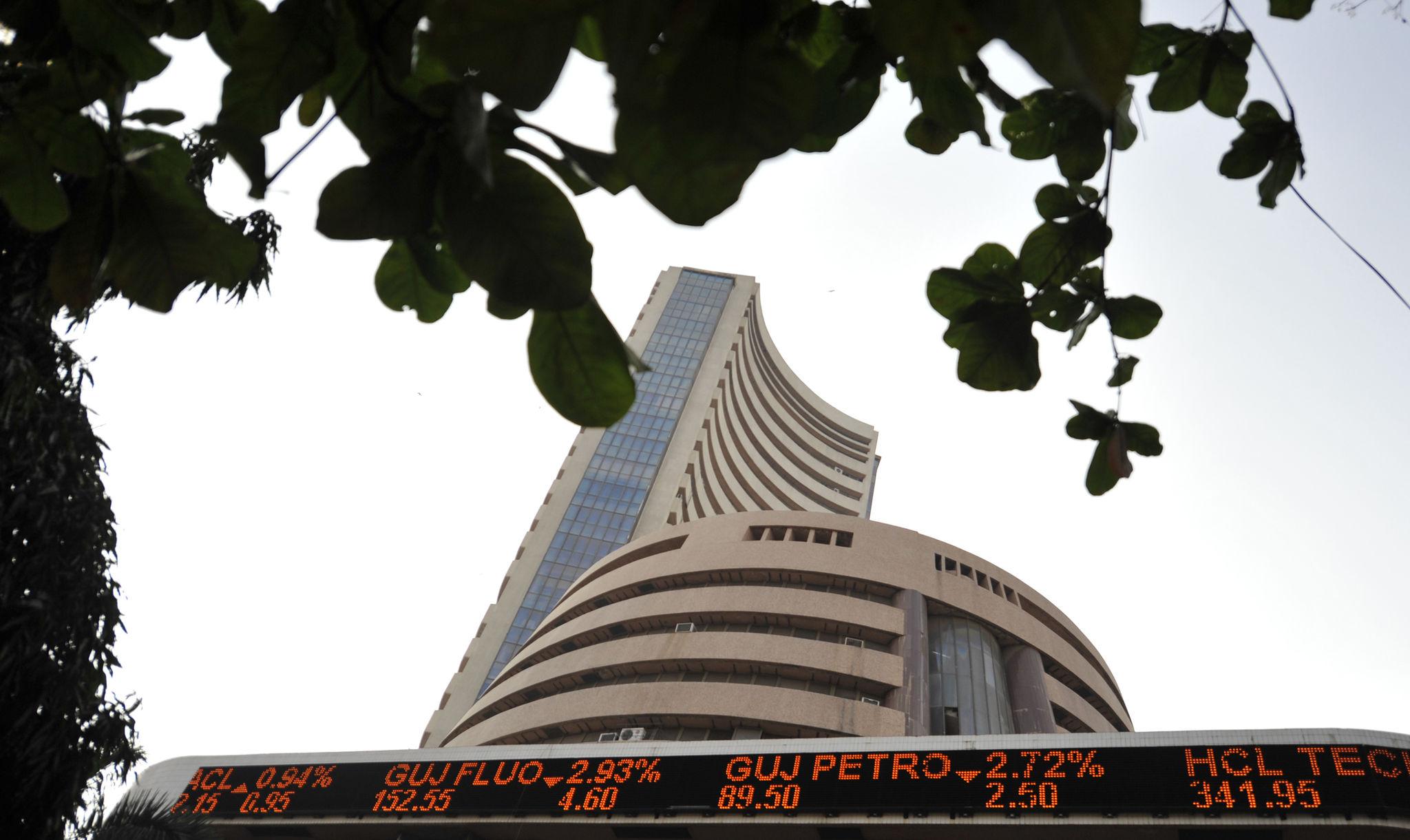
Volatility within Indian banking stocks is not without precedent. Over the past twenty years, the sector has weathered asset quality cycles, liquidity pressures, and external global shocks. Each phase introduced stress, yet reforms implemented afterward strengthened oversight mechanisms and improved capital discipline.
Earlier episodes involved broader systemic weaknesses that affected multiple layers of the financial ecosystem. In contrast, the current turbulence surrounding Indian banking stocks appears more contained. Capital buffers are stronger, regulatory supervision is more sophisticated, and disclosure standards have advanced significantly compared with previous decades.
Historical analysis suggests that well capitalized institutions often recover faster than expected. Indian banking stocks have demonstrated resilience before, particularly when governance frameworks remained intact and regulators acted decisively. Lessons from prior cycles continue to shape how investors evaluate present day volatility.
Economic Resilience and Policy Continuity
India’s macroeconomic landscape continues to provide a supportive foundation for Indian banking stocks. Government infrastructure programs, expanding consumer markets, and consistent monetary policy create an environment conducive to credit growth. Even during episodes of market volatility, these structural drivers remain influential.
Central bank policy continuity adds another layer of reassurance. Inflation remains within manageable levels, and liquidity conditions are closely supervised. Such macroeconomic stability often cushions Indian banking stocks from deeper structural corrections.
Economic resilience frequently serves as a stabilizing counterweight when headlines introduce uncertainty. For Indian banking stocks, sustained growth in retail lending and corporate financing offers long term momentum that can outlast temporary sentiment driven pressure.
Long Term Outlook for the Sector
The long term trajectory of Indian banking stocks depends on earnings durability, prudent capital deployment, and consistent governance standards. Analysts maintain that once uncertainty fades, attention typically returns to structural growth drivers rather than short term volatility.
India’s demographic expansion, urbanization trends, and accelerating digital adoption create sustained opportunities for financial institutions. These factors support lending growth across retail, small business, and infrastructure segments. Over time, such fundamentals tend to reassert influence over Indian banking stocks.
While scrutiny has intensified, many observers interpret the recent episode as a governance stress test rather than a systemic breakdown. If transparency remains strong and corrective measures are implemented swiftly, Indian banking stocks may regain stability sooner than market pessimists anticipate.
The Role of Transparency in Rebuilding Trust
Trust represents one of the most valuable intangible assets supporting Indian banking stocks. Clear disclosures, proactive engagement with regulators, and open investor communication often accelerate the restoration of confidence.
Management teams are expected to address investor concerns directly in upcoming financial briefings. Transparent dialogue reduces speculation and helps stabilize Indian banking stocks by replacing uncertainty with verifiable information.
Credibility compounds over time. Institutions that demonstrate accountability during challenging periods frequently regain lost valuation ground. For Indian banking stocks, consistent transparency can transform volatility into an opportunity to reinforce institutional strength.
The Balance Between Growth and Governance
Rapid expansion must be matched with equally rigorous oversight. As India’s financial ecosystem grows, maintaining equilibrium between innovation and compliance remains essential for Indian banking stocks.
Strong governance frameworks provide a foundation for sustainable development. Rather than constraining growth, disciplined oversight strengthens the long term appeal of Indian banking stocks to both domestic and international investors.
Environmental, social, and governance considerations are increasingly integrated into capital allocation decisions. Maintaining balance between expansion strategies and compliance discipline ensures that Indian banking stocks remain aligned with evolving investor expectations.
When Stability Becomes Strategy
In periods of uncertainty, stability itself becomes a strategic advantage. Markets reward institutions that demonstrate disciplined leadership and effective oversight. Indian banking stocks have repeatedly shown resilience when supported by transparent governance and strong regulatory engagement.
Mumbai’s financial district has navigated multiple volatility cycles, each reinforcing the importance of accountability. As 2026 progresses, the future performance of Indian banking stocks will likely hinge less on short term headlines and more on institutional response.
Ultimately, financial markets operate on trust as much as capital. If governance standards remain firm and transparency continues to guide leadership decisions, Indian banking stocks may convert recent turbulence into long term reinforcement of credibility and strength.