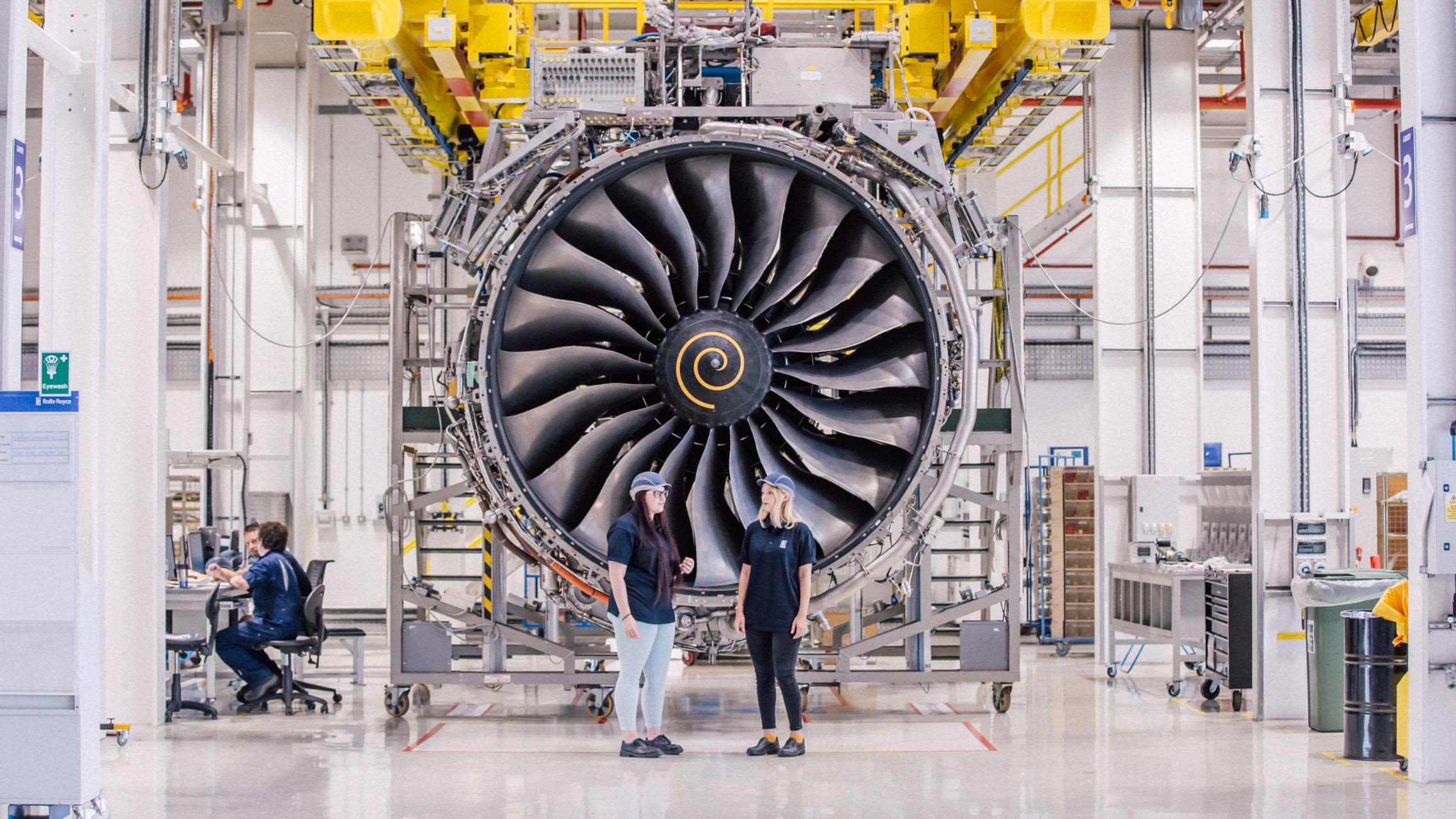
Aircraft engine manufacturing UK faces a pivotal moment in London 2026 as subsidy talks intensify over a multibillion dollar aerospace expansion.
Government backing could determine Britain’s future competitiveness in advanced propulsion technology.
Industry leaders warn that delayed decisions may shift long term investment abroad.
London, United Kingdom – February 23. 2026 — According to Parliament News, that The future of aircraft engine manufacturing UK has taken center stage as government leaders, aerospace executives, and economic strategists debate financial commitments tied to a multibillion dollar expansion proposal. The discussions unfolding in 2026 are being viewed as pivotal for Britain’s industrial direction, particularly in advanced engineering and export driven manufacturing sectors.
Industry observers note that aircraft engine manufacturing UK stands at a crossroads. Decisions made this year could determine whether the nation strengthens its global leadership in aerospace propulsion systems or faces gradual erosion in a highly competitive international market.
Strategic Investment at a Defining Moment
The aerospace sector has long been a cornerstone of Britain’s high value industrial base. From advanced materials research to precision turbine assembly, the expertise embedded within aircraft engine manufacturing UK has positioned the country among the world’s leading producers of complex propulsion systems.
The proposed expansion, valued at roughly four billion dollars, would enhance research capabilities, modernize production lines, and reinforce supply chain resilience. Analysts believe that sustained investment is essential if aircraft engine manufacturing UK is to remain competitive against aggressive subsidy programs offered by rival nations.
Such projects require long planning horizons. Engine development cycles often span a decade or more, with billions invested before commercial deployment. That reality intensifies the urgency surrounding government commitments in 2026.
Economic Impact and High Skilled Employment
Few industries combine technological sophistication and employment intensity quite like aerospace. Engineers, technicians, data analysts, and materials scientists all contribute to the complex ecosystem surrounding aircraft engine manufacturing UK.
A major expansion would protect thousands of existing positions while generating new roles in advanced manufacturing and research. Regional economies hosting production facilities would benefit from supplier growth, infrastructure upgrades, and increased local spending.
The ripple effects extend further. Universities and technical colleges frequently align curriculum development with aerospace demand, ensuring the workforce remains globally competitive. Strengthening aircraft engine manufacturing UK therefore reinforces long term educational and economic stability.
Government Subsidies and Policy Considerations
Public support for strategic industries is not new. Across Europe, North America, and Asia, governments routinely offer incentives to secure large scale manufacturing commitments. The debate in London centers on whether and how to structure financial backing to preserve domestic competitiveness.
A senior aerospace executive remarked,
“The future of aircraft engine manufacturing UK depends on long term clarity and partnership between government and industry.”
That statement underscores a broader truth. Investors seek predictability, especially in sectors where research and development costs are immense. Policymakers must weigh fiscal prudence against strategic necessity, recognizing that advanced engineering capability influences national economic resilience.

Global Competitive Pressures
The global aerospace market is characterized by limited players and intense rivalry. Nations eager to capture market share are offering subsidies, tax incentives, and research grants to attract production programs.
For Britain, maintaining aircraft engine manufacturing UK requires responding effectively to these international pressures. Delayed decisions could shift investment to regions offering faster commitments.
Engine programs once established rarely relocate. Facilities, workforce expertise, and supplier networks become deeply embedded in host regions. That permanence makes current negotiations particularly consequential.
Innovation and Sustainability Priorities
Environmental considerations increasingly shape aviation strategy. Airlines face mounting pressure to reduce carbon emissions while improving fuel efficiency. Research initiatives linked to aircraft engine manufacturing UK are exploring lighter materials, hybrid propulsion systems, and improved thermal efficiency.
Engineers are developing advanced turbine blades capable of operating at higher temperatures, boosting efficiency without compromising durability. Digital monitoring systems allow predictive maintenance, reducing downtime and operating costs.
Investment in sustainable propulsion not only addresses environmental goals but also enhances export potential. Buyers prioritize manufacturers that align with global climate commitments. Strengthening aircraft engine manufacturing UK therefore supports both ecological responsibility and commercial competitiveness.
Supply Chain Resilience in a Volatile World
Recent disruptions to global trade highlighted vulnerabilities in international supply networks. Aerospace production depends on precision components sourced from multiple countries.
Expanding aircraft engine manufacturing UK could reduce reliance on uncertain imports, reinforcing domestic capacity. Policymakers increasingly frame advanced manufacturing as essential to economic security, especially amid geopolitical instability.
A resilient supply chain ensures consistent production schedules and protects defense as well as civilian aviation sectors. Stability in this domain strengthens overall industrial performance.
Regional Growth and Workforce Development
Facilities associated with aircraft engine manufacturing UK are often located in regions where aerospace forms the backbone of local economies. Investment decisions thus carry profound social implications.
Apprenticeship programs, research partnerships, and supplier development initiatives contribute to sustained regional prosperity. Training young engineers in digital design, robotics, and advanced materials ensures continuity of expertise.
Long term competitiveness depends not only on capital investment but also on nurturing talent pipelines capable of meeting evolving technological demands.
Export Strength and Trade Influence
Aircraft engines rank among Britain’s highest value exports. Long term service agreements and maintenance contracts generate recurring revenue streams that extend decades beyond initial sales.
Preserving aircraft engine manufacturing UK enhances the nation’s trade balance and strengthens diplomatic relationships tied to aerospace partnerships. Global airlines and defense agencies rely on dependable suppliers with proven engineering excellence.
Sustained investment signals reliability and confidence to international customers.
Political Landscape in 2026
The year 2026 presents complex political dynamics. Economic recovery, public spending debates, and international tensions intersect with industrial policy considerations.
Supporters argue that backing aircraft engine manufacturing UK aligns with national priorities of innovation and employment. Critics caution that subsidies must demonstrate measurable returns.
Ultimately, policymakers must evaluate whether strategic investment today prevents larger economic losses tomorrow.
Historic Comparison
Looking back to the mid twentieth century, Britain’s aviation industry once led the world in jet engine innovation. During that era, sustained public investment and engineering ambition propelled the nation to global prominence.
The current moment echoes that earlier period of industrial transformation. Just as past leaders recognized the strategic value of propulsion technology, today’s policymakers confront similar choices regarding aircraft engine manufacturing UK. The comparison highlights how long term commitment can shape global leadership for generations.
Industrial Strategy and Long Term Vision
A clear industrial strategy provides confidence to investors and engineers alike. Strengthening aircraft engine manufacturing UK fits within broader goals of maintaining advanced technological capability across sectors.
Aerospace research often drives innovation in robotics, artificial intelligence, and materials science. These spillover benefits enhance productivity in unrelated industries, multiplying the value of initial investment.
Clarity in policy direction ensures that companies can plan multi decade development programs without fear of abrupt regulatory shifts.
Financial Considerations and Fiscal Balance
Subsidies require careful structuring to ensure accountability and measurable impact. Transparent performance benchmarks, job creation targets, and research milestones can justify public investment.
If executed responsibly, support for aircraft engine manufacturing UK may yield long term fiscal returns through tax revenue and export growth. Conversely, insufficient backing risks diminishing industrial capacity.
Balancing these outcomes demands nuanced economic analysis rather than ideological polarization.

Industry Outlook Beyond 2026
Global air travel demand continues to recover and expand. Emerging markets in Asia and Africa are driving fleet growth, increasing demand for efficient engines.
By reinforcing aircraft engine manufacturing UK, Britain positions itself to capture future market share. Advanced propulsion systems remain critical to both commercial aviation and defense readiness.
Stakeholders anticipate that clarity in 2026 will influence investment flows for years to come.
A Crossroads for National Competitiveness
The debate unfolding in London represents more than a single project approval. It reflects broader questions about Britain’s economic identity in a competitive world.
Strengthening aircraft engine manufacturing UK demonstrates commitment to engineering excellence and global leadership. Failure to act decisively could encourage gradual decline in a cornerstone industry.
As negotiations progress, policymakers must weigh immediate fiscal concerns against strategic imperatives that extend decades into the future.
Engineering the Future with Confidence
The path forward requires collaboration between government, industry, and research institutions. Sustainable growth in aircraft engine manufacturing UK depends on innovation, skilled labor, and stable policy frameworks.
The decisions reached in 2026 will reverberate across supply chains, regional economies, and international markets.
In the final analysis, aircraft engine manufacturing UK embodies Britain’s industrial ambition. Whether through structured subsidies, research grants, or strategic partnerships, the nation faces a defining opportunity to secure its aerospace legacy.