

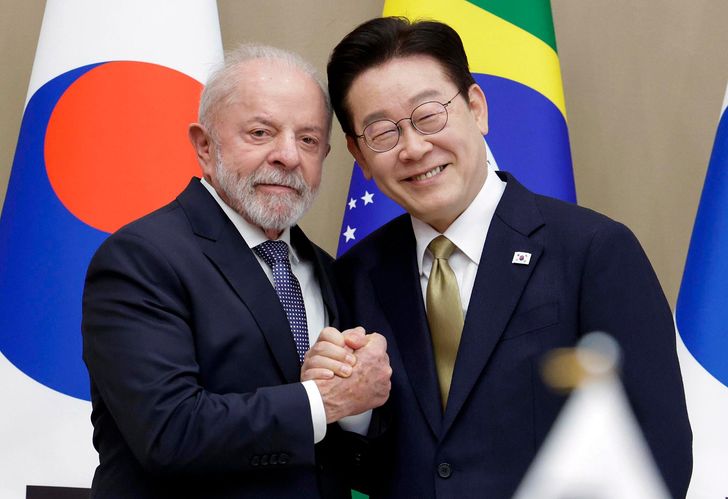
Seoul, South Korea, February 23, 2026 — According to Parliament News, that South Korea Brazil trade cooperation entered a decisive new phase this week as senior officials from both governments confirmed expanded agreements covering critical minerals, clean energy, industrial supply chains, and bilateral trade investment. The announcement in Seoul reflects a long term strategy aimed at strengthening economic resilience while responding to rising global demand for advanced manufacturing inputs.
The renewed South Korea Brazil trade cooperation framework builds on decades of diplomatic relations but reflects a sharper strategic focus shaped by today’s competitive economic landscape. With electric vehicle production accelerating, semiconductor demand surging, and clean energy transitions gaining momentum, both countries recognize that dependable partnerships are now essential rather than optional.
Expanding Bilateral Economic Architecture
Trade between Seoul and Brasília has grown steadily over the past decade, yet recent geopolitical and industrial shifts have accelerated discussions around deeper integration. South Korea Brazil trade cooperation now emphasizes structured agreements in minerals, advanced materials, renewable energy systems, and industrial technologies.
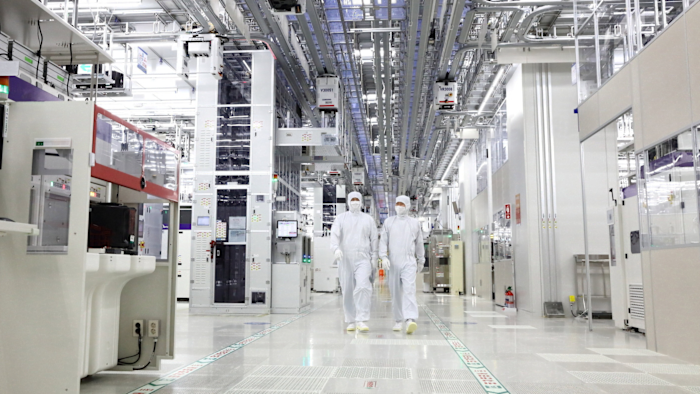
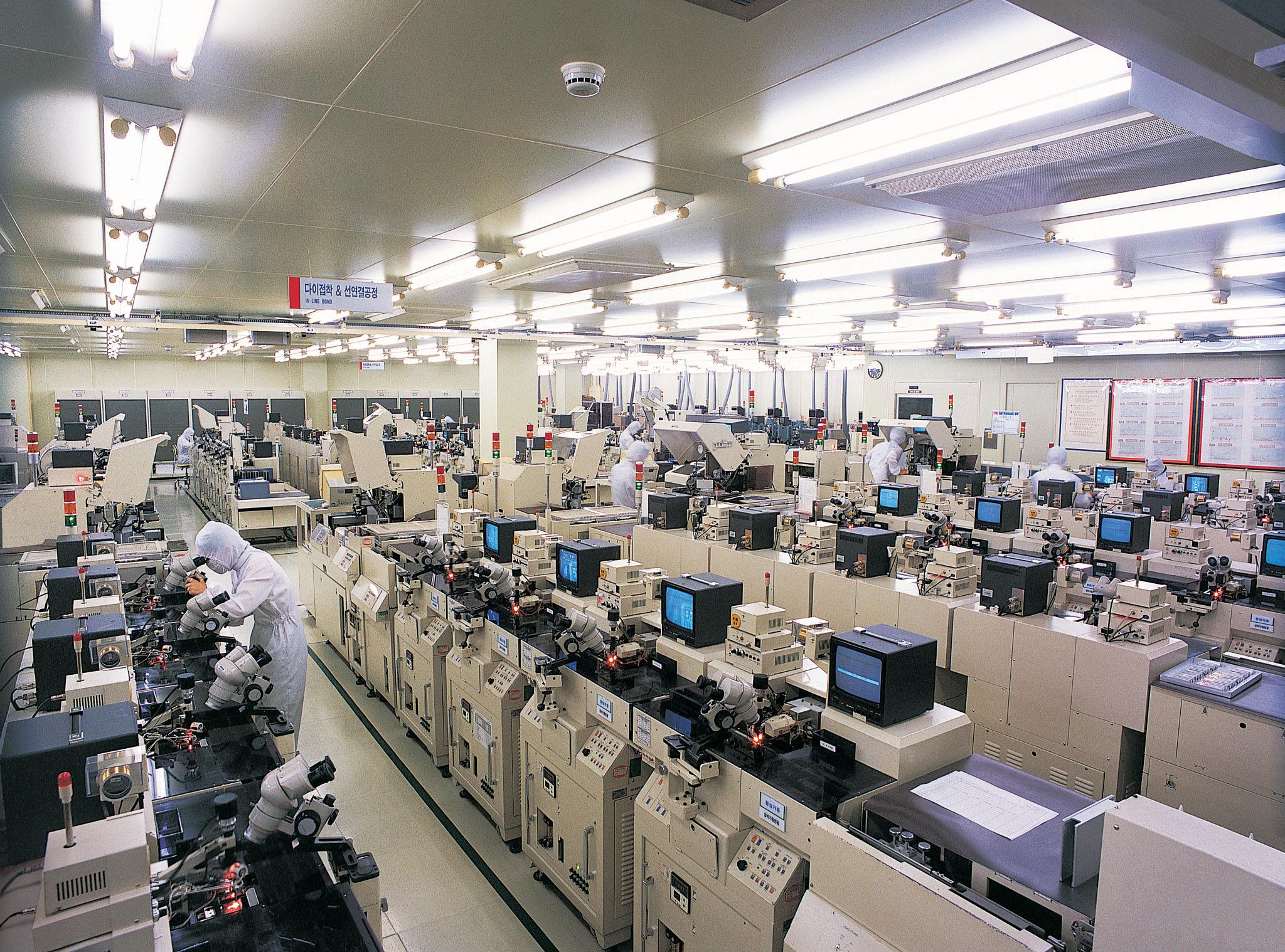
Brazil’s vast reserves of lithium, nickel, graphite, and rare earth elements complement South Korea’s globally recognized manufacturing ecosystem. Korean firms dominate segments of battery production, semiconductor fabrication, and high precision electronics, all of which depend on steady mineral inputs.
The upgraded South Korea Brazil trade cooperation agreement formalizes procurement channels, encourages investment flows, and strengthens logistical connectivity between the two economies. Officials highlighted the need to ensure continuity across supply chains while creating room for technological collaboration and innovation.
Critical Minerals at the Center of Strategy
Few economic sectors are as strategically sensitive as critical minerals. Lithium and nickel are indispensable for battery cells, while rare earth elements support advanced electronics, magnets, and renewable infrastructure.
South Korea Brazil trade cooperation positions Brazil as a reliable supplier for industries that are expanding rapidly in Asia. At the same time, Brazilian mining companies benefit from long term contracts and predictable export markets.
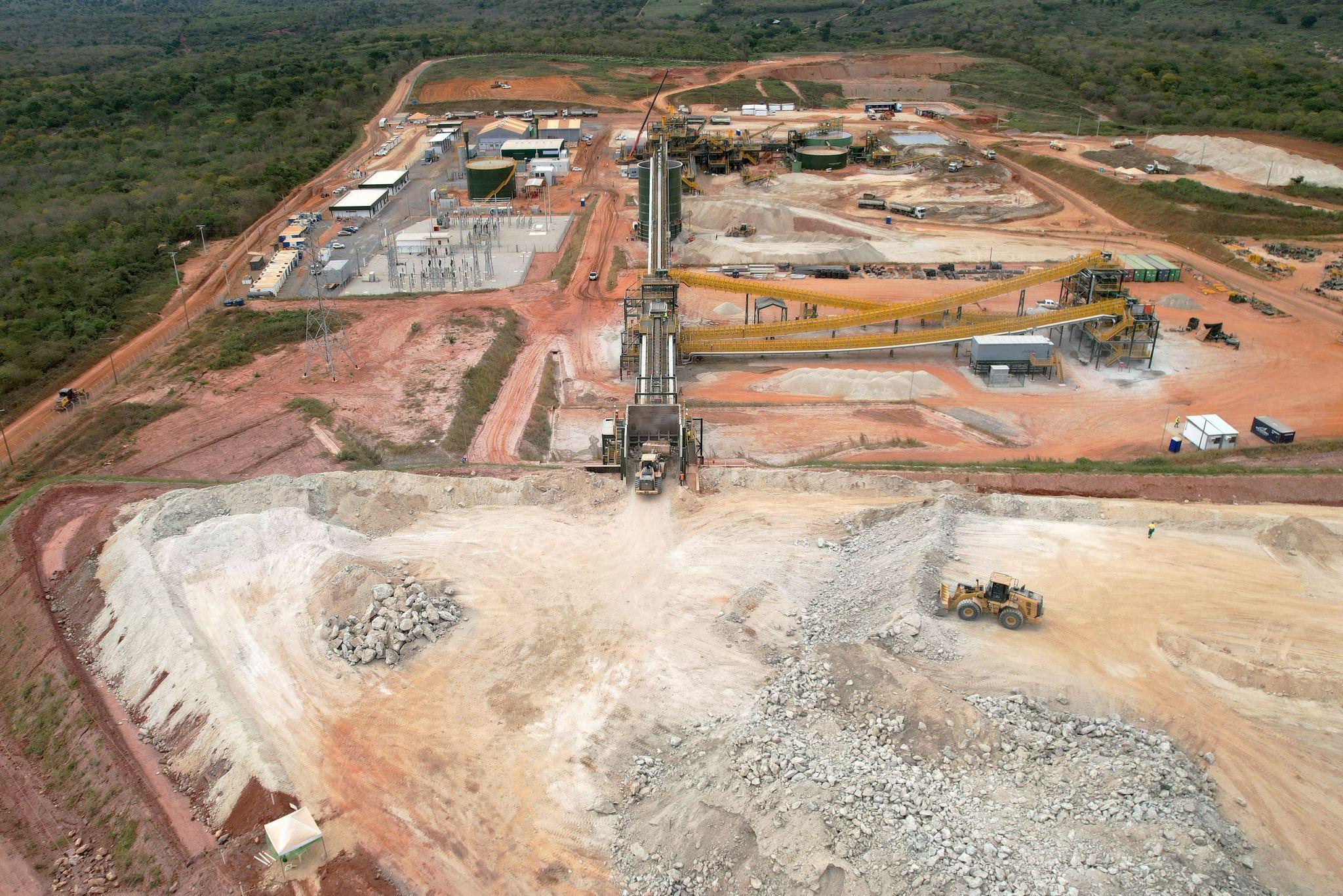
Beyond extraction, both sides are exploring collaborative research into refining and processing technologies. Adding value closer to the source can reduce transportation costs and create higher margin opportunities for Brazilian producers. Korean industrial partners bring technical expertise and capital investment that can accelerate these improvements.
The focus on mineral supply security reflects lessons learned from recent global disruptions, where concentrated sourcing created vulnerabilities for manufacturers.
Renewable Energy and Clean Technology Alignment
The clean energy transition provides another strong pillar for cooperation. Brazil’s established hydropower network and growing biofuel sector align with South Korea’s advancements in hydrogen, battery storage, and electric mobility platforms.
Under South Korea Brazil trade cooperation, both governments signaled interest in joint research initiatives focused on sustainable mining practices, battery recycling technologies, and low emission industrial systems. These projects may attract private sector participation and international financing.
By integrating mineral supply with renewable technology development, the partnership extends beyond raw material exchange. It becomes a comprehensive industrial ecosystem linking resource extraction, processing, manufacturing, and deployment.
Infrastructure and Logistics Modernization
Trade expansion depends on physical connectivity. Brazil’s port upgrades and transportation corridors were central discussion points in Seoul. Efficient shipping routes to Asian markets are critical for maintaining competitiveness.
South Korea Brazil trade cooperation includes dialogue on port automation, customs digitalization, and investment in rail networks that connect inland mining regions to export terminals. Korean engineering and construction firms may participate in modernization projects.
Improved infrastructure reduces transaction costs, accelerates shipment timelines, and enhances overall supply chain reliability. These logistical improvements are essential as mineral volumes increase in response to rising industrial demand.
Financial and Investment Dimensions
Investment frameworks form the backbone of long term trade agreements. The latest meetings addressed financial mechanisms designed to support joint ventures and project financing.
South Korea Brazil trade cooperation encourages institutional investors and development banks to participate in mineral development projects. Risk mitigation structures and policy stability commitments are expected to reassure private stakeholders.
Korean manufacturers may consider establishing processing facilities within Brazil to secure supply and optimize value chains. In turn, Brazilian firms gain exposure to advanced manufacturing standards and quality control systems.
The financial dimension of the partnership underscores its structural depth rather than symbolic intent.
Regulatory Transparency and Environmental Stewardship
Economic growth must align with environmental and social responsibility. Mining operations carry ecological considerations, and both governments emphasized adherence to international standards.
South Korea Brazil trade cooperation includes commitments to sustainable extraction methods, environmental monitoring, and community engagement. Brazilian authorities have highlighted transparency initiatives aimed at attracting responsible foreign investment.
Korean companies are expected to apply advanced environmental management technologies to ensure compliance. By integrating sustainability into project planning, the partnership seeks to avoid long term reputational or regulatory challenges.
Responsible governance strengthens investor confidence and supports durable trade growth.
Global Market Implications
The global race for battery materials and semiconductor inputs has intensified in recent years. Diversified sourcing strategies are becoming a hallmark of resilient economic planning.
South Korea Brazil trade cooperation reflects this structural shift. By deepening bilateral ties, both countries reduce exposure to concentrated supply routes and volatile geopolitical dynamics.
Market analysts suggest that expanded mineral trade between South America and East Asia may influence global pricing patterns. Long term contracts could contribute to greater predictability in lithium and nickel markets.
Such predictability benefits downstream manufacturers, stabilizes production schedules, and supports capital investment planning.
Diplomatic Significance in 2026
The broader diplomatic context of the agreement is equally noteworthy. Intercontinental partnerships are increasingly shaping global trade architecture. South Korea Brazil trade cooperation illustrates how mid sized economic powers can leverage complementary strengths.
Rather than competing for limited resources, both countries have opted for structured collaboration. This approach fosters trust and reduces uncertainty in a rapidly evolving economic environment.
A senior official participating in the Seoul discussions remarked,
“Our partnership reflects a shared commitment to resilience, innovation, and sustainable prosperity for future generations.”
The statement captures the strategic tone guiding negotiations and highlights the long term vision underpinning the expanded framework.
Technology Transfer and Industrial Upgrading
Technology exchange plays a crucial role in advancing competitiveness. Brazilian mining operations stand to benefit from Korean automation systems, advanced analytics, and precision engineering tools.
South Korea Brazil trade cooperation opens pathways for collaborative research centers focused on mineral processing, materials science, and renewable energy integration. Universities and research institutions may also participate in joint programs.
These initiatives promote knowledge transfer and workforce development. Skilled labor training enhances productivity and ensures that economic benefits extend beyond immediate trade gains.
Industrial upgrading strengthens both nations’ positions in global value chains.
Private Sector Engagement and Business Councils
Public policy sets the stage, but private enterprises drive implementation. Business councils from both countries are organizing forums to connect exporters, manufacturers, and financial institutions.
South Korea Brazil trade cooperation includes plans for trade missions, investment roadshows, and industrial exhibitions aimed at accelerating commercial partnerships. Corporate executives are expected to explore joint ventures in mineral exploration, refining, and advanced manufacturing.
These interactions translate diplomatic agreements into operational realities. Commercial contracts, procurement deals, and technology licensing arrangements will determine the practical impact of policy announcements.
Workforce Development and Social Impact
Economic partnerships influence communities and labor markets. Expanding mineral extraction and processing facilities may create employment opportunities in Brazilian regions rich in natural resources.
South Korea Brazil trade cooperation also includes dialogue on vocational training programs and skill enhancement initiatives. Korean firms may collaborate with local institutions to develop specialized training modules for technicians and engineers.
Increased industrial activity can stimulate regional development, infrastructure upgrades, and service sector growth. Ensuring inclusive benefits remains a priority for policymakers.
Social stability supports long term investment confidence.
Risk Management and Policy Continuity
Trade partnerships must navigate political and economic uncertainties. Currency fluctuations, regulatory changes, and market volatility can affect implementation.
South Korea Brazil trade cooperation incorporates mechanisms for policy dialogue and dispute resolution. Regular high level consultations are expected to maintain alignment and address emerging challenges.
Predictability is central to attracting sustained investment. Both governments have signaled commitment to policy continuity, recognizing that abrupt changes could undermine progress.
Stable governance frameworks reinforce economic credibility.
Historic Comparison
The current expansion of South Korea Brazil trade cooperation invites comparison with earlier phases of global industrial integration. During the late twentieth century, manufacturing supply chains became increasingly concentrated in select regions. That model delivered efficiency but exposed vulnerabilities during crises.
Today’s partnership reflects a recalibration toward diversification and strategic balance. Unlike earlier trade waves driven primarily by cost considerations, the 2026 agreement prioritizes resilience, sustainability, and technological alignment.
In historical perspective, this shift mirrors earlier transitions when nations adapted to new industrial realities. Just as energy security shaped alliances in previous decades, mineral security now influences economic diplomacy. The renewed collaboration between Seoul and Brasília represents a modern iteration of that enduring principle.
Outlook for the Coming Decade
Long term projections indicate that electric vehicle adoption, renewable deployment, and digital infrastructure expansion will continue accelerating. Demand for lithium, nickel, and advanced materials is expected to rise steadily.
South Korea Brazil trade cooperation positions both countries to capitalize on these trends. By integrating resource supply with industrial expertise, the partnership creates mutual advantage.
If implementation proceeds smoothly, trade volumes may increase substantially over the next decade. Investment in refining capacity and processing facilities could further strengthen value chains.
Strategic alignment today lays the groundwork for sustained competitiveness tomorrow.
A Defining Intercontinental Alliance
The expansion of South Korea Brazil trade cooperation in 2026 signals more than a routine diplomatic milestone. It reflects recognition that economic security and industrial growth are intertwined.
By aligning resource wealth with manufacturing innovation, both nations enhance resilience in a complex global environment. The agreement demonstrates how complementary strengths can produce balanced and forward looking partnerships.
As industries evolve and clean energy transitions accelerate, the durability of this alliance will be tested by implementation, investment, and policy consistency. For now, the strengthened framework stands as a clear indicator that diversified collaboration remains central to modern economic strategy.
The coming years will determine the measurable outcomes, yet the foundation laid in Seoul suggests that both governments view this partnership not as a temporary arrangement, but as a strategic cornerstone for long term prosperity.