Saudi Arabia expands global energy trade as condensate shipments from the Jafurah field reach US and Indian buyers.
The launch of Saudi condensate exports marks a strategic diversification beyond crude oil.
Energy markets are watching closely as new supply volumes enter international refining networks.
RIYADH, February 23, 2026 — According to Parliament News, that Saudi Arabia has entered a decisive new phase in global hydrocarbon trade as Saudi condensate exports accelerate following first cargoes from the Jafurah unconventional gas field. Industry sources confirm shipments have reached buyers in the United States and India, signaling a broader commercial rollout that energy analysts say could redefine light hydrocarbon supply patterns in 2026 and beyond. The expansion of Saudi condensate exports reflects a structural shift in the Kingdom’s energy strategy, reinforcing diversification beyond crude oil while strengthening international trade partnerships.
The development comes amid evolving global energy demand, refinery optimization strategies, and geopolitical realignments influencing hydrocarbon flows across continents. As production from Jafurah increases, the role of Saudi condensate exports is expected to expand further, integrating the Kingdom more deeply into specialty liquids markets.
The Jafurah Field and Production Foundations
The Jafurah basin, located in eastern Saudi Arabia, is one of the largest unconventional gas developments outside North America. Unlike conventional oil reservoirs, Jafurah primarily produces natural gas along with associated condensate, a light hydrocarbon prized for its refining flexibility and petrochemical value.
Development of the field required advanced drilling techniques, hydraulic fracturing technology, and extensive midstream infrastructure. Over several years, investments were directed toward processing facilities, pipelines, and storage systems designed to handle rising output volumes.
With operational capacity increasing, Saudi condensate exports have transitioned from planning stage to commercial reality. Production ramp up has allowed Saudi Arabia to position itself competitively in a market segment often dominated by shale producers and regional suppliers.
Condensate derived from unconventional gas production typically contains higher yields of naphtha and gasoline blending components. These qualities make it attractive to refiners seeking operational efficiency and improved margins.
Why Condensate Is Strategically Valuable
Condensate occupies a unique niche in global energy markets. It is lighter than many crude grades and can be blended or processed to enhance refinery outputs. Petrochemical plants also rely on condensate as a feedstock for producing plastics, solvents, and synthetic materials.
As refinery configurations become more complex, access to varied hydrocarbon grades provides economic flexibility. Saudi condensate exports add an additional supply stream to global markets that value reliability and scalability.
Energy traders note that condensate demand often follows petrochemical cycles. While transportation fuel demand fluctuates based on economic growth and mobility trends, petrochemical demand remains resilient due to manufacturing needs across industries.
The emergence of Saudi condensate exports reflects recognition of these long term structural trends. By monetizing associated liquids from gas production, Saudi Arabia broadens its participation in value added energy segments.
First Shipments to the United States
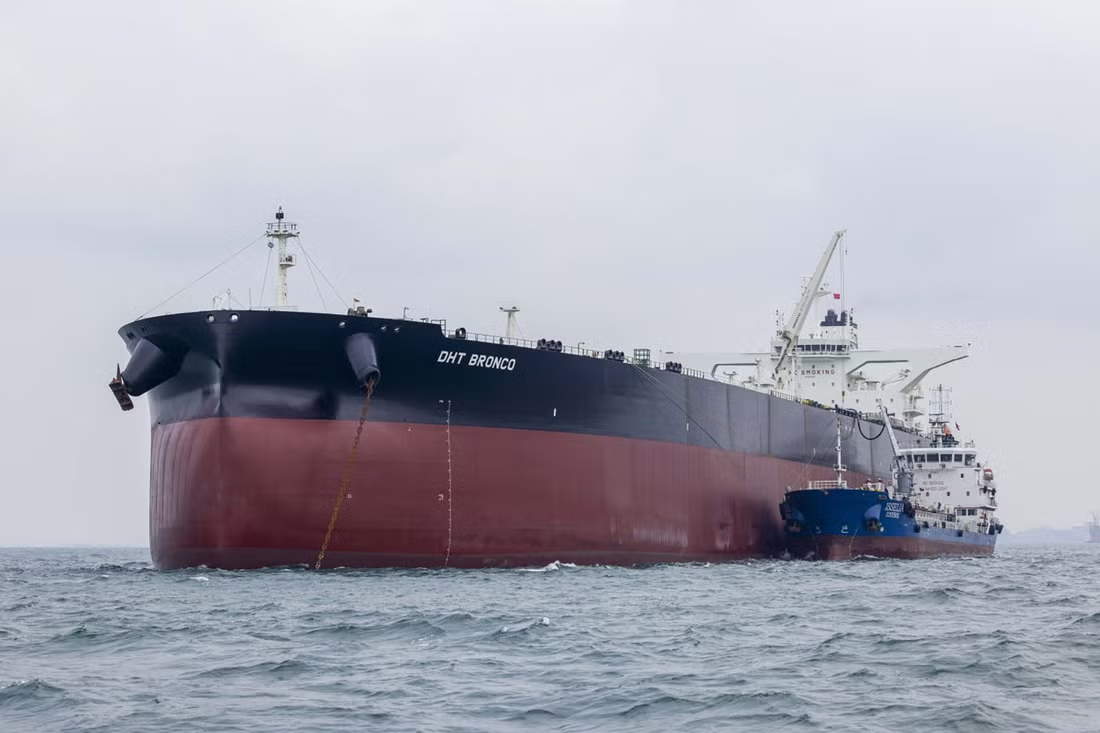
The arrival of condensate cargoes in the United States highlights the interconnected nature of modern energy trade. Although the US is a leading producer of shale oil and condensate, refiners continue to import select grades to optimize blending and chemical specifications.
Refinery configurations along the Gulf Coast are designed to process diverse feedstocks. Saudi condensate exports may serve as complementary inputs that improve product yield or balance seasonal supply variations.
Energy analysts suggest that selective imports are driven less by volume necessity and more by economic optimization. When pricing aligns favorably, imported condensate can enhance refinery margins.
The presence of Saudi condensate exports in the US market underscores the fluidity of global hydrocarbon flows, where trade decisions are shaped by logistics, price differentials, and contractual relationships.
Expanding Energy Ties with India
India’s energy consumption continues to rise alongside industrial expansion and population growth. Its refining sector ranks among the most sophisticated globally, capable of processing varied crude and condensate grades.
Shipments to Indian buyers reinforce long standing commercial ties between Riyadh and New Delhi. Saudi condensate exports provide Indian refiners with additional flexibility to adjust feedstock blends and maximize output.
India’s petrochemical demand also supports condensate imports. As manufacturing and consumer goods production expand, feedstock requirements increase accordingly.
Energy economists observe that diversified supply agreements enhance energy security for importing nations. Saudi condensate exports contribute to that diversification while strengthening bilateral economic cooperation.
Market Pricing and Competitive Positioning
The introduction of new volumes into global markets inevitably influences pricing structures. Condensate markets are often regionally fragmented, with price assessments tied to benchmarks and local demand conditions.
Analysts anticipate that Saudi condensate exports will be priced competitively to secure long term relationships. Spot cargoes may also be deployed strategically to capture market share during favorable price windows.
The competitive landscape includes producers from North America, the Middle East, and parts of Asia. To maintain relevance, exporters must balance pricing discipline with supply reliability.
Saudi Arabia’s integrated upstream and downstream infrastructure provides logistical advantages that may support cost efficiencies. Over time, sustained Saudi condensate exports could influence regional premiums and contractual norms.
Infrastructure and Export Logistics
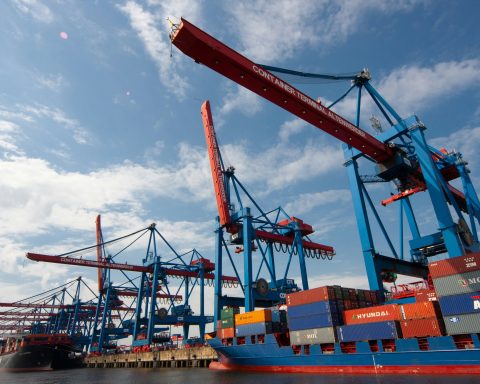
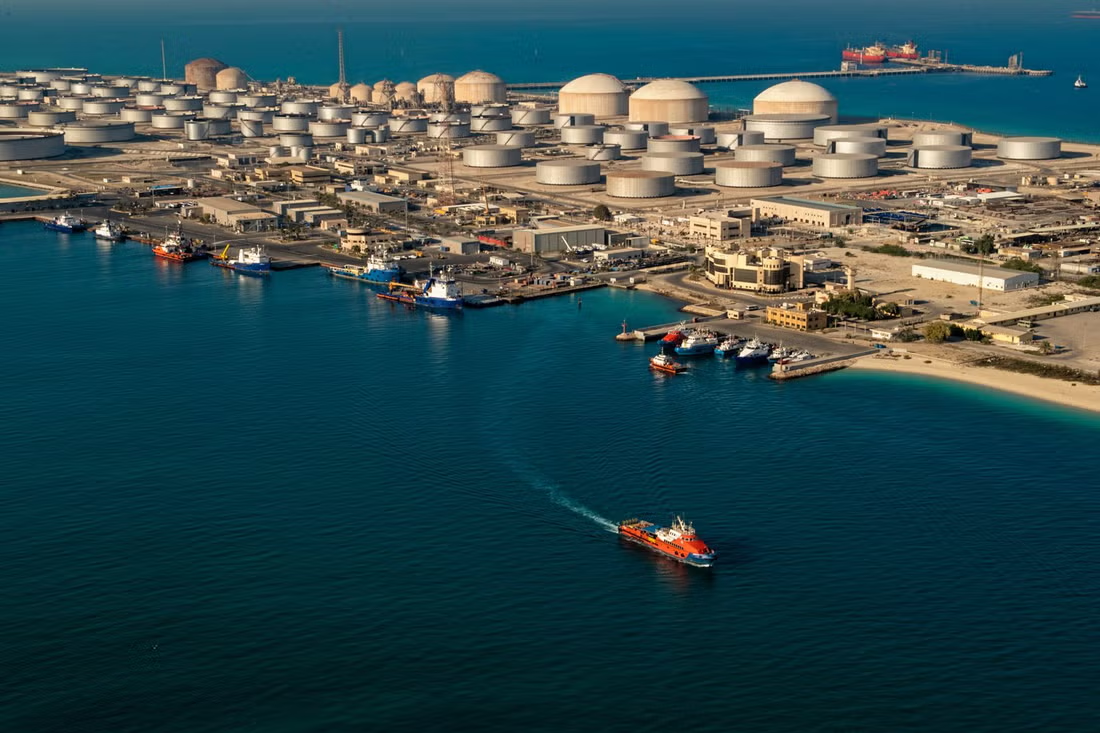
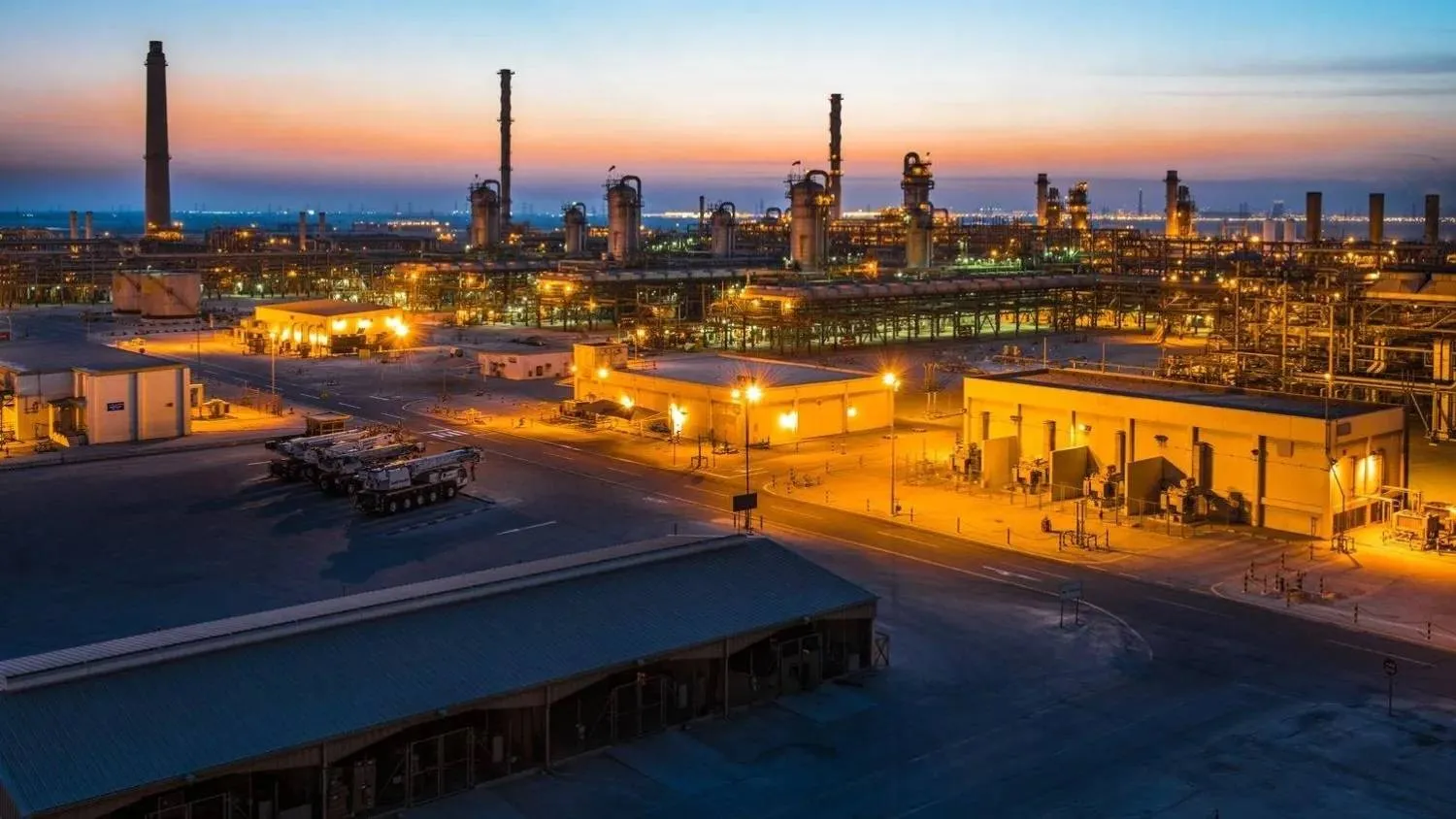
Exporting condensate at scale requires advanced infrastructure. Processing plants must stabilize liquids, storage tanks must ensure quality control, and marine terminals must facilitate efficient loading.
Saudi Arabia has invested heavily in such infrastructure along its Gulf coastline. Modernized facilities allow rapid turnaround times for vessels and adherence to strict quality standards.
The seamless execution of early shipments indicates operational readiness. As volumes increase, port capacity and shipping coordination will become even more critical to maintaining the credibility of Saudi condensate exports.
Logistical efficiency not only reduces costs but also strengthens customer confidence in delivery schedules.
Economic Impact Within the Kingdom
Revenue diversification remains a central objective of Saudi economic policy. While crude oil continues to dominate export revenues, expanding liquids trade contributes additional income streams.
Saudi condensate exports support employment across multiple sectors including engineering, shipping, and petrochemical services. Investment in unconventional gas development has stimulated technological advancement within the domestic energy ecosystem.
The financial benefits extend beyond direct export revenue. Increased gas production enables greater domestic energy supply, freeing crude oil for higher value export markets.
As global demand patterns evolve, flexible hydrocarbon portfolios provide resilience against price volatility.
Environmental and Energy Transition Context
Global energy transitions are accelerating, yet hydrocarbons remain integral to industrial economies. Condensate plays a particularly important role in petrochemical manufacturing, which underpins modern consumer products.
The expansion of Saudi condensate exports occurs within this broader transition narrative. While renewable energy investments grow, petrochemical demand remains closely linked to population growth and industrialization.
Energy policy analysts note that gas and associated liquids are often viewed as transition fuels, emitting lower carbon intensity than some heavier alternatives.
By investing in unconventional gas resources, Saudi Arabia aligns itself with evolving energy consumption patterns while maintaining export competitiveness.
Regional Geopolitical Dimensions
Energy trade often intersects with geopolitics. Reliable supply relationships can strengthen diplomatic ties and economic partnerships.
Saudi condensate exports to major consuming nations enhance strategic connectivity. Long term contracts and supply stability may contribute to broader bilateral cooperation.
Observers suggest that diversified energy offerings increase negotiating leverage in trade discussions. By participating actively in multiple hydrocarbon markets, Saudi Arabia reinforces its global influence.
Industry Perspective
Energy market participants view the commercial launch as a logical progression of years of planning and capital allocation.
One senior regional energy executive stated,
“The rise of Saudi condensate exports confirms that Saudi Arabia is not just defending market share but actively expanding into high value liquid segments.”
Such assessments reflect industry confidence that condensate will remain an essential component of global refining and petrochemical supply chains.
Historic Comparison
The evolution of Saudi condensate exports invites comparison with earlier transformative periods in global energy trade. In the 1970s, crude oil exports reshaped economic and geopolitical landscapes, elevating Saudi Arabia to central prominence within OPEC and beyond. In the early 2000s, the shale revolution reconfigured supply dynamics by introducing large volumes of light tight oil and condensate from North America.
Today’s expansion into unconventional gas and associated liquids represents another turning point. While not as dramatic as previous oil shocks or shale booms, the scaling of Saudi condensate exports reflects a steady strategic recalibration. Rather than reacting to disruption, Saudi Arabia is proactively positioning itself within a diversified hydrocarbon future.
Financial Market Response
Energy investors are monitoring production updates and shipment data closely. Public disclosures regarding output levels and contract structures influence market expectations.
As Saudi condensate exports scale, equity analysts may factor incremental revenue projections into broader assessments of the Kingdom’s energy sector performance.
Commodity traders also evaluate how additional supply affects arbitrage opportunities between regions. Price spreads between Asia, Europe, and North America can shape trade flows.
Long Term Outlook for 2026 and Beyond
Looking ahead, production ramp up at Jafurah is expected to continue over several years. Planned expansions aim to increase gas output substantially, with associated liquids rising in tandem.
Saudi condensate exports may therefore expand both in volume and geographic reach. Emerging markets in Southeast Asia and parts of Europe could become additional destinations depending on demand conditions.
Sustained competitiveness will depend on maintaining production efficiency, pricing discipline, and logistical reliability.
Beyond the Barrel A Structural Shift in Identity
The steady expansion of Saudi condensate exports represents more than simple trade growth. The rise of Saudi condensate exports reflects a deeper transformation in the Kingdom’s energy identity, signaling a move beyond traditional crude dominance. Through unconventional gas development and the commercialization of associated liquids, Saudi condensate exports are helping Saudi Arabia diversify national revenue streams while reinforcing its long term global relevance.
As 2026 progresses, global markets will continue evaluating how Saudi condensate exports align with shifting geopolitical dynamics, economic cycles, and environmental considerations. Whether structured through long term agreements or flexible spot transactions, Saudi condensate exports are increasingly positioned to shape the next phase of the Kingdom’s energy strategy.
In a period marked by transition, innovation, and evolving demand patterns, adaptability defines influence. The continued advancement of Saudi condensate exports signals that Saudi Arabia intends to remain a decisive force in international energy trade, even as the structure and priorities of global markets continue to evolve.