

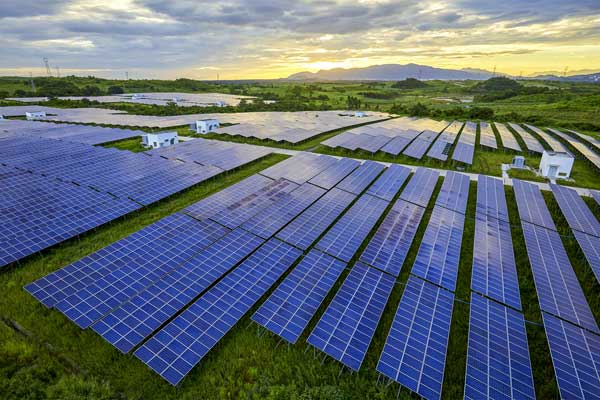
Google power agreement announced in Houston 2026 secures long term renewable energy supply for expanding data centers.
The deal strengthens grid stability while supporting growing artificial intelligence and cloud infrastructure demand.
Industry analysts say the agreement marks a pivotal shift in corporate clean energy strategy.
Houston, United States – February 24, 2026 — According to Parliament News, that The Google power agreement announced in Houston in 2026 represents one of the most significant long term renewable energy commitments in the technology sector this year. The agreement is designed to secure multi decade electricity supply to support expanding data center capacity, artificial intelligence workloads, and cloud infrastructure growth across the United States.
As digital platforms continue to scale, reliable power has become foundational to operational stability. Industry analysts view this development as a strategic move aligning energy security with technology expansion. With electricity demand rising sharply due to AI driven services, securing predictable long term supply has become a central pillar of corporate planning.
Why This Agreement Matters Now
The newly expanded Google power agreement comes at a pivotal time for both the energy and technology sectors. Artificial intelligence systems require immense computational capacity, and that computing power relies heavily on uninterrupted electricity.
Long duration supply contracts reduce exposure to short term energy price volatility while supporting infrastructure development. For technology companies operating hyperscale facilities, even minor disruptions can result in significant operational risk.
By committing to extended supply terms, the agreement provides cost stability and reinforces confidence in long term infrastructure planning. Energy procurement is no longer viewed as a background operational function but rather as a strategic competitive asset.
The Energy Demand Behind AI Growth
Artificial intelligence adoption continues accelerating across industries, from enterprise analytics to consumer digital services. Each expansion phase requires exponential increases in computational power.
The Google power agreement reflects this reality. Data centers that support AI training clusters consume vast quantities of electricity not only for processors but also for cooling, networking, and storage systems.
As AI models become more advanced, training runs can extend for weeks, requiring sustained high energy throughput. Ensuring reliable power supply enables uninterrupted innovation cycles and supports product deployment timelines.
Electricity planning now parallels semiconductor procurement as a strategic priority within technology leadership circles.
Renewable Infrastructure and Grid Modernization
Renewable generation plays an increasingly important role in corporate energy strategies. Solar farms, wind projects, and battery storage systems are frequently integrated into long term supply contracts.
Through the Google power agreement, renewable energy developers gain predictable revenue streams that support financing for new capacity installations. This dynamic strengthens grid resilience and encourages modernization of transmission infrastructure.
Grid stability becomes increasingly critical as electricity demand rises. Long term agreements encourage coordinated investment between utilities, regulators, and private corporations to ensure adequate generation capacity.
Infrastructure upgrades accompanying such agreements often benefit broader communities beyond corporate operations.
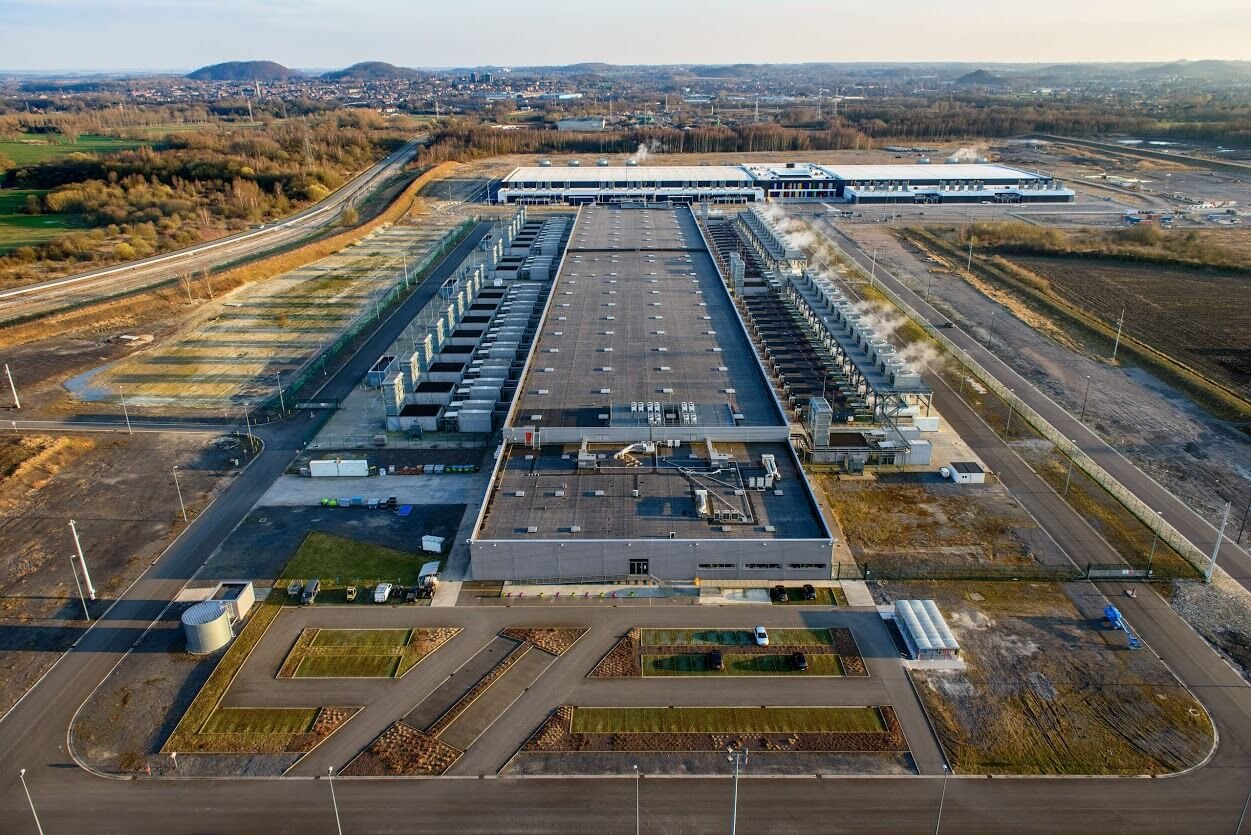
Financial Stability and Market Signals
Large scale supply contracts send strong signals to financial markets. The Google power agreement provides revenue visibility to energy providers while protecting corporate buyers from pricing volatility.
Investors frequently interpret multi year contracts as indicators of stable cash flow and disciplined infrastructure planning. In recent years, corporate renewable procurement has emerged as a significant growth segment within the US energy sector.
Market analysts note that long term energy commitments often align with broader sustainability targets, strengthening investor confidence in environmental governance strategies.
Stable electricity supply underpins predictable operating margins for technology firms whose business models depend on uninterrupted digital services.
Environmental Considerations and Corporate Responsibility
Environmental stewardship remains central to modern corporate governance. The Google power agreement reinforces long term commitments to reduce carbon emissions while supporting expanding digital services.
Renewable generation associated with such contracts contributes to emission reduction targets and sustainability reporting metrics. Data center operators increasingly face scrutiny regarding energy consumption intensity.
Energy efficiency improvements complement renewable procurement strategies. Advanced cooling technologies, optimized facility design, and improved power distribution systems enhance overall environmental performance.
By integrating sustainability into core infrastructure planning, corporations align operational growth with environmental accountability.
Community and Economic Impact
Energy infrastructure investments create tangible economic benefits. Construction of renewable facilities generates employment opportunities in engineering, construction, and maintenance sectors.
The Google power agreement may support development of regional projects that stimulate local economies. Increased tax revenue from infrastructure investments often benefits public services and community development initiatives.
Corporate energy commitments also strengthen regional competitiveness, attracting further investment in technology and innovation sectors.
This intersection between digital infrastructure and energy development reinforces broader economic resilience.
National Energy Security Implications
As electricity demand continues rising, national energy strategy becomes increasingly significant. The Google power agreement contributes to diversified generation capacity and strengthens domestic energy resilience.
Reducing reliance on volatile fuel markets enhances long term stability within the electricity system. Policymakers have emphasized the importance of grid reliability as a component of economic security.
Corporate procurement decisions intersect with public infrastructure planning, shaping long term capacity expansion strategies.
The integration of renewable supply agreements into national energy frameworks supports both technological innovation and economic continuity.
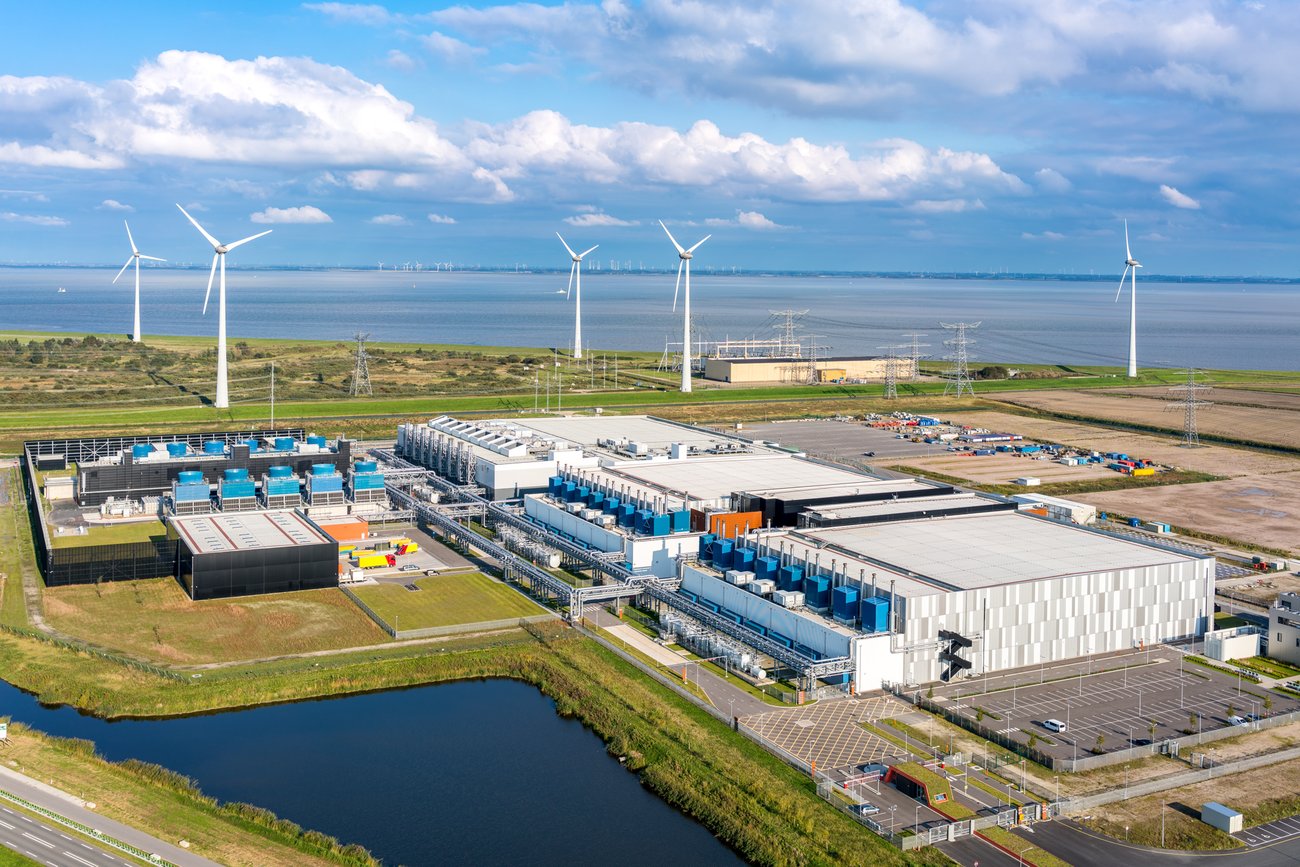
Historic Comparison
The evolution of corporate energy contracts invites comparison with previous milestones in industrial transformation. During the early electrification era of the twentieth century, long term utility agreements enabled manufacturing expansion and urban development.
Similarly, in the early 2000s, the growth of cloud computing drove new infrastructure investments that reshaped digital economies. The present Google power agreement represents a comparable inflection point, linking energy procurement directly to AI driven technological progress.
Just as earlier energy transitions facilitated industrial growth, modern renewable contracts now support the expansion of artificial intelligence systems and digital platforms. These agreements symbolize the infrastructure backbone of a new computing era.
Strategic Infrastructure Coordination
Coordinated planning between utilities and corporate buyers ensures alignment between generation capacity and computing demand. The Google power agreement reflects detailed forecasting of electricity requirements over multiple decades.
Infrastructure synchronization reduces risk of supply shortages during peak usage periods. It also supports transmission network upgrades necessary to distribute renewable power effectively.
Strategic coordination encourages technological innovation within energy storage and grid management systems, enhancing reliability and resilience.
This forward looking approach positions both sectors for sustained expansion.
One Industry Perspective
An energy sector analyst observing the agreement stated,
“Long term power commitments from major technology firms are reshaping how renewable infrastructure is financed and deployed across the country.”
The comment captures how corporate demand is accelerating investment in clean generation capacity and reinforcing the integration between digital growth and sustainable energy planning.
Technology and Energy Convergence
The Google power agreement illustrates the deepening convergence between technology and energy industries. Digital platforms depend on reliable electricity, while utilities increasingly rely on technology companies as anchor customers.
Artificial intelligence systems demand consistent energy throughput, making infrastructure planning inseparable from innovation strategy.
Collaboration between these sectors encourages research into advanced storage solutions, smart grid optimization, and enhanced transmission efficiency.
As energy and computing become increasingly interdependent, long term partnerships define the pace of technological advancement.
Grid Reliability and Resilience
Modern electricity systems must withstand rising demand and climate variability. The Google power agreement supports infrastructure planning designed to strengthen grid resilience.
Renewable integration requires advanced forecasting tools and responsive distribution networks. Long term contracts encourage investment in grid management technologies that improve reliability during extreme weather conditions.
Enhanced resilience benefits not only corporate operations but also residential and industrial consumers relying on stable electricity supply.
Infrastructure reliability remains a shared priority across sectors.
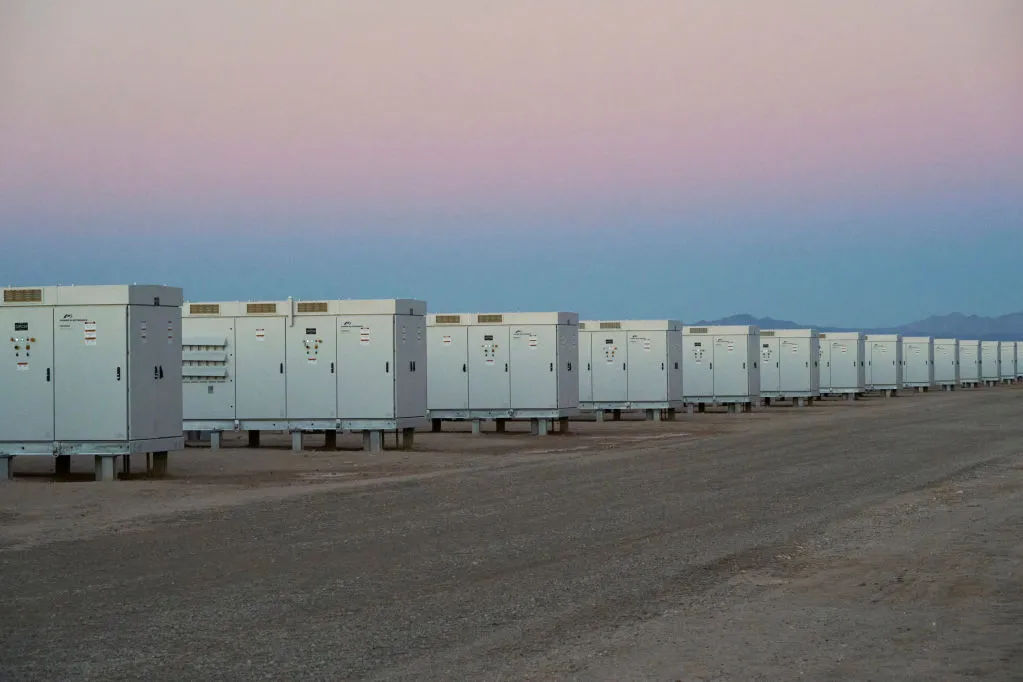
Long Term Growth Outlook
Artificial intelligence adoption shows no signs of slowing. The Google power agreement positions the company to scale operations alongside projected increases in computing demand.
Market analysts expect continued expansion of corporate renewable procurement as enterprises seek stable electricity pricing and sustainability alignment.
Long duration agreements reduce uncertainty and provide confidence in infrastructure scalability. Technology firms that secure dependable energy supply gain competitive advantages in cost management and operational continuity.
As AI models grow more sophisticated, the need for stable power frameworks will only intensify.
Global Implications for Energy Markets
Beyond domestic borders, corporate renewable procurement influences international energy markets. The Google power agreement signals continued momentum in long term clean energy commitments.
Global technology companies often replicate procurement strategies across regions, encouraging renewable development worldwide.
This ripple effect accelerates international energy transitions and reinforces private sector leadership in sustainable infrastructure deployment.
Cross sector collaboration strengthens economic resilience across multiple geographies.
A Defining Chapter in Digital Infrastructure
The 2026 announcement in Houston marks a pivotal chapter in corporate energy strategy. Through the strengthened Google power agreement, the company reinforces its commitment to aligning technological growth with sustainable power supply.
Electricity now stands alongside semiconductor innovation and cloud architecture as a core driver of digital transformation. Long term renewable agreements support the computational backbone of artificial intelligence systems shaping global economies.
With disciplined execution, coordinated infrastructure planning, and sustained clean energy investment, this development represents a milestone in the evolution of corporate energy procurement.