


Apple Financial Services India is gaining momentum in 2026 as Apple holds advanced talks with leading banks in Mumbai.
The move signals a potential expansion into India’s fast growing digital payments and fintech sector.
Industry analysts say the development could reshape premium mobile banking services across the country.
Mumbai, India – February 26, 2026 – According to Parliament News, that Apple Financial Services India has emerged as a central topic in the country’s technology and banking circles after reports indicated that Apple is in active discussions with major domestic banks to expand its financial footprint. The talks, first highlighted by Bloomberg News, point to a broader strategy that could redefine how premium smartphone users in India interact with digital payments and financial tools.
The development reflects Apple’s steady evolution from a hardware centric technology company into a diversified ecosystem player that integrates devices, software, and services. If implemented, Apple Financial Services India would deepen Apple’s economic presence in one of the world’s fastest growing digital markets.
Strategic Rationale Behind the Expansion
India represents a uniquely attractive opportunity for global technology companies. With a population exceeding 1.4 billion and a rapidly expanding middle class, the country has embraced mobile first innovation at an unprecedented pace. Digital payments are now embedded in everyday life, from street vendors to luxury retailers.
Apple Financial Services India fits within this context of accelerated digital adoption. Apple has steadily increased its investments in the country through local manufacturing, supply chain expansion, and the opening of flagship retail stores. Introducing financial capabilities would align with the company’s long term objective of strengthening ecosystem loyalty.
The services segment has become a critical revenue driver for Apple globally. By replicating aspects of its international payment infrastructure within India, the company could generate recurring income while reinforcing customer retention. Financial integration within its operating system allows users to manage payments seamlessly, strengthening the value proposition of Apple devices.
India’s Digital Payment Ecosystem
India’s financial technology environment is widely regarded as one of the most advanced among emerging markets. Government led initiatives, real time transaction infrastructure, and widespread QR code acceptance have made cashless payments mainstream.
Within this environment, Apple Financial Services India would not enter as a disruptor from scratch, but rather as a premium overlay on an already sophisticated ecosystem. Indian consumers are accustomed to mobile wallets and instant transfers, creating fertile ground for integrated device based payment tools.
The key distinction lies in Apple’s ecosystem centric design. Rather than competing purely on transaction volume, Apple typically emphasizes user experience, security, and integration. This strategy has proven successful in other regions where Apple has introduced payment capabilities through partnerships with financial institutions.
Banking Partnerships and Regulatory Alignment
Any rollout of Apple Financial Services India would require close collaboration with domestic banks. India maintains strict financial regulations designed to protect consumers and ensure data security. Technology firms seeking to expand into payments must align with these frameworks.
Industry analysts suggest that Apple’s strategy will likely mirror its approach in other countries, where the company partners with licensed banks rather than operating as a standalone financial institution. This cooperative model reduces regulatory complexity while enabling rapid integration.
Data localization rules in India require sensitive financial information to be stored within the country. Apple’s established privacy policies may complement these requirements, potentially easing regulatory concerns.
The partnership model also benefits participating banks. By integrating with Apple’s ecosystem, banks may gain access to a loyal and affluent customer base, enhancing transaction volumes and brand prestige.

Competitive Landscape and Market Positioning
India’s digital payments sector is intensely competitive. Domestic platforms dominate daily usage, and international technology firms are continuously innovating to secure market share. Apple Financial Services India would need a clearly differentiated value proposition.
Apple’s differentiation often centers on trust and brand perception. Consumers associate the company with premium design and privacy focused architecture. If Apple leverages biometric authentication and device level encryption, it could attract users seeking enhanced security.
The company’s strategy is unlikely to revolve around aggressive pricing. Instead, it may position its service as a seamless extension of the Apple ecosystem. Users who already rely on Apple devices for communication, entertainment, and productivity may prefer an integrated payment solution over separate applications.
Consumer Security and Trust
Security remains a decisive factor in digital financial adoption. India’s rapid growth in online transactions has been accompanied by heightened awareness of cyber fraud. Apple Financial Services India could emphasize advanced authentication technologies such as facial recognition and fingerprint verification.
Tokenization and encrypted transactions may further strengthen consumer confidence. By embedding payment credentials within secure hardware components, Apple can reduce exposure to common vulnerabilities associated with third party applications.
A Mumbai based fintech consultant observed,
“If Apple integrates its global security standards with Indian regulatory safeguards, Apple Financial Services India could quickly become a preferred option for premium customers who value both privacy and convenience.”
This cautious optimism reflects broader industry expectations that Apple’s reputation may influence adoption patterns.
Economic Implications for India
The potential expansion of Apple Financial Services India carries broader economic significance. Increased collaboration between global technology firms and domestic banks can stimulate infrastructure upgrades and innovation.
India’s policymakers have consistently promoted digital payments as a driver of transparency and economic modernization. The entry of an internationally recognized brand into the financial services domain may reinforce investor confidence.
Apple’s expanding presence through manufacturing and retail operations has already generated employment opportunities. Financial services integration could further deepen economic engagement, supporting ancillary sectors such as cybersecurity and payment processing technology.
Integration Within Apple’s Ecosystem
Apple’s ecosystem approach links hardware, software, and services into a cohesive user experience. Apple Financial Services India would likely integrate directly into the company’s operating system, allowing users to manage payments within a unified interface.
This integration extends beyond simple transactions. Subscription management, online purchases, and retail payments could coexist within a single digital environment. The seamless nature of this design enhances user retention and increases service based revenue streams.
India’s urban consumers are increasingly comfortable with multifunctional digital platforms. The potential for Apple to offer financial capabilities alongside communication and entertainment services aligns with prevailing consumer preferences.
Challenges Facing Market Entry
Despite promising prospects, challenges remain. Regulatory approvals may require extended negotiations, particularly concerning data governance and compliance reporting. Apple Financial Services India must demonstrate adherence to domestic financial norms.
Competition presents another hurdle. Established domestic platforms benefit from widespread adoption and cost advantages. Apple’s premium positioning may limit initial reach to higher income segments.
Additionally, interoperability with existing payment infrastructure must be seamless to ensure user convenience. Failure to align with prevailing systems could slow adoption.
However, Apple’s history of measured rollouts suggests a strategic approach that prioritizes stability and long term sustainability over rapid expansion.

Investor Perspective and Market Sentiment
Investors often interpret service expansions as indicators of diversification and resilience. Apple Financial Services India may be viewed as a signal of the company’s commitment to emerging markets.
The services division has become a major contributor to Apple’s global profitability. Expanding into India’s digital payments space could enhance revenue predictability and reduce reliance on hardware upgrade cycles.
Market analysts note that India’s demographic profile and technology adoption trends support long term growth in digital financial services. Apple’s alignment with these trends may strengthen its competitive outlook in Asia.
Historic Comparison
The trajectory of Apple Financial Services India echoes earlier milestones in the evolution of global payment systems. Two decades ago, digital wallets were considered experimental technologies limited to niche markets. Over time, integration with smartphones transformed them into mainstream tools.
Similarly, when Apple introduced device based payments in Western markets, skepticism initially surrounded adoption rates. Gradual integration with banking networks and retailer acceptance eventually normalized contactless transactions.
India’s digital revolution has followed a unique path, propelled by government initiatives and rapid mobile penetration. In this context, the potential expansion of Apple’s financial capabilities resembles earlier transformative phases in other economies, where technology companies bridged the gap between hardware innovation and financial infrastructure.
Broader Global Context
Globally, technology firms are redefining their relationship with finance. Embedded payment solutions, digital wallets, and subscription ecosystems have blurred traditional industry boundaries. Apple Financial Services India represents another chapter in this convergence.
The shift reflects a strategic recalibration across the technology sector. Hardware margins fluctuate, but service based revenue offers greater stability. Integrating finance into digital ecosystems enhances user engagement and long term profitability.
India’s prominence in this global trend underscores its importance as a testing ground for scalable innovation. Success in India often signals viability in other emerging markets.
Regulatory Environment and Policy Alignment
India’s regulatory authorities prioritize consumer protection and financial stability. Apple Financial Services India must align with these objectives through transparent compliance mechanisms.
Data security standards, transaction monitoring, and dispute resolution protocols will likely form part of regulatory discussions. Apple’s established privacy framework may facilitate constructive dialogue with policymakers.
Government support for digital inclusion initiatives further enhances the strategic backdrop. While Apple’s services may initially target premium segments, long term expansion could contribute to broader digital literacy and financial access.
The Road Ahead in 2026
As 2026 progresses, stakeholders await formal confirmation of partnership agreements. Apple Financial Services India remains at the discussion stage, yet anticipation continues to build within financial and technology communities.
Should negotiations conclude successfully, the launch timeline will depend on infrastructure readiness and regulatory clearance. Apple’s measured strategy suggests a phased rollout, ensuring stability before nationwide expansion.
The initiative reflects Apple’s confidence in India’s economic resilience and technological sophistication. It also illustrates how global corporations adapt to local dynamics through collaborative models.
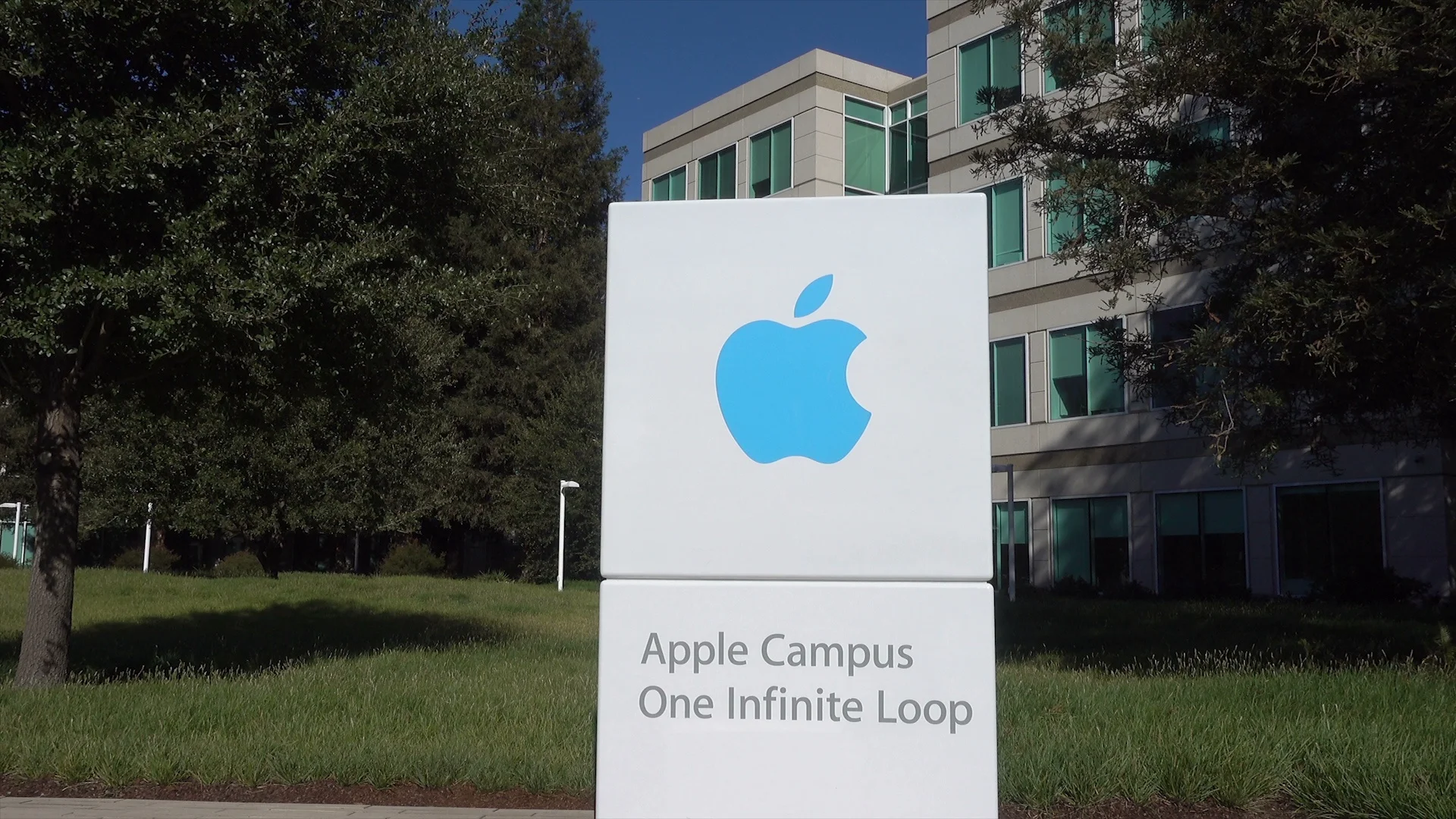
Convergence of Technology and Finance
The intersection of technology and banking defines the modern digital economy. Apple Financial Services India exemplifies this convergence, highlighting how device manufacturers evolve into service providers.
Consumers increasingly expect integrated solutions that simplify daily tasks. By embedding financial capabilities within familiar devices, Apple aims to meet this expectation.
India’s digital ecosystem continues to mature, supported by innovation and regulatory oversight. As discussions unfold, the potential introduction of Apple’s financial services underscores a broader transformation in how technology companies participate in national economies.
A Defining Moment for Digital Transformation
The emergence of Apple Financial Services India marks more than a corporate strategy shift. It symbolizes India’s ascent as a pivotal arena for global digital innovation.
From retail expansion to local manufacturing, Apple’s investments reflect long term commitment. Adding financial capabilities would deepen that engagement and potentially reshape consumer expectations.
As regulators, banks, and technology leaders navigate this evolving landscape, the outcome may influence the next phase of India’s digital transformation. Apple Financial Services India stands at the center of this unfolding narrative, embodying the integration of global expertise with local opportunity.