Child online safety law moves forward in 2026 as Warsaw lawmakers review major digital reforms.
Officials say new measures aim to protect minors from online harm.
Technology firms and privacy advocates raise enforcement concerns.
WARSAW, February 27, 2026 — According to Parliament News, that The child online safety law under consideration in Poland has become one of the most closely watched legislative initiatives of the year. In 2026 Warsaw, lawmakers are evaluating a sweeping proposal designed to strengthen protections for minors navigating digital platforms. The bill, which includes age verification requirements, enhanced content moderation standards, and stricter accountability measures for technology companies, represents a significant step in the evolution of digital governance.
The child online safety law arrives amid mounting concern about how social media, messaging applications, and video platforms influence children’s mental health and development. Officials argue that current frameworks no longer adequately address the risks posed by algorithm driven systems that amplify harmful or addictive content.
Legislative Momentum Builds
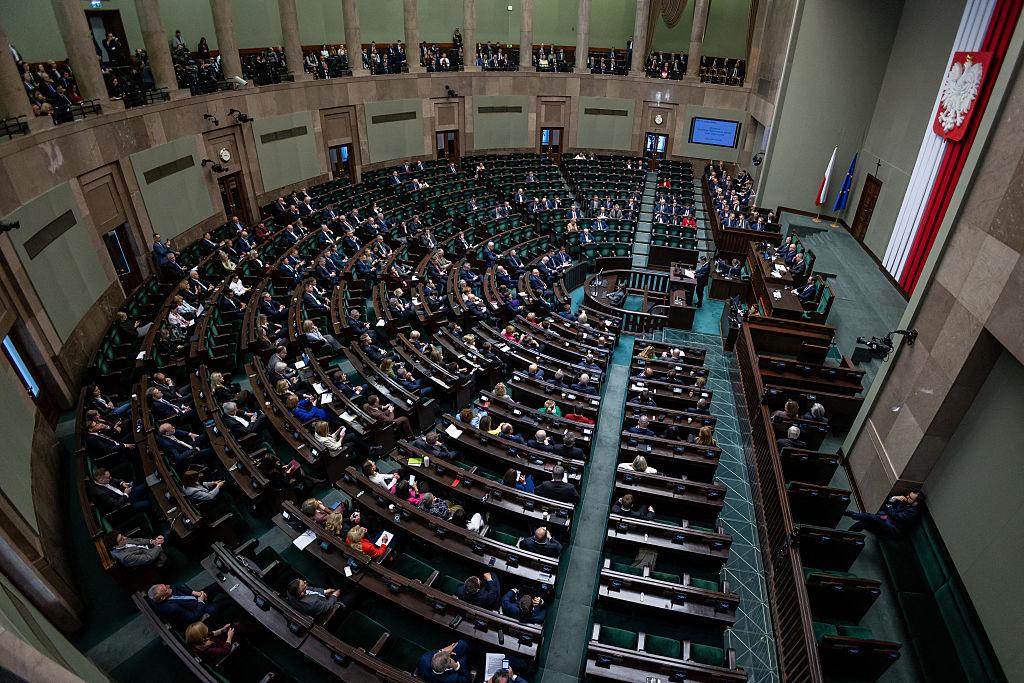
Poland’s parliament began formal debate after months of consultation with educators, cybersecurity experts, pediatric specialists, and technology industry representatives. Supporters of the child online safety law describe it as overdue reform reflecting the realities of a hyper connected generation.
The proposed framework would require platforms operating within Poland to implement robust systems preventing minors from accessing age inappropriate material. It would also mandate public transparency reports detailing how companies mitigate risks to young users.
Lawmakers backing the measure insist that the child online safety law is not designed to suppress digital innovation but to modernize oversight in a rapidly evolving technological environment.
Why Policymakers See Urgency
Government studies show rising reports of cyberbullying, exposure to violent content, and online grooming cases involving minors. Health professionals warn that excessive social media use can exacerbate anxiety, depression, and social isolation among adolescents.
Proponents say the child online safety law responds to these concerns by placing greater responsibility on platform operators rather than solely on families. Officials emphasize that children lack the maturity to navigate complex digital ecosystems without structured safeguards.
Education authorities have also reported growing classroom disruptions linked to online conflicts spilling into school environments. Policymakers argue that preventive regulation may alleviate some of these pressures.
Framework of the Proposed Regulation
The draft legislation outlines a comprehensive compliance model. Platforms would adopt verified age screening systems while redesigning algorithms to minimize exposure to harmful content. Companies would also be required to create simplified reporting tools accessible to young users and parents.
Under the child online safety law, regulators could impose substantial financial penalties for repeated non compliance. Severe violations might trigger temporary operational restrictions.
Technology companies are analyzing how these requirements would integrate with existing European Union digital standards. Legal advisors caution that alignment with broader EU law will be essential for smooth implementation.

Industry Reaction and Economic Considerations
The technology sector represents a significant share of Poland’s growing digital economy. Industry leaders acknowledge the importance of child protection but express concern about compliance complexity.
Executives warn that implementing the child online safety law may increase operational costs, particularly for smaller firms lacking extensive compliance infrastructure. Some companies advocate phased enforcement to allow adequate adaptation.
Economists note that while short term expenses may rise, clearer rules could ultimately foster consumer trust. Transparent safeguards may enhance platform credibility and user confidence.
Voices From Families and Schools
Parental opinion remains divided. Many families welcome the child online safety law as a necessary shield against online harm. Others argue that parental guidance, not government mandate, should remain primary.
Educators largely support stronger guardrails. Teachers report that social media disputes frequently disrupt school environments. They believe structured oversight may reduce the spillover of online conflicts into classrooms.
A digital policy researcher summarized the debate in a single remark:
“Effective protection requires cooperation between lawmakers, platforms, and families rather than relying on any one actor alone.”
The comment reflects broad agreement that shared responsibility is essential.
Privacy and Civil Liberties Concerns
Civil liberties advocates stress that age verification systems must avoid excessive data collection. They caution that poorly designed compliance measures could introduce new privacy risks for minors.
Legal scholars examining the child online safety law emphasize proportionality. Courts may evaluate whether restrictions are narrowly tailored to protect children without infringing on freedom of expression or access to information.
Balancing safety with civil rights remains one of the most challenging aspects of digital policy reform.
European and Global Context
Poland’s initiative mirrors broader European conversations about youth protection in digital spaces. Several EU member states are exploring stricter platform accountability frameworks.
Observers suggest that the child online safety law may serve as a reference point for other governments seeking similar reforms. Coordinated regulatory approaches across Europe could reduce fragmentation and ensure consistent standards.
International organizations have highlighted child welfare in digital environments as a shared global priority. The debate in Warsaw resonates beyond national borders.

Youth Perspectives
Young people themselves have begun participating in consultations. Youth councils and advocacy groups argue that their voices must shape any final framework.
Some teenagers support aspects of the child online safety law if it targets harmful content without limiting creative or educational use. Others worry about losing autonomy in digital spaces central to modern social life.
Experts recommend incorporating youth feedback to improve both legitimacy and practical effectiveness.
Enforcement Challenges
Regulatory agencies would be tasked with overseeing compliance through audits and risk assessments. The child online safety law envisions the creation of a specialized supervisory authority equipped to investigate complaints and issue sanctions.
Implementation complexity remains significant. Platforms must redesign algorithms, reporting systems, and age verification protocols. Smaller startups may face disproportionate burdens.
Clear enforcement guidelines will be crucial to avoid confusion and ensure fairness.
Historic Comparison
Digital governance debates are not new. In the early years of widespread internet adoption, policymakers struggled to regulate online commerce and data privacy. Initial legislation often lagged behind technological innovation, prompting reactive reforms.
Compared to those earlier efforts, today’s child online safety law debate reflects a more proactive approach. Rather than waiting for crises to prompt change, lawmakers are attempting to anticipate digital risks before they escalate further. The scale of online engagement among minors is also far greater than it was two decades ago, intensifying the urgency of regulatory modernization.
Historical precedent demonstrates that technology policy evolves incrementally. Early privacy laws paved the way for comprehensive frameworks. Likewise, youth protection measures introduced now may shape broader digital norms in the years ahead.
Economic and Social Implications
Beyond platform compliance costs, broader economic effects merit consideration. Advertising models targeting younger demographics may require restructuring. Data collection practices could shift significantly.
Socially, the child online safety law may alter how families approach digital engagement. Structured safeguards could reduce parental anxiety, yet they may also prompt debates about personal responsibility.
Researchers emphasize that regulation alone cannot eliminate online harm. Complementary education initiatives remain essential.
International Ripple Effects
Other nations are closely observing Poland’s deliberations. The child online safety law could influence legislative drafts elsewhere in Europe and beyond.
Global technology firms often adjust policies in response to regulatory changes in major markets. Poland’s approach may therefore carry implications extending beyond its borders.
International cooperation on youth digital safety continues to grow, reflecting recognition that online ecosystems transcend national boundaries.

Parliamentary Path Forward
Legislative committees will continue refining language throughout 2026. Amendments may clarify compliance timelines and enforcement thresholds.
If enacted, the child online safety law would likely include phased implementation to allow industry adaptation. Public awareness campaigns may accompany rollout to inform families and educators.
The pace of parliamentary proceedings suggests that final approval could occur before the end of the year, though debate remains active.
Societal Reflection on Digital Responsibility
The ongoing discussion reveals deeper societal questions about the role of technology in childhood. Policymakers increasingly frame digital wellbeing as integral to public health.
The child online safety law symbolizes this shift in perspective. Lawmakers are redefining platform accountability not merely as corporate responsibility but as a societal imperative.
Balancing innovation with protection remains delicate. Legislators must ensure that safeguards do not inadvertently stifle educational or creative digital use.
Long Term Outlook
Looking beyond 2026, the implications of the child online safety law extend to broader digital governance reforms. Structured youth protections may encourage companies to adopt age appropriate design principles globally.
Stakeholders anticipate continued evolution of standards as technology advances. Artificial intelligence driven content moderation, immersive platforms, and emerging communication tools will pose new challenges.
Poland’s legislative effort may mark a pivotal chapter in shaping digital norms for younger generations.
A Defining Moment for Digital Childhood
The debate unfolding in Warsaw underscores a turning point in how societies confront online risk. The child online safety law represents more than regulatory text; it embodies collective recognition that digital spaces profoundly shape childhood experiences.
Lawmakers, families, educators, and industry leaders share responsibility for crafting solutions that protect without isolating. The coming months will test the ability of policymakers to balance competing priorities while maintaining democratic principles.
As 2026 progresses, the outcome of this legislative process will signal how Poland and potentially Europe envision the future of digital childhood. Decisions made now may define online experiences for millions of young users for years to come.