The AI hardware market is expanding rapidly in 2026 as San Francisco technology leaders increase investment in advanced AI chips and data center infrastructure.
Rising enterprise demand, global competition, and semiconductor innovation are reshaping how artificial intelligence systems are built and deployed worldwide.
Industry analysts say sustained growth in AI infrastructure signals a long term transformation of the global computing economy.
San Francisco, February 28, 2026 — According to Parliament News, that The AI hardware market is expanding at a pace that few technology analysts predicted just five years ago. From hyperscale data centers in Northern California to advanced chip fabrication plants overseas, demand for high performance processors built specifically for artificial intelligence workloads continues to accelerate.
In 2026, the AI hardware market has moved from a specialized semiconductor niche into a strategic pillar of the global economy. Companies are no longer asking whether they need AI infrastructure. They are asking how fast they can scale it.
The transformation is visible across Silicon Valley. Engineers are working on denser chip architectures, improved memory bandwidth, and faster interconnect systems. Investors are channeling billions into research, manufacturing, and new startup ventures. Enterprises are rethinking their IT budgets around machine learning capabilities.
This is not simply a tech trend. It is an economic shift.
Rapid Demand from Enterprise AI Adoption
The first major driver behind this growth is enterprise adoption. Corporations across healthcare, finance, logistics, and retail are embedding AI into daily operations. Predictive analytics, automated customer support, supply chain optimization, and fraud detection systems all require substantial computing power.
As organizations deploy larger models and process more real time data, the AI hardware market benefits directly. Traditional CPUs cannot efficiently handle the matrix computations required for modern neural networks. Specialized GPUs and AI accelerators have become essential.
Executives describe the shift as necessary rather than optional. AI tools are increasingly tied to productivity and competitiveness. Businesses that delay infrastructure upgrades risk falling behind.
In boardrooms across San Francisco, AI investment is no longer framed as experimentation. It is framed as survival.
Data Centers Redefined for AI Workloads
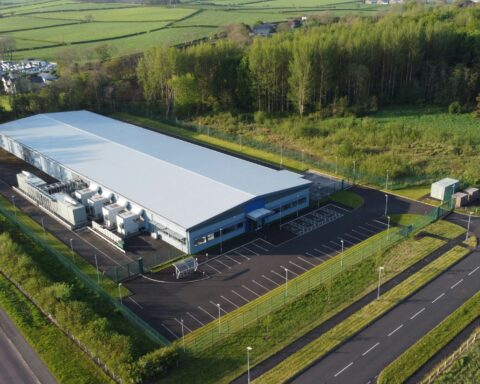
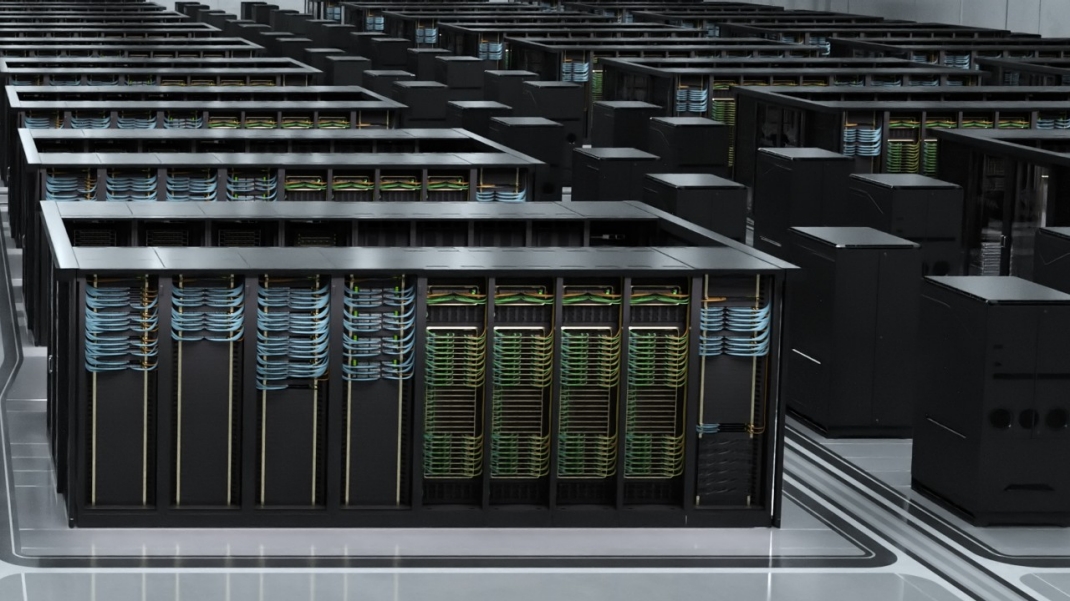
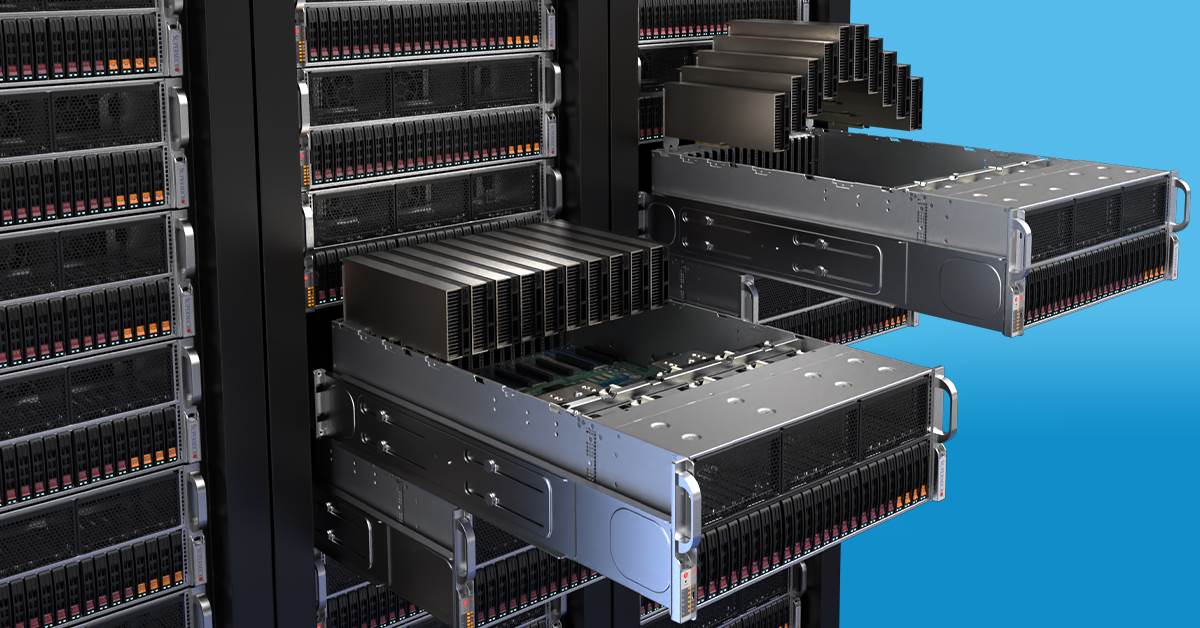
The structure of data centers is evolving rapidly. Instead of racks optimized for general purpose computing, facilities are being redesigned around clusters of high performance accelerators.
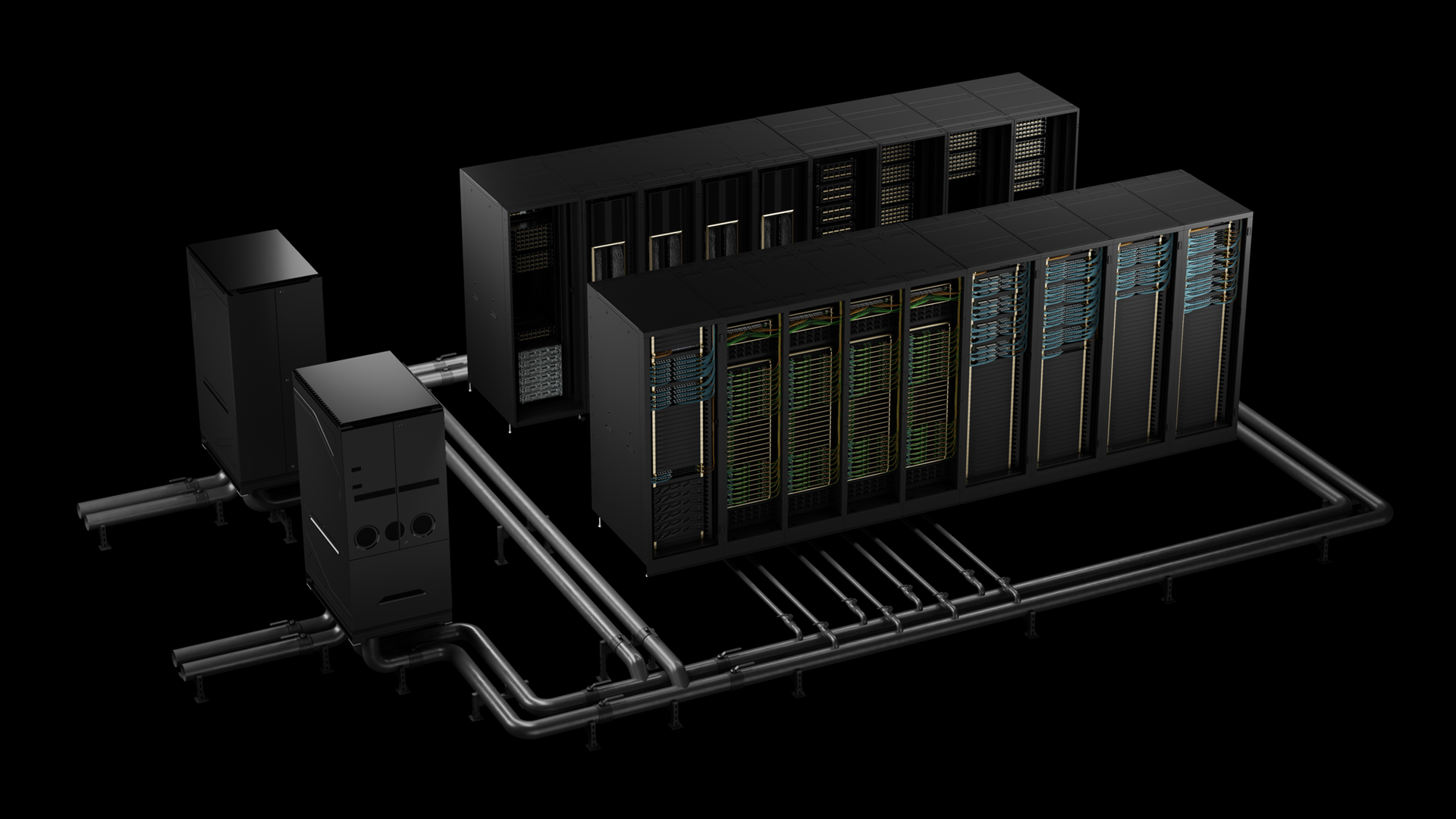
The AI hardware market has influenced cooling technologies, networking layouts, and power distribution systems. AI clusters consume significantly more electricity than conventional servers. As a result, operators are investing in advanced liquid cooling and high efficiency power supplies.
Cloud providers have also expanded AI specific offerings. Enterprises that cannot afford to build in house infrastructure can rent access to massive GPU clusters. This shared model spreads adoption even further.
In 2026, the AI hardware market is shaping the physical blueprint of modern computing facilities.
Capital Investment Reaches Historic Highs
Financial markets reflect strong confidence in continued expansion. Semiconductor companies linked to AI infrastructure have seen elevated valuations, while venture capital firms compete to back emerging chip startups.
Large technology firms are investing heavily in custom silicon to differentiate services. Governments are allocating funding to domestic manufacturing to reduce supply chain dependence.
The AI hardware market attracts capital not only because of current demand but because of long term expectations. Analysts forecast multi year growth as artificial intelligence integrates deeper into daily life.
Investors view this infrastructure as foundational, similar to telecommunications networks or cloud computing during earlier growth cycles.
Innovation in Chip Architecture
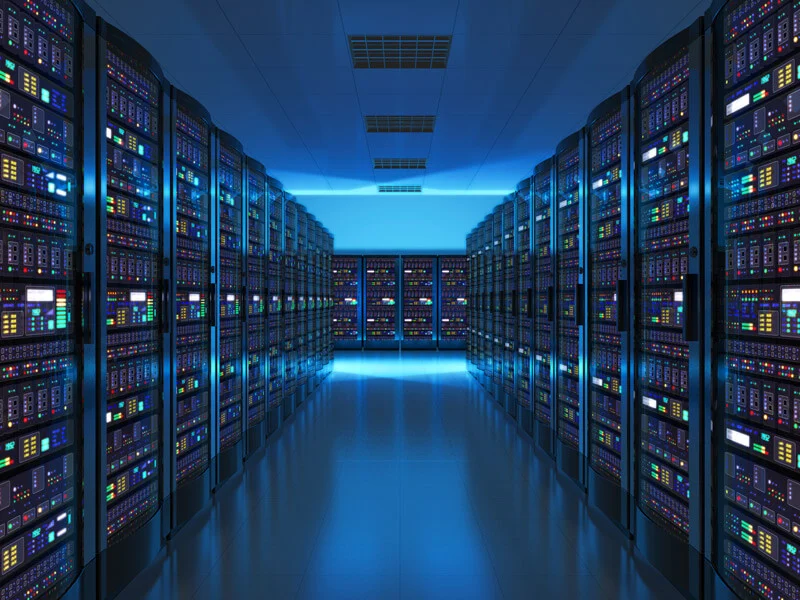
Performance improvements are not solely about adding more cores. Engineers are exploring architectural redesigns that prioritize AI specific workloads.
Advancements include improved memory stacking, faster interconnect technologies, and enhanced parallel processing capabilities. Companies are also experimenting with specialized inference chips optimized for deployment rather than training.
The AI hardware market is increasingly defined by efficiency gains. Reducing latency while increasing throughput has become a key objective.
Energy consumption is another focal point. As models expand, power requirements escalate. New chip designs aim to deliver more performance per watt, lowering operational costs for data center operators.
Historic Comparison The Semiconductor Revolution Revisited
The current momentum echoes earlier periods of transformation. During the personal computer boom of the 1980s and the smartphone revolution of the 2000s, semiconductor demand surged in waves that reshaped industries.
Today, the AI hardware market occupies a similar inflection point. In past eras, hardware innovation enabled new consumer behaviors. Now, advanced processors are enabling machine learning systems that can generate content, analyze patterns, and support decision making.
Unlike previous cycles, however, the impact extends beyond consumer electronics. Artificial intelligence touches healthcare diagnostics, autonomous transportation, climate modeling, and national defense systems.
This scale of influence suggests the present expansion may rival or exceed previous semiconductor revolutions.
Global Competition Intensifies
The competitive landscape is no longer confined to Silicon Valley. Nations across Asia and Europe are investing aggressively in semiconductor independence.
Manufacturing advanced chips requires cutting edge fabrication processes and highly specialized equipment. Access to these resources has become strategically significant.
The AI hardware market therefore intersects with geopolitical policy. Trade agreements, export regulations, and research collaborations influence supply chain stability.
While San Francisco remains an innovation hub, the broader ecosystem spans continents. Collaboration and competition coexist in a delicate balance.
Sustainability and Energy Pressures
As artificial intelligence workloads grow, so does concern about environmental impact. Training large models can require enormous electricity consumption.
Participants in the AI hardware market are responding with more efficient designs and smarter resource management systems. Data centers increasingly integrate renewable energy sources to offset demand.
Sustainability is not simply a public relations objective. Energy efficiency translates directly into cost savings. Enterprises seek infrastructure that balances performance with responsible consumption.
This emphasis on efficiency may shape future research priorities as strongly as raw processing speed.
The Human Dimension of AI Infrastructure
Behind every chip design and data center expansion are people. Engineers, researchers, policy makers, and investors all contribute to the ecosystem.
Workforce development programs aim to prepare talent for increasingly specialized semiconductor roles. Universities collaborate with technology companies to accelerate research breakthroughs.
One industry analyst summarized the moment by saying,
“The AI hardware market is not just about faster processors, it is about building the backbone of the next industrial era.”
That perspective captures the human element often overshadowed by technical metrics.
Broader Economic Implications
The ripple effects extend beyond technology firms. Construction companies benefit from new data center builds. Energy providers see rising demand. Logistics networks transport advanced components across global supply chains.
The AI hardware market influences employment trends, regional development, and educational priorities. Cities hosting major facilities experience economic growth tied to infrastructure expansion.
Financial institutions also adjust risk models based on anticipated AI driven productivity gains. In many ways, advanced computing has become an economic multiplier.
Risks and Volatility
Despite optimism, uncertainties remain. Semiconductor production is capital intensive and sensitive to supply disruptions. Economic slowdowns could delay enterprise upgrades.
Regulatory frameworks may also shape growth trajectories. Governments balancing innovation with oversight face complex policy decisions.
The AI hardware market must navigate these uncertainties while sustaining momentum. Industry leaders emphasize resilience and diversified supply chains as critical safeguards.
Looking Ahead to 2030 and Beyond
Forecasts suggest continued expansion throughout the decade. Artificial intelligence applications are expected to grow more sophisticated, requiring even more advanced processing capabilities.
Emerging technologies such as edge computing and autonomous systems will further expand infrastructure requirements. Startups continue exploring novel chip materials and architectures that could redefine performance benchmarks.
The AI hardware market is evolving from rapid growth into structural permanence. It is becoming embedded in how societies communicate, innovate, and compete.
In 2026, San Francisco stands at the center of this transformation. But the impact is global. Advanced processors designed today will power tomorrow’s breakthroughs in medicine, transportation, finance, and scientific discovery.
The story unfolding is not merely about silicon and circuitry. It is about the infrastructure that supports human creativity and machine intelligence working together.
As innovation accelerates, the AI hardware market remains both catalyst and cornerstone of the digital era.