

Chile lithium industry records a strong 2026 rebound as profits surge in Santiago.
Rising electric vehicle demand and stabilizing lithium prices fuel sector growth.
Analysts say Chile remains central to the global battery supply chain expansion.
Santiago, Chile, February 28, 2026 — According to Parliament News, that The Chile lithium industry is entering a renewed phase of growth following a significant fourth quarter profit surge that signals strengthening global demand and improving pricing conditions. After navigating volatility in recent years, producers are once again demonstrating resilience in a market increasingly shaped by electrification and energy transition goals.
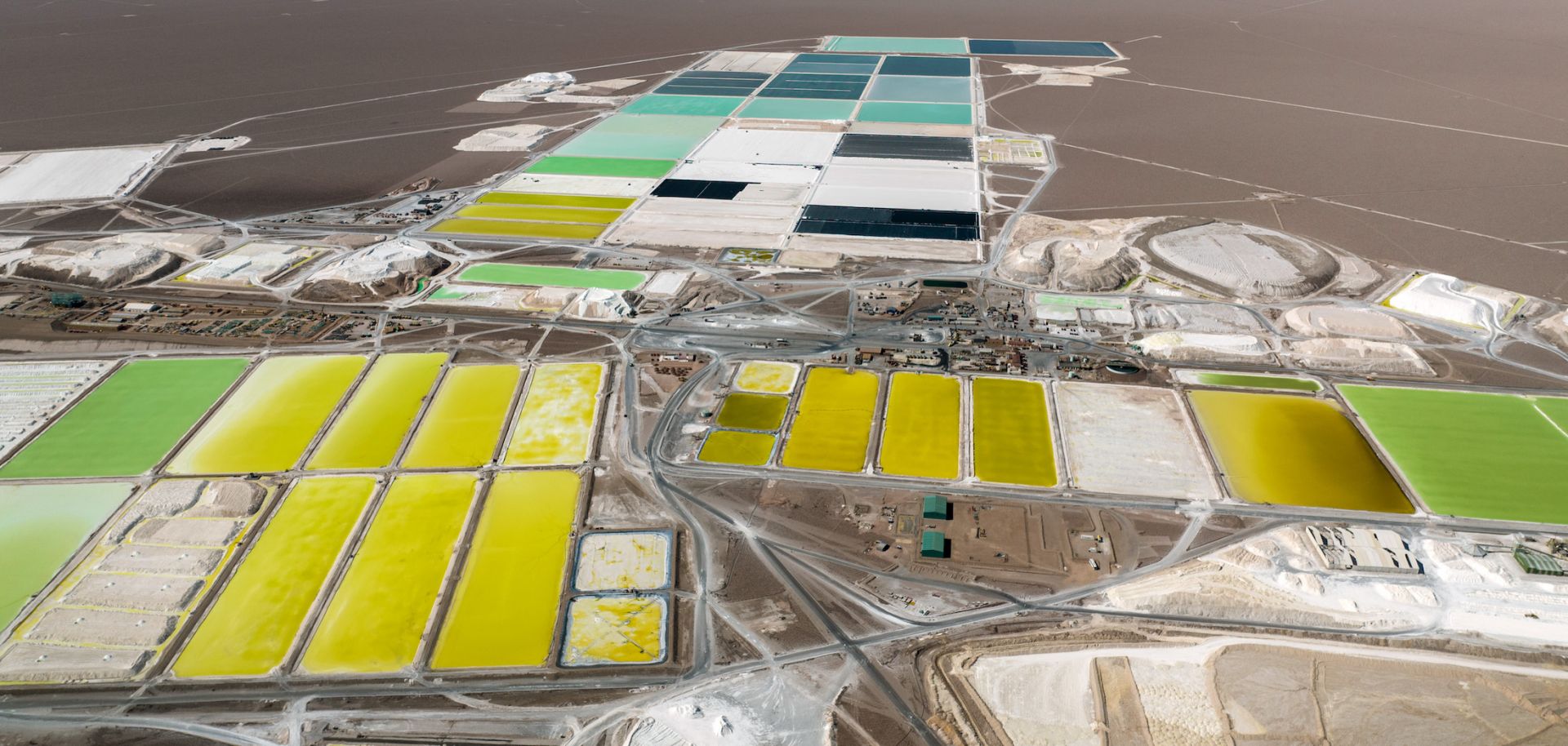
Executives and analysts describe the rebound as more than a short term improvement. It reflects a broader stabilization of lithium markets, where supply adjustments and disciplined production strategies are restoring balance. For Chile, whose desert salt flats hold some of the richest lithium reserves in the world, the renewed profitability reinforces its position as a cornerstone of global battery supply chains.
Fourth Quarter Earnings Mark Turning Point
The latest financial data show that companies operating within the Chile lithium industry recorded a 53 percent jump in fourth quarter profits compared with the previous year. Revenue growth was supported by steady export volumes and firmer lithium carbonate pricing toward the end of the year.
Earlier volatility had forced producers to reassess expansion plans and manage inventories more cautiously. That restraint now appears to be paying dividends. By focusing on operational efficiency and cost control, producers were able to protect margins even as global markets recalibrated.
Industry observers say the earnings rebound demonstrates that lithium remains a structurally strong commodity despite periodic corrections. Demand from electric vehicle manufacturers and renewable energy storage providers continues to anchor long term growth expectations.
Global Demand Anchored in Electrification
Electric vehicles remain the most visible driver of lithium consumption. Governments worldwide are setting aggressive targets for phasing out combustion engines, pushing automakers to scale production of battery powered models. This shift has kept lithium demand on an upward trajectory.
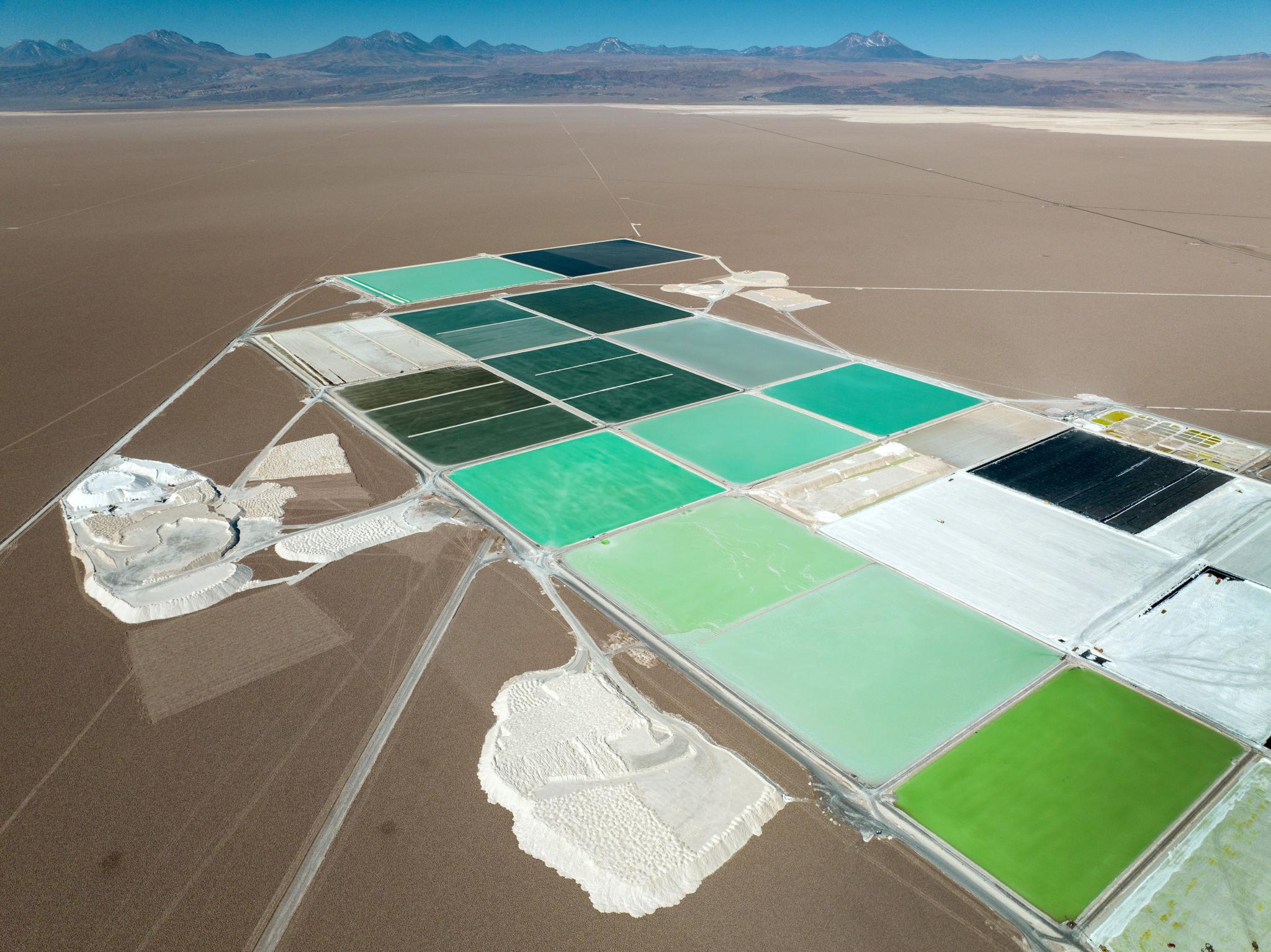
The Chile lithium industry plays a central role in meeting that demand. With established brine extraction facilities in the Atacama Desert, Chile supplies high quality lithium carbonate to battery manufacturers across Asia, Europe, and North America.
Beyond transportation, renewable energy systems increasingly rely on large scale battery storage. Solar and wind installations require reliable storage capacity to balance fluctuating power generation. Lithium based batteries provide that stability, reinforcing demand across multiple sectors.
As one senior executive noted during an earnings briefing,
“Our responsibility is not just to produce lithium but to do so responsibly and consistently in a world that depends on reliable energy solutions.”
Pricing Stabilization Improves Margin Visibility
Lithium prices experienced dramatic swings over the past two years. Rapid demand growth had driven prices to record highs before market corrections triggered declines. The recent quarter, however, showed signs of stabilization.
For companies within the Chile lithium industry, steadier pricing has restored confidence in planning and investment decisions. Producers are now better positioned to forecast revenues and allocate capital strategically.
Analysts caution that commodity cycles remain unpredictable, but they emphasize that structural demand trends favor long term growth. As electric vehicle adoption accelerates globally, lithium’s strategic importance continues to expand.
Operational Strength in the Atacama Desert
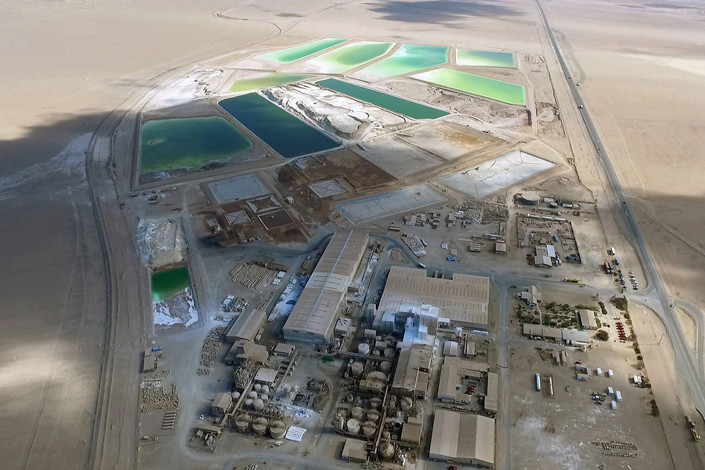
Chile’s Salar de Atacama remains one of the most productive lithium brine regions in the world. The unique geology allows for cost effective extraction through evaporation processes that concentrate lithium from brine deposits.
Decades of operational experience give the Chile lithium industry a competitive advantage. Established infrastructure, skilled labor, and export logistics networks contribute to efficiency and reliability.
At the same time, environmental stewardship remains a top priority. Water usage and ecosystem preservation are central concerns in desert regions. Producers are investing in advanced monitoring technologies and exploring direct extraction methods to minimize environmental impact.
Balancing economic opportunity with ecological responsibility is a defining challenge for the sector. Policymakers and community leaders continue engaging with industry representatives to ensure sustainable growth.
Government Policy and Strategic Resource Management
Lithium is considered a strategic mineral in Chile. Government oversight aims to maximize national benefit while encouraging foreign investment and technological innovation.
Recent policy discussions have focused on expanding state participation in lithium projects while maintaining competitive market conditions. The Chile lithium industry operates under regulatory frameworks designed to promote transparency, environmental compliance, and community engagement.
Investors closely monitor policy developments, as regulatory clarity is essential for long term capital commitments. So far, Chile’s balanced approach has preserved investor confidence while reinforcing national sovereignty over critical resources.
International Competition and Market Position
While Chile remains a leading producer, global competition is intensifying. Australia’s hard rock mining operations and emerging projects in Argentina and China contribute to expanding supply.
Despite this competition, the Chile lithium industry retains strong advantages due to high grade brine deposits and established export relationships. Cost efficiencies derived from natural resource advantages support profitability even during market downturns.
Industry consolidation may become more common as smaller producers struggle with capital constraints. Larger, experienced operators are better equipped to manage volatility and invest in technological upgrades.
Investment Trends and Capital Allocation
Following the profit rebound, producers are reassessing expansion projects that had been delayed during price corrections. Capital expenditures are likely to focus on efficiency improvements and selective capacity increases.
The Chile lithium industry must balance growth ambitions with financial discipline. Overexpansion during periods of high prices can lead to oversupply and renewed volatility. Executives appear mindful of this risk, emphasizing steady, measured development strategies.
Institutional investors increasingly view lithium as a long term theme tied to decarbonization. That perspective has contributed to renewed capital inflows following the recent earnings improvement.
Community Impact and Regional Development
Lithium mining plays a significant role in northern Chile’s regional economy. Employment opportunities, infrastructure investments, and supplier contracts support local communities.
The Chile lithium industry contributes substantially to national export revenues, strengthening fiscal capacity for public investment. However, community stakeholders also expect equitable distribution of economic benefits and environmental safeguards.
Educational initiatives, local hiring programs, and sustainability partnerships aim to foster long term social stability alongside industrial growth.
Environmental Innovation and Technological Advancement
Sustainability pressures are reshaping mining practices worldwide. Producers in Chile are exploring new technologies to reduce water consumption and carbon emissions associated with lithium extraction.
Direct lithium extraction methods are under development, offering potential improvements in efficiency and environmental performance. If successfully implemented at scale, such innovations could redefine industry standards.
The Chile lithium industry recognizes that long term competitiveness depends not only on resource abundance but also on technological leadership and responsible management.
Historic Comparison
Looking back, Chile’s lithium production has evolved dramatically over the past two decades. In the early 2000s, global lithium demand was primarily linked to consumer electronics such as laptops and mobile phones. Production volumes were modest compared with today’s output levels.
The rapid rise of electric vehicles transformed the landscape. By the mid 2010s, battery demand had accelerated, prompting expansion across the Chile lithium industry. Price spikes during the late 2010s and early 2020s reflected the speed of this transformation.
Today’s environment differs from earlier boom cycles. Market participants are more cautious, regulatory frameworks are more developed, and sustainability standards are higher. This maturity suggests a more stable foundation for long term growth compared with previous commodity surges.
Trade Relations and Global Supply Chains
Chile’s export oriented lithium sector relies on stable trade relationships. Agreements with Asian battery manufacturers and European automakers underpin revenue streams.
Currency fluctuations and geopolitical tensions can influence competitiveness. However, Chile’s reputation as a reliable supplier strengthens its position in global supply chains.
The Chile lithium industry continues to diversify its customer base, reducing exposure to regional demand fluctuations.
Outlook for the Remainder of 2026
Market analysts expect continued demand growth throughout 2026, though price volatility may persist. Electric vehicle sales projections remain strong, supported by government incentives and technological advancements.
Producers within the Chile lithium industry are likely to prioritize operational efficiency while cautiously evaluating new capacity expansions. Environmental oversight and community engagement will remain central to long term strategy.
If global electrification trends continue, Chile’s role as a strategic lithium supplier is poised to expand further.
A Strategic Resource at the Center of Global Change
The recent profit surge underscores the resilience and adaptability of the Chile lithium industry. From the salt flats of the Atacama Desert to battery factories across continents, Chile’s lithium connects local communities to global energy transformation.
As demand for cleaner transportation and renewable energy storage grows, lithium’s importance will only deepen. The sector’s ability to balance economic growth, environmental responsibility, and social engagement will define its legacy in the decades ahead.
For now, the strong fourth quarter results signal renewed confidence and momentum. The Chile lithium industry stands not only as a pillar of national economic strength but also as a critical contributor to the world’s transition toward a more sustainable future.