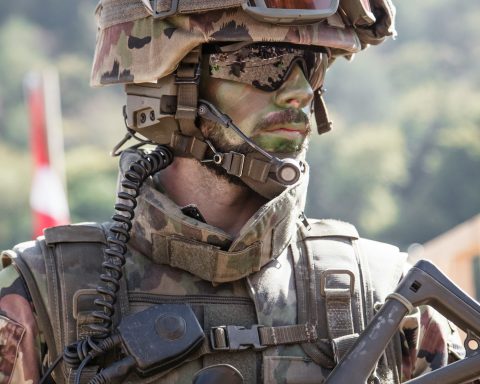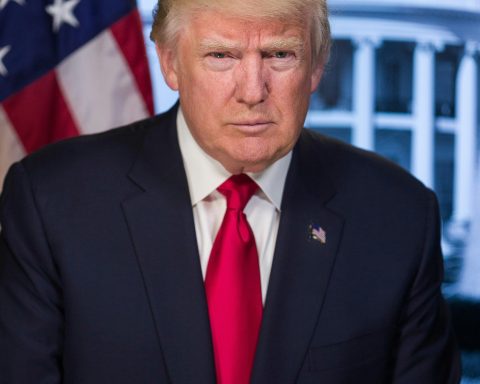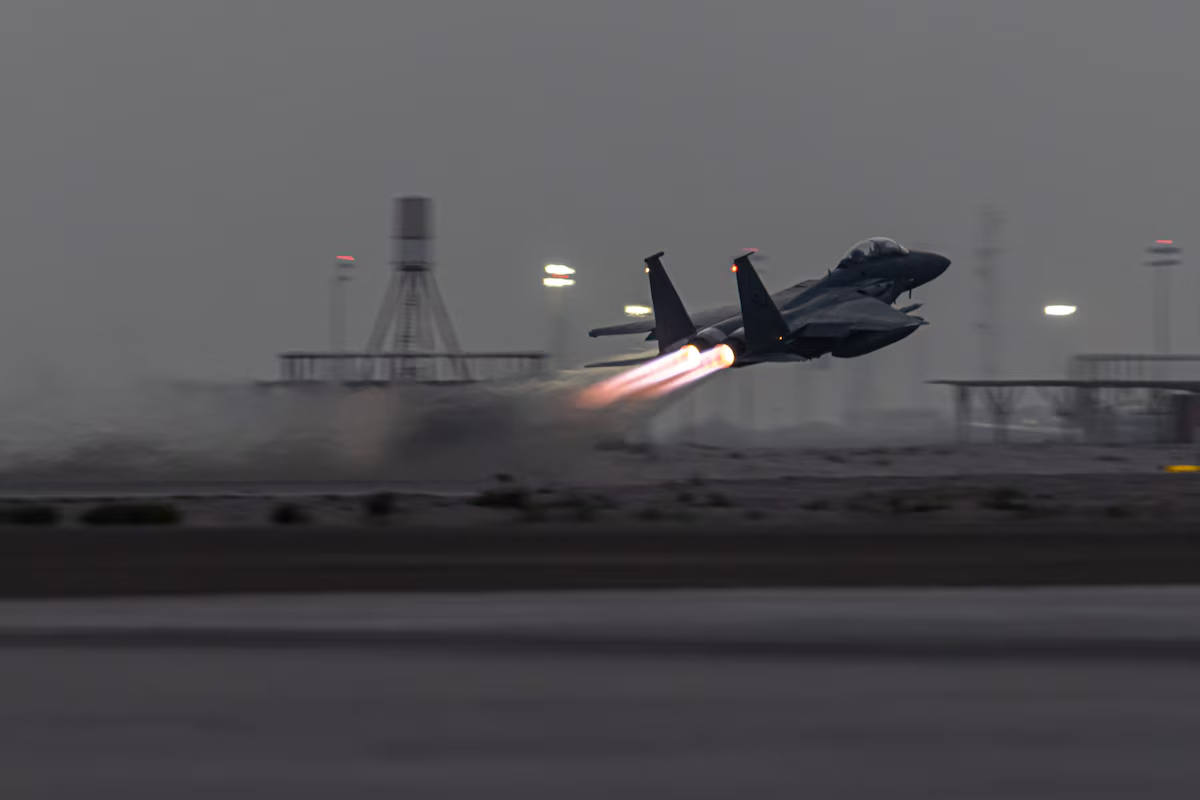
US military strikes Middle East targets in 2026 as Washington confirms a limited but decisive operation.
Officials say the action was aimed at neutralizing immediate threats while avoiding wider conflict.
Global markets, regional governments, and diplomatic leaders respond to rising tensions.
Washington, United States, February 28, 2026 — According to Parliament News, that US military strikes Middle East targets in what defense officials are calling a focused and calculated operation aimed at protecting national security interests and allied stability. The announcement came after late night briefings at the Pentagon, where senior officials outlined the objectives behind the action without disclosing sensitive operational details.
According to defense sources, the strikes were conducted using precision guided munitions and advanced intelligence coordination. Officials stressed that the operation was limited in scope and intended to degrade specific capabilities rather than trigger a broader regional confrontation.
The development immediately drew international attention. Diplomats across Europe and Asia began emergency consultations, while energy markets reacted to the possibility of prolonged instability. For many observers, the announcement marked a pivotal moment in 2026 geopolitical dynamics.
Strategic Calculations Behind the Decision
Security analysts suggest that the decision to authorize US military strikes Middle East operations followed months of escalating intelligence assessments. Drone incidents, missile transfers, and proxy activity reportedly contributed to heightened concern within US defense circles.
Officials indicated that the operation was designed to send a clear signal of deterrence. Military planners evaluated potential consequences, including retaliatory scenarios and diplomatic fallout. Ultimately, the administration concluded that a measured response was necessary to prevent further destabilization.
The timing also reflects broader strategic recalibrations in the region. Washington has repeatedly emphasized its commitment to allied defense partnerships while balancing diplomatic outreach.
Pentagon Briefing and Operational Scope
During a press briefing, a senior defense official addressed reporters and outlined the mission’s framework.
“Our actions were deliberate, proportionate, and aimed at neutralizing imminent threats while minimizing civilian risk,”
the official stated.
The quote underscored the administration’s emphasis on precision and restraint. While exact target locations were not publicly disclosed, officials confirmed the involvement of air and naval assets positioned strategically in the region.
When US military strikes Middle East infrastructure, the objective typically centers on degrading specific capabilities without expanding into prolonged engagement. Defense analysts note that advanced surveillance systems and satellite intelligence likely played a central role in the planning process.
Regional Governments Respond
Across the region, leaders reacted with a mix of caution and concern. Some allied governments expressed understanding, citing shared security priorities. Others urged immediate de escalation, warning that cycles of retaliation could spiral quickly.
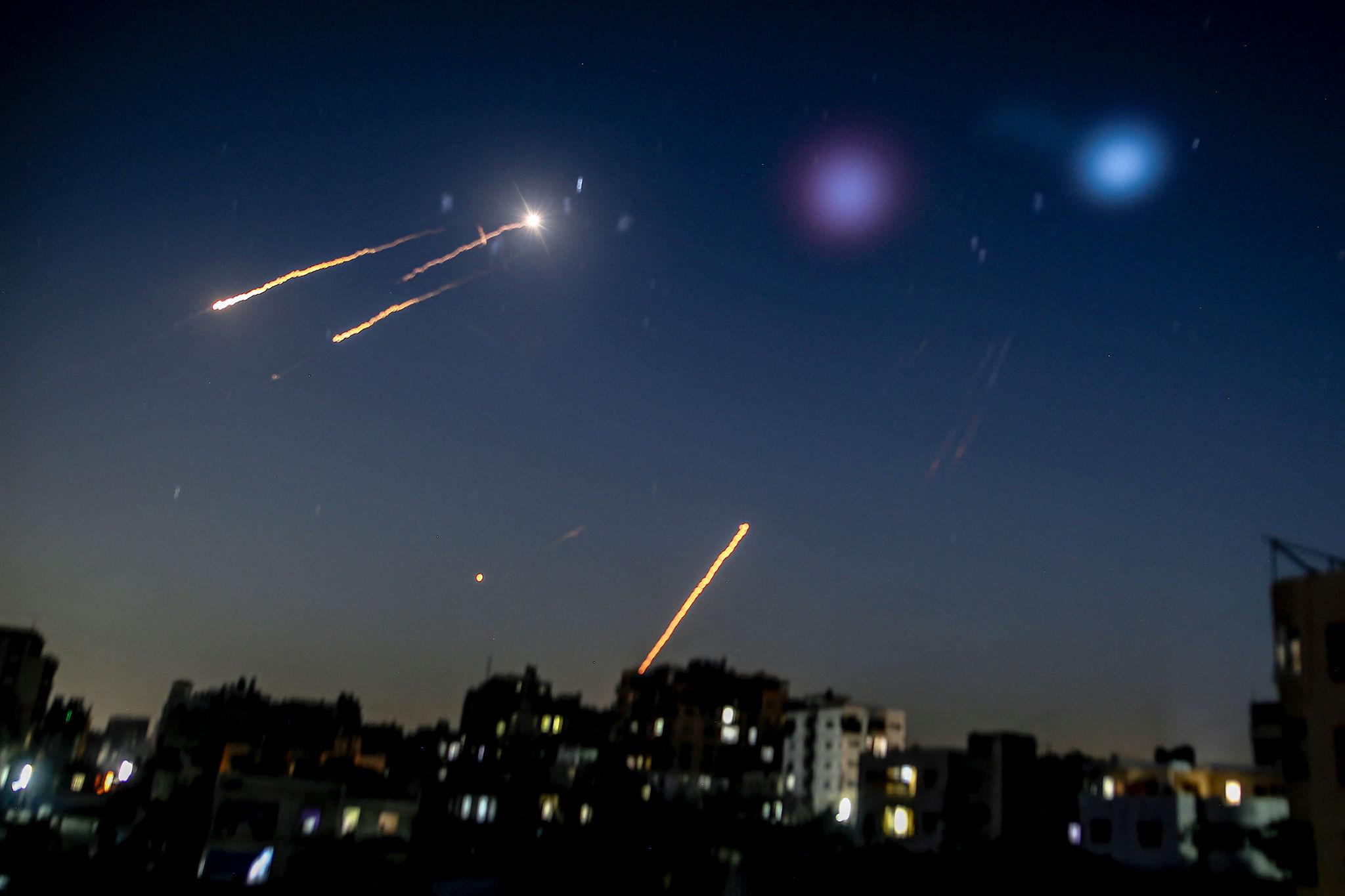
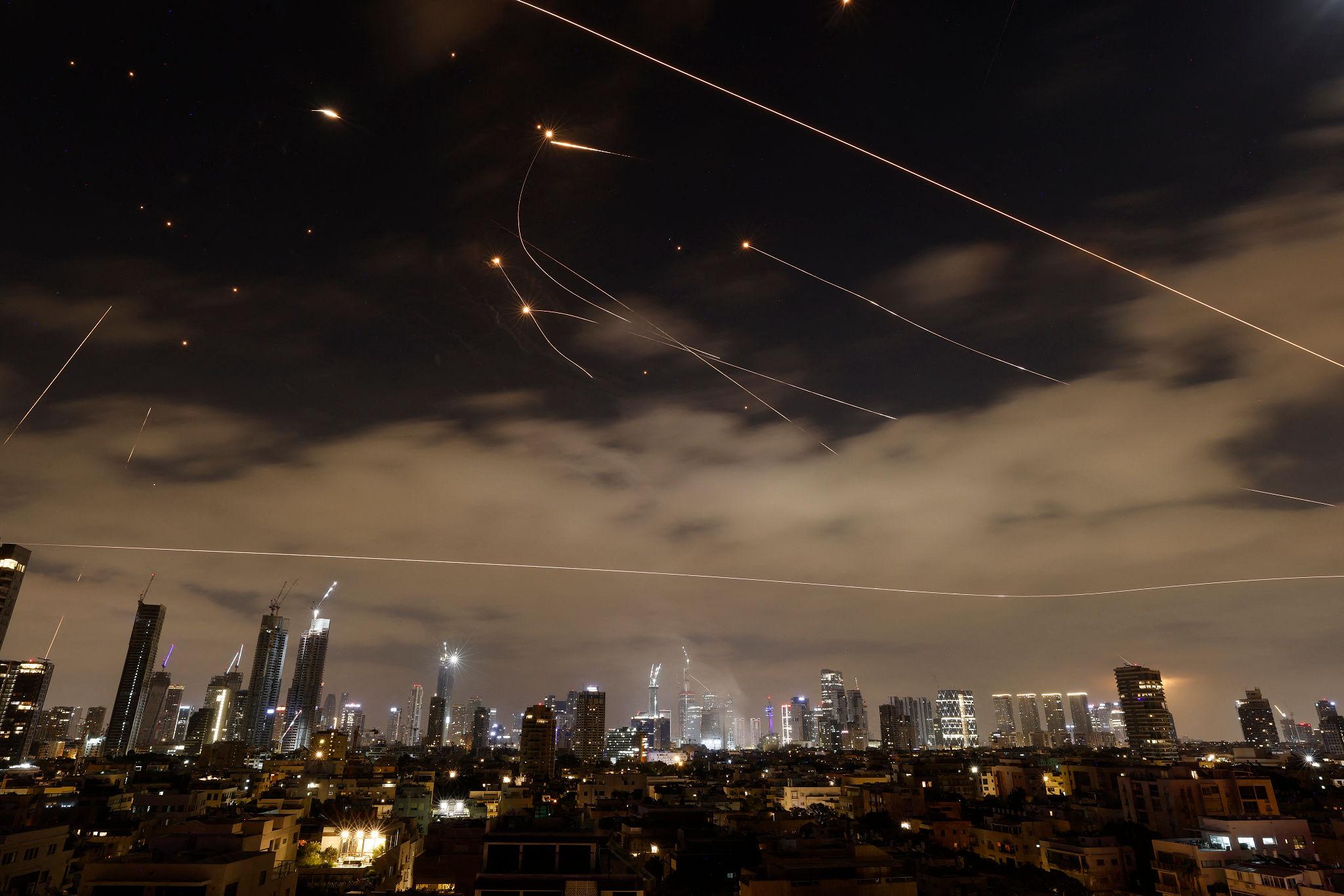
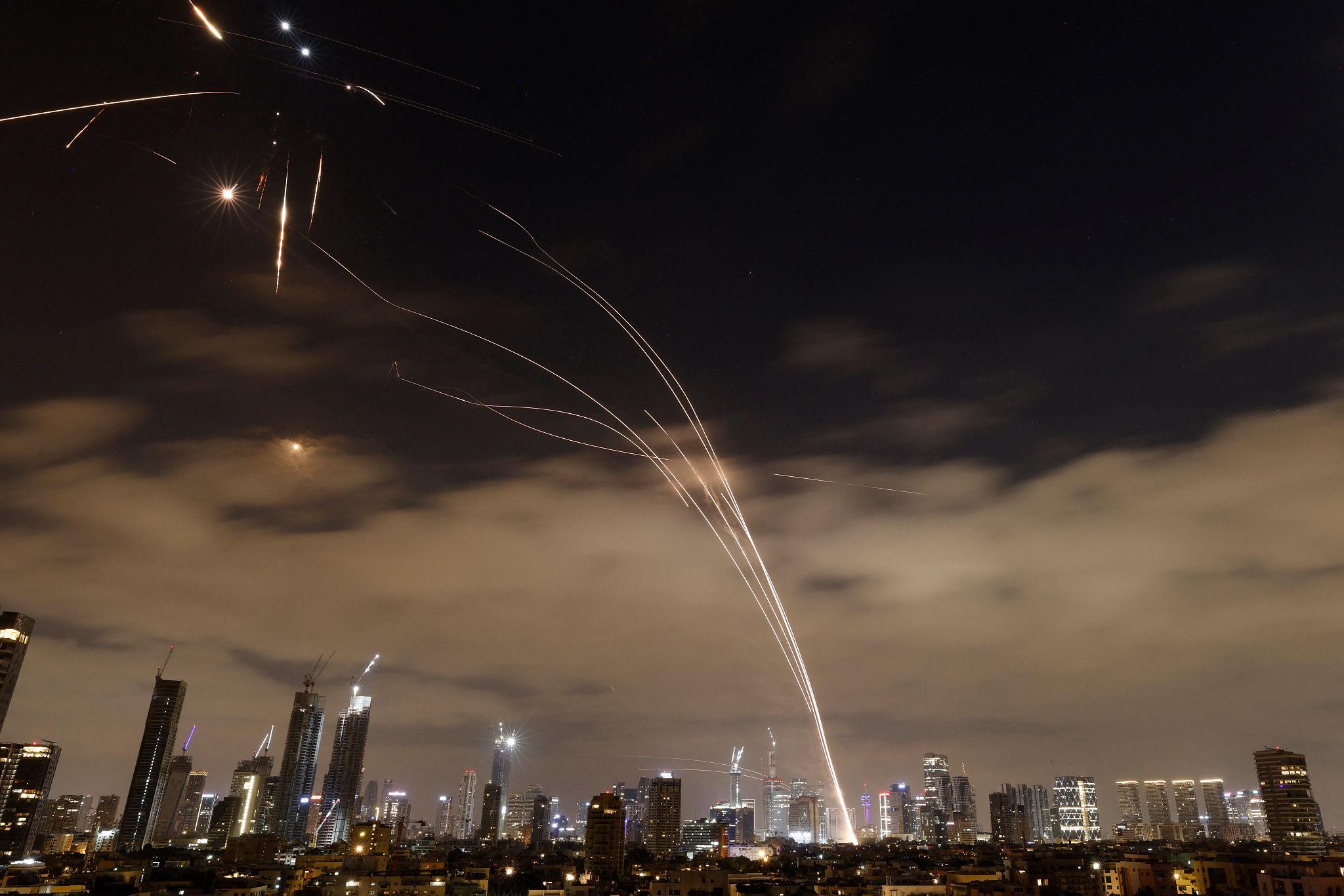
Whenever US military strikes Middle East positions, neighboring states elevate security readiness levels. Air defense systems are activated, intelligence coordination intensifies, and diplomatic channels remain open to prevent unintended escalation.
Public reactions vary widely across the region. In some capitals, demonstrations emerged both supporting and condemning the action. Governments are closely monitoring domestic sentiment while balancing international obligations.
Energy Markets and Financial Volatility
The economic impact was swift. Oil prices rose sharply in early trading sessions, reflecting concerns about potential supply disruptions. Traders cited geopolitical risk premiums as investors moved toward safe haven assets.
Financial analysts emphasize that US military strikes Middle East developments often trigger immediate market responses, particularly in energy sectors. Insurance rates for maritime shipping routes may increase if tensions persist.
Currency markets showed volatility, while defense related stocks experienced upward movement. Economists caution that prolonged instability could influence inflation trends globally if energy costs remain elevated.
Diplomatic Channels Remain Active
Despite the military action, diplomatic engagement continues behind the scenes. International mediators are working to maintain open lines of communication between all involved parties.
The United Nations called for restraint and renewed dialogue. European leaders convened emergency meetings to coordinate their approach. Major global powers emphasized the importance of avoiding broader conflict.
While public statements project firmness, history demonstrates that quiet diplomacy often accompanies military decisions. Officials indicated that communication with regional partners remains ongoing.
Domestic Debate in Washington
On Capitol Hill, lawmakers requested classified briefings to review the legal and strategic basis for the operation. Questions about executive authority and long term implications surfaced during committee discussions.
Public opinion reflects a divided landscape. Some Americans view the operation as necessary to protect national interests, while others express concern about deeper entanglement in regional disputes.
When US military strikes Middle East targets, domestic political discourse often intensifies, especially regarding transparency and oversight.
Potential Retaliation Scenarios
Security experts warn that retaliatory responses cannot be ruled out. Regional actors possess both conventional missile capabilities and asymmetric tools such as cyber operations.
Defense officials have reinforced protective measures for personnel and installations. Naval assets and air defense systems remain on alert status.
The risk of escalation hinges on proportionality. Analysts suggest that measured diplomatic engagement could reduce the likelihood of broader confrontation.
Human Dimension of Escalation
Beyond strategic calculations, civilians across the region face uncertainty. Families monitor news updates, businesses adjust operations, and humanitarian groups assess potential needs.
When US military strikes Middle East facilities, even limited actions can create psychological strain. Travel advisories are issued, and contingency planning intensifies.
Relief organizations remain prepared to respond should displacement or infrastructure disruptions occur.
Historic Comparison
Looking back at prior decades, instances of US military strikes Middle East operations have occurred under varying circumstances. From targeted counterterrorism campaigns to retaliatory airstrikes, each episode carried distinct objectives and consequences.
Historical comparisons reveal that outcomes depend heavily on diplomatic follow through. In some cases, limited strikes reinforced deterrence without prolonged conflict. In others, escalation cycles expanded beyond initial expectations.
Military historians emphasize that strategic clarity and proportional response are key factors influencing long term stability.
Global Power Dynamics
The broader geopolitical implications extend beyond immediate borders. Major powers are carefully observing how US military strikes Middle East developments may influence alliance structures.
China and Russia issued statements urging restraint. Analysts interpret these responses within the context of global strategic competition.
Allied nations are reassessing defense coordination and intelligence sharing frameworks. The episode may accelerate regional security realignments.
Information Warfare and Cyber Risks
Modern conflict increasingly involves digital dimensions. Experts warn that cyber operations could accompany physical military actions.
Critical infrastructure networks remain on heightened alert. Governments are reinforcing cybersecurity protocols to guard against potential retaliation.
Information campaigns and online narratives are also shaping public perception, adding complexity to diplomatic efforts.
Economic Outlook Beyond Energy
While oil markets dominate headlines, other sectors may also feel ripple effects. Airlines, shipping companies, and tourism industries are monitoring developments closely.
Investor sentiment often shifts during geopolitical tension. Central banks may evaluate potential policy adjustments if volatility persists.
Economists highlight the interconnected nature of global supply chains, which amplify the impact of regional instability.
Media Coverage and Public Awareness
News outlets worldwide have provided continuous updates. Analysts appear on television panels dissecting implications and forecasting next steps.
Social media platforms amplify both verified information and speculation, underscoring the importance of credible reporting.
Public awareness has intensified, with many citizens seeking clarity on how developments may affect travel, energy costs, and security.
Military Readiness and Forward Positioning
Defense officials confirmed that additional precautionary measures have been implemented. Air and naval assets remain strategically positioned to respond to evolving circumstances.
When US military strikes Middle East targets, readiness protocols typically include reinforcement of defensive systems and intelligence monitoring.
The emphasis remains on deterrence rather than expansion.
Diplomatic Balancing Act
Maintaining stability requires balancing strength with dialogue. Officials continue outreach efforts to allied governments and regional stakeholders.
Back channel negotiations may prove critical in shaping the next phase. Diplomatic envoys are working to prevent misunderstandings that could fuel escalation.
International institutions play a supportive role in facilitating communication.
The Road Ahead for 2026
As 2026 unfolds, policymakers face complex choices. The immediate objective appears to be restoring deterrence while avoiding wider conflict.
Whether US military strikes Middle East actions remain contained depends largely on responses in the coming days. Markets, governments, and citizens alike are watching closely.
Strategists argue that clear communication and measured restraint will be essential to stabilizing the situation.
When Strategy and Stability Intersect
Moments like these often reshape global power dynamics in ways that are not immediately visible. As US military strikes Middle East operations unfold, they highlight the fragile line between protecting national security and maintaining diplomatic equilibrium. Each decision carries weight not only on the battlefield but also in international negotiation rooms where long term stability is shaped.
In the weeks ahead, the impact of US military strikes Middle East actions will become clearer. Policymakers hope that deterrence has been strengthened without igniting a broader confrontation. Leaders continue to stress vigilance and coordination, recognizing that when US military strikes Middle East developments occur, communication with allies and adversaries alike becomes essential to prevent misunderstandings.
The broader question is whether US military strikes Middle East measures will serve as a stabilizing force or trigger further strategic recalculations. History shows that such moments demand restraint alongside resolve. As US military strikes Middle East headlines circulate globally, governments are balancing military readiness with renewed diplomatic outreach.
In today’s interconnected world, the consequences of US military strikes Middle East decisions extend far beyond immediate targets. Markets react, alliances recalibrate, and public opinion evolves. Ultimately, lasting stability depends on disciplined leadership, transparent dialogue, and a sustained commitment to preventing escalation even when US military strikes Middle East operations are deemed necessary.