
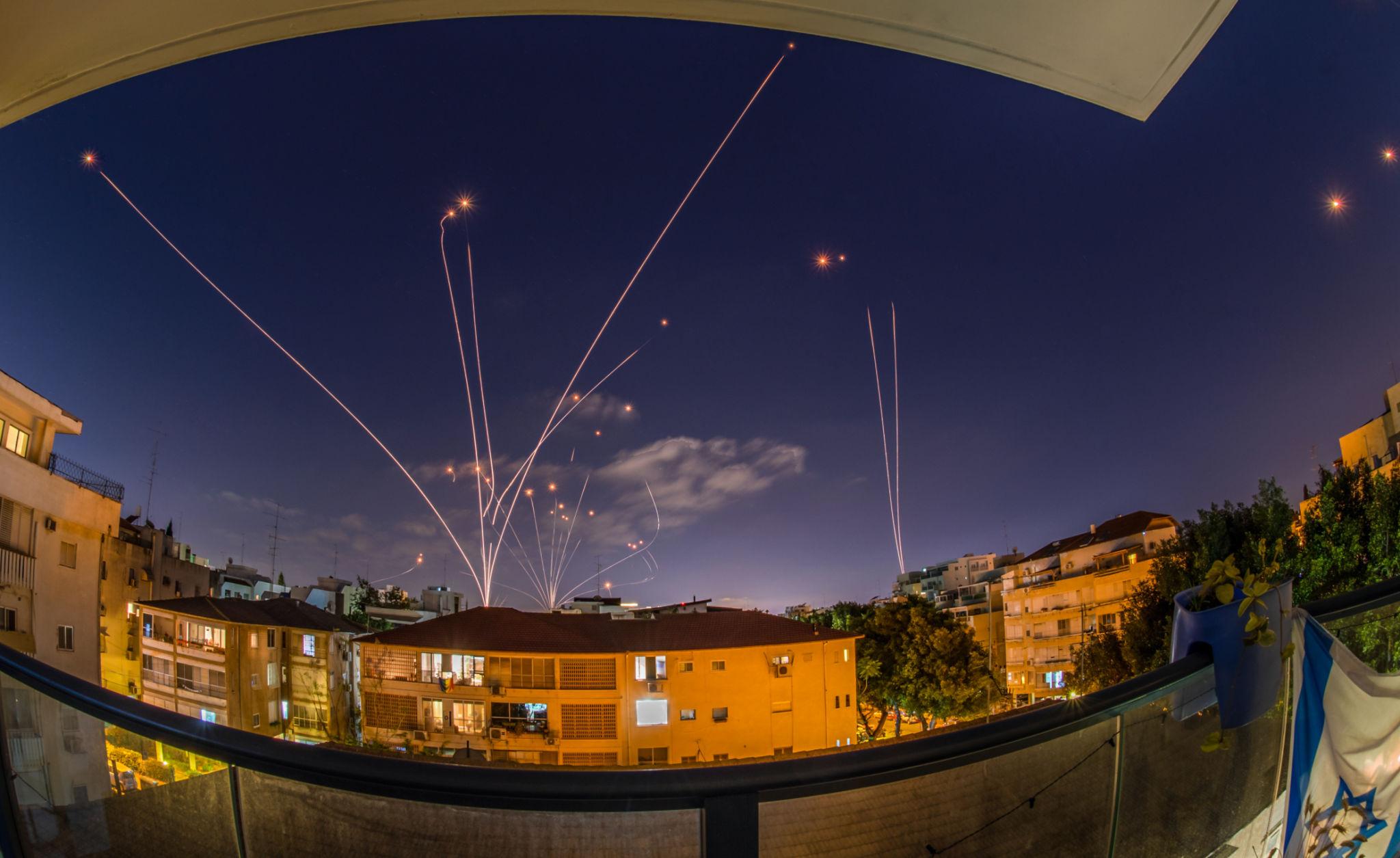
Iranian missiles target Israel again as air defenses intercept incoming threats over Jerusalem.
Military officials confirm active response while global leaders call for restraint.
Rising tensions in 2026 place the Middle East at a critical crossroads.
Jerusalem, Israel – February 28, 2026 – Parliament News – Iranian missiles target Israel again, triggering widespread air raid sirens and immediate interception efforts across several regions of the country. Defense authorities confirmed late Sunday that multiple projectiles were detected entering Israeli airspace, prompting activation of layered missile defense systems. The incident marks one of the most significant security escalations of 2026.
Military officials stated that Iranian missiles target Israel again during overnight hours, and interception operations were initiated within seconds of radar detection. Residents in Jerusalem, Tel Aviv, and surrounding communities were directed to shelters as a precautionary measure.
“Our mission remains clear: defend our citizens and neutralize incoming threats with precision,”
a senior Israeli defense official said.
The renewed exchange has intensified regional tension and drawn urgent international attention.
Immediate Military Response and Interception Efforts
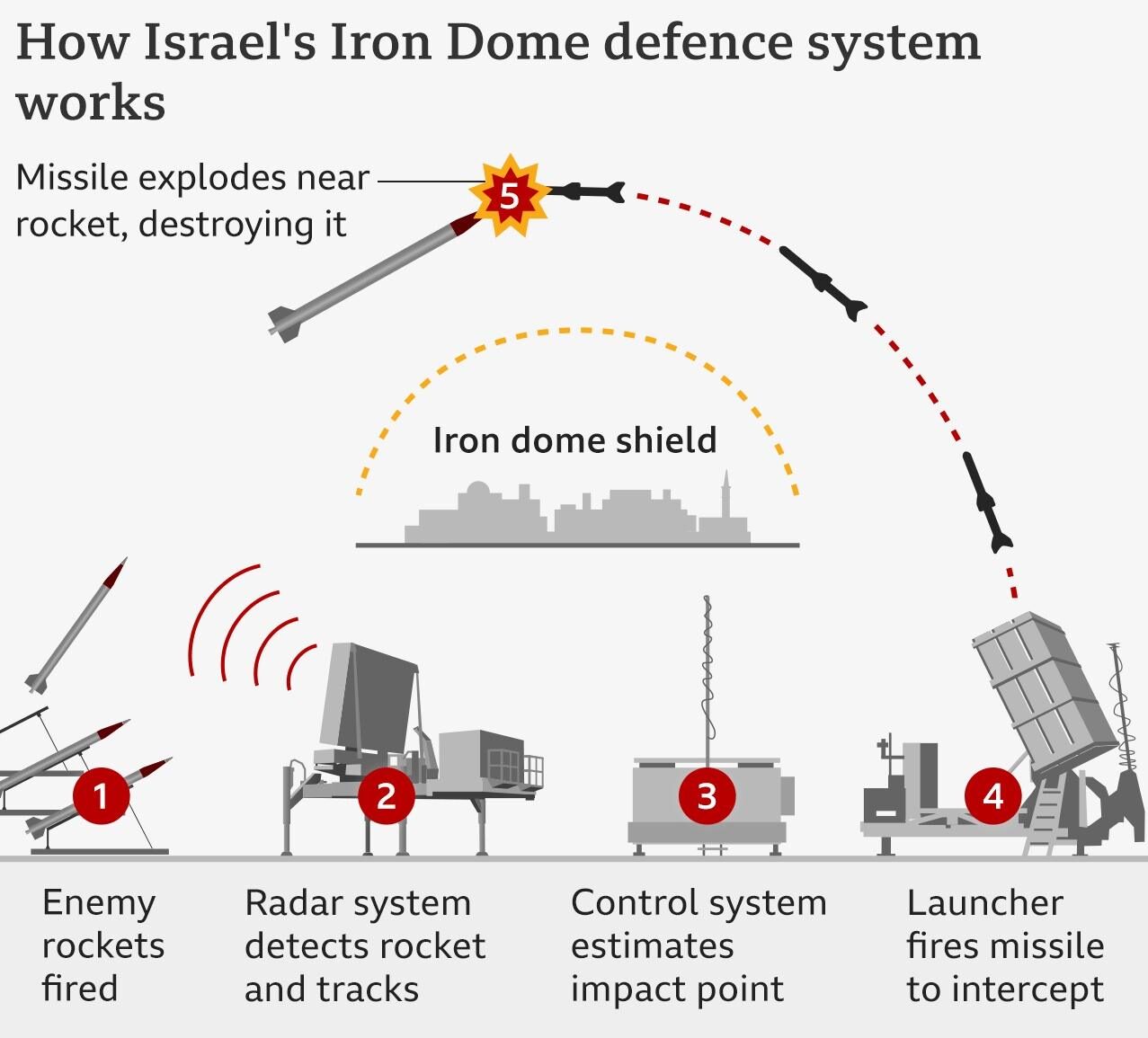
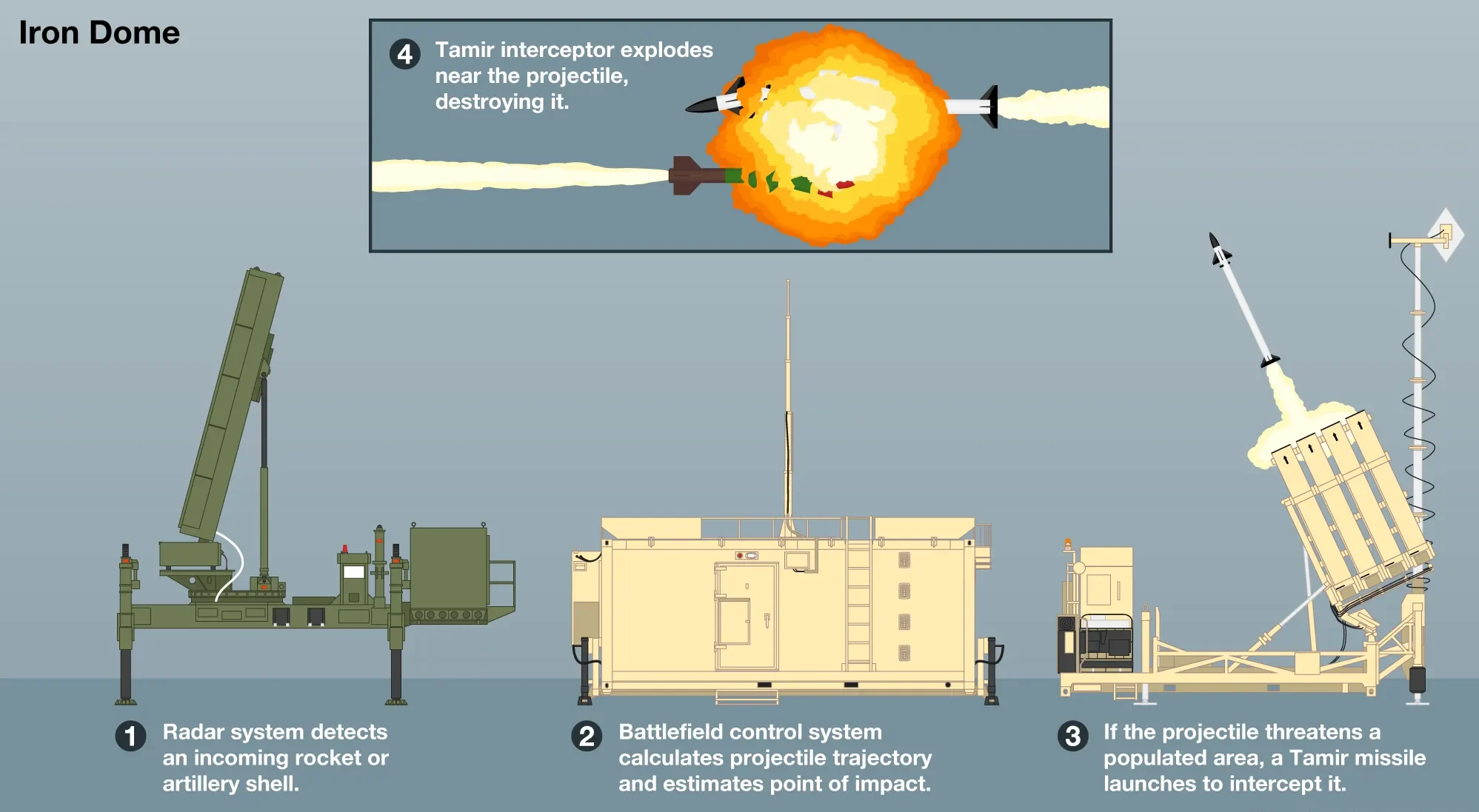
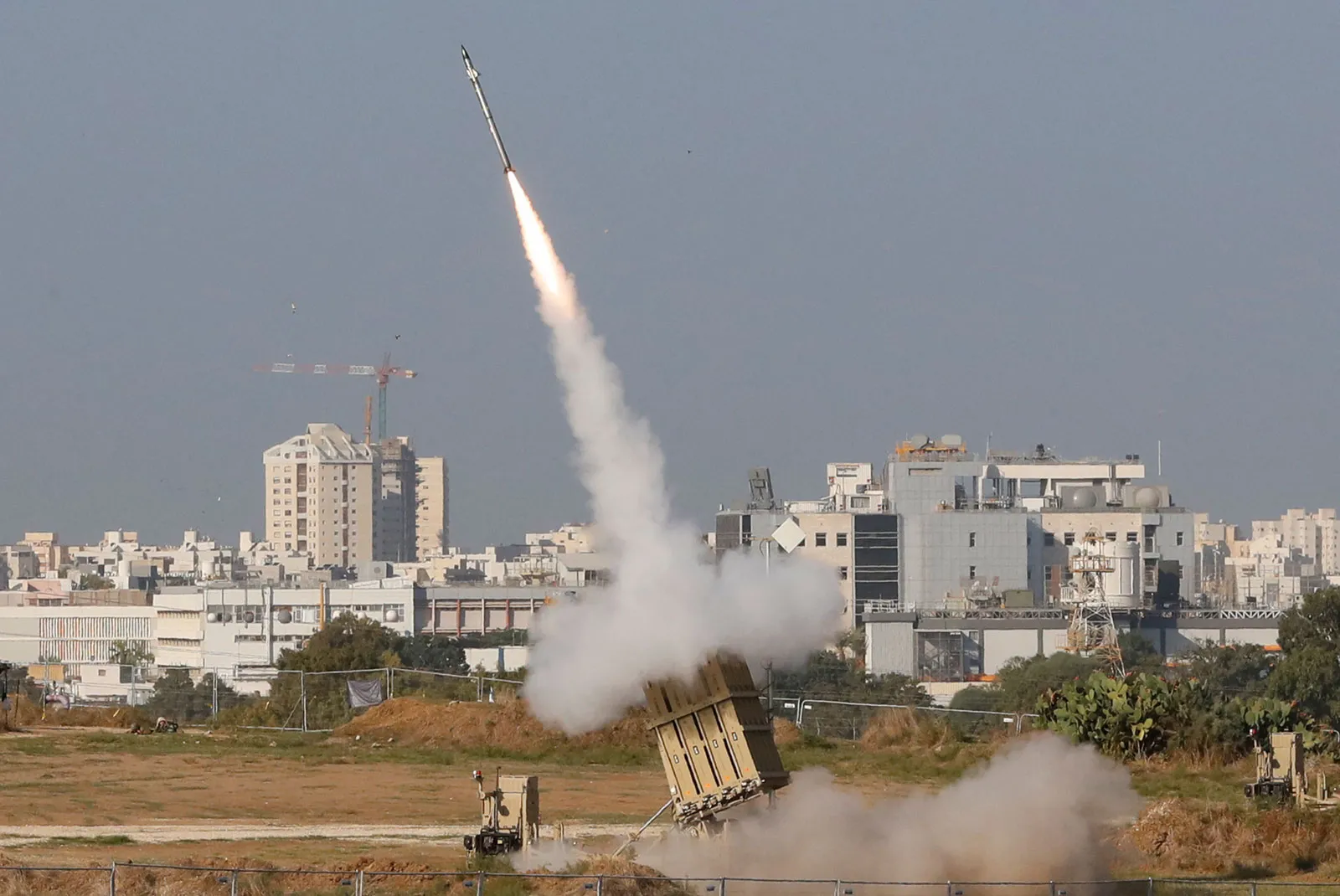
Defense authorities confirmed that Iranian missiles target Israel again and that interceptor batteries were deployed rapidly. The Iron Dome and additional air defense systems engaged incoming projectiles mid air.
Preliminary assessments indicated successful interceptions, though authorities continued examining debris and potential impact zones. Military units remained on heightened alert throughout the night.
Strategic analysts note that when Iranian missiles target Israel again, operational timing becomes critical. Seconds often determine the difference between interception and damage.
Airspace monitoring systems remained fully active into the early morning hours, reflecting sustained vigilance.
Civilian Impact and National Preparedness
Sirens sounded across urban centers as Iranian missiles target Israel again, sending thousands of residents into shelters. Emergency responders coordinated with local authorities to ensure public safety.
Schools in selected districts delayed opening while security checks were conducted. Public transportation services resumed under observation after initial alerts subsided.
Residents described moments of tension as interceptors streaked across the sky. Many expressed confidence in national defense systems despite the anxiety generated by renewed missile activity.
Public messaging emphasized calm, resilience, and adherence to official guidance.
Regional Escalation and Strategic Calculations
The renewed exchange comes amid persistent friction between regional powers. Iranian missiles target Israel again in a context shaped by shifting alliances and security postures.
Defense experts suggest that missile launches often serve strategic messaging purposes, signaling resolve or deterrence intent.
Neighboring countries increased surveillance and reinforced security around sensitive infrastructure following confirmation of the incident.
Analysts caution that repeated exchanges risk unintended escalation if diplomatic channels fail to contain tensions.
International Reaction and Diplomatic Pressure
Global leaders responded swiftly, urging de escalation and dialogue. The United Nations reiterated the need to protect civilians and avoid further destabilization.
European governments expressed concern over rising tensions, while several allies reaffirmed support for Israel’s defensive rights.
“I urge all parties to exercise restraint and prioritize diplomatic solutions,”
said a senior European diplomat.
Energy importing nations closely monitored developments due to potential market impacts.
Iranian missiles target Israel again at a time when diplomatic pathways remain fragile but not closed.
Defense Technology Under Sustained Pressure
Air defense systems played a decisive role in mitigating potential casualties. The Iron Dome’s layered architecture demonstrated its capacity to respond under pressure.
Military planners are evaluating resource sustainability, as repeated exchanges test logistical and operational endurance.
When Iranian missiles target Israel again, technological readiness becomes central to national security strategy.
Defense analysts stress continued investment in innovation and intelligence coordination to maintain protective capabilities.
Economic and Energy Market Implications
Geopolitical instability often reverberates through financial markets. Following confirmation that Iranian missiles target Israel again, regional stock indexes displayed volatility.
Oil prices experienced moderate fluctuation amid concerns about supply chain security in the broader Middle East.
Investors shifted temporarily toward safe haven assets, reflecting caution rather than confirmed disruption.
Authorities emphasized that critical infrastructure remained secure and operational.
Domestic Political Response
Israeli political leaders convened emergency security meetings to assess developments. Lawmakers across party lines expressed solidarity with defense forces.
Public statements focused on resilience and national unity during heightened security periods.
The renewed missile exchange intensified domestic debate regarding long term deterrence strategy.
While political perspectives vary, consensus remains firm on the priority of civilian protection.
Historical Context of Missile Confrontations
Missile exchanges between regional adversaries have periodically shaped Middle Eastern geopolitics. Past confrontations have alternated between escalation and negotiated pause.
When Iranian missiles target Israel again, it echoes previous cycles of tension characterized by deterrence, retaliation, and diplomatic mediation.
Historical precedent suggests that international engagement often follows sustained exchanges to restore stability.
Understanding this background provides context for evaluating present developments in 2026.
Intelligence Coordination and Strategic Messaging
Defense officials emphasized coordination with allied intelligence services to assess broader regional implications.
Analysts suggest that missile launches can serve as symbolic gestures as much as military actions.
Strategic communication remains essential in preventing miscalculation.
When Iranian missiles target Israel again, messaging to domestic and international audiences becomes a key component of crisis management.
Global Security Implications
The Middle East occupies a pivotal position in global energy supply and geopolitical alignment. Developments in Jerusalem reverberate internationally.
Iranian missiles target Israel again at a moment when broader geopolitical tensions already strain diplomatic relationships.
Observers warn that sustained escalation could draw additional actors into the conflict dynamic.
International institutions remain engaged in dialogue aimed at preserving stability.
Public Sentiment and Social Resilience
Citizens demonstrated calm cooperation with emergency directives. Civil defense systems functioned as designed, reinforcing public confidence.
Community leaders called for unity and mutual support during uncertain times.
The psychological impact of repeated alerts underscores the importance of transparent communication.
Despite anxiety, resilience remains a defining feature of civilian response.
Strategic Outlook for the Coming Days
Military officials confirmed ongoing monitoring of regional activity. Response protocols remain active as intelligence assessments continue.
Iranian missiles target Israel again, but whether further exchanges follow remains uncertain.
Diplomatic backchannels may play a role in reducing tensions if all parties signal openness to dialogue.
Security experts emphasize that measured action and restraint are critical to preventing broader conflict.
A Defining Moment in 2026 Regional Stability
The renewed exchange underscores the delicate balance shaping Middle Eastern geopolitics in 2026. Each missile launch carries strategic significance beyond immediate impact.
Iranian missiles target Israel again within a complex web of alliances, deterrence calculations, and historical rivalry.
Defense preparedness has limited immediate damage, yet long term stability depends on diplomatic engagement.
Global attention remains focused on Jerusalem as leaders navigate one of the year’s most consequential security challenges.
