Global reaction Iran strikes intensifies as world leaders issue strong condemnations in 2026.
Major powers including Pakistan, China, the EU and Russia call for restraint.
Energy markets and global alliances brace for potential fallout.
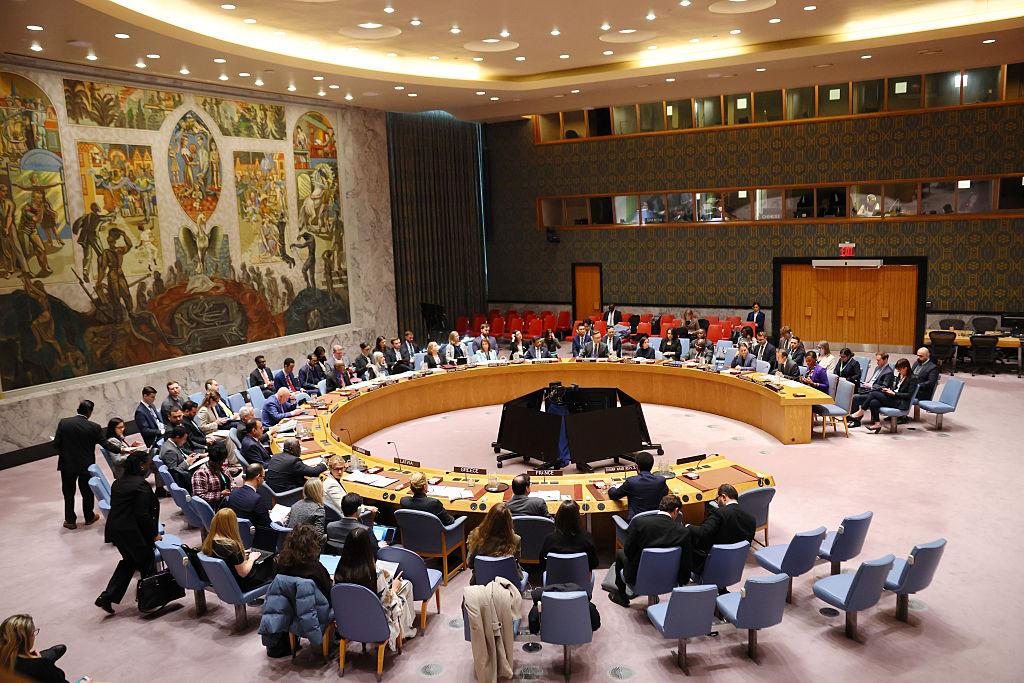
New York, United States – February 28, 2026 – Parliament News – The global reaction Iran strikes has intensified sharply as governments across continents issue formal statements condemning escalation and urging diplomatic restraint. Emergency meetings were convened at United Nations headquarters in New York following renewed military activity involving Iran, underscoring the seriousness of the situation in 2026.
The global reaction Iran strikes reflects mounting concern over regional stability, energy security, and potential spillover into broader international conflict. Leaders across Europe, Asia, the Middle East and South Asia have emphasized de escalation and civilian protection.
A senior United Nations diplomat stated,
“The international community must act collectively to prevent further destabilization and protect civilian lives.”
As tensions rise, the global reaction Iran strikes has become a central diplomatic focus worldwide.
United Nations Moves to Contain Escalation
Emergency consultations began within hours of confirmation of the strikes. Representatives from major powers convened to assess legal, humanitarian, and strategic implications.
The global reaction Iran strikes dominated discussions in the Security Council chamber. Delegates debated potential resolutions calling for restraint and protection of civilians.
Diplomatic observers described the mood as serious but measured. While consensus may take time, dialogue remains active.
Multilateral engagement often becomes the first line of defense against uncontrolled escalation.
United States Balances Deterrence and Diplomacy
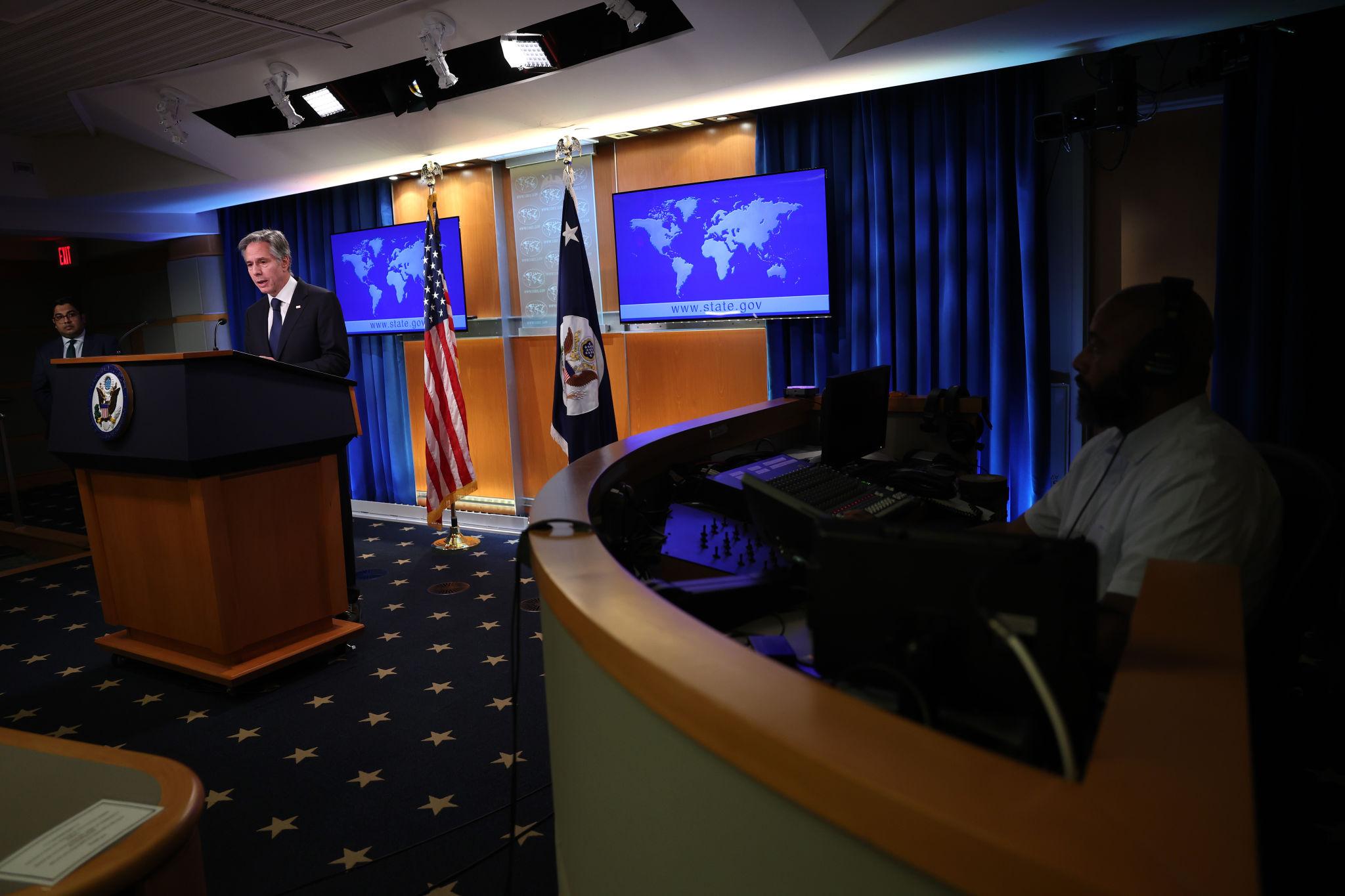
The United States emphasized its commitment to regional stability while calling for responsible engagement from all actors.
Officials stated that preventing wider conflict remains a priority, and coordination with NATO allies continues.
The global reaction Iran strikes prompted briefings within Congress as policymakers examined the broader strategic landscape.
Washington’s messaging focused on deterrence without endorsing further escalation.
United Kingdom and European Union Demand Calm
The United Kingdom condemned renewed violence and stressed adherence to international norms.
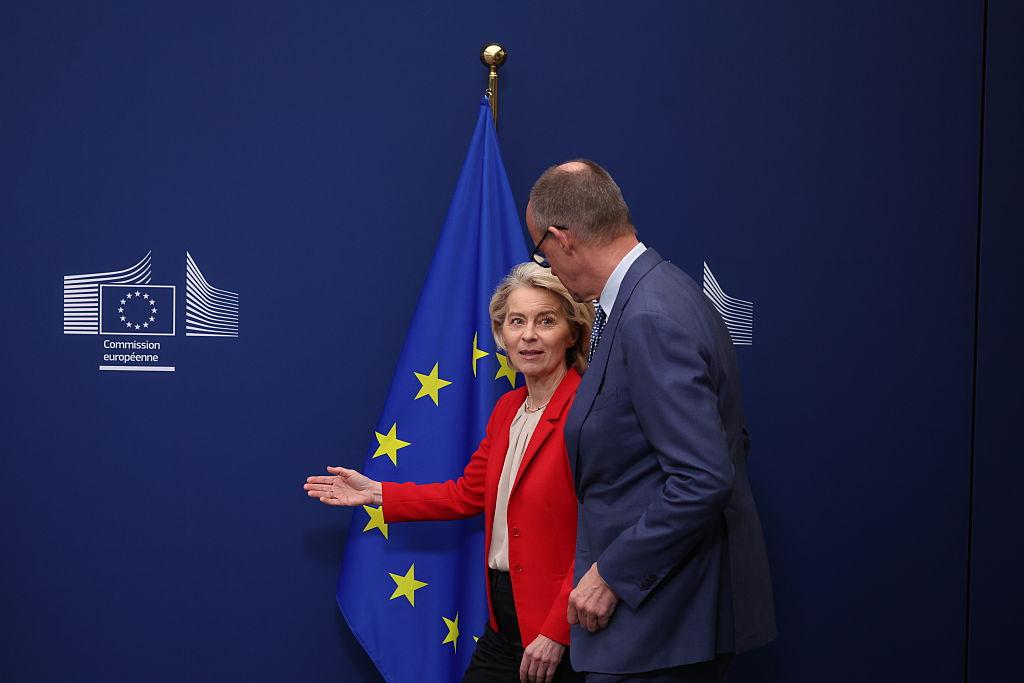
The European Union issued a unified statement urging restraint and renewed diplomatic dialogue. France and Germany highlighted the risks posed to energy supply and economic growth.
European leaders expressed concern that continued instability could deepen inflationary pressures.
The global reaction Iran strikes across Europe reflects deep sensitivity to regional volatility and its economic ripple effects.
Russia Condemns Military Escalation
Russia issued a strong condemnation, describing the escalation as destabilizing and potentially dangerous.
Moscow urged immediate diplomatic efforts and respect for sovereignty.
The global reaction Iran strikes from Russia reflects its broader strategic interest in maintaining influence within the region.
Officials warned that miscalculation could have far reaching consequences.
China Calls for Peaceful Resolution
China’s foreign ministry urged all parties to prioritize dialogue and avoid further military confrontation.
Beijing emphasized that sustained instability threatens global trade networks and energy markets.
The global reaction Iran strikes from China underscores its economic and geopolitical interests tied to regional stability.
Diplomatic channels between Beijing and regional governments reportedly remain open.
Pakistan Condemns Escalation and Urges Dialogue
Pakistan’s Foreign Office released a detailed statement expressing deep concern over the escalation and condemning actions that undermine regional peace.
Islamabad emphasized the importance of diplomatic solutions and the protection of civilians. Officials stressed that prolonged instability in the Middle East would affect global economic stability.
A spokesperson from Pakistan’s Ministry of Foreign Affairs stated that peace and restraint must guide all decisions moving forward.
The global reaction Iran strikes now includes South Asia’s firm appeal for de escalation and adherence to international law.
Gulf Cooperation Council Coordinates Security
Gulf states convened emergency meetings to assess infrastructure and maritime security.
Saudi Arabia reaffirmed its commitment to protecting energy corridors. The United Arab Emirates called for strategic restraint.
Qatar and Oman supported mediation initiatives aimed at restoring calm.
The global reaction Iran strikes in the Gulf region reflects immediate economic and security exposure.
Energy infrastructure protection remains a top priority.
India and Japan Highlight Energy Security
India advised its citizens to exercise caution and reiterated the importance of peaceful engagement.
Japan emphasized uninterrupted energy supply and urged diplomatic efforts to prevent escalation.
Asian economies remain sensitive to fluctuations in oil markets.
The global reaction Iran strikes continues shaping strategic calculations in energy dependent nations.
Financial Markets React to Uncertainty
Global stock markets experienced volatility as investors assessed geopolitical risk.
Oil prices fluctuated amid concerns over supply disruptions.
Safe haven assets gained attention as traders sought stability.
The global reaction Iran strikes illustrates how geopolitical tension influences economic indicators within hours.
Central banks signaled that inflation risks tied to energy prices would be monitored closely.
Humanitarian Agencies Prepare for Contingencies
International aid organizations expressed concern about potential civilian displacement and infrastructure damage.
Emergency response frameworks were reviewed to ensure readiness if conditions deteriorate.
The global reaction Iran strikes includes humanitarian appeals focused on access to medical care and essential services.
Protecting civilian populations remains central to international diplomacy.
Historical Context of Crisis Diplomacy
Past Middle East crises have triggered rapid diplomatic mobilization. The global reaction Iran strikes follows a familiar pattern of multilateral engagement aimed at stabilizing tensions.
Historical precedent demonstrates that sustained dialogue often becomes the pathway to de escalation.
International coalitions have previously succeeded in preventing broader conflict through coordinated diplomacy.
Understanding this context offers perspective on the current crisis.
Intelligence Sharing and Strategic Coordination
Allied governments expanded intelligence cooperation to assess evolving risks.
The global reaction Iran strikes underscores the importance of real time coordination between defense agencies.
Strategic deterrence remains a central theme in alliance discussions.
Defense planners evaluate readiness while prioritizing containment.
Media Coverage and Public Perception
International media coverage amplified diplomatic statements and market responses.
The global reaction Iran strikes dominated global headlines and digital platforms.
Experts emphasized responsible reporting to prevent misinformation.
Public perception can influence policy urgency and diplomatic engagement.
Strategic Outlook for the Coming Weeks
Diplomatic efforts are expected to intensify as leaders seek to prevent further escalation.
The global reaction Iran strikes highlights the fragile balance shaping international security in 2026.
Defense analysts caution that measured communication remains critical.
Escalation risks can be mitigated through sustained dialogue and coordinated messaging.
A Defining Moment for Global Stability
The unfolding crisis represents one of the most consequential geopolitical developments of 2026.
The global reaction Iran strikes reflects the interconnected nature of energy markets, security alliances, and diplomatic institutions.
World leaders now face pivotal decisions balancing deterrence and diplomacy.
Stability will depend not only on military readiness but on collective international resolve.
As governments navigate this uncertain period, the emphasis remains on preventing further escalation while safeguarding civilian lives and global economic continuity.